Table of Contents >> Show >> Hide
- First: When peeling feet are normal (and when they’re not)
- Common causes of peeling feet and toes
- 1) Dry skin (xerosis), friction, and calluses
- 2) Athlete’s foot (tinea pedis)
- 3) Dyshidrotic eczema (pompholyx)
- 4) Contact dermatitis (shoe allergy or irritation)
- 5) Psoriasis on the soles (palmoplantar psoriasis)
- 6) Pitted keratolysis (the “why do my feet smell like a locker room?” culprit)
- 7) Simple irritation: over-exfoliation, sunburn, or chemical “oops” moments
- How to tell what’s causing your peeling (a practical checklist)
- How to fix peeling feet and toes (safely, step by step)
- Step 1: Clean gently and dry thoroughly
- Step 2: Moisturize the right way (and avoid a common mistake)
- Step 3: Exfoliate gently (no sandpaper energy)
- Step 4: If you suspect athlete’s foot, treat it like athlete’s foot
- Step 5: If it looks like eczema or contact dermatitis, calm and protect
- Step 6: Manage sweat and “foot climate”
- When to see a doctor or podiatrist
- Prevention: keep peeling from coming back
- Quick FAQ
- Real-Life Experiences: What Peeling Feet and Toes Looks Like Day to Day (and what people learn the hard way)
- SEO Tags
If your feet are peeling, congratulations: your body has chosen the most dramatic possible way to send a memo.
Sometimes it’s harmless “I’m dry and annoyed” skin. Other times it’s a fungus throwing a house party between your toes.
The trick is figuring out which problem you’re dealing withbecause the fixes are very different.
This guide breaks down the most common causes of peeling feet and toes, how to tell them apart, what you can safely do at home,
and when it’s time to call in a professional (aka someone with a license and better lighting).
First: When peeling feet are normal (and when they’re not)
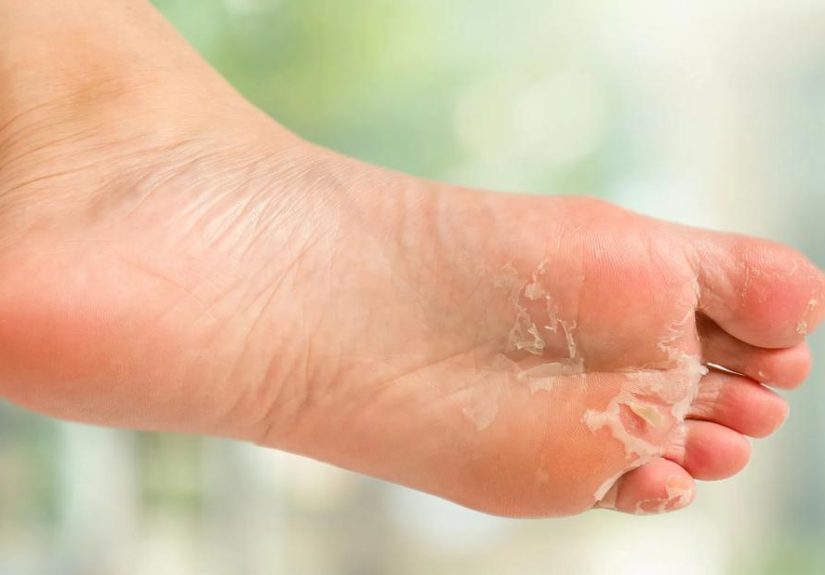
Skin naturally sheds. But when you see noticeable flakes, sheets, cracks, or “toe confetti,” it usually means your skin barrier is irritated,
over-dried, infected, inflamedor getting rubbed like it’s training for a marathon.
Peeling is more likely to be benign if it’s mild, not itchy, not painful, and improves with basic moisturizing.
It’s more likely to need targeted treatment if it comes with itching, burning, blisters, odor, spreading redness,
or keeps coming back no matter how many socks you sacrifice.
Common causes of peeling feet and toes
1) Dry skin (xerosis), friction, and calluses
This is the “my heels could file a piece of wood” category. Dry air, hot showers, harsh soaps, aging skin, and lots of standing or walking
can thicken the outer layer of skin. Then it cracks and peelsespecially on heels, the balls of your feet, and the edges of toes.
- Clues: tightness, rough texture, fine flaking, or cracks (fissures) without major itching.
- Typical spots: heels and soles more than between toes.
- What helps: consistent moisturizing, gentle exfoliation, and reducing friction.
2) Athlete’s foot (tinea pedis)
Athlete’s foot is a common fungal infection that loves warm, dark, sweaty environmentslike the inside of your shoes after a long day.
It often causes peeling, scaling, and cracking, especially between the toes. It can also spread to soles and sides of the feet.
- Clues: itching or burning (often worse after removing shoes), peeling between toes, scaling on the sole, or recurring rash.
- Typical spots: between toes (classic), soles/sides (sometimes “moccasin” pattern).
- Why it matters: it can spread to toenails and be harder to treat if ignored.
3) Dyshidrotic eczema (pompholyx)
Dyshidrotic eczema tends to show up as tiny, itchy blisters on hands and/or feet. As the blisters dry out, the skin can crack and peel.
Triggers may include stress, allergies, and frequently moist or sweaty feet.
- Clues: intense itching, small blisters, then peeling as they heal.
- Typical spots: sides of toes, soles, sometimes the arch.
- What helps: moisture management, gentle skin care, and sometimes prescription treatment.
4) Contact dermatitis (shoe allergy or irritation)
Your feet can react to what they touch: adhesives, rubber, dyes, fragrances, foot sprays, detergents, even “moisture-wicking” finishes.
Contact dermatitis can cause an itchy rash, redness, and peelingoften in the pattern of the shoe or strap.
- Clues: new shoes or new product, itching/rash that matches contact areas, symptoms within days of exposure.
- Typical spots: tops/sides of feet, around straps, areas touching seams or inserts.
- What helps: removing the trigger, calming inflammation, protecting the skin barrier.
5) Psoriasis on the soles (palmoplantar psoriasis)
Psoriasis is an inflammatory condition that can cause thick, dry, scaly skin and deep painful cracks on the bottoms of the feet.
It can look like very stubborn “dry skin,” but it doesn’t behave like normal dryness.
- Clues: thickened plaques, scaling, painful fissures, recurring flares, possibly nail changes.
- Typical spots: soles, heels, pressure points.
- What helps: targeted treatments (often prescription), plus barrier repair and cracking prevention.
6) Pitted keratolysis (the “why do my feet smell like a locker room?” culprit)
This is a bacterial skin infection that can cause small crater-like pits on the soles and a noticeable odor.
It’s more common if you have sweaty feet and wear shoes with limited airflow.
- Clues: strong odor, tiny pits on pressure areas, sometimes itch or burning.
- Typical spots: weight-bearing parts of the sole.
- What helps: reducing sweat/occlusion and medical treatment (often prescription).
7) Simple irritation: over-exfoliation, sunburn, or chemical “oops” moments
Sometimes peeling is self-inflicted. Acid peels, aggressive foot masks, pumice stones used like power tools,
sunburn on exposed feet, or harsh chemicals can leave skin peeling.
- Clues: recent new foot product or “spa night,” burning/tenderness, peeling in sheets.
- What helps: stop the irritant, moisturize, protect the skin, and let it heal.
How to tell what’s causing your peeling (a practical checklist)
Use this quick “foot detective” guide. You don’t need a magnifying glassjust decent light and a little honesty about your shoe habits.
Look at the location
- Between toes: often athlete’s foot, especially if itchy or damp.
- Heels/soles: often dry skin/calluses, psoriasis, or sometimes athlete’s foot (moccasin type).
- Shoe-shaped rash areas: think contact dermatitis.
- Sides of toes + tiny blisters: dyshidrotic eczema is a strong suspect.
Check the “extras”
- Itching/burning: common with fungus or eczema.
- Blisters: possible with dyshidrotic eczema or some types of athlete’s foot.
- Odor + pits: consider pitted keratolysis.
- Thick plaques + painful cracks: psoriasis becomes more likely.
- Nail changes (thick, crumbly, discolored): fungus may be involved.
How to fix peeling feet and toes (safely, step by step)
Step 1: Clean gently and dry thoroughly
Wash with lukewarm water and a mild cleanser. Then dry your feet like you’re prepping them for a photoshoot:
get between the toes, around nail edges, and under any skin folds.
If you’re prone to fungal issues, keeping feet clean and dry is not just niceit’s strategy.
Step 2: Moisturize the right way (and avoid a common mistake)
For dryness and cracking, a thick moisturizer helps restore the skin barrier. Ingredients often used for rough foot skin include:
urea, lactic acid, glycerin, petrolatum, and ceramides.
Important: moisturize the bottoms and tops of your feet, but avoid slathering heavy moisturizer
between your toes if you’re prone to infectiontrapped moisture can make fungal problems easier to start (or harder to stop).
Step 3: Exfoliate gently (no sandpaper energy)
If skin is thick and flaky, gentle exfoliation can helpafter soaking for a short time and only if the skin isn’t raw.
Think “tidy up,” not “remove a full layer of foot.”
- Use a soft washcloth or mild foot file 1–2 times per week.
- Skip picking/peeling with fingers (it creates tiny breaks where bacteria and fungi can move in).
- If you have diabetes or poor circulation, avoid aggressive self-treatment and ask your clinician what’s safe.
Step 4: If you suspect athlete’s foot, treat it like athlete’s foot
If peeling is mainly between toes with itch/burning, an over-the-counter antifungal is often the right move.
Common options include terbinafine or clotrimazole products. Apply to clean, dry skin as directed and continue for the full course
(many people stop when it “looks better,” and the fungus throws a comeback tour).
- Change socks daily (more often if sweaty).
- Rotate shoes so each pair can dry out.
- Wear shower shoes in public locker rooms and pool areas.
Step 5: If it looks like eczema or contact dermatitis, calm and protect
For inflamed, itchy, irritated skin, focus on removing triggers and protecting the skin barrier:
- Stop new products and switch to fragrance-free soap and detergent.
- Wear breathable footwear and moisture-wicking socks.
- Use a thick, bland moisturizer on affected areas (again: not between toes if you’re frequently damp there).
For mild inflammation, some people use over-the-counter hydrocortisone brieflybut if fungus is possible,
it’s smarter to get medical guidance because steroids can sometimes worsen untreated fungal infections.
Step 6: Manage sweat and “foot climate”
Sweat isn’t just moistureit’s a whole ecosystem upgrade for fungus and bacteria.
If your feet are often damp:
- Choose breathable shoes and change out of sweaty footwear quickly.
- Use moisture-wicking socks; consider changing midday.
- Let shoes fully dry between uses; alternate pairs when possible.
When to see a doctor or podiatrist
Get checked sooner rather than later if:
- Peeling is severe, painful, or spreading quickly.
- You see redness, warmth, swelling, pus, or you develop fever (possible infection).
- Over-the-counter antifungal treatment hasn’t helped after a reasonable trial.
- You have diabetes, poor circulation, nerve problems, or immune suppressionsmall skin breaks can become big problems fast.
- You have deep heel cracks that bleed, or wounds that won’t heal.
If you have diabetes, daily foot checks are a smart habit: look for cuts, blisters, redness, cracks, or sores,
and report concerns early.
Prevention: keep peeling from coming back
- Keep feet clean and dry: especially between toes.
- Wear shower shoes in public wet areas.
- Rotate shoes and avoid wearing damp footwear.
- Moisturize consistently: nightly for dry heels/soles.
- Go easy on “foot hacks”: harsh peels and aggressive scraping can backfire.
- Don’t share towels, socks, or shoes if fungal infections are a concern.
Quick FAQ
Why are my toes peeling but not itchy?
Dryness, friction, and mild irritation are common reasons. If it’s between the toes and keeps recurring, fungus is still possible
but lack of itch tilts the odds toward dryness or contact irritation.
Should I peel the loose skin off?
Tempting, yes. Helpful, no. Pulling skin can create tiny tears that sting, crack, and invite infection. Trim hanging bits carefully if needed,
then moisturize and protect.
Do foot masks cause peeling?
Some exfoliating foot masks intentionally make skin shed in sheets. Follow directions exactly, don’t repeat too often,
and skip them if you have sensitive skin, active rash, open cracks, or diabetes-related foot concerns unless your clinician approves.
Real-Life Experiences: What Peeling Feet and Toes Looks Like Day to Day (and what people learn the hard way)
People rarely notice peeling feet in a calm, spa-like moment. It’s usually discovered in one of three emotionally rich settings:
(1) pulling off socks at the end of the day and realizing your feet have been quietly producing snow, (2) stepping out of the shower and seeing
white, soggy skin between your toes that looks suspiciously like it’s “melting,” or (3) putting on sandals for the first time in months and
realizing your heels did not get the memo about summer.
One common experience is the “I thought it was just dry skin” phase. Someone works long shifts on their feet, rubs calluses with a foot file,
and uses lotion randomlylike once a week, on a day the moon is full. The peeling improves for a day, then returns, especially in winter or
after lots of walking. The pattern usually teaches a simple lesson: feet respond best to boring consistency. Nightly moisturizer (thicker than
a lightweight body lotion) plus gentle exfoliation once or twice a week often beats a dramatic one-time scrub session that leaves skin tender.
Another classic story is the gym-and-locker-room surprise. A person starts a new workout routine (good for them!), showers at the gym,
and a couple of weeks later notices itching and peeling between the toes. It’s not that the gym is “dirty”it’s that fungi thrive in warm,
damp environments, and shared wet surfaces are an easy place to pick them up. People in this situation often report that the itch is worse
right after taking off shoes, and the skin can look cracked or scaly between toes. The lesson here tends to be: shower shoes aren’t a fashion
statement; they’re protective equipment. Also, treating early and keeping shoes dry makes the whole ordeal shorter and less dramatic.
Then there’s the “new shoes, new problems” crowd. Someone buys a new pairmaybe synthetic, maybe glued, maybe dyed a very confident color.
A rash appears in the exact footprint of the shoe contact: around straps, across the top of the foot, or along the edges. The peeling follows
the irritation. People often connect the dots after they stop wearing the shoes for a weekend and symptoms calm down. The lesson is not
“never buy cute shoes.” It’s “introduce new shoes gradually, wear socks when you can, and pay attention to patterns.” If the reaction repeats
with the same pair, it’s worth considering a material sensitivity or irritation.
For some, peeling comes with tiny blisters that itch like a personal vendetta. They describe it as “little bubbles” on the sides of toes or
the soles, followed by cracking and peeling as things heal. These experiences often come during stressful weeks or in seasons when feet are
sweaty more often. What people learn here is that inflammation and moisture can team up. Managing sweat, keeping skin gently moisturized,
and getting the right medical guidance (when it’s more than a mild flare) can make a big difference.
Finally, there’s the over-exfoliation cautionary tale: someone uses a strong foot peel or scrubs daily because they want “baby-soft feet,” and
instead gets tender, peeling skin that stings. The lesson is that your skin barrier is not a disposable layer. When you strip it too aggressively,
your feet may peel more, not less. Many people find that a slower approachhydration, barrier repair, and gentle maintenancecreates smoother
skin over time without turning their socks into exfoliation evidence.
If there’s a universal takeaway from real-life peeling-feet experiences, it’s this: peeling is a symptom, not a personality trait.
Once you match the treatment to the causedryness vs. fungus vs. irritation vs. inflammationyour feet usually stop auditioning for a snow globe.