Table of Contents >> Show >> Hide
- What Is a “Shoulder Animal” (and why do we love them so much)?
- Before the Cuteness: Shoulder Safety Rules (Your Pet Will Thank You)
- 50 Of The Cutest “Shoulder Animals” People Are Posting
- How to (Gently) Earn a Shoulder Animal: Training Basics That Actually Work
- When Shoulder Time Should Stop (Even If It’s Cute)
- of “Shoulder Animal” Experiences People Relate To (and Why They Stick With You)
- Conclusion: Keep It Cute, Keep It Kind
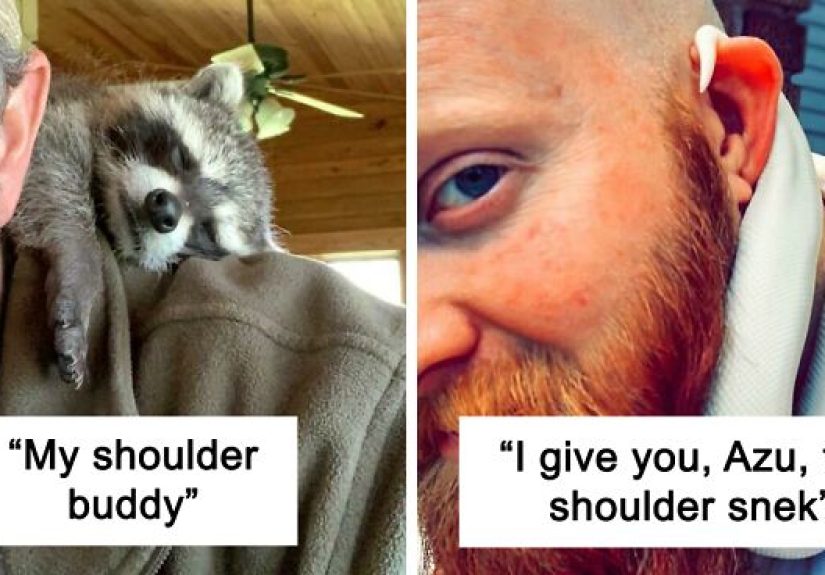
If you’ve been online lately, you’ve probably seen it: someone turns the camera, andsurprisethere’s a tiny creature perched on their shoulder like a fuzzy (or feathery) pirate sidekick. These are “shoulder animals,” and the internet is obsessed for a simple reason: it’s peak adorable. A shoulder animal looks like it has an opinion, a mission, and possibly a tiny resume. (“Skills: balancing, judging, snack detection.”)
But underneath the cuteness is something real: many pets enjoy being close to their people, and perching high can feel safe, interesting, andlet’s be honestpowerful. Still, not every animal should be up there, and not every shoulder is a good idea 24/7. So let’s do this the fun way and the responsible way: we’ll break down what “shoulder animals” are, how to keep everyone safe and comfy, and then dive into 50 of the cutest shoulder animals people love to show off.
What Is a “Shoulder Animal” (and why do we love them so much)?
A “shoulder animal” is any pet (or, occasionally, a very bold animal) that voluntarily hangs out on a person’s shoulder, neck, or upper backusually while the human stands there like a living tree. It’s not just a pose. For many animals, it’s a mix of:
- Safety and height: Being up high can feel secure and gives a better view of the world.
- Warmth and closeness: Your body heat + your familiar scent = premium comfort subscription.
- Curiosity: From the shoulder, they can watch what you’re doing like a tiny supervisor.
- Habit: Animals repeat what feels good and gets rewardedsometimes with treats, sometimes with attention.
Social media loves shoulder animals because they look like friendship you can see. Also, the visuals are unbeatable: the contrast of “human doing normal thing” + “animal perched like a captain” is comedy gold.
Before the Cuteness: Shoulder Safety Rules (Your Pet Will Thank You)
Here’s the part that keeps the trend sweet instead of stressful. The best shoulder animal content comes from animals who chose the perch, not animals who were placed there like a decorative scarf.
Rule 1: Voluntary only
If your pet climbs up happily, great. If they freeze, flail, flatten, hiss, puff up, or try to escapeshoulder time is canceled. No refunds, only snacks and calm.
Rule 2: Protect faces, eyes, and small kids
Some birds and small mammals can nip when startled. And reptiles can startle toojust with more dramatic stillness first. If your animal is unpredictable, shoulder perching puts your face in the “danger zone.” Save shoulder time for calm, trained, predictable moments.
Rule 3: Hygiene isn’t optional
Many animals can carry germs that don’t bother them but can bother humans. Wash hands after handling petsespecially birds, reptiles, and small mammalsand be extra cautious around food prep areas. If your shoulder animal has access to your hair, shirt collar, or jewelry, remember: that’s basically a playground.
Rule 4: No wild animals, no “cool” risky handling
Wild animals belong in the wild. Even if a photo looks “cute,” it can encourage unsafe interactions or harmful wildlife trade. Shoulder animals should be your domesticated pets (or animals being handled by trained professionals in legitimate care situations).
Rule 5: Choose the right environment
Avoid shoulder time near open doors, ceiling fans, hot stoves, barking dogs, crowded spaces, or anything that can spook your pet. The best shoulder animal moments happen in calm, controlled places.
50 Of The Cutest “Shoulder Animals” People Are Posting
Below are 50 shoulder-animal all-starsorganized across birds, mammals, and reptilesplus a few “honorary” ones you’ll see in posts. Some are tiny and polite. Others are tiny and chaotic. All are incredibly meme-able.
- Shoulder cat The original icon. Cats perch like they’re scouting the horizon for drama (and finding it).
- Shoulder kitten Same concept, but with bonus wobble and a higher likelihood of purring into your ear like a tiny engine.
- Shoulder cockatiel A feathered friend who whistles, head-bobs, and acts like your shoulder is a concert stage.
- Shoulder budgie (parakeet) Small, bright, and social; budgies often treat shoulders like VIP seating.
- Shoulder lovebird A clingy little sweetheart that can go from cuddly to “don’t touch my human” in 0.2 seconds.
- Shoulder green-cheek conure Cute, clever, and occasionally convinced your earlobe is a toy designed specifically for them.
- Shoulder sun conure A walking rainbow with a volume setting best described as “confident.”
- Shoulder cockatoo Big personality, bigger crest. Shoulder time feels like hosting a talk show with a diva co-host.
- Shoulder African grey Smart enough to learn words, mimic laughter, and judge your life choices in perfect English.
- Shoulder macaw Stunning, social, and strong. Gorgeous on camerabest with experienced handling and clear boundaries.
- Shoulder pionus parrot Calm, steady, and quietly affectionate, like a tiny librarian with feathers.
- Shoulder Amazon parrot Expressive, chatty, and convinced it’s the main character in your household.
- Shoulder canary A delicate little singer that makes your shoulder feel like a peaceful garden bench.
- Shoulder finch Tiny, quick, and adorablemore “blink and they moved” than “stay for a selfie.”
- Shoulder pigeon Surprisingly sweet. Pigeons can be affectionate companions and look absurdly proud perched up high.
- Shoulder dove Gentle vibes only. Doves often look like they’re posing for a romance novel cover.
- Shoulder chicken (bantam) Yes, really. Small chickens sometimes hop up like “Hello, I’m your farm manager now.”
- Shoulder duckling (supervised) A very temporary, very cute momentmore cuddle than perch, and always with care.
- Shoulder rat Intelligent, social, and often content riding around like a tiny explorer with whiskers.
- Shoulder mouse Light as a feather, quick as a thought. Best in calm settings with gentle, confident handling.
- Shoulder hamster (briefly) Not a classic “percher,” but some will climb up for a short, curious visitthen demand snacks.
- Shoulder gerbil Energetic and wiggly, like a tiny athlete training for the Shoulder Olympics.
- Shoulder guinea pig More “upper-chest cuddle” than “shoulder perch,” but the roundness is unmatched.
- Shoulder rabbit (small breed) Usually more of a lap pet, but some small rabbits will snuggle close and climb up briefly.
- Shoulder ferret A long, curious noodle that investigates everything and considers your hoodie a luxury tunnel system.
- Shoulder chinchilla Soft enough to make clouds jealous. Needs secure footing and gentle movementno sudden spins.
- Shoulder sugar glider Tiny, social, and often happiest when closemany prefer bonding pouches but may climb up to perch.
- Shoulder hedgehog A spiky little introvert who can be calm once comfortable, like a cactus that decided to be your friend.
- Shoulder small dog (toy breed) The “purse dog” energy, but with more determination. Best as a held cuddle, not a balance act.
- Shoulder puppy (tiny, supervised) Cute, but wiggly. Think “I love you!” plus “I have no idea what gravity is!”
- Shoulder bearded dragon A chill reptile classic. They often enjoy warmth and calm observation from a high perch.
- Shoulder leopard gecko Usually a hand-pet, but some will climb and pause up high if they feel secure.
- Shoulder crested gecko Bouncy and adorable; expect sudden hops and plan accordingly.
- Shoulder ball python Slow, calm, and steady when comfortablemore “scarf energy” than “perch energy.”
- Shoulder corn snake Curious and gentle; often explores calmly if handled with confidence and care.
- Shoulder king snake (experienced handlers) Beautiful and alert; better suited to skilled owners due to strength and curiosity.
- Shoulder tortoise (tiny one, briefly) Not a percher, but sometimes you’ll see a baby tortoise ride for a moment like it’s royalty.
- Shoulder axolotl This one is mostly a joke online (axolotls are aquatic), but the meme value is undefeated.
- Shoulder mini pig (honorary) More “lean against you” than “sit on shoulder,” but social media captions don’t always respect physics.
- Shoulder goat kid (professional settings) Extremely cute, but this should only happen in safe, appropriate animal-care environments.
- Shoulder parrotlet Tiny but fearless, like a pocket-sized superhero with feathers.
- Shoulder caique Famous for clown behavior. If joy could backflip, it would be a caique.
- Shoulder lorikeet Bright, active, and nectar-loving; messy beaks, huge charm.
- Shoulder quaker parrot Social and chatty; may treat your shoulder like the headquarters of a tiny construction company.
- Shoulder cockatoo “head-tilt pose” Specifically the moment they tilt their head like they just heard gossip.
- Shoulder kitten + bird “supervised duo” Rare and risky; only for households with proven calm behavior and strict supervision.
- Shoulder rescue bird “first trust moment” Not a species, but a vibe: the day a shy bird chooses your shoulder is huge.
- Shoulder senior pet “I’m just here for warmth” Older pets often love calm closeness, and it’s deeply sweet.
- Shoulder “sleepy buddy” Again, not a species, but the cutest category: when they doze off like your shoulder is home.
How to (Gently) Earn a Shoulder Animal: Training Basics That Actually Work
If your pet wants to be a shoulder animal, your job is to make that choice easy, safe, and rewarding. Most reputable training guidance across species comes back to one big idea: positive reinforcement. Reward behaviors you like; don’t force behaviors you want.
For birds: master “step up” and calm perching first
Start with a reliable “step up” onto your hand or a perch. Use small rewards, short sessions, and a calm environment. Many bird-care resources also recommend target training (teaching the bird to touch or follow a target like a chopstick) to guide movement without pressure. Once your bird steps up reliably and stays calm on your hand or forearm, you can experiment with shoulder accessif your bird is not bitey and you can safely cue them off your shoulder when needed.
For small mammals: build confidence before altitude
Rats and ferrets often become shoulder animals naturally, but confidence is key. Start with lap time and chest-level handling. Let them climb up while you stay seated. Avoid sudden standing, fast turns, or environments where a fall could happen. A hoodie (with the hood down) can act like a “safe zone” and reduce slipping.
For reptiles: warmth, support, and predictability
Many reptiles prefer slow, steady handling. Support their body, avoid sudden movements, and keep sessions short. Wash hands afterward, and don’t let reptiles roam near kitchens or food surfaces. A calm shoulder perch can work for certain reptiles (like bearded dragons) when the animal is comfortable and your environment is controlled.
When Shoulder Time Should Stop (Even If It’s Cute)
- Fear signals: shaking, lunging, trying to flee, freezing, frantic climbing, or “I need to get out of here” body language.
- Unreliable recall: if you can’t safely get them off your shoulder on cue, the shoulder isn’t the place yet.
- Risky setting: open door, loud crowd, other pets nearby, hot surfaces, or anything that could startle them.
- Health concerns: if your pet is sick, stressed, or newly adopted and still adjusting, keep handling minimal and gentle.
The internet rewards chaos. Your pet should not have to perform for it.
of “Shoulder Animal” Experiences People Relate To (and Why They Stick With You)
Ask anyone who’s had a shoulder animal, and they’ll tell you it’s not just about the photoit’s about the moment. People describe the first time a shy rescue bird climbs up as a tiny miracle: one day the bird won’t step onto a hand, and the next day it’s perched near your neck like it’s always belonged there. That shift feels like a trust contract signed in invisible ink.
Rat owners often talk about “commuter shoulders”their rats ride along while chores happen, occasionally poking their noses into hair like they’re checking if you’ve been properly maintained. The sweetest stories are the quiet ones: a rat settling down, bruxing softly, choosing stillness because it feels safe. It’s hard to overstate how big that is for an animal that’s small enough to be startled by a spoon hitting the sink.
Bird people have their own shoulder-language. A cockatiel that gently preens your hair is basically saying, “We’re flock.” A conure that wedges itself under your chin is saying, “You are mine,” with the same intensity as a tiny soap-opera star. And then there are the comedians: birds who climb up, strike a heroic pose, and refuse to moveuntil a snack appears, at which point they suddenly remember they have places to be.
Reptile owners describe shoulder time differently: it’s less “cuddle” and more “shared calm.” A bearded dragon perched on a shoulder often looks like it’s meditating on the meaning of sunlight. People love that contrastthis prehistoric-looking little creature, completely unbothered, soaking up warmth and watching the world like an old soul in a tiny body.
And yes, cat owners will say shoulder cats are equal parts affection and ambition. Some cats perch because they want closeness. Others perch because they want to be taller than you. Either way, the experience becomes a ritual: you feel their weight shift, you learn to move slower, you become a better observer of body language. That’s the underrated gift of the shoulder animal trendwhen it’s done responsibly, it trains humans to pay attention, respect boundaries, and notice the small signals that say “I’m happy,” “I’m unsure,” or “Please put me down before I invent a new kind of chaos.”
Conclusion: Keep It Cute, Keep It Kind
Shoulder animals are internet-famous because they’re funny and heartwarmingbut they’re even better off-camera: a tiny companion choosing to be close. If you remember the basics (voluntary perching, calm environments, safe handling, and good hygiene), you can enjoy the trend without turning your shoulder into a stress test. And if your pet never becomes a shoulder animal? That’s okay too. Some pets are lap legends, some are couch roommates, and some prefer a respectful distance like tiny landlords. Love them where they are.