Table of Contents >> Show >> Hide
- From Sacred Symbols To Internet Punchlines
- The Viral Bored Panda Flag Meme Explained
- How The Memes Twist Real Flag Meanings
- Funny, Or Just Offensive? The Thin Line Of National Stereotype Humor
- Why We Can’t Resist Turning Flags Into Memes
- How To Enjoy Flag Memes Without Being “That Person”
- From Meme To Teaching Tool: How Educators Use These Jokes
- So… What Do These Flag Jokes Really Tell Us?
- Conclusion
- Real-Life Experiences With “True Meaning Of Country Flags” Memes
On paper, national flags are solemn business. They’re sewn onto military uniforms, raised at embassies, and folded with ceremony. But put the same flags on the internet and suddenly people are assigning “true meanings” like “red for student debt” and “green for questionable cuisine.” Thanks to a viral Bored Panda post, people around the world have been reimagining country flags through the lens of stereotypes and social commentary and the results are equal parts hilarious and uncomfortable.
In this article, we’ll unpack why these jokes hit so hard, how they twist real symbolism into meme material, and where the line sits between lighthearted fun and outright offense. We’ll look at a few standout flag “redesigns,” explore what real flag colors actually mean, and talk about how humor based on national stereotypes can both connect and divide people. Think of it as a world tour, but the guide is a chaotic comments section.
From Sacred Symbols To Internet Punchlines
Traditionally, flags are dense with meaning. Colors and shapes often represent battles fought, revolutions won, natural landscapes, religious traditions, and political ideals. For example, the red, white, and blue of the United States flag stand for valor and bravery (red), purity and innocence (white), and vigilance, perseverance, and justice (blue).
Many European and Latin American tricolors grew out of revolutions, with red commonly symbolizing courage or bloodshed, and green frequently standing for the land or hope.
Flag historians will happily tell you that each stripe, star, and emblem tells a patriotic story. Yet on social media, people rip that story up and rewrite it with punchlines. Instead of “green for fertile land,” it becomes “green for cash.” Instead of “white for peace,” it’s “white for snow… or the suspicious powder at certain parties.” The Bored Panda collection tapped into this contrast: official symbolism on one hand, and the messy, meme-filled reality of modern life on the other.
The Viral Bored Panda Flag Meme Explained
The original Bored Panda post invited users to “explain the true meaning” of different country flags using what each nation is most famous (or infamous) for. The concept was simple: take the basic colors of a flag, then relabel them according to stereotypes, clichés, or social critiques.
Other outlets like The Language Nerds, Cheezburger, and design blogs quickly echoed the idea, sharing compilations of these flag “translations” along with thousands of comments arguing, laughing, and occasionally raging about them.
What made the series so addictive is that each flag works like a tiny infographic. You already know what the colors look like now you just overlay text like:
- Italy: Green for herbs, white for pasta, red for tomato sauce.
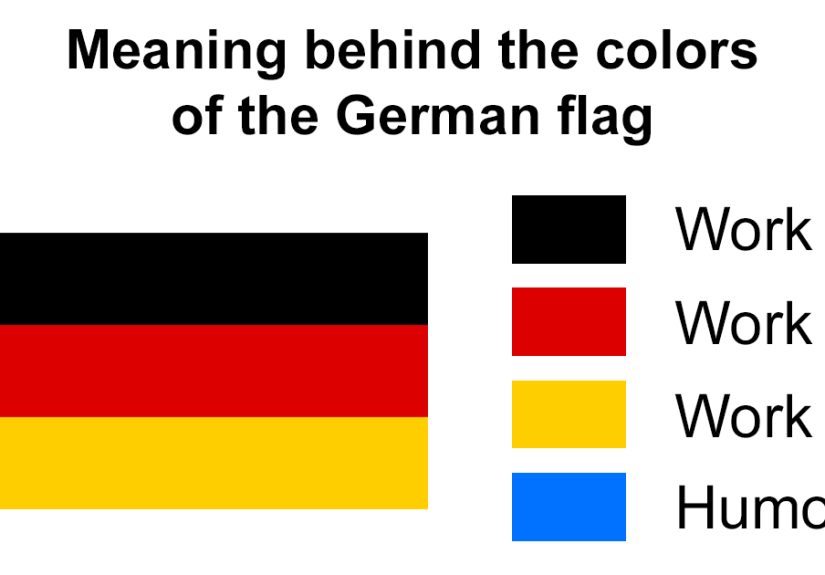
- Germany: Black for industry, red for blood, gold for money and efficiency (with lots of beer bubbles implied).
- USA: Red for war, white for debt, blue for sadness (or fast food, depending on the meme).
- Brazil: Green for jungle, yellow for gold, blue for football and carnival-level chaos.
The jokes land because they rely on quick recognition. You don’t need a history degree you just need to know that Italy loves pasta, Americans love fast food, and Germany is famous for engineering and seriousness. The “true meaning” is less about heraldry and more about what pops into people’s heads first.
How The Memes Twist Real Flag Meanings
Underneath the jokes, there’s a subtle mash-up of real symbolism and exaggerated reality. Many flags genuinely reference blood shed for independence, natural resources, or religious identity themes that memes then exaggerate into “red for constant wars” or “yellow for corruption and gold hoarding.”
The humor works in part because every flag already invites interpretation. Flag scholars note that color choices are rarely random: red, white, and blue dominate because they’ve been adopted by so many powerful nations, while stars, crosses, and crescents signal specific histories, religions, or regional identities.
Meme-makers simply hijack that open door. Instead of carefully explaining, “This red stripe honors fallen revolutionaries,” they go for, “This red stripe is for all the times this country has set something on fire, metaphorically or literally.”
Even when the joke is way off historically, it’s usually dead-on culturally. The “true meaning” of a flag in the internet age isn’t just about what leaders meant when they designed it; it’s what the global audience thinks when they see it on a jersey, a news clip, or a tourist’s backpack.
Funny, Or Just Offensive? The Thin Line Of National Stereotype Humor
Jokes based on national stereotypes have always walked a tightrope. Linguists and humor researchers point out that texts built on national clichés are among the quickest to turn from “funny” to “insulting,” depending on who’s telling the joke and who’s listening.
The Bored Panda flag thread was no exception: some people loved the satire, while others felt it reduced their country to a lazy caricature.
Take Ireland, for example. The Irish flag’s official symbolism is rich: green for the Gaelic tradition, orange for the followers of William of Orange, and white for the hope of peace between them.
In the meme world, those colors might be relabeled as “green for fields, white for Guinness foam, orange for sunburned tourists.” Mildly funny, maybe. But when jokes lean into painful political history or ugly stereotypes about drinking and violence, things stop feeling like affectionate teasing and start sounding like mockery.
The core rule? If the humor “punches up” at powerful institutions or widely known clichés, people are more likely to laugh. When it “punches down” at marginalized groups or real trauma colonization, war, poverty the same meme can suddenly feel cruel.
Why We Can’t Resist Turning Flags Into Memes
Flags are emotional shortcuts. Social scientists note that flags can trigger pride, fear, solidarity, or resentment almost instantly they pack politics, history, and identity into a few inches of fabric.
That’s exactly why they’re ripe for satire: making fun of a flag is like gently (or not so gently) poking a country in the ribs.
Online, these memes also serve as global icebreakers. Seeing your own country’s flag labeled with a painfully accurate joke (“red for traffic jams, white for bad coffee, blue for bureaucracy”) can make you feel oddly seen. Seeing other nations’ flags caricatured is a quick way to learn what the world associates with them from Greece’s economic crises to Switzerland’s neutrality to Canada’s politeness and maple syrup habit.
At the same time, the jokes act as a pressure valve. It’s easier to talk about uncomfortable truths like political corruption, social inequality, or foreign policy disasters when they’re wrapped in a cartoon flag and a punchline.
How To Enjoy Flag Memes Without Being “That Person”
You don’t have to be humorless to be thoughtful. It’s possible to enjoy the chaos of “true meaning of country flags” memes while still respecting real people behind those colors. A few basic guidelines help:
1. Laugh With, Not At
The best jokes feel like inside jokes you’d share with locals not barbs thrown at them. If people from that country are making the same joke about themselves, it usually lands better than if outsiders are piling on. Many of the most upvoted comments on the Bored Panda thread came from people joking about their own flags.
2. Avoid Painful History As Punchline
Turning recent wars, genocide, or colonization into cute color labels is usually a bad idea. It might look clever in a meme, but for people whose families lived through those events, it’s not satire it’s salt in the wound.
3. Know When To Scroll On
If a joke feels mean-spirited, it probably is. The internet doesn’t need you to jump into every argument about whether a meme went “too far.” Sometimes the smartest move is to roll your eyes, keep your dignity, and keep scrolling.
From Meme To Teaching Tool: How Educators Use These Jokes
Surprisingly, some teachers have turned the Bored Panda flag jokes into language and culture lessons. One English teacher, for example, used the list of country jokes as a way to explain slang, double meanings, and cultural references to students.
Instead of just drilling vocabulary, they broke down why a particular joke about, say, British weather or American fast food is funny (or groan-worthy).
This approach has a hidden benefit: it forces students to think critically about stereotypes. Why do we associate Italy with pizza more than with its scientific or artistic heritage? Why do some countries get “cute” stereotypes while others get negative or threatening ones? Discussing the “true meaning” of flags becomes a way to pick apart how media, history, and pop culture shape our mental picture of a place.
Used thoughtfully, these memes can kick off conversations about representation, bias, and how we talk about other nations all while still getting a few laughs.
So… What Do These Flag Jokes Really Tell Us?
Underneath the humor, the “People Hilariously Explain True Meaning Of Country Flags” trend is basically a mirror. It reflects what the world notices first about each nation: the clichés, the scandals, the national pastimes, the global brands. Some of it is flattering, some of it stings, and almost none of it tells the whole story of any country.
When we remap a flag’s colors to stand for “coffee, corruption, and chaos,” we’re revealing our mental shortcuts more than any political truth. And that’s the real punchline: these jokes aren’t just about flags they’re about us, the audience, and what we choose to remember or exaggerate.
Enjoy the memes, sure. Just remember that behind every oversimplified joke there’s a real place full of people who are more complex than three colors and a snappy caption.
Conclusion
National flags started as visual stories of courage, sacrifice, and identity. Online, they’ve picked up a second job: starring in viral joke threads that reassign their colors to stereotypes and social commentary. The Bored Panda series about people explaining the “true meaning” of country flags turned official symbolism into a global meme, sparking laughter, debate, and the occasional international side-eye.
If we treat these jokes as conversation starters rather than final verdicts on any country, they can be fun, insightful, and even educational. Flags will always carry heavy historical meaning but in the age of memes, they also carry punchlines, and how we react to those punchlines says a lot about us.
sapo:
When an iconic national flag hits the internet, its noble symbolism doesn’t stand a chance. In a viral Bored Panda trend, people around the world “explained” the true meaning of country flags by relabeling their colors with jokes about pasta, politics, football, fast food, and chaos. In this in-depth look, we break down how these memes twist real flag symbolism into punchlines, why stereotypes can be both hilarious and hurtful, and how teachers, creators, and everyday readers are using flag jokes to explore culture, identity, and bias. Get ready to laugh, cringe, and maybe rethink what those stripes and stars really say about us.
Real-Life Experiences With “True Meaning Of Country Flags” Memes
Spend enough time online and you’ll eventually fall into the “country flag meme” rabbit hole. It usually starts harmlessly: a friend shares an image of your flag with silly labels like “green for coffee,” “white for anxiety,” and “red for endless deadlines.” You chuckle, hit like, and move on. Then the algorithm steps in, and suddenly your feed is full of national flags being roasted, praised, and overanalyzed in every possible way.
One common experience people describe is that weird mix of pride and embarrassment when their own flag shows up in the list. On the one hand, it’s flattering: your country is important enough to be recognized instantly by its colors alone. On the other, the “true meanings” people assign can hit painfully close to home. A country known for bureaucracy gets labeled with “blue for paperwork,” “white for waiting rooms,” and “red for rage.” Someone from that country comments, “As a citizen, I regret to inform you this is accurate.”
In international friend groups or classrooms, these memes often turn into icebreakers. People pull up the Bored Panda list on a projector or phone and go flag by flag: “Okay, who’s from this country? Is this fair or totally wrong?” Laughter usually comes first, but then the conversation deepens. A Brazilian explains why football jokes are funny but corruption jokes feel tired. A German friend shrugs at the “no humor” stereotype and then tells a joke so dark everyone at the table goes silent for a second before bursting out laughing.
There’s also the flip side: the moment a joke goes too far. Maybe the meme leans heavily on a painful conflict or suggests that everyone from a certain country is violent, lazy, or uneducated. The room’s energy changes. Someone says, “Yeah, let’s skip that one.” That awkward pause is a real-time reminder that behind every flag there are people whose families lived through war, colonization, or discrimination, and those experiences aren’t just punchline material.
Creators who post these memes often talk about walking a tightrope with their audiences. When they share lighthearted, self-deprecating versions like a country roasting its own love of spicy food or its obsession with long coffee breaks locals jump in with even better jokes. But when a post leans too hard on negative clichés, comment sections fill with pushback: “We’re more than poverty statistics,” “This ignores our art, science, and culture,” or simply, “Not funny.”
For many people, the most valuable part of the “true meaning of country flags” trend isn’t the memes themselves, but the conversations that follow. You start with a joke about colors and end up swapping stories about daily life, politics, and what people wish the world knew about their home. Someone from a country that rarely appears in the news beams when their flag finally gets a mention, even if the joke is basic it’s still visibility. Others use the comments to debunk myths: “We don’t actually eat that every day,” “No, we’re not always polite,” or “Yes, we really are that obsessed with this sport.”
In the end, the experience of engaging with these memes is a crash course in how humor and identity collide. The jokes can make you feel seen, misunderstood, proud, irritated, or all of the above in the span of a few scrolls. And that might be the most honest “true meaning” of country flags in the meme era: they don’t just represent nations on a map they represent how we see ourselves, how others see us, and how the internet turns all of that into a never-ending, slightly chaotic global inside joke.