Table of Contents >> Show >> Hide
- Is It Really a “Perfume Allergy,” or Something Else?
- Perfume Allergy Symptoms: What It Can Look and Feel Like
- What Causes a Perfume Allergy?
- Common Triggers: It’s Not Just Perfume Bottles
- Who’s More Likely to React?
- How Perfume Allergy Is Diagnosed
- Treatments: What Actually Helps
- Perfume Allergy at Work or School: What You Can Do Without Starting a Scent War
- How to Shop Smarter: “Fragrance-Free” vs “Unscented”
- Prevention Checklist: Lower Your Odds of a Flare
- When to See a Doctor
- Real-Life Experiences With Perfume Allergy (and Fragrance Sensitivity)
- Conclusion
Perfume is supposed to be the finishing touchlike a cherry on top. But if your body treats “Eau de Floral”
like a personal insult, that cherry starts to feel more like a tiny, scented smoke bomb. If you’ve ever gotten
a rash after trying a new fragrance, started sneezing the second someone walked by wearing cologne, or felt
your eyes sting near an air freshener aisle, you’re not alone.
The tricky part: people often say “perfume allergy” to describe a whole range of reactionssome are true
allergies (immune system involvement), and others are irritation or fragrance sensitivity (your body saying,
“Absolutely not,” without a classic allergy mechanism). Either way, the symptoms are real, the triggers are
common, and there are practical ways to feel better without living in a scent-free bunker.
Is It Really a “Perfume Allergy,” or Something Else?
“Perfume allergy” is an umbrella phrase. Under that umbrella, there are a few different rainstorms:
-
Allergic contact dermatitis: A delayed skin allergy (often showing up hours to days later) after
your skin touches a fragrance ingredient. -
Irritant contact dermatitis: Not a true allergymore like your skin barrier getting fed up with
chemicals, dryness, or repeated exposure. -
Upper-airway irritation or nonallergic rhinitis: Sneezing, watery eyes, runny nose, throat
irritationoften triggered by strong odors and volatile compounds. -
Asthma or breathing symptom triggers: Fragrances can worsen asthma symptoms or trigger coughing,
wheezing, or chest tightness in some people.
Why does this matter? Because the best “treatment” depends on the type of reaction. A delayed skin rash is a
different beast than immediate coughing in a scented elevator. Knowing which bucket you’re in is step one to
not feeling like you’re losing a fight to fancy-smelling air.
Perfume Allergy Symptoms: What It Can Look and Feel Like
1) Skin symptoms (the “my neck hates this” category)
Skin reactions are among the most classic signs of fragrance-related allergy. Common symptoms include:
- Itchy, red patches
- Dry, scaly, or cracked skin
- Swelling or tenderness
- Small bumps or blisters (sometimes oozing or crusting)
- Burning or stinging sensation
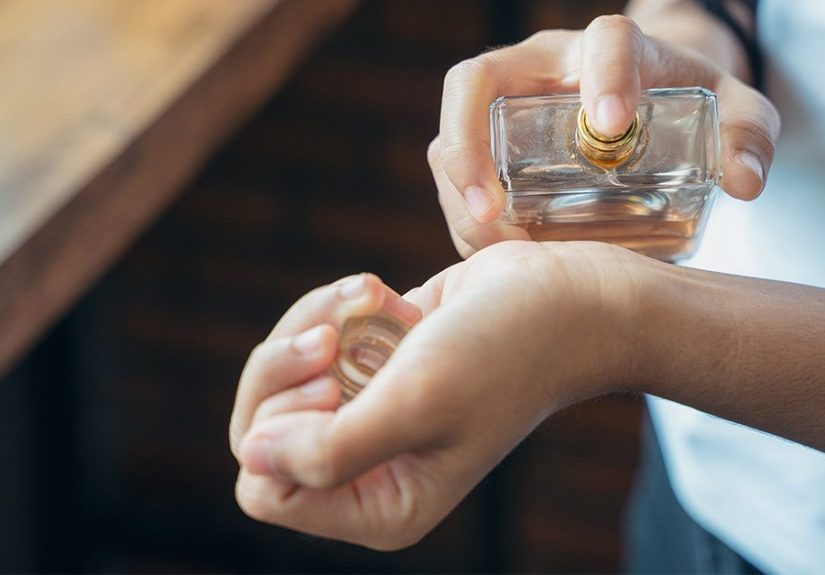
The location often provides clues. Perfume is frequently sprayed on the neck, wrists, and chestso that’s
where a rash might appear. But fragrances hide in lotions, shampoos, deodorants, and laundry products, so
reactions can also show up on the eyelids, hands, underarms, scalp, or anywhere clothing rubs.
2) Nose, eye, and throat symptoms (the “instant regret” category)
Strong scents can trigger:
- Sneezing
- Runny or stuffy nose
- Watery, itchy, or burning eyes
- Scratchy throat or cough
- Headaches or nausea (common in fragrance sensitivity)
These symptoms can mimic allergieseven when the reaction is irritation rather than a classic immune allergy.
3) Breathing symptoms (the “my lungs would like a refund” category)
For people with asthma or reactive airways, fragrance exposure can be a trigger. Watch for:
- Coughing
- Wheezing
- Shortness of breath
- Chest tightness
4) When symptoms are urgent
Severe allergic reactions to fragrance are considered uncommon, but any rapid, serious breathing difficulty,
widespread swelling, or other sudden, alarming symptoms should be treated as an emergency. If you’re ever in
doubt, it’s better to get urgent medical care than to “wait and see.”
What Causes a Perfume Allergy?
Perfume isn’t one ingredientit’s often dozens (or hundreds) of components designed to evaporate, linger, and
smell like “sunlit jasmine on a yacht,” or whatever the marketing team dreamed up. Those ingredients can include:
- Natural extracts and essential oils (which can still be allergenic)
- Synthetic aroma chemicals (commonly used for stability and consistency)
- Solvents (like alcohol)
- Fixatives (to help scent last longer)
One major frustration: product labels don’t always list individual fragrance components. In the U.S., fragrance
mixtures are often allowed to be grouped under “fragrance” or “parfum,” which can make detective work…
spirited. If you’re sensitive, “fragrance-free” shopping becomes less of a preference and more of a hobby.
(Not the fun kind, like pottery.)
Dermatology and allergy clinics often use patch testing to identify fragrance-related allergic
contact dermatitis. Patch tests typically include common fragrance screening mixes (often called “fragrance mix”
groupings) that help pinpoint whether fragrance ingredients are likely driving the rash.
Common Triggers: It’s Not Just Perfume Bottles
If your symptoms flare and you think, “But I don’t even wear perfume,” welcome to the plot twist. Fragrance is
everywhere. Common triggers include:
- Perfume, cologne, body sprays, and mists
- Scented lotions, body washes, and deodorants
- Hair products (sprays, gels, leave-ins)
- Makeup and skincare (especially anything labeled “botanical” or “aromatherapy”)
- Laundry detergent, fabric softener, dryer sheets
- Household cleaners, disinfectants, and scented wipes
- Air fresheners, plug-ins, scented candles, incense
- Hotels, rideshares, gyms, and workplaces (aka “shared air” situations)
Even “unscented” products can be sneaky: some contain masking fragrance to cancel odor, so they smell like
“nothing,” while still containing fragrance ingredients. If you’re trying to avoid triggers, “fragrance-free”
is usually the label you wantnot merely “unscented.”
Who’s More Likely to React?
Anyone can develop a fragrance allergy over time, but certain groups are more likely to struggle with perfume
triggers:
-
People with eczema/atopic dermatitis or naturally dry, easily irritated skin (weakened skin
barrier = easier entry for irritants and allergens). - People with asthma or reactive airway conditions (fragrance can worsen respiratory symptoms).
- People who have frequent exposure at work (healthcare, salons, cleaning jobs, retail beauty, hospitality).
- People with repeated exposure to multiple fragranced products (layered scent routines add up fast).
Example: Someone switches to a heavily scented body lotion, then adds a new perfume. A week later they develop
a red, itchy rash on their neck and eyelids. That timing (days later) strongly suggests allergic contact
dermatitis rather than an immediate, classic “hay fever” allergy pattern.
How Perfume Allergy Is Diagnosed
Diagnosis usually starts with a careful history: what products you use, where you apply them, when symptoms
appear, and whether symptoms are skin-only, respiratory, or both.
Patch testing (for skin allergy)
Patch testing is the go-to tool for diagnosing allergic contact dermatitis. Small amounts of common allergens
are placed on the skin (often the back) and left in place for about 48 hours. The skin is then checked at
specific intervalscommonly again around 72–96 hoursbecause this is a delayed allergic reaction pattern.
The goal isn’t just “positive or negative,” but whether the results match your real-world exposures.
Breathing symptoms evaluation
If fragrances trigger cough, wheeze, or shortness of breath, clinicians may evaluate for asthma or other airway
issues. The plan here is less about patch testing and more about confirming airway sensitivity and improving
control strategies (especially if symptoms are frequent at school, work, or public spaces).
Treatments: What Actually Helps
The best treatment is usually a mix of avoidance (yes, boring) and symptom control (thank you, modern medicine).
Here are the most common approaches.
1) Avoidance and trigger control (the most effective, least exciting option)
-
Stop the suspected product immediately and simplify your routine to basics (gentle cleanser,
plain moisturizer, fragrance-free sunscreen). -
Switch to fragrance-free products across skincare, haircare, laundry, and cleaning supplies.
Partial avoidance often fails because exposures stack. - Air it out: ventilation can help reduce airborne fragrance intensity at home.
- Create a “safe zone”: one room with fragrance-free rules can be sanity-saving.
2) Treating skin flares
For allergic or irritant contact dermatitis, clinicians often recommend:
- Topical anti-inflammatory medications (commonly topical corticosteroids) for short-term flares
- Moisturizers to repair the skin barrier (thick, fragrance-free creams tend to work best)
- Gentle cleansing (avoid harsh soaps and hot water that strip oils)
- Itch control strategies, which may include antihistamines for comfort (even if the rash itself is delayed allergy)
If rashes keep returning, involve a dermatologist or allergistespecially for eyelid, face, or hand dermatitis
that won’t quit. Patch testing can change your life by turning “mystery rash” into “I avoid ingredient X and
now my skin stops auditioning for a lobster role.”
3) Treating nose/eye symptoms
If fragrance triggers sneezing, watery eyes, or congestion, typical supportive strategies can include:
- Saline nasal rinses or sprays
- Allergy or rhinitis medications recommended by a clinician
- Reducing exposure intensity (distance and ventilation matter)
4) Managing asthma symptoms triggered by fragrance
If you have asthma and notice symptoms around perfumes, air fresheners, or cleaners, discuss it with your
clinician. Good asthma control and a clear action plan matter. In public or work settings, reducing exposure
isn’t always possibleso planning ahead is key.
Perfume Allergy at Work or School: What You Can Do Without Starting a Scent War
Fragrance issues often become most obvious in shared indoor spaces: offices, classrooms, clinics, salons,
and retail environments. If you’re reacting at work or school, consider these steps:
- Document patterns: what triggers symptoms, how quickly they start, and what improves them.
-
Start with a practical request: switching cleaning products, improving ventilation, or adopting
a fragrance-aware policy in shared spaces. - Use clear language: “Fragrance triggers symptoms” is more actionable than “I don’t like perfume.”
-
Ask for guidance from HR, student services, or occupational health, especially if symptoms
affect breathing.
Many workplaces have examples of fragrance-free or low-scent policies. Even small changeslike replacing a
heavily scented cleanercan reduce triggers dramatically.
How to Shop Smarter: “Fragrance-Free” vs “Unscented”
If you’re trying to avoid fragrance triggers, label reading becomes a superpower. Here’s a quick guide:
- “Fragrance-free” typically means no added fragrance ingredients (this is usually what you want).
- “Unscented” can still contain fragrance chemicals used to neutralize or mask odors.
- Watch for ingredient terms like “fragrance,” “parfum,” “aroma”, and sometimes essential oil blends.
If you’ve had confirmed fragrance allergy on patch testing, your clinician may give you an “avoid list” with
specific fragrance chemicals. That list is goldbecause “fragrance” on a label is a mystery novel, and your skin
is tired of plot twists.
Prevention Checklist: Lower Your Odds of a Flare
- Use fragrance-free moisturizer daily to support the skin barrier
- Minimize “layering” (scented soap + lotion + deodorant + perfume = exposure math)
- Choose fragrance-free laundry products (they cling to fabric and stay close to your skin)
- Avoid spraying perfume directly on skin; if you choose to use fragrance, keep it away from direct contact areas
- Patch-test new products on a small skin area (ask a clinician for the safest approach if you’re highly reactive)
- Ventilate when using cleaning products and avoid heavily scented sprays
When to See a Doctor
Consider professional evaluation if:
- Your rash keeps coming back or lasts more than a couple weeks
- You have eyelid, face, or hand dermatitis that’s persistent
- Symptoms interfere with sleep, school, sports, or work
- You get breathing symptoms around fragrances
- You can’t identify the trigger despite switching products
Allergists and dermatologists can help distinguish allergy from irritation, identify triggers with patch testing,
and build a realistic plan. Realistic is importantbecause you can’t exactly banish all scented shampoo from
civilization. (Tempting, though.)
Real-Life Experiences With Perfume Allergy (and Fragrance Sensitivity)
People often expect perfume reactions to be dramatic and instantlike a cartoon where someone sprays cologne
and the other person launches into the sky. In real life, it’s usually more subtle, more confusing, and far
more annoying. Here are experiences that mirror what many patients describe, showing how different “perfume
allergy” can look depending on the mechanism.
Experience #1: The “It’s Always My Eyelids” Mystery
One person noticed their eyelids kept getting red, flaky, and itchyespecially after weekends. They swapped
mascara, stopped using eye cream, even blamed seasonal pollen. The real culprit turned out to be a scented
face wash and a “calming” moisturizer with essential oils. The eyelid skin is thin and reactive, so it often
complains first. Once they switched to a simple, fragrance-free cleanser and moisturizer, the eyelid rash calmed
down within days. The funniest part? Their fancy moisturizer was marketed as “gentle.” Their eyelids disagreed.
Experience #2: The Rash That Shows Up Late to the Party
Another common story: someone tries a new perfume on Monday, feels fine, and then by Thursday their neck is
itchy and red. Because there’s a delay, they assume it can’t be the perfumeso they keep using it. That’s how
allergic contact dermatitis keeps its job security. After patch testing, they learned they were allergic to a
fragrance screening mix and needed to avoid specific fragrance ingredients. Once they stopped spraying perfume
on skin and chose truly fragrance-free products, the “Thursday neck rash” finally retired.
Experience #3: The Office Air Freshener Showdown
In shared spaces, fragrance can become a daily exposure. Someone working in a small office started getting a
scratchy throat and cough every afternoon. It wasn’t the coffee. It wasn’t the printer. It was a plug-in air
freshener installed near the hallway. The fix wasn’t a dramatic confrontationit was a practical conversation:
“This triggers symptoms; can we switch to fragrance-free options and improve ventilation?” They also moved the
device away from shared air flow and used basic odor control strategies (trash removal, ventilation) instead of
masking scents. The result: fewer symptoms, and no one had to stage a rebellion.
Experience #4: “I Thought I Was Allergic to People”
A teen described feeling sneezy and headachey around certain friends and family members. The joke became, “I’m
allergic to you,” but the real trigger was fragrance intensityespecially body sprays, hair products, and laundry
scents that clung to hoodies and jackets. Once they identified the pattern, they didn’t need to avoid people.
They just needed smarter strategies: meeting outdoors when possible, keeping some distance in cars, and asking
close family members to skip heavy fragrance on days when symptoms were bad. The “allergic to people” joke stayed,
but it became funny instead of miserable.
Experience #5: The “Unscented” Betrayal
Plenty of people try “unscented” products expecting reliefthen wonder why symptoms continue. One parent switched
to an “unscented” laundry detergent and couldn’t figure out why their child’s eczema stayed angry. A careful look
at the label revealed fragrance masking ingredients. Switching to a truly fragrance-free detergent (and skipping
fabric softener altogether) made a noticeable difference over the next couple of weeks. The lesson was simple:
if you’re dealing with fragrance allergy or sensitivity, words matter. “Unscented” is not a promiseit’s more like
a suggestion whispered from across the room.
The big takeaway from real-life stories is that fragrance reactions aren’t one-size-fits-all. Some are delayed
skin allergies; some are irritation; some trigger respiratory symptoms. The best outcomes usually come from a
combination of identifying patterns, simplifying products, and getting expert help when symptoms don’t settle.
And yessometimes the most powerful “treatment” is just reading labels like you’re defusing a bomb. Carefully.
Calmly. With snacks nearby.
Conclusion
Perfume allergy (and fragrance sensitivity) can range from an itchy, delayed rash to sneezing, headaches, or
asthma symptoms triggered by scented products. The good news is that you don’t have to guess forever. If skin
symptoms keep returning, patch testing can identify specific fragrance allergens. If breathing symptoms happen,
medical guidance mattersespecially for asthma control. And for everyday life, a fragrance-free routine, smart
label reading, and reduced exposure in shared spaces can make a huge difference.