Table of Contents >> Show >> Hide
- What “If I Fits I Sits” Really Means
- Why Cats Love Tiny Spaces So Much
- The Best “If I Fits I Sits” Photo Situations
- How to Take the Photo Without Stressing Your Cat
- Safety Rules for “If I Fits I Sits” Photos
- How to Make Your Post More Engaging
- Common Mistakes People Make
- Why This Trend Never Gets Old
- Extra Experiences: Life With an “If I Fits I Sits” Cat
- Conclusion
- SEO Tags
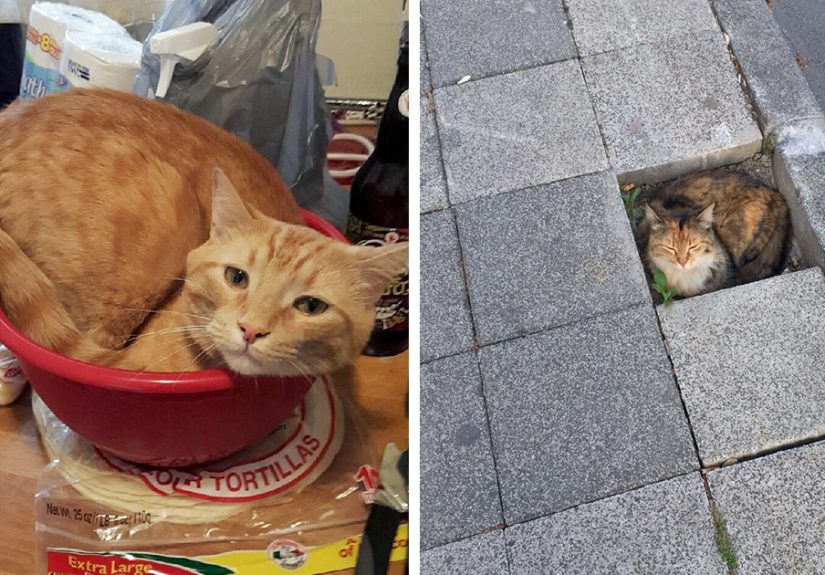
If the internet has taught humanity anything, it is this: cats do not recognize the laws of geometry, dignity, or personal space. Give a cat a shoebox, a salad bowl, a laundry basket, a laptop sleeve, or a suspiciously tiny Amazon box, and that cat will look you dead in the eye and say, without words, “Yes. This is my throne now.” That glorious little habit is why “If I Fits I Sits” became one of the most beloved cat-photo themes online.
But behind the laughs, the squished loaf poses, and the tail that somehow hangs out while the rest of the cat insists it is “fully contained,” there is a real story about feline behavior. Cats are drawn to snug spaces for comfort, security, warmth, and a sense of control. So if you want to post a photo of your cat in an “If I Fits I Sits” situation, you are not just joining a meme. You are documenting peak cat logic in its natural habitat.
This article covers why cats love tiny spaces, how to capture funny and safe photos, what kinds of “fits” make the best content, and how to turn your cat’s tiny-space obsession into a post people will actually stop scrolling for. At the end, you’ll also find a longer set of real-life-style experiences inspired by this wonderfully ridiculous cat behaviorbecause once you live with a box-loving cat, every delivery becomes a photo opportunity.
What “If I Fits I Sits” Really Means
The phrase sounds like a joke, and it is, but it also lines up with normal feline instincts. Cats often prefer enclosed or partially enclosed spaces because those spots feel protected. In a small space, they can rest, hide, watch the room, and avoid being surprised from every angle. A box, basket, sink, drawer, or cubby gives a cat the feline version of a private suite with security cameras.
Warmth matters, too. Cardboard and other compact surfaces can feel cozy, and when a cat curls into a tight little crescent roll, that posture helps conserve body heat. Translation: your cat may look like a comedian, but your cat may also be very comfortable while performing that comedy.
There is also the enrichment factor. Boxes and small spaces invite investigation. They are hiding places, nap spots, ambush stations, and observation decks all at once. To a cat, a random container is not clutter. It is a limited-edition lifestyle upgrade.
Why Cats Love Tiny Spaces So Much
1. Small spaces feel safe
Cats like having a retreat. In an enclosed spot, they can monitor what is happening without feeling exposed. This is especially true in busy homes with kids, guests, dogs, or other cats. A small space gives them a buffer from chaos and a way to decompress without filing a formal complaint.
2. Tiny spots are warm and comforting
Boxes, baskets, folded blankets, and sinks can hold heat better than open spaces. Many cats naturally seek out warm, secure places for rest. That is why your cat may ignore the expensive plush bed you bought and choose the empty shipping box it came in. Financially insulting? Yes. Very on-brand? Also yes.
3. Cats are curious little weirdos
Cats investigate new objects because novelty is interesting. A new package on the floor is not just an object; it is an event. The smell is new. The texture is new. The shape is new. Naturally, your cat must inspect it immediately and then sit in it as if they personally ordered it.
4. Small spaces support stalking behavior
Cats are hunters by instinct, and hiding places let them observe before pouncing. Even if the “prey” is only a shoelace, a toy mouse, or your ankle walking innocently past the hallway, the small-space setup is still part of the appeal.
5. Boxes can reduce stress
Research on shelter cats has found that access to hiding boxes can help reduce stress, especially during the first days in a new environment. That does not mean every cardboard box is magic, but it does help explain why so many cats seem calmer when they have a cozy little hideout nearby.
The Best “If I Fits I Sits” Photo Situations
If your goal is a funny, scroll-stopping cat photo, the best setups are the ones that look absurd but are still safe and low-stress for your cat. Some classics never fail.
Shoeboxes
The gold standard. Nothing says “If I Fits I Sits” like a full-grown cat attempting to occupy a box clearly designed for one sandal and a warranty card. Bonus points if the cat’s face says, “I see no problem here.”
Laundry baskets
Fresh towels? Warm clothes? A woven container with cozy edges? To your cat, that is not laundry. That is luxury real estate. The best photos usually happen when the cat settles in like a tiny emperor of folded cotton.
Bathroom sinks
Sinks are famously cat-approved because they are rounded, cool, and surprisingly body-shaped. It is one of the funniest examples of a cat choosing architecture over furniture.
Desk drawers
If your cat opens a drawer with their body and settles in among pens, sticky notes, and receipts from three years ago, congratulations: your office now has middle management.
Reusable tote bags and soft bins
Soft-sided containers make cats look even more ridiculous because the shape molds around them like liquid. This is where the internet’s long-running joke that cats are part solid, part fluid starts to feel emotionally true.
Paper boxes and shipping cartons
These are timeless because they create an instant visual punchline. Human spends money on item. Cat claims packaging. Everyone knows the script.
How to Take the Photo Without Stressing Your Cat
There is a big difference between noticing a funny cat moment and manufacturing one badly. The best “If I Fits I Sits” photos happen when your cat chooses the space on their own. Your job is to observe, grab your phone, and try not to laugh so hard that you scare them out of the scene.
Let the cat make the first move
Do not stuff your cat into a container for a photo. If the cat climbs in naturally, great. If not, let the moment go. Forced poses usually look awkward anyway, and your cat will remember your nonsense.
Use treats or toys gently
If you want your cat to linger, a nearby treat or a favorite toy can help, but keep it easy. You are encouraging a natural moment, not directing a blockbuster.
Watch body language
A relaxed cat looks very different from a stressed cat. If your cat is crouched low, stiff, restless, tail-thrashing, flattening their ears, or showing wide, worried eyes, stop the photo session. A funny picture is never worth making your cat feel trapped or overwhelmed.
Keep the environment quiet
Sudden noises, children rushing over, or another pet crowding the scene can ruin the moment fast. Calm settings usually produce the best photos because your cat actually settles in instead of plotting escape.
Take several quick shots
Cats are not known for honoring your creative vision. Snap a burst of photos quickly, because the expression you want may last half a second before your cat yawns, blinks, or decides to sit facing the wall like a tiny furry philosopher.
Safety Rules for “If I Fits I Sits” Photos
This is the part where the fun article puts on responsible shoes for a minute. Some “cute” spaces are not safe. If you post cat photos regularly, it helps to know where the line is.
Avoid plastic bags and narrow containers
Plastic bags, chip bags, and containers with risky openings can be dangerous. They can trap, tangle, or suffocate a cat. If the object crinkles, collapses, or has a neck opening, it is better as a recycling item than a photo prop.
Check washers, dryers, and appliances
Cats love hidden nooks, which means laundry rooms are not joke territory. Always check washers and dryers before shutting doors or starting a cycle. The same goes for dishwashers, ovens, and other appliances with tempting hiding spots.
Be careful with recliners and fold-out furniture
Cats can crawl into mechanisms that are hard to see. Reclining chairs, sleeper sofas, and similar furniture are not safe “fit” situations, no matter how adorable the setup might look.
Skip anything breakable, hot, or unstable
A cat in a ceramic bowl may look funny until the bowl slips. A cat on a warm stove is never funny. A cat in a wobbly tower of decorative baskets is basically a lawsuit waiting to happen. Stable, roomy-enough, low-risk options win every time.
Respect older cats and kittens
Senior cats may have joint pain, and kittens can get into trouble fast. For older cats, choose low-sided, easy-access spaces. For kittens, supervise closely and avoid any object with holes, cords, or tight edges.
How to Make Your Post More Engaging
A cute cat photo does a lot of the work, but a good caption seals the deal. The internet loves a cat with a point of view.
Write the caption in your cat’s voice
Examples:
- “I measured it with my spirit, and it fits.”
- “This box is legally mine now.”
- “You bought shoes. I bought property.”
- “Interior design is about confidence.”
Tell the tiny story
A little context makes the post stronger. Maybe your cat ignored a fancy bed for two weeks and then chose a fruit bowl. Maybe they spent 30 seconds examining a huge new package and then selected the smallest lid instead. Those details make the image feel specific and shareable.
Use natural SEO-friendly phrasing if you are publishing on a blog
If this content is going on your site, work in phrases like if I fits I sits cat, funny cat photo ideas, why cats like small spaces, cats in boxes, and cat behavior in boxes naturally. No keyword stuffing. This is a cat article, not a hostage negotiation with a search engine.
Common Mistakes People Make
Trying too hard
The best cat content feels caught, not staged. If you are sweating over props while your cat is in another room licking a sock, you have lost the plot.
Ignoring warning signs
If the cat looks tense, irritated, or ready to bolt, the session is over. A flattened-ear, thrashing-tail photo is not quirky. It is your cue to back off.
Using unsafe spaces just because they are funny
Funny is not a free pass. Skip risky containers, hot surfaces, unstable objects, and hidden mechanical spaces.
Overediting the image
You do not need a neon filter and six stickers to make a cat in a bread basket amusing. Trust the material. The cat is already doing the heavy lifting.
Why This Trend Never Gets Old
“If I Fits I Sits” works because it combines two things people never get tired of: cats being unintentionally hilarious and everyday objects becoming accidental comedy stages. It is relatable, easy to participate in, and grounded in genuine feline behavior. You do not need a costume, a trick, or a studio setup. You just need a cat, a weirdly small space, and the readiness to document nonsense at a moment’s notice.
At its best, this kind of post is more than a joke. It shows personality. Some cats loaf elegantly. Some ooze into bins like furry pudding. Some wedge one paw into a container and seem to decide that partial commitment counts. Every version tells you something about the cat: bold, curious, sleepy, nosy, dramatic, or deeply committed to chaos.
Extra Experiences: Life With an “If I Fits I Sits” Cat
The first time it happens, you laugh because it seems accidental. Your cat climbs into a box that is obviously too small, folds into it like a fuzzy taco, and stares at you as though you are the one with poor judgment. Then it happens again in a basket. Then in the bathroom sink. Then in the open drawer where you keep envelopes and batteries. Before long, you realize you do not own a cat so much as live with a self-appointed space inspector.
One of the funniest parts is how fast the decision happens. You can spend ten minutes opening a package, cutting tape, breaking down cardboard, and moving packing paper out of the way. The cat appears out of nowhere, performs a single sniff, and enters the box before the item you ordered is even fully out. It feels less like curiosity and more like a hostile takeover. The product is yours. The packaging belongs to management.
Then there are the moments when the cat chooses an option so unreasonable that you start questioning physics. A fruit bowl. A hat box lid. A tiny cloth storage cube meant for socks. A paper tray on the desk that can barely support one notebook. Somehow, the cat settles in and looks serene, as if this was the obvious purpose of the object all along. You stand there with your phone, trying not to shake from laughter, while the cat radiates complete confidence.
Households with more than one cat get even better material. One cat finds the box, another cat wants the box, and suddenly the living room turns into a silent real-estate dispute. Sometimes they rotate politely in shifts. Sometimes one cat sits halfway in just to block the other. Sometimes both attempt to occupy the same tiny basket and create a furry sculpture that should probably be displayed in a museum of poor decisions.
What makes these experiences so memorable is that they are ordinary and ridiculous at the same time. No one plans them. They happen between laundry loads, during work calls, after grocery runs, or when you are just trying to put away shoes. A normal day turns into a comedy sketch because your cat has decided that the six-inch gap between folded blankets is now a luxury condo. And naturally, once you notice the pattern, you start seeing potential “fits” everywhere. A shallow drawer? Maybe. A clean casserole dish? Absolutely not, but your cat is considering it.
That is why people keep posting these photos. They capture a very specific kind of joy: the kind that sneaks up on you in the middle of daily life and makes you laugh out loud at an animal who is completely serious. To your cat, the tiny space is practical, cozy, strategic, and perfectly acceptable. To everyone else, it is comedy gold. And that gap between what the cat believes and what humans see is exactly what makes “If I Fits I Sits” such an unbeatable internet tradition.
Conclusion
If you want to post a photo of your cat in an “If I Fits I Sits” situation, the winning formula is simple: let the moment happen naturally, keep it safe, watch your cat’s comfort level, and lean into the humor. The best photos are the ones that combine genuine feline behavior with everyday absurdity. A cat in a tiny box is funny. A cat in a tiny box looking proud of it is legendary.
So go aheadkeep your camera ready, leave out the safe cardboard box, and let your cat continue their important research into spatial denial. The internet will thank you. Your cat will not. Your cat believes this is serious work.