Table of Contents >> Show >> Hide
- What Is Pregnancy Gingivitis (and Why Are My Gums So Dramatic)?
- Why It Happens: The Short Science (No Lab Coat Required)
- Why You Should Treat It (Even If It Seems “Normal”)
- Prevention: The Daily Routine That Actually Works
- Dental Visits During Pregnancy: Safe, Smart, and Often Overdue
- Treatment Options: What Your Dentist Might Recommend
- Pregnancy Tumors (Pyogenic Granuloma): The Scary Name for a Usually Benign Problem
- When to Call the Dentist (or Prenatal Provider) ASAP
- Frequently Asked Questions
- Real-World Experiences: What People Commonly Go Through (and What Helps)
- Experience #1: “I started bleeding, so I stopped flossing…”
- Experience #2: “Toothpaste makes me gag now.”
- Experience #3: “I’m snacking constantly and my mouth feels gross.”
- Experience #4: “I found a weird red bump on my gum and panicked.”
- Experience #5: “I was embarrassed to go to the dentist while pregnant.”
Pregnancy changes a lot of thingsyour cravings, your sleep, your ability to smell someone’s lunch from three zip codes away.
And sometimes it changes your gums, too. If your gums are suddenly tender, puffy, or bleeding like they’re auditioning for a soap opera,
you may be dealing with pregnancy gingivitis.
The good news: pregnancy gingivitis is common, usually manageable, and it often improves after delivery.
The even better news: you can do a lot at home, and it’s generally safe to get dental care while you’re pregnant.
This guide breaks down what’s happening, how to prevent it, and what treatments actually helpwithout turning your bathroom mirror into a lecture hall.
(But yes, we’re still going to talk about flossing. Sorry. It’s the law.)
What Is Pregnancy Gingivitis (and Why Are My Gums So Dramatic)?
Pregnancy gingivitis is inflammation of the gums that shows up during pregnancy. “Gingivitis” is the early, reversible stage of gum disease.
During pregnancy, hormone shifts can make your gums more sensitive to plaque (the sticky film of bacteria on teeth), which can trigger swelling, redness,
tenderness, and bleedingeven if your routine hasn’t changed much.
Typical signs
- Bleeding when brushing or flossing
- Red, swollen, or shiny-looking gums
- Gum tenderness (especially near the gumline)
- Bad breath that doesn’t quit, even after a mint
Pregnancy gingivitis commonly kicks in during the first or early second trimester and can ramp up if plaque builds up or brushing/flossing becomes harder
(hello, nausea and exhaustion). It’s not “your body failing.” It’s your gums reacting extra strongly to normal mouth bacteria while your hormones are doing
their thing.
Why It Happens: The Short Science (No Lab Coat Required)
Think of pregnancy hormones as turning up the “volume” on your gums’ immune response. You don’t suddenly become allergic to your toothbrush.
Instead, your gums may react more intensely to plaque and irritation.
Common contributors
- Hormone shifts that increase blood flow and gum sensitivity
- Plaque buildup along the gumline (the #1 most fixable factor)
- Morning sickness / vomiting (acid + discomfort can derail routines)
- Frequent snacking (more “food time” for bacteria)
- Pre-pregnancy gingivitis that gets worse during pregnancy
None of this means you did anything “wrong.” But it does mean the smallest improvements in daily oral hygiene can pay off big, fast.
Why You Should Treat It (Even If It Seems “Normal”)
Mild gum bleeding can feel like an annoying pregnancy side quest. But untreated gingivitis can progress to periodontitis,
a deeper gum infection that can damage the tissues and bone supporting your teeth. That’s where gum recession, loose teeth, and more serious problems can begin.
Also: inflamed gums are uncomfortable. They can make eating harder, brushing more unpleasant, and dental visits more urgent later.
Treating it early is usually simpler, cheaper, and less stressful (which is a big deal when you’re already juggling appointments, fatigue,
and the mysterious urge to cry at commercials).
Prevention: The Daily Routine That Actually Works
The goal is simple: remove plaque gently and consistently so your gums have less to react to. You don’t need a 12-step ritual or a sink full of fancy gadgets.
You need the basicsdone well.
1) Brush twice a day (softly, not like you’re sanding a deck)
- Use a soft-bristled toothbrush (manual or electric is fine).
- Angle the bristles toward the gumline and use small circles.
- Brush for about two minutes, especially along the gumline.
- If mint toothpaste triggers nausea, try a milder flavor (kids’ fluoride toothpaste can be a temporary lifesaverask your dentist for suggestions).
2) Floss daily (yeseven if you see blood)
Many people stop flossing because they see bleeding. Unfortunately, that’s like refusing to mop because the floor is dirty.
If the bleeding is from inflamed gums, gentle daily flossing often improves it by reducing plaque between teeth.
- Slide floss gently under the gumlinedon’t “snap” it down.
- If floss is tricky, try interdental brushes or floss picks (whatever keeps you consistent).
- If one spot bleeds heavily for more than a week or two, call your dentist for an exam.
3) Rinse smart (especially if you’re dealing with nausea)
If you vomit, the acid can soften enamel. Brushing immediately can be harsh on the softened surface.
A more enamel-friendly move is to rinse first, then brush later.
- After vomiting: rinse with plain water, or a baking soda-and-water rinse (commonly recommended as 1 teaspoon baking soda in 1 cup water).
- Wait before brushing (many dental guidance resources suggest around 30–60 minutes).
- If you’re unsure what’s best for you, ask your dentistespecially if vomiting is frequent.
4) Snack with strategy
Pregnancy hunger is real. Instead of fighting it, outsmart it.
Bacteria love frequent sugar and starch exposure, so keep snacks tooth-friendlier when you can:
- Choose cheese, yogurt (unsweetened if possible), nuts, eggs, veggies, and whole fruits.
- Limit sticky sweets and sipping sugary drinks throughout the day.
- Drink water between snacksfluoridated tap water (where available) can support enamel.
Dental Visits During Pregnancy: Safe, Smart, and Often Overdue
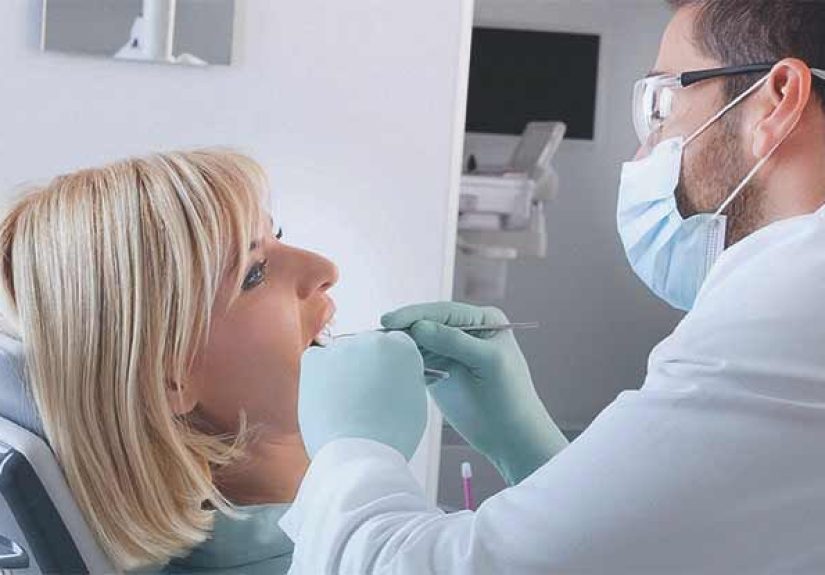
A common myth is that dental care should be postponed until after pregnancy. In reality, routine and emergency dental care are generally considered safe
during pregnancy, and delaying treatment can make problems bigger (and more painful).
What to book
- Dental cleaning (professional plaque/tartar removal helps a lot)
- Gum check (your dentist can measure gum inflammation and pockets)
- Treatment for active problems (like painful infections or cavities)
What about X-rays and numbing?
If your dentist needs imaging to diagnose a real problem, dental radiographs are widely described as safe during pregnancy when clinically indicated.
Local anesthetics used for dental work are also commonly considered safe. The key is communication:
tell your dental team you’re pregnant and share any medical guidance from your prenatal provider.
A quick “tell your dentist” checklist
- How far along you are
- Any pregnancy complications your care team has mentioned
- All medications and supplements you’re taking
- Any nausea triggers (so they can plan breaks and positioning)
Treatment Options: What Your Dentist Might Recommend
Treatment depends on severity. Mild pregnancy gingivitis often improves with better daily plaque control plus a professional cleaning.
More stubborn cases may need deeper cleaning or additional supportive care.
1) Professional cleaning
This is often the biggest “turning point.” Even great brushers can’t remove hardened tartar at home.
Once tartar is off the teeth, gums often calm down noticeably.
2) Scaling (and sometimes root planing)
If inflammation is more advanced, your dentist may recommend deeper cleaning below the gumline to reduce bacteria and tartar.
This isn’t “extra.” It’s preventing gingivitis from becoming something that follows you long after pregnancy.
3) Mouth rinses (short-term, targeted use)
Some patients benefit from antiseptic rinses, but pregnancy is not the time for DIY chemistry experiments.
Use only what your dentist recommends, and follow directions closely. Overuse of strong rinses can irritate tissues or create other issues.
4) Treating cavities and infections
Tooth decay and gum inflammation can team up in miserable ways. If you have tooth pain, swelling, or signs of infection,
don’t “tough it out.” Treating the source is usually safer than letting an infection smolder.
Pregnancy Tumors (Pyogenic Granuloma): The Scary Name for a Usually Benign Problem
Some pregnant people develop a red, berry-like gum growthoften between teeththat bleeds easily.
It’s sometimes called a pregnancy tumor or pyogenic granuloma, and it’s typically benign.
These growths are often linked to irritation and plaque plus pregnancy hormones.
Many shrink after delivery, but you should still have any new lump checkedespecially if it bleeds a lot, hurts,
interferes with eating, or seems to grow quickly.
What helps
- Meticulous plaque control (brush/floss gently but consistently)
- Professional cleaning and evaluation
- Removal only if necessary (your dentist will weigh timing and symptoms)
When to Call the Dentist (or Prenatal Provider) ASAP
Mild bleeding with brushing can be common. These signs are not “wait and see” situations:
- Severe pain, swelling, or a toothache that won’t quit
- Pus along the gumline, a bad taste, or fever
- Gums pulling away from teeth or teeth feeling loose
- Bleeding that is heavy, spontaneous, or worsening fast
- A new gum lump that grows quickly or interferes with chewing
If something feels truly off, trust that instinct and get evaluated. It’s easier to treat problems early.
Frequently Asked Questions
Will pregnancy gingivitis go away after birth?
Often, yesmany people notice gum inflammation improves postpartum. But gingivitis doesn’t vanish by magic if plaque and tartar remain.
Keep up dental visits after delivery (even if your schedule becomes “baby o’clock” 24/7).
Is bleeding while flossing normal?
Bleeding is a sign of inflammation. The cause is commonly plaque at the gumline or between teeth.
Gentle daily flossing plus a cleaning often improves bleedingstopping flossing typically makes it worse.
Can I use whitening products while pregnant?
Many dental professionals recommend postponing elective whitening during pregnancyless because it’s proven harmful and more because it’s not essential,
and pregnancy can make gums more sensitive. If whitening is important to you, ask your dentist what’s appropriate.
Real-World Experiences: What People Commonly Go Through (and What Helps)
The “how-to” steps matter, but so does the reality of living in a body that’s doing a full-time construction project. Below are experiences commonly shared
in dental offices and prenatal check-insalong with practical takeaways.
Experience #1: “I started bleeding, so I stopped flossing…”
This is one of the most common stories. Someone notices blood in the sink and assumes flossing is the problemso they quit. A week later,
the bleeding is worse, breath is funky, and gums are puffier. What’s happening is usually the opposite of what it feels like:
inflamed gums bleed because plaque is sitting there. Once plaque is disturbed and removed daily, gums can finally calm down.
The fix is often gentle consistency: floss slowly, don’t snap, and commit to a week or two of daily plaque removal.
Many people are surprised how quickly bleeding starts to improve when they keep going.
Experience #2: “Toothpaste makes me gag now.”
Pregnancy can make flavors and textures unbearable. People describe mint toothpaste as “spicy” or “a betrayal.”
If brushing becomes a nausea trigger, the goal shifts from “perfect routine” to “doable routine.”
Switching to a mild flavor, trying a smaller brush head, brushing at a different time of day, or brushing in short bursts with breaks can help.
Some people also find it easier to brush in the shower (less smell intensity, quick rinse).
The point: if brushing is hard, adapt the routine instead of abandoning itbecause plaque is not taking maternity leave.
Experience #3: “I’m snacking constantly and my mouth feels gross.”
Frequent eating is normal in pregnancynausea management, blood sugar control, and plain hunger can all require it.
The downside is that frequent snacks keep mouth bacteria well-fed. A common solution is “micro-habits”:
keep water nearby, rinse after snacks when possible, and choose tooth-friendlier options more often.
People also report that carrying floss picks or interdental brushes helps because you can do a quick clean without needing a full bathroom setup.
It’s not about perfection; it’s about reducing how long plaque gets to hang out undisturbed.
Experience #4: “I found a weird red bump on my gum and panicked.”
Gum growths can be scary. Many describe them as looking like a raspberry, bleeding easily, or appearing between teeth.
It’s common to jump straight to worst-case thoughts. In many cases, these growths are benign pregnancy-related lesions linked to irritation and hormones,
and they often shrink after delivery. But people feel better once a dentist confirms what it is, checks for irritation sources,
and gives a plan (usually improved hygiene, cleaning, and monitoring). The emotional takeaway is important:
pregnancy already comes with enough “Is this normal?!” momentsgetting it checked is worth the peace of mind.
Experience #5: “I was embarrassed to go to the dentist while pregnant.”
Some people worry the dentist will judge them for bleeding gums or cavities. In reality, pregnancy is a known risk period for gum inflammation,
and dental teams see it all the time. Many patients report feeling relieved after a cleaning because discomfort drops, gums look better,
and they finally stop feeling like they’re “failing” at oral care. If anxiety is part of the barrier, it helps to say it out loud when booking:
“I’m pregnant and my gums are bleedingI’m nervous and I’d like a gentle appointment.” That single sentence can change the whole tone of the visit.
Bottom line from real-life patterns: pregnancy gingivitis is common, but it’s not something you have to just tolerate.
Small, steady habitsplus professional supporttend to work. And you deserve a mouth that feels comfortable while you’re busy growing a human.