Table of Contents >> Show >> Hide
- What counts as a preventive screening at-home test?
- Why at-home screening can be a big deal (even if you hate medical stuff)
- The at-home tests that actually pull their weight
- 1) Colorectal cancer screening: stool tests you do at home
- 2) HIV self-testing at home
- 3) At-home STI sample collection (chlamydia and gonorrheaand beyond)
- 4) Blood pressure monitoring at home (screening for hypertension)
- 5) Cholesterol and A1C home tests (cardiometabolic screening support)
- 6) “Self-collection” cervical cancer screening isn’t fully at-home (yet)
- How to choose a trustworthy at-home test (and avoid buying anxiety in a box)
- Interpreting results without spiraling
- When to skip the kit and go straight to a clinician
- Making at-home preventive screening part of real life
- Real-world experiences with preventive screening at-home tests (what it’s like when real humans do this)
- Conclusion
- SEO tags (JSON)
Your future self called. They’d like you to do one small thing today that could prevent a big, expensive, time-consuming problem later. And yesideally that “small thing” can happen in sweatpants.
Preventive screening at-home tests have exploded in popularity because they remove the biggest barriers to screening: scheduling, transportation, awkward waiting rooms, and the timeless fear of “What if they find something?” The goal isn’t to replace your doctor. The goal is to help you catch issues earlierwhen they’re easier (and usually cheaper) to treat.
What counts as a preventive screening at-home test?
“At-home test” can mean two very different things, and the difference matters:
- Home-use tests (rapid results at home): You collect the sample and get results yourselfoften in minutes. These are typically sold over the counter (OTC) and may be FDA-cleared for home use (think: some HIV tests or cholesterol self-tests).
- At-home collection + lab analysis: You collect a sample at home (stool, swab, urine, finger-stick blood spot), then mail it to a lab. Results come later through an online portal or app. Some are FDA authorized/cleared; many are performed in CLIA-certified labs.
In both cases, remember the golden rule of screening: a screening test doesn’t “diagnose”it flags risk. If a result is positive (or suspicious), the next step is confirmatory testing and a conversation with a clinician.
Why at-home screening can be a big deal (even if you hate medical stuff)
Screening works best when it actually happens. At-home options can help people who:
- Put off appointments because life is busy (or because waiting rooms feel like a group project you didn’t sign up for).
- Live far from clinics or have limited access to transportation.
- Want privacy for sensitive health topics like sexual health testing.
- Need frequent monitoring (like blood pressure) to confirm a patternnot just a single “white coat” reading.
But convenience comes with responsibility: you have to follow directions carefully, use reputable products, and act on results. A test that sits in a bathroom drawer is not preventive care. It’s just a tiny, expensive rectangle of guilt.
The at-home tests that actually pull their weight
Let’s talk about the home health test kits and home-collection screening tools that are most commonly used for prevention in the U.S.and what they’re good for.
1) Colorectal cancer screening: stool tests you do at home
Colorectal cancer screening is one of the clearest wins for at-home testing. For average-risk adults, major U.S. guidelines generally recommend starting screening around age 45 (earlier for higher-risk individuals), and stool-based tests are a recognized option. You collect at home, send the sample as directed, and if results are abnormal you follow uptypically with a colonoscopy.
Common at-home stool-based screening options include:
- FIT (fecal immunochemical test): looks for hidden blood in stool. Usually done annually. It’s straightforward, doesn’t require bowel prep, and can be a good fit (yes, pun intended) for people who’d rather not schedule a colonoscopy upfront.
- High-sensitivity gFOBT: another stool blood test, typically annually, but may have more “rules” depending on the kit.
- Stool DNA-FIT (multitarget stool DNA): combines a FIT-style blood check with DNA markers associated with colorectal cancer. Often done every 1–3 years depending on guideline and clinical context.
Practical tip: The most common way people “fail” a stool test is not biologyit’s logistics. Mislabeling, waiting too long to mail it, or collecting the sample incorrectly can lead to unusable results and delays. Treat it like returning a library book: do it carefully, do it promptly, and don’t “put it somewhere safe” where it disappears for six months.
If it’s positive: Don’t panicdo follow up. A positive screening test means “we should look closer,” not “you definitely have cancer.” The follow-up colonoscopy is what finds the cause and can remove polyps before they become cancer.
2) HIV self-testing at home
HIV screening is another area where at-home tests can meaningfully expand access. U.S. public health guidance generally supports routine HIV screening at least once for most people (with more frequent testing for those with ongoing risk factors).
The best-known home-use option is a rapid HIV self-test that detects antibodies. Here’s the key thing people miss: timing matters. Antibody-based tests can be negative early after exposure because the body hasn’t produced detectable antibodies yet. That “window period” can be up to about three months for some oral-fluid antibody self-testsso a negative test soon after exposure doesn’t always mean “all clear.”
If it’s positive: Treat it as preliminary and get confirmatory lab testing promptly. A screening test should never be your final word.
3) At-home STI sample collection (chlamydia and gonorrheaand beyond)
At-home STI testing has shifted from “sketchy internet kit” to “legit tool,” especially when tests are FDA authorized and processed by qualified labs. In late 2023, the FDA granted marketing authorization for the first diagnostic test for chlamydia and gonorrhea that includes at-home sample collection (the sample is collected at home and mailed to a lab).
These kits typically involve a vaginal swab or urine sample, then lab-based NAAT testing (a highly sensitive method). Many programs also include telehealth support for results counseling and next steps.
When it’s especially useful: routine screening, people who avoid clinics due to stigma, and communities with limited access to testing. When to go in-person instead: severe symptoms, known exposure with urgent treatment needs, pelvic pain, fever, pregnancy concerns, or anything that feels “this is not a wait-and-see situation.”
4) Blood pressure monitoring at home (screening for hypertension)
High blood pressure is common, often silent, and incredibly worth catching early. Home monitoring helps in two big ways: it can uncover undiagnosed hypertension, and it can confirm whether elevated readings are consistentor just a one-off spike from stress, caffeine, or sprinting from the parking lot like you’re in an action movie.
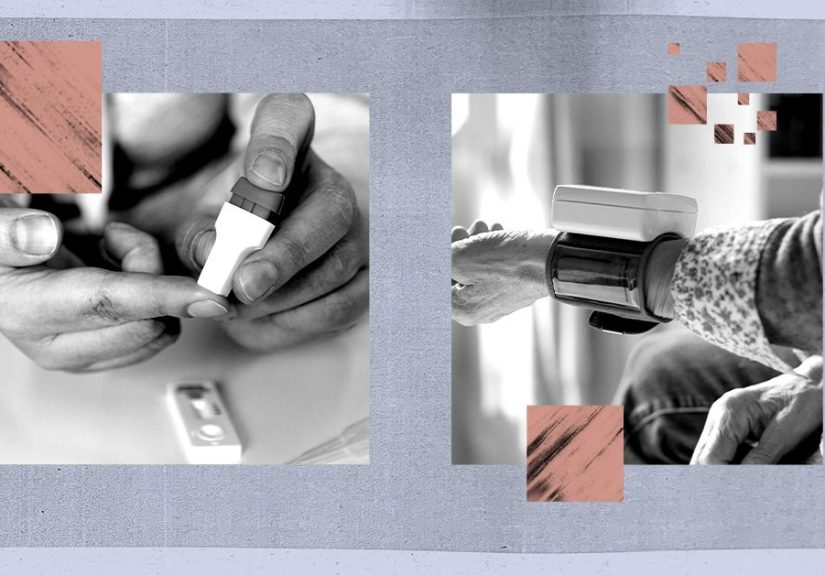
For accuracy, major heart-health organizations recommend an automatic, upper-arm cuff-style monitor (wrist/finger devices tend to be less reliable), and they emphasize using a validated device and correct cuff size. Technique matters more than people expect: sit quietly, feet on the floor, arm supported at heart level, and take multiple readings.
Think of it like weighing ingredients for baking: “close enough” can turn into a totally different outcome.
5) Cholesterol and A1C home tests (cardiometabolic screening support)
If your goal is preventionheart disease risk reduction, diabetes detection, and overall metabolic healthhome testing can be a useful complement, especially for people who struggle to get routine labs.
- Home cholesterol tests: Some home cholesterol tests can be reasonably accurate, but results depend heavily on using the kit correctly and understanding what it measures (some tests give only total cholesterol, while clinical lipid panels include LDL, HDL, triglycerides, and more). Use results to start a conversation with a clinician, not to self-prescribe a lifestyle overhaul based on one number.
- A1C home kits: A1C reflects average blood glucose over about 2–3 months and is commonly used for diabetes screening and monitoring. There are home A1C options (including rapid self-check kits and mail-in kits), but they’re best used as part of a broader care plan. If your A1C is in the prediabetes or diabetes range, you’ll want confirmation and guidance on next steps.
Reality check: At-home cardiometabolic tests are most helpful for trend-tracking and screening supportnot replacing clinical care, especially if you have symptoms or significant risk factors.
6) “Self-collection” cervical cancer screening isn’t fully at-home (yet)
You may have heard headlines about HPV self-collection. Here’s the nuance: as of recent FDA-expanded approvals, some HPV tests allow a person to collect their own vaginal sample, but it must be done in a health care setting (like a clinic, pharmacy, or mobile clinic), not at home. This is still a big access win for people who can’t or don’t want a pelvic exambut it’s not the same as a mail-it-from-your-couch test.
How to choose a trustworthy at-home test (and avoid buying anxiety in a box)
A good preventive screening at-home test should be boring in the best way: clear instructions, transparent limitations, and a pathway to follow-up care. Use this checklist before you click “Add to cart”:
Look for legitimate oversight
- FDA clearance/authorization (especially for home-use tests or systems with at-home sample collection).
- CLIA-certified lab processing if it’s a mail-in kit.
- Clear instructions and clear limitations (what it can/can’t detect, timing, window periods, when to repeat).
Prefer tests with a real follow-up plan
- Results explanation written in plain English (not “Your biomarker is elevated; good luck!”).
- Access to a clinician or referral pathway for positives or ambiguous results.
- Guidance on confirmatory testing and treatment.
Be cautious with “mega-panels” that promise everything
Some companies sell giant panels that test dozens of markers with vague claims like “optimize wellness.” The more markers you test, the more likely you’ll get at least one abnormal resultsometimes a false alarm. If you’re screening without symptoms, it’s often smarter to choose targeted tests aligned with evidence-based guidelines.
Interpreting results without spiraling
Screening tests live in the land of probability. Here’s what the words usually mean:
- Negative: The test didn’t detect what it was looking for. It does not guarantee absence of diseaseespecially if you tested too early (window period), collected a poor sample, or have symptoms that need evaluation.
- Positive/abnormal: Something was detected. This is a “follow up” signal, not a verdict. Many positives are caused by non-cancerous or treatable issues.
- Invalid/unsatisfactory: The sample or process didn’t work. Annoying, yes. But it’s also data: you need a repeat test or a different method.
If you only remember one thing, make it this: a positive screening result is a doorway, not a diagnosis. Walk through it with confirmatory testing and professional guidance.
When to skip the kit and go straight to a clinician
At-home screening is designed for people who are generally well and screening proactively. You should bypass home testing and seek medical care if you have:
- Concerning symptoms (e.g., rectal bleeding, unexplained weight loss, persistent abdominal pain, chest pain, severe headaches, shortness of breath).
- Known high-risk history (strong family history, genetic syndromes, prior precancerous lesions, immunocompromise).
- Recent high-risk exposure where timing matters (some infections require prompt testing/treatment).
- A positive at-home screening that requires confirmatory testing.
Making at-home preventive screening part of real life
The best screening strategy is the one you’ll complete on schedule. A few practical ways to make that happen:
Build a “screening routine,” not a one-time project
- Pair tests with predictable calendar moments (birthday month, tax season, daylight saving timewhatever you’ll remember).
- Track results in one place (notes app, spreadsheet, patient portal, printed folderchoose your vibe).
- Share relevant results with your primary care clinician so they can interpret trends, not single numbers.
Understand coverage before you assume it’s “free”
Many preventive screening services are covered under U.S. insurance rules when done according to guidelines, but at-home kits vary. Some (like certain colorectal stool DNA tests) are covered under specific criteria for some insurers and programs. Always check your plan detailsespecially if a kit requires a prescription or follow-up procedure.
Real-world experiences with preventive screening at-home tests (what it’s like when real humans do this)
The internet makes at-home screening look effortless: someone smiles, drops a sample in a prepaid box, and magically becomes The Main Character of Preventive Care. Real life is messierin a totally normal way. Below are common experiences people report when they start using preventive screening at-home tests, along with what tends to help. (These are illustrative scenarios, not medical advice.)
Scenario 1: “I chose the stool test because I wasn’t ready for a colonoscopy.”
This is incredibly common. Many adults know colorectal cancer screening matters, but the idea of bowel prep and scheduling a procedure can feel like planning a small international trip. The FIT kit feels approachable: no time off work, no sedation, no elaborate prep. The most frequent “oops” moment? People set the kit aside waiting for a “perfect” day, then realize the expiration date is creeping up like a horror-movie villain. The fix is boring but effective: pick a date, put it on the calendar, do it that morning, and mail it the same day if instructions require prompt shipping. If the result is positive, people often feel a jolt of fearthen relief once they learn positives can come from benign causes and that follow-up colonoscopy is the actual diagnostic step. Many end up saying some version of: “I wish I’d done this sooner. The waiting was worse than the testing.”
Scenario 2: “My blood pressure is fine at the doctor… but weird at home.”
Home blood pressure monitoring can reveal patterns clinic readings miss, but it also reveals how sensitive blood pressure is to everything. People take a reading right after climbing stairs, arguing with customer service, or drinking a giant coffee and then wonder why the numbers look spicy. Once they learn the simple techniquesit quietly for five minutes, feet planted, arm supported, take two or three readings a minute apartresults often settle down. Some people discover the opposite problem: normal at home, high in the clinic (classic “white coat” effect). Either way, the experience tends to be empowering: instead of guessing, you bring your clinician a week of readings. That turns a vague worry into useful data.
Scenario 3: “I did an at-home STI test because I wanted privacy.”
Privacy is a major reason people choose at-home STI screening. The experience is usually positiveuntil the instructions get oddly specific about labeling, timing, and sample handling. That’s not companies being picky; it’s because lab testing depends on a good specimen. People who read the directions first (instead of mid-collection, while panicking) have a smoother time. The emotional curve can be intense: relief from taking action, anxiety while waiting for results, and then either peace of mind or a clear next step. When a result is positive, people often appreciate kits that include clear follow-up instructions and telehealth support rather than leaving them to Google at 2 a.m.
Scenario 4: “My cholesterol/A1C home test number surprised me.”
Cardiometabolic tests can deliver a wake-up callor a false sense of securityif used without context. People sometimes take a single result as a personal grade (“I am good” / “I am doomed”), when it’s really just one data point. The most helpful approach is trend-based: repeat on the recommended schedule, keep notes on major lifestyle changes, and confirm concerning results with clinical labs. Many people report that the biggest benefit isn’t the numberit’s the nudge. The test becomes a prompt to book a preventive visit, start walking after dinner, adjust nutrition, or finally ask about family history and risk.
The common thread in all these experiences is simple: at-home screening works best when it’s treated as part of a plan. Do the test correctly, interpret it calmly, and use the result to guide the next actionwhether that’s “repeat next year,” “confirm with a lab,” or “schedule the follow-up.” Preventive care isn’t a single heroic moment. It’s a bunch of small, mildly inconvenient decisions that add up to a healthier decade.
Conclusion
Preventive screening at-home tests can be powerful toolsespecially for colorectal cancer stool tests, HIV self-testing, at-home STI sample collection, and home blood pressure monitoring. The key is choosing reputable tests, following directions exactly, and treating results as a starting point for next steps. Screening isn’t about living in fear of numbers. It’s about using evidence-based tools to catch problems early, when you have more options and better outcomes.