Table of Contents >> Show >> Hide
- Pritikin Diet at a Glance
- What Is the Pritikin Diet?
- How the Pritikin Eating Plan Works
- Pritikin Diet Benefits
- Downsides and Potential Risks
- Who Should Try the Pritikin Diet?
- How to Follow Pritikin in a More Realistic, Sustainable Way
- Pritikin vs. Other Heart-Healthy Diets (DASH, Mediterranean, Ornish)
- FAQ
- Conclusion: Is the Pritikin Diet Worth It?
- Real-World Experiences: What Following Pritikin Feels Like (The Extra )
The Pritikin Diet is like that super-organized friend who labels their spice rack and does yoga at sunrise: impressive, a little intense, and (depending on your personality) either deeply comforting or mildly terrifying. If you’ve heard it’s a “heart-healthy, ultra-low-fat” eating plan that can improve cholesterol and blood pressure, you’ve heard the headline. This review is the full movieplot twists included.
We’ll break down what the Pritikin Program actually is, what you eat (and what it basically side-eyes out of your pantry), the evidence-backed benefits, the real-world downsides, and how to follow it without feeling like you’ve been grounded from flavor.
Quick note: This is educational content, not medical advice. If you take meds for blood pressure, diabetes, or heart disease, talk to your clinician before making major changes.
Pritikin Diet at a Glance
| Type | Very low-fat, high-fiber, mostly plant-forward whole-food plan |
|---|---|
| Main goal | Improve cardiovascular risk factors (cholesterol, blood pressure), support weight management |
| Best for | People who like structure and want a heart-health-focused lifestyle reset |
| Hardest part | Keeping it sustainable long-term (especially the “no oils” vibe) |
| Signature feature | Stoplight food system + exercise + stress-management “whole lifestyle” approach |
What Is the Pritikin Diet?
The Pritikin Diet grew out of the work of Nathan Pritikin and became popular in the late 1970s and 1980s. It’s not just a meal planit’s a full lifestyle program that combines eating habits, physical activity, and stress management. Think: nutrition + movement + mindset, served with a side of “we’re doing this properly.”
The Core Philosophy
Pritikin centers on minimally processed foods that are naturally high in fiber and lower in calorie density. The plan is famous (and sometimes infamous) for being very low in fat and strongly discouraging added oils. Instead of “keto macros” or “count your points,” you’re guided by food quality and a stoplight-style list.
The Pritikin Program vs. “Just a Diet”
Many diets live and die by what’s on your plate. Pritikin also cares about what’s on your calendar. The full Pritikin Program emphasizes:
- Food: whole grains, vegetables, fruit, legumes, lean proteins, and low-fat choices
- Exercise: consistent daily movement (a mix of aerobic activity and strength work)
- Stress management: practical tools like journaling, mindfulness, social support, and yeslaughter
That combination is why you’ll see Pritikin show up not only in diet conversations, but also in cardiac rehabilitation settings.
How the Pritikin Eating Plan Works
Pritikin is typically described as high in complex carbohydrates, high in fiber, and very low in fat. Different materials describe the macro targets slightly differently, but the “north star” is clear: keep fat low, keep foods whole, and keep your plate looking like a farmers market had a party.
The Stoplight System: Go, Caution, Stop
Pritikin organizes foods into three categories. This is helpful if you love clarity, and less helpful if you prefer your nutrition advice in the form of “vibes.”
“Go” Foods (Your Main Characters)
- Vegetables (especially non-starchy veggies)
- Fruit
- Whole grains (oats, brown rice, quinoa, whole-wheat options)
- Legumes (beans, lentils, peas)
- Starchy vegetables (like potatoes, squash) in reasonable portions
- Lean proteins (fish and very lean poultry in some versions; plant proteins are emphasized)
- Fat-free or very low-fat dairy / fortified alternatives (depending on the plan version)
“Caution” Foods (Not Villains, Just… Dramatic)
These are foods Pritikin says to limit, largely because they raise saturated fat, dietary cholesterol, sodium, or calorie density.
- Saturated-fat-rich foods (butter, fatty meats, many full-fat dairy foods)
- Processed meats (bacon, hot dogs, etc.)
- Egg yolks
- High-saturated-fat oils (like coconut oil) and hydrogenated/partially hydrogenated fats
“Stop” Foods (The No-Fly List)
- Added oils (yes, even olive oilthis is where Pritikin gets spicy)
- Refined sweeteners (sugar, syrups, honey)
- Refined grains (white bread, white pasta, white rice)
- Added salt (and very salty processed foods)
What a Typical Pritikin Plate Looks Like
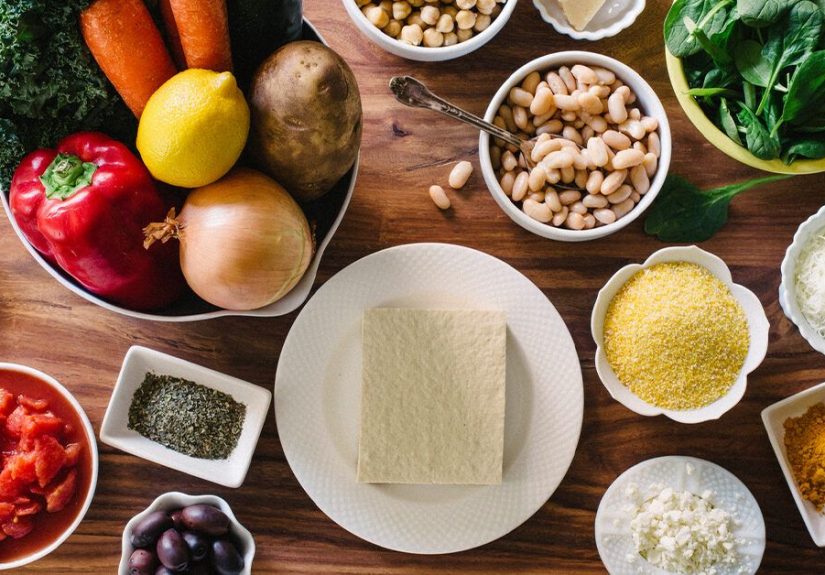
If you’re visual, picture this: half the plate is vegetables, a quarter is whole grains or starchy vegetables, and a quarter is lean protein (often beans/lentils). Fruit shows up as dessert because, in the Pritikin universe, dessert is allowed… as long as it grew on a tree.
Pritikin Diet Benefits
The biggest reason people try Pritikin is simple: heart health. A very low-fat, high-fiber, minimally processed diet pattern can improve several cardiovascular risk markers, especially when paired with regular exercise and stress management.
1) Better Cholesterol Numbers (Often Quickly)
Very low-fat, high-fiber diets tend to lower LDL (“bad”) cholesterol by reducing saturated fat and dietary cholesterol while increasing soluble fiber (think oats, beans, barley). Many Pritikin-style approaches also reduce calorie density, which can support weight lossanother cholesterol helper.
Pritikin’s own program materials frequently highlight short-term improvements seen in structured settings. Independent research on intensive lifestyle and cardiac rehab programs that include nutrition education also supports meaningful improvements in dietary quality and health indices.
2) Blood Pressure Support
When you eat more whole foods and fewer packaged salty foods, your sodium intake often drops automatically (even before you start reading labels like it’s your new hobby). Add high potassium foods (fruits, vegetables, legumes), plus regular activity, and blood pressure can improve.
Also: some people experience noticeable fluid shifts early in very low-fat, low-sodium eating patterns. If you’re on blood pressure meds or diuretics, this is a “talk to your clinician first” momentnot a “YOLO, kale” moment.
3) Weight Loss (Without Counting Every Almond)
Pritikin is not marketed as a classic weight-loss gimmick diet, but many people lose weight because:
- Meals are higher in fiber and volume, which supports fullness
- Ultra-processed foods (often calorie-dense) are limited
- Daily movement is baked into the plan
This approach can be especially helpful for people who do better with “eat more of these foods” rather than “log every bite.” The tradeoff is that the rules can feel strict, which leads us directly to…
4) A Lifestyle Structure That Can Be Powerful
One underrated benefit of the Pritikin Program is that it treats health like a three-legged stool: food, movement, and mindset. In structured rehab and education settings, people often improve not just lab numbers, but also fitness measures and quality-of-life scoresbecause behavior change is easier when you’re taught skills, not just handed a “do better” sticker.
Downsides and Potential Risks
Pritikin has real strengths, but it’s not a magical nutrition unicorn. It’s more like a very earnest golden retriever: wonderful intentions, occasionally knocks over the coffee table.
1) It’s Extremely Low-Fat (and That Can Backfire)
Pritikin’s defining featurevery low fatcan be a downside for some people. Dietary fats help with:
- Satiety (feeling satisfied after meals)
- Absorption of fat-soluble vitamins (A, D, E, K)
- Getting enough essential fatty acids
The plan does include omega-3 sources (often fish, sometimes limited nuts/seeds depending on the version), but many people find “no oils” difficult to sustain and socially inconvenient.
2) Protein Can Get Tricky (Especially for Older Adults and Active People)
If someone follows the lower-protein end of Pritikin-style targets and doesn’t plan meals carefully, they may struggle to consistently hit protein needsparticularly if they’re older, strength training, recovering from illness, or trying to preserve lean mass during weight loss.
This doesn’t mean Pritikin can’t work; it means you’ll want to be deliberate with protein choices (beans, lentils, nonfat Greek yogurt or fortified soy options if allowed, fish/lean poultry in versions that include it).
3) “High Carb” Needs Smart Carb Choices for Blood Sugar
Pritikin is heavy on complex carbohydrates. For many people, that’s greatespecially when carbs come from legumes, intact whole grains, and vegetables. But if the “high carb” portion drifts toward refined starches (even if they’re technically low-fat), blood sugar control can suffer.
If you have prediabetes or type 2 diabetes, you’ll want individualized guidance and a focus on fiber-rich carbs, balanced plates, and consistent physical activity.
4) The Rules Can Feel Rigid
Pritikin is structured. Some people love that. Others feel like they’re being scolded by a salad. Common sticking points include:
- Cooking more often (whole foods don’t microwave themselves)
- Eating out (restaurant meals love oil and salt like it’s their job)
- Higher grocery costs in some areas (fresh produce and seafood can add up)
- Social flexibility (holidays, travel, family meals)
5) Not Ideal for Everyone
Some experts caution against strict, restrictive patterns for people with a history of disordered eating. It may also be inappropriate for people who need higher-calorie, higher-protein approaches (for example, during certain cancer treatments) or for those with increased nutritional needs unless medically supervised.
Who Should Try the Pritikin Diet?
Consider Pritikin if you:
- Have high LDL cholesterol or other heart disease risk factors and want a lifestyle-first plan
- Prefer clear structure (“tell me what to do and I’ll do it” energy)
- Enjoy plant-forward eating and don’t mind cooking more often
- Want a program that includes exercise and stress management, not just food rules
Think twice (or get professional guidance first) if you:
- Have a history of disordered eating
- Are pregnant or breastfeeding
- Are undergoing treatments that make maintaining weight difficult
- Have diabetes and struggle with higher-carb eating patterns
- Need higher protein for muscle maintenance or athletic goals
How to Follow Pritikin in a More Realistic, Sustainable Way
If you love the heart-healthy foundation but fear a lifetime without olive oil, here’s a practical approach: keep the spirit of Pritikin (whole foods, fiber, minimal saturated fat, daily movement), and be smart about the details.
Prioritize “Fiber-First” Carbs
- Choose beans, lentils, oats, barley, and intact whole grains more often than flour-based products.
- Build meals around vegetables, not just pasta that happens to be whole wheat.
Make Protein Non-Negotiable
Instead of treating protein like an optional accessory, aim to include it at each meal:
- Breakfast: oats + soy milk, or egg whites + veggies, or nonfat Greek yogurt if allowed
- Lunch: lentil soup + big salad
- Dinner: beans/tofu (if you use it), fish, or lean poultry in versions that allow it
Use “No-Oil” Cooking Tricks That Don’t Taste Like Punishment
- Sauté with broth, water, citrus, or tomato-based sauces
- Roast with parchment paper and spice blends
- Lean on acid (lemon, vinegar), herbs, garlic, and smoky spices
- Blend sauces with roasted peppers, beans, or nonfat yogurt alternatives for creaminess
Restaurant Survival Guide
- Ask for sauces and dressings on the side.
- Request “no oil added” when possible (some kitchens can do it; some will pretend they didn’t hear you).
- Choose grilled/steamed/baked options and add flavor with salsa, lemon, or extra veggies.
Sample 1-Day Pritikin-Style Menu
Breakfast: Steel-cut oats with berries, cinnamon, and a splash of fortified soy milk
Snack: Apple + a bowl of air-popped popcorn (yes, popcorn can be a whole grainsurprise!)
Lunch: Hearty bean-and-vegetable soup + huge salad with balsamic vinegar and mustard
Snack: Carrots, cucumbers, and hummus (portion-aware if you’re keeping fats very low)
Dinner: Baked potato topped with black beans, pico de gallo, steamed broccoli, and a squeeze of lime
Dessert: Fruit, because Pritikin believes dessert should come with its own fiber.
Pritikin vs. Other Heart-Healthy Diets (DASH, Mediterranean, Ornish)
Pritikin often gets compared with other heart-healthy eating patterns. Here’s the quick-and-useful breakdown:
Pritikin vs. DASH
DASH is also heart-focused and emphasizes fruits, veggies, and whole grains, but it’s typically more flexible and doesn’t usually ban oils. Many people find DASH easier to maintain long term.
Pritikin vs. Mediterranean
Mediterranean eating usually includes healthy fats like olive oil, nuts, and fatty fish more comfortably. Pritikin is far stricter on total fat, which can be beneficial for some cholesterol profiles but harder socially.
Pritikin vs. Ornish/Esselstyn-Style Plans
These are also very low-fat and plant-based. Depending on the version, Pritikin may allow more lean animal protein than some strict Ornish/Esselstyn approaches, but the overall “very low-fat” theme is similar.
FAQ
Is the Pritikin Diet good for weight loss?
It can be. It naturally reduces calorie density and encourages daily exercise, which often leads to weight loss. The bigger question is whether you can stick with it long enough to see and maintain results.
Is Pritikin safe long term?
Many of its foundationswhole foods, fiber, less saturated fat, more activityare broadly supportive of health. The long-term challenge is sustainability and ensuring adequate protein and essential fats for your needs. If you want to follow it strictly for months or years, a registered dietitian can help you personalize it.
Do I really have to avoid all oils?
Strict Pritikin versions say yes. Many people follow a “Pritikin-ish” approach that keeps saturated fats low while allowing small amounts of unsaturated fats for flavor and satisfaction. Your best approach depends on your goals, labs, and what you can maintain.
Conclusion: Is the Pritikin Diet Worth It?
If you want a heart-health-first plan with clear rules, lots of whole foods, and lifestyle habits that go beyond the plate, the Pritikin Program has a lot going for it. The evidence around very low-fat, high-fiber patternsespecially in structured cardiac rehab and intensive lifestyle contextssuggests real improvements in diet quality and cardiovascular risk markers.
The main downside is the same thing that makes it “work” for some people: it’s strict. A very low-fat approach can be tough to sustain, and it may require extra planning for protein, essential fats, and blood sugar balance.
The sweet spot for many people is a Pritikin-inspired approach: keep the whole-food, high-fiber foundation, keep saturated fat low, move daily, manage stressthen personalize the strictest rules so you can actually live your life without bringing a measuring cup to a birthday party.
Real-World Experiences: What Following Pritikin Feels Like (The Extra )
Reading diet rules is one thing. Living them is anotherkind of like reading a book about swimming versus jumping into the pool and realizing, with great surprise, that water is wet.
Week 1: The Pantry Audit (Aka “Why Is Oil in Everything?”)
Most people’s first experience with a Pritikin-style plan is discovering how often oil shows up in everyday foods. Salad dressings, sauces, crackers, restaurant veggiessuddenly you feel like you’ve entered a culinary escape room. The upside is that the “swap list” is straightforward: fruit, vegetables, beans, whole grains. The downside is that your taste buds may stage a small protest if they’re used to buttery, salty, ultra-processed convenience foods.
Common early wins include better digestion (hello, fiber) and more stable energy once meals become more consistent. Common early annoyances include gas (beans are healthy, but they are also extremely honest) and the feeling that you’re chewing more than you’re eating.
Week 2: You Learn the Power of Volume
Somewhere around week two, a lot of people have an “aha” moment: you can eat a ton of food on Pritikinas long as it’s the right food. Big soups, giant salads, heaping plates of roasted vegetables, bowls of oatmeal the size of a small canoe… it’s a very “abundance mindset” diet, which helps psychologically. When the plan is done well, hunger is not the star of the show.
This is also when cooking becomes either your new hobby or your new nemesis. If you like prepping, Pritikin can feel empowering: you build repeatable meals, you stock the fridge, you become that person who has cut veggies ready to go. If you don’t like cooking, week two is when you start bargaining with yourself like, “If I eat this lentil soup, can I at least watch three episodes of my show?”
Week 3: Social Life vs. “No Oil Added”
Real talk: restaurants are designed to make food taste amazing, and oil and salt are two of their favorite supporting actors. People who succeed long-term usually develop a flexible strategy. Some stick to very simple orders (steamed veggies, plain rice, grilled fish). Others keep Pritikin strict at home and go “Pritikin-inspired” when out, focusing on overall pattern rather than perfection. The goal is to avoid the all-or-nothing trap where one dinner out turns into “welp, guess I live in the drive-thru now.”
Week 4: The Health Signals Start Showing Up
By week four, many people report tangible changes: clothes fit differently, cravings calm down, and workouts feel easier because they’re moving more consistently. In structured programs (like cardiac rehab formats that include both exercise and education), the consistency is often the secret sauce: you’re not just “trying hard,” you’re following a plan with accountability and skills.
The most common long-term experience is personalization. People keep what worksmore plants, more fiber, less saturated fat, more movementand adjust what doesn’tmaybe allowing modest unsaturated fats, increasing protein, or loosening rules for travel. In other words, the end game isn’t to become a robot who fears olive oil. It’s to build a lifestyle that keeps your heart healthier while still letting you enjoy food, community, and the occasional meal that didn’t come with a nutrition label and a lecture.