Table of Contents >> Show >> Hide
- What Are Raccoon Eyes?
- Common Causes of Raccoon Eyes
- Symptoms of Raccoon Eyes
- When to Seek Emergency Care
- How Doctors Diagnose Raccoon Eyes
- Treatment for Raccoon Eyes
- Prevention Tips
- 500-Word Experience Section: Real-World Scenarios and Lessons
- Experience 1: “I felt okay after the crash… until the bruises showed up.”
- Experience 2: “Post-surgery bruising looked scary, but it was expected.”
- Experience 3: “The child had dark circles, but it wasn’t from being tired.”
- Experience 4: “It looked like a simple black eye, but the symptoms kept escalating.”
- Conclusion
Let’s clear up the first misconception right away: raccoon eyes are not the same thing as regular dark circles from a late-night binge-watch, exam stress, or “just one more episode.” In medicine, “raccoon eyes” usually means periorbital ecchymosisbruising around both eyes caused by blood collecting in the soft tissues around the eye sockets.
And while the name sounds almost cute, the condition itself can be a very serious clue. In many cases, it’s associated with a head or facial injury, especially a basilar skull fracture (a break at the base of the skull). It can also appear with other conditions, including rare diseases like amyloidosis or cancers such as neuroblastoma. That’s why raccoon eyes are less of a diagnosis and more of a medical signal flare saying: “Please get checked.”
In this guide, we’ll walk through what raccoon eyes are, what causes them, what symptoms to watch for, how doctors diagnose the issue, and what treatment usually looks like. We’ll also cover real-world experience scenarios so the topic feels practical, not just textbook.
What Are Raccoon Eyes?
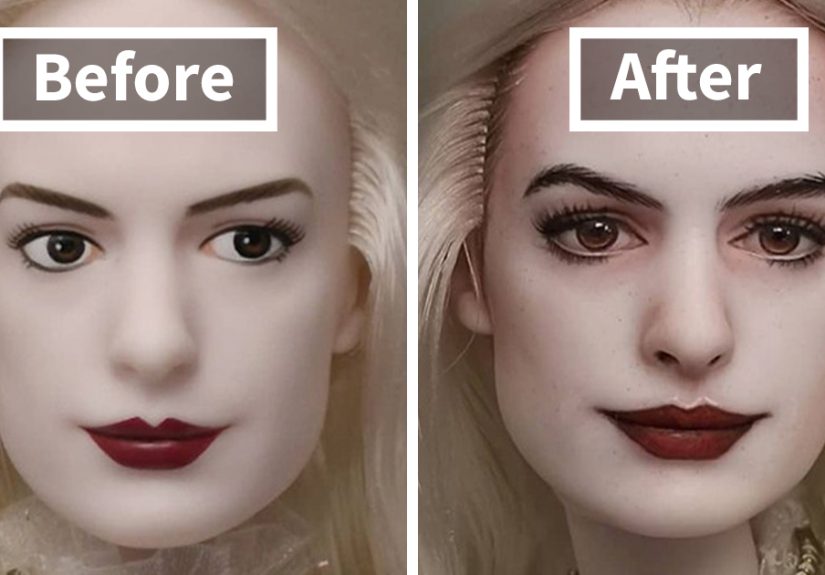
Raccoon eyes are bruises on the upper and lower eyelids, often appearing as dark blue, purple, or black discoloration around both eyes. The medical term is periorbital ecchymosis. This happens when tiny blood vessels break and blood leaks into the tissue around the eyes.
The key detail: it often shows up after trauma, and it may not appear immediately. In fact, a person can feel “mostly okay” right after a fall or crash, and the bruising can become obvious latersometimes over the next 1 to 3 days. That delayed appearance is one reason people underestimate it.
Another important distinction: raccoon eyes are not the same as common under-eye dark circles. Dark circles related to fatigue, genetics, or aging usually affect the skin under the eyes only and don’t involve actual bruising. Raccoon eyes involve blood pooling in tissue, which is a totally different story.
Common Causes of Raccoon Eyes
1) Head and facial trauma (most common cause)
The most common cause of raccoon eyes is an injury. This can range from a direct blow to the face to a more serious head injury. Blood from damaged vessels tracks into the tissue around the eyes, creating the classic bruised look.
Trauma-related causes can include:
- Basilar skull fracture (a fracture at the base of the skull)
- Orbital fracture (fracture of the bones around the eye)
- Facial fractures from falls, sports, or car accidents
- Crush injuries or severe blunt-force trauma
- Concussion or traumatic brain injury (TBI) with associated bleeding or swelling
In trauma cases, raccoon eyes can appear with other warning signs such as bruising behind the ear (called Battle sign), clear fluid leaking from the nose or ears, confusion, vomiting, dizziness, or vision changes. These combinations matter because they raise concern for a skull-base injury or other serious complications.
2) Surgery or medical procedures
Raccoon eyes can also show up after certain proceduresespecially facial surgery or rhinoplasty (nose surgery). In these cases, the bruising may look dramatic but can be expected as part of recovery. Even so, doctors still evaluate the extent of swelling, bleeding, and vision symptoms to make sure healing is normal.
Bottom line: post-surgery raccoon eyes may be harmless bruising, but they should still be discussed with the surgeonespecially if the pain is severe, one eye bulges, or vision changes suddenly.
3) Rare medical conditions
Not all raccoon eyes come from trauma. A few non-traumatic causes can produce the same appearance, which is why doctors treat this sign seriously.
- Amyloidosis – A rare disorder where abnormal proteins build up in tissues and organs. In some cases, it causes fragile blood vessels and easy bruising, including around the eyes.
- Neuroblastoma – A childhood cancer that can spread around the eye area and cause dark, bruiselike circles and eye changes.
- Blood/clotting disorders – Conditions that increase bleeding risk can sometimes cause periorbital bruising.
- Severe infection, vascular problems, or systemic illness – Less common, but part of the differential diagnosis in certain patients.
This is exactly why self-diagnosing “I probably just bruised easily” can be risky. The same outward sign can point to very different problems.
Symptoms of Raccoon Eyes
The hallmark symptom is pretty visual: dark bruising around one or both eyes, often spreading beyond the eyelids toward the upper cheeks or temples. The bruising can change color over time (blue/purple to green/yellow), just like other bruises.
But raccoon eyes rarely travel alone. The associated symptoms are what help doctors figure out whether it’s a routine bruise, a fracture, or a more urgent brain injury.
Symptoms that may come with trauma-related raccoon eyes
- Headache
- Nausea or vomiting
- Dizziness or balance problems
- Confusion, grogginess, or slow thinking
- Double vision or other vision changes
- Speech changes (such as slurred speech)
- Bruising behind the ears (Battle sign)
- Clear fluid leaking from the nose or ears (possible cerebrospinal fluid leak)
- Unequal pupils, weakness, numbness, or seizures (emergency red flags)
If raccoon eyes appear after a head injury, especially with any of the symptoms above, it’s safer to think “medical emergency” rather than “let me sleep it off.” That is not the moment for optimism powered by coffee.
Symptoms in non-traumatic cases
In rare cases tied to a medical condition, the bruising may show up without a clear injury. Other symptoms depend on the underlying cause. For example:
- Amyloidosis may also cause swelling, fatigue, organ-related symptoms, or unusual bruising elsewhere.
- Neuroblastoma (in children) may cause eye bulging, fever, bone pain, limping, or a mass in the abdomen.
If there’s no injury history, doctors typically broaden the workup instead of assuming it’s “just a bruise.”
When to Seek Emergency Care
Here’s the rule of thumb: raccoon eyes after a head injury should be evaluated urgently. Even if the bruising itself doesn’t hurt much, the problem causing it might.
Seek emergency care right away if raccoon eyes are paired with any of the following:
- Recent fall, sports injury, fight, or car/motorbike crash
- Confusion, disorientation, or difficulty waking up
- Repeated vomiting
- Double vision or sudden vision loss
- Slurred speech, weakness, numbness, or seizures
- Clear watery drainage from the nose or ears
- A severe or worsening headache
- One pupil larger than the other
Children should be evaluated promptly tooespecially because kids may not explain symptoms clearly. A child who becomes unusually sleepy, irritable, off-balance, or less responsive after a head injury needs medical attention.
How Doctors Diagnose Raccoon Eyes
Doctors diagnose the cause of raccoon eyes, not just the bruising itself. That usually starts with:
1) Medical history and physical exam
A clinician will ask:
- Was there recent trauma?
- When did the bruising appear?
- Any vomiting, confusion, dizziness, or vision changes?
- Any surgery, clotting disorders, or major medical conditions?
They’ll also check the eyes, pupils, face, ears, nose, neurologic function, and signs of skull-base injury (like Battle sign or fluid leakage).
2) Imaging tests (often a CT scan)
If trauma is suspected, a CT scan is commonly used to look for skull fractures, bleeding, swelling, or other injury. In some skull-base fractures, thinner-cut CT imaging may be needed to detect subtle fractures.
Imaging is especially important when symptoms suggest brain involvementbecause the bruising on the outside can be much less serious than the injury on the inside… or the opposite. Human bodies love keeping doctors humble.
3) Blood tests or specialist evaluation
If there’s no traumaor if the bruising seems unusualdoctors may order:
- Blood tests (including clotting studies)
- Eye exam
- Neurology or neurosurgery evaluation
- Oncology or hematology workup (in rare cases)
This is how they rule out rare causes like amyloidosis, certain cancers, or bleeding disorders.
Treatment for Raccoon Eyes
Raccoon eyes themselves usually don’t require a special treatment. The real treatment depends on what caused them.
1) Treat the underlying injury or condition
Possible treatments include:
- Observation in the hospital for suspected skull fractures or head injuries
- Surgery for certain fractures, bleeding, or pressure-related problems
- Concussion care with monitoring, rest, and return-to-activity guidance
- Antivirals or other medicines if an infection is involved
- Targeted treatment for rare causes (for example, cancer or amyloidosis management)
In skull-base fractures, clinicians may recommend precautions (such as avoiding nose blowing) to reduce the risk of complications when there’s concern for a CSF leak.
2) Supportive care for bruising and swelling
Once a serious injury has been evaluated (or ruled out), supportive care may help:
- Cold compresses during the first day or two to reduce swelling
- Warm compresses later, after swelling starts to settle
- Head elevation, especially after surgery, to reduce swelling
- Rest and avoiding additional trauma
For many cases, the bruising fades gradually over 1 to 2 weeks, sometimes up to 3 weeks depending on the cause and the person’s healing speed.
3) Watch for complications
Doctors stay alert for complications such as:
- Brain bleeding
- Meningitis (especially if there’s a CSF leak)
- Cranial nerve injury
- Vision or hearing problems
- Facial fractures or deeper eye injury
This is why “the bruise is going away” does not always mean the whole situation is harmless.
Prevention Tips
You can’t prevent every accident, but you can reduce risk:
- Wear seat belts and use car seats correctly
- Use helmets for biking, skating, and contact sports
- Make homes safer for falls (lighting, handrails, clutter control)
- Use protective gear for high-risk jobs and sports
- Get prompt care for head injuries instead of “walking it off”
For post-surgical patients, following recovery instructions (cold packs, sleeping elevated, activity limits) can help minimize bruising and swelling.
500-Word Experience Section: Real-World Scenarios and Lessons
The following experiences are educational examples based on common clinical patterns, not personal medical advice. They show how raccoon eyes can look very different depending on the cause.
Experience 1: “I felt okay after the crash… until the bruises showed up.”
A college student was involved in a minor motorbike accident and went home thinking it was “just a bump.” He had a headache but no major cuts, so he skipped the ER. The next morning, he noticed dark bruising around both eyes and assumed it was from poor sleep and stress. By the afternoon, he also felt dizzy and started vomiting.
At the hospital, imaging showed a skull-base injury. What made the difference was not the bruising alone, but the combination of raccoon eyes + head trauma + vomiting + dizziness. He was observed, treated, and recovered wellbut only because he got care once the warning signs were recognized. His biggest takeaway: delayed bruising after a head injury is not “cosmetic”; it can be a timeline clue.
Experience 2: “Post-surgery bruising looked scary, but it was expected.”
A woman developed dramatic dark bruising around her eyes two days after rhinoplasty. She panicked because she had seen the term “raccoon eyes” online and worried about a skull fracture. Her surgeon examined her, checked her vision and swelling, and explained that periorbital bruising can happen after nasal surgery because blood settles into the tissues around the eyes.
She used cold compresses early, slept with her head elevated, and followed recovery instructions. The bruising changed colors over the next two weeks and faded. Her lesson: the same appearance can be normal in one setting and dangerous in another. Context mattersespecially whether there was surgery, trauma, or neurologic symptoms.
Experience 3: “The child had dark circles, but it wasn’t from being tired.”
A parent brought a young child in for “dark circles” that looked more like bruises. There was no known injury, but the child had been more tired than usual and complained of leg pain. The doctor noticed the eye findings weren’t typical under-eye circles and ordered further testing. The workup eventually pointed to a serious underlying condition that needed specialist care.
This scenario is a powerful reminder that in children, raccoon-eye bruising without trauma should not be dismissed. If a child has bruiselike discoloration around the eyes plus fever, bone pain, limping, unusual eye movement, swelling, or behavior changes, a medical evaluation is essential.
Experience 4: “It looked like a simple black eye, but the symptoms kept escalating.”
An adult slipped in the bathroom and developed bruising near one eye. At first it seemed like a regular black eye, but over the next day he noticed worsening headache, sensitivity to light, and increasing confusion. Family members assumed he needed rest. Fortunately, someone noticed his speech was slightly slurred and took him to the ER.
He was diagnosed with a head injury requiring close monitoring. The key lesson was that symptom progression matters. A black eye that stays local and improves is different from eye bruising plus neurologic symptoms that worsen. When in doubt, get checked. It is always easier to be “the cautious one” than “the one explaining to the ER team why everyone waited.”
Conclusion
Raccoon eyes may look like a skin-deep bruise, but they can be an important sign of something much deeperespecially after a head injury. In many cases, they point to trauma such as a basilar skull fracture, orbital fracture, or concussion-related injury. In rarer cases, they may be linked to conditions like amyloidosis or neuroblastoma.
The good news: the bruising itself often fades in a couple of weeks. The important part is getting the right diagnosis quickly. If raccoon eyes appear after an accident, or if they show up without a clear reason, don’t guess. Get evaluated. Your future self (and your brain) will appreciate the decision.