Table of Contents >> Show >> Hide
- The Short Verdict
- What Ranger Ready Actually Is
- What “Tested & Reviewed” Really Means Here
- Performance: How Well Does Ranger Ready Work?
- Feel on Skin: One of Ranger Ready’s Biggest Selling Points
- Scent, Finish, and Packaging
- Ranger Ready vs. DEET
- Ranger Ready vs. Other Picaridin Sprays
- How to Use Ranger Ready the Smart Way
- Who Should Buy Ranger Ready?
- Extended Experience Notes: What Living With Ranger Ready Feels Like
- Final Review: Is Ranger Ready Worth Buying?
Note: This review is a synthesis of current product-label data, public testing, and U.S. expert guidance rather than an original laboratory certification.
If bug spray usually makes you feel like you just basted yourself in salad dressing, Ranger Ready is the kind of product that gets your attention fast. It is a DEET-free insect repellent built around 20% picaridin, and that matters because picaridin sits in the sweet spot many people want: strong protection, lighter feel, and less of that “wow, I smell like a chemistry set” energy.
Ranger Ready has built its reputation around long-lasting mosquito and tick defense, a non-greasy finish, and a formula that does not carry the same plastic-melting reputation DEET has. On paper, that sounds excellent. In the real world, it sounds even better if you are the type of person who hikes, gardens, camps, coaches Little League, walks the dog at dusk, or simply wants to enjoy a backyard without becoming an all-you-can-eat buffet.
So, is Ranger Ready actually good, or is it just another bug spray with a rugged name and a nice bottle? After reviewing product-label claims, public tester feedback, expert guidance on insect repellents, and comparisons with other leading formulas, the answer is pretty clear: Ranger Ready is a very solid choice for people who want effective picaridin protection without the heavy feel and gear worries that sometimes come with DEET-based sprays.
The Short Verdict
Ranger Ready is one of the better picaridin insect repellents on the market, especially for people who want a skin-applied spray that feels lighter, smells milder, and still offers serious protection against mosquitoes and ticks. Its biggest strengths are comfort, convenience, and respectable wear time. Its biggest weakness is that it is not magical. You still need to apply it correctly, rub in missed spots, and reapply when the label says so.
- Best for: hikers, campers, dog walkers, parents, yard workers, travelers, and anyone who hates greasy bug spray.
- Active ingredient: 20% picaridin.
- What it does well: long wear time, lighter feel, DEET-free protection, and better compatibility with plastics and synthetic gear.
- What to know: some users still report a slightly sticky or noticeable finish right after spraying, and scent preference will depend on the version you choose.
What Ranger Ready Actually Is
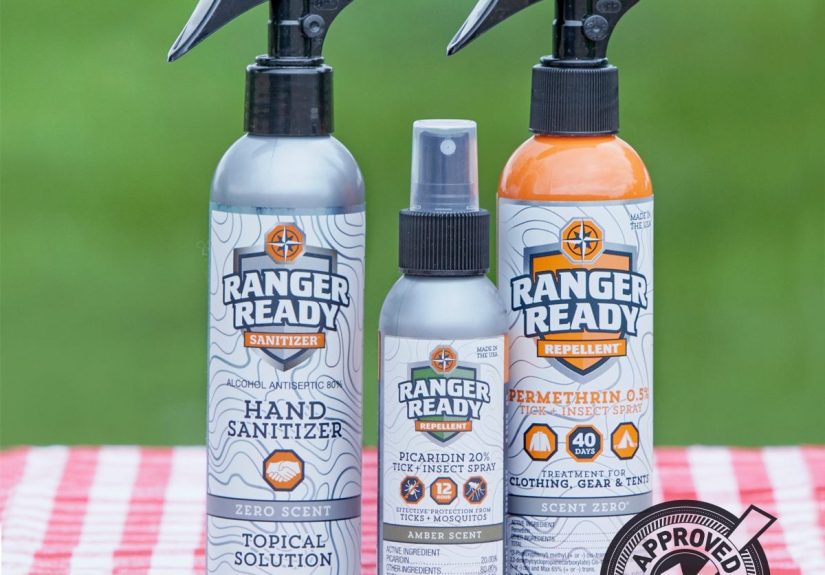
When shoppers say “Ranger Ready insect repellent,” they usually mean the brand’s body-worn picaridin spray. That is the hero product in the line and the one most relevant for a typical bug-spray review. Ranger Ready also sells clothing-worn permethrin products and combo packs, but the skin-applied picaridin spray is the star of the show.
The formula is built around 20% picaridin, which is widely considered one of the most practical EPA-registered active ingredients for mosquito and tick protection. Ranger Ready’s label language positions the spray for up to 12 hours of protection from ticks and mosquitoes, with shorter protection windows for certain other biting pests. In plain English: this is not a casual “maybe the bugs will be polite” mist. It is meant for serious outdoor use.
The brand’s positioning is also pretty smart. Ranger Ready leans hard into the things consumers actually care about: a fine mist, a cleaner skin feel, DEET-free formulation, family-friendly messaging, and the promise that the product will not make your fishing line, sunglasses, backpack trim, or synthetic gear beg for mercy.
What “Tested & Reviewed” Really Means Here
Let’s be honest: the phrase tested and reviewed gets thrown around on the internet like confetti at a parade. In Ranger Ready’s case, the strongest pattern from public reviews is consistency. Different reviewers and testers tend to land on the same basic observations.
First, the spray generally gets high marks for how it feels. Several hands-on reviewers describe it as lighter and less oily than many traditional repellents. Good bug sprays are rarely glamorous, but the compliments here are notable because they keep repeating: fine mist, no heavy film, not overwhelmingly smelly, and easier to live with than old-school DEET sprays.
Second, Ranger Ready does well in the everyday usability department. That matters more than people admit. A repellent can be brilliantly effective, but if it smells harsh, feels gross, or leaves your skin shiny enough to signal aircraft, people use less of it or skip it entirely. Ranger Ready’s appeal is that it seems to reduce that friction. You are more likely to actually use it.
Third, the spray gets points for being practical on the go. Pump and trigger-style formats are easier to control than some aerosol clouds, and users often mention that they prefer a more direct application. Less floating bug-spray fog in your personal airspace? That is a win for both your lungs and your dignity.
Performance: How Well Does Ranger Ready Work?
Mosquito Protection
If mosquitoes are your main enemy, Ranger Ready makes a strong case for itself. Picaridin is a respected active ingredient in the insect-repellent world, and 20% formulas are commonly associated with long-lasting performance. Ranger Ready’s label claims place mosquito protection in the all-day category for many common outdoor situations, which is exactly what most people want from a repellent they are carrying on hikes, day trips, or evening outings.
In practical terms, that means Ranger Ready is a good match for backyard dinners, walks near standing water, summer sports, camping, and travel where mosquito exposure is a real concern. It is the kind of spray you can apply before heading out and not spend the next hour wondering whether the first mosquito that lands on your elbow is about to start billing rent.
Tick Protection
Ranger Ready may be even more appealing for tick-conscious shoppers. Tick defense is where picaridin really shines for many users because it offers strong repellent performance without some of the annoyances associated with DEET. If you spend time in wooded areas, brush, tall grass, or leaf litter, this is a meaningful advantage.
That said, a skin spray is only one piece of the puzzle. For heavy tick country, the best strategy is still layered protection: long pants, light-colored clothing, a skin repellent like Ranger Ready on exposed areas, and clothing treatment when appropriate. If your local trail has “beautiful wildflowers” on one side and “possible tick convention” on the other, use more than one line of defense.
Other Biting Pests
Ranger Ready also markets protection against smaller nuisance biters like gnats, chiggers, and biting flies. That matters because many people buy bug spray for mosquitoes and then discover the true villain of the day is a swarm of tiny, angry things with wings and no respect for personal boundaries. Ranger Ready is not just trying to fend off the headline bugs; it is positioned as a broader outdoor repellent.
Feel on Skin: One of Ranger Ready’s Biggest Selling Points
This is where Ranger Ready separates itself from a lot of competitors. The strongest recurring praise is about skin feel. Reviewers often describe it as non-greasy, less sticky than expected, and much less obnoxious than classic bug spray formulas.
That does not mean it disappears like fairy dust. Some testers still say it needs a little rubbing in, and a few note a slight tackiness right after application. But compared with many alternatives, especially heavier DEET options, Ranger Ready comes across as the repellent equivalent of a person who is competent, quiet, and does not insist on being the center of attention.
That alone can make it easier to recommend. Comfortable repellents get used more consistently. And with insect repellent, consistency matters almost as much as chemistry.
Scent, Finish, and Packaging
Ranger Ready offers several scent options, including fragrance-free or low-scent styles as well as more character-driven names like Night Sky and Ranger Orange. That variety is useful because scent tolerance is deeply personal. One person’s “pleasantly subtle” is another person’s “why does my forearm smell like an ambitious candle shop?”
The good news is that published tester feedback generally paints the brand as more restrained than many competing repellents. Even when people do not love the scent, they often still appreciate that it is not overpowering. The packaging also earns praise for controlled application, which helps avoid the classic bug-spray problem of half the product ending up in the air, on your shirt, and possibly in another zip code.
Ranger Ready vs. DEET
This comparison matters because most shoppers are really deciding between a picaridin spray like Ranger Ready and a traditional DEET formula.
Choose Ranger Ready if you want: a lighter feel, milder odor, a DEET-free formula, and less worry about damaging plastics or synthetic materials.
Choose DEET if you want: the long-established classic, especially if you are comfortable with its feel and know you already tolerate it well.
From an effectiveness standpoint, picaridin and DEET are both serious options. The difference for many users is user experience. Ranger Ready wins that comfort contest for a lot of people. It is easier to wear, easier to like, and easier to recommend to someone who normally says, “I hate bug spray.”
Ranger Ready vs. Other Picaridin Sprays
The tricky thing about picaridin sprays is that many 20% formulas compete in a very similar performance range. That means Ranger Ready is not the only good choice. It is competing in a crowded field with other respected picaridin products.
What helps Ranger Ready stand out is the overall package: pleasant branding, varied scent options, strong feedback on application feel, family-friendly positioning, and a reputation for not leaving users feeling coated in mystery residue. In other words, it may not completely reinvent picaridin, but it does a very good job delivering the version people actually want to use.
How to Use Ranger Ready the Smart Way
Even a great repellent needs correct application. Spray just enough to cover exposed skin and the outside of clothing if the label allows. Do not spray directly onto the face. Instead, spray into your hands first and apply carefully, avoiding the eyes and mouth. Do not apply under clothing, on irritated skin, or on cuts and wounds.
For kids, adults should handle the application. And when you head back indoors, wash treated skin and change clothing if needed. This is not glamorous advice, but then again, neither is scratching your ankle like you are auditioning for a mosquito-themed percussion ensemble.
Who Should Buy Ranger Ready?
Ranger Ready makes the most sense for people who want strong insect protection without the classic DEET drawbacks. It is especially appealing for families, runners, travelers, campers, anglers, hikers, gardeners, and anyone who spends time outdoors and wants something effective that does not feel like a greasy compromise.
You may want to skip it if you prefer lotions over sprays, are extremely sensitive to any fragrance, or need a clothing-treatment solution instead of a skin-applied one. In that case, look at permethrin products for gear and clothing, not body spray.
Extended Experience Notes: What Living With Ranger Ready Feels Like
Now for the practical side, because bug spray lives or dies in real life, not just in ingredient charts. The experience most people want is simple: spray it on, forget about it, and enjoy the outdoors without feeling sticky, shiny, or marinated. Ranger Ready gets surprisingly close to that ideal.
Imagine a summer evening walk when the air is warm, the trees are still, and mosquitoes are already drafting their dinner plans. This is exactly the kind of moment where Ranger Ready makes sense. You spray it on your arms, legs, and around your ankles, rub in the spots where the mist landed a little unevenly, and within a minute or two, it settles into the background. You notice it much less than many traditional repellents. That matters because the best repellent experience is the one you stop thinking about.
It also feels well suited to active use. If you are moving around a yard, coaching a game, walking the dog, or hauling gear to a campsite, you do not want a formula that leaves your hands slick every time you touch your phone, water bottle, or sunglasses. Ranger Ready’s appeal is that it seems designed for people who are actually doing things outdoors rather than posing heroically beside a pine tree for a catalog cover.
Another nice quality is the psychological comfort factor. Some repellents work, but they feel harsh enough that you use them reluctantly. Ranger Ready tends to create the opposite reaction. Because it feels more wearable, people are more likely to reapply when needed and more likely to keep a bottle in a daypack, glove compartment, beach bag, or sports tote. Convenience is not a small feature. Convenience is often the difference between protected and bitten.
There is also the gear issue, which is more important than it sounds. Plenty of outdoorsy people have had that mildly horrifying moment where a strong repellent gets near plastic sunglasses, watch bands, synthetic fabrics, tackle-box surfaces, or backpack trim. Ranger Ready’s picaridin profile makes it attractive for people who live around gear and do not want a repellent that behaves like it has unresolved anger toward polymers.
That said, the experience is not perfect. If you hate all bug spray on principle, Ranger Ready probably will not convert you into a repellent poet. Some users still notice a little tackiness right after application, and scent preferences remain personal. A formula can be objectively milder and still not be your favorite smell on a humid day. But those complaints tend to land in the “minor annoyance” category rather than the “dealbreaker” category.
Over time, that is where Ranger Ready earns its reputation. It is not flashy. It is not gimmicky. It is simply a product that seems to make outdoor life easier. You put it on, it does its job, and you can get back to hiking, grilling, weeding, walking, fishing, or pretending your patio is a luxury resort instead of a mosquito negotiation zone. In the bug-spray world, that is pretty close to romance.
Final Review: Is Ranger Ready Worth Buying?
Yes, Ranger Ready is worth buying if you want a high-quality picaridin insect repellent with a lighter feel, long protection time, and fewer of the usual DEET complaints. It is especially easy to recommend for mosquito and tick season, family use, outdoor recreation, and anyone who wants a more user-friendly bug spray.
Its biggest strength is not just that it works. It is that it feels realistic for everyday life. You are more likely to use a repellent that sprays cleanly, smells manageable, and does not leave you feeling like a glazed doughnut in cargo shorts. Ranger Ready understands that better than many competitors.
If your goal is effective, comfortable, modern insect protection, Ranger Ready deserves a spot near the top of your list.