Table of Contents >> Show >> Hide
- Why rattan + wood works so well
- Rattan, cane, wicker: a quick, non-confusing decoder
- How to choose the right rattan and wood coffee table
- Coffee table sizing rules that actually prevent regret
- Styling a rattan and wood coffee table
- Care and maintenance: keep it cute for the long haul
- Sustainability: how to buy with a clearer conscience
- Common “gotchas” (so you don’t buy the wrong one)
- Conclusion: a coffee table you’ll actually live with (and love)
- Real-life experiences with rattan and wood coffee tables (the stuff people don’t put in product photos)
The coffee table is the living room’s Switzerland: neutral territory where snacks, remotes, books, and feet negotiate a fragile peace treaty. And if you’re hunting for a table that looks warm, feels inviting, and doesn’t scream “I bought this because it was on sale at 2 a.m.”, a rattan and wood coffee table might be your design soulmate.
This combo hits a sweet spot: rattan brings airy texture (and serious “vacation brain” energy), while wood adds structure, durability, and a wipeable surface for real life (aka the salsa incident you’re pretending didn’t happen). Let’s break down what makes these tables work, how to choose one that fits your space, and how to keep it looking great long after the unboxing dopamine fades.
Why rattan + wood works so well
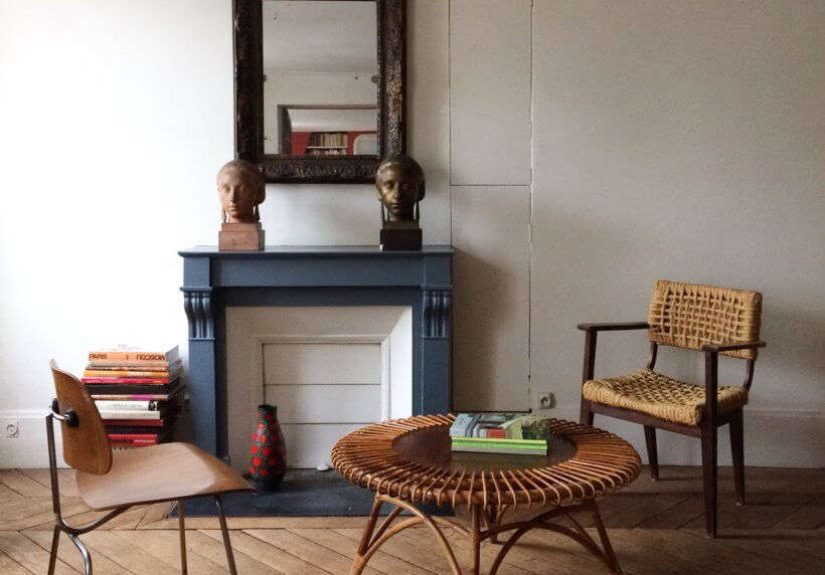
A rattan-and-wood coffee table is basically the design equivalent of a great outfit: one interesting texture plus one reliable staple. Rattan contributes visual lightnessopen weaves, curved silhouettes, and that organic, hand-crafted vibe. Wood contributes sturdiness and practicalityespecially when it’s used as a solid top or a stable base under woven details.
Texture without the heaviness
Many living rooms already have “heavy” elements: a sofa with big cushions, a media console, maybe a rug thick enough to qualify as a comfort animal. Rattan adds texture without adding visual bulk, so the room feels layered, not crowded.
Practicality without the boring
An all-wood coffee table can look gorgeous… until it starts collecting fingerprints like a crime scene. A fully woven coffee table can look gorgeous… until you try to balance a mug on it and realize you’ve created a sport. Together, rattan and wood deliver the best of both worlds: style + stability.
Rattan, cane, wicker: a quick, non-confusing decoder
These words get tossed around like throw pillows. Here’s the simplest way to decode them:
- Rattan is a natural material (from climbing palms) used for furniture frames and weaving.
- Cane typically refers to the outer “skin” of rattan, often woven into panels (like webbing on chair backs and cabinet doors).
- Wicker is not a materialit’s a weaving method. Wicker can be made from rattan, cane, seagrass, willow, or even synthetic fibers.
Translation: your “wicker coffee table” might actually be rattan, or it might be synthetic resin woven to look like rattan. The label matters because it affects durability, where you can use it, and how you should care for it.
How to choose the right rattan and wood coffee table
Let’s shop smarter than your late-night impulse scroll. Here are the factors that actually matter.
1) Decide what the table needs to survive
Be honest about your household habits. Is this table mostly decorative (books + candle + one sacred coaster no one uses)? Or is it a hardworking surface for meals, board games, laptops, and that one friend who always puts a sweating drink directly on wood like it’s a personality trait?
- High-use homes: prioritize a solid wood top (or a durable sealed veneer top) for easy wiping.
- Low-use / style-first: you can go heavier on woven texture, open shelving, and lighter finishes.
2) Check the build: joinery, support, and weave tension
A great rattan table should feel taut, not saggy. Look for consistent weaving, tight joins, and stable legs. If the woven section flexes dramatically under light pressure, imagine it after a year of magazines, decor bowls, and the occasional “I’ll just sit here for a second” moment.
3) Pick the right wood for your lifestyle
Different woods wear differently. Harder woods tend to resist dents and scratches better, while softer woods may pick up “character marks” faster. Some popular options you’ll see include oak, mango wood, acacia, ash, rubberwood, and various engineered woods with veneers.
If you’re buying online, look for details about the finish. A well-sealed top (often with lacquer, varnish, or polyurethane) is your best friend in the “oops, my drink sweated” era of life.
4) Natural rattan vs. synthetic rattan: where will it live?
Natural rattan looks amazing, but it’s typically happiest indoors or in protected spaces. If you’re placing the table in a sunroom, covered porch, or outdoor area, check whether it’s synthetic/resin wicker designed to handle moisture and sun better.
5) Choose a shape that improves traffic flow
A coffee table isn’t just a surfaceit’s a piece of architecture you walk around daily. Shape matters:
- Round/oval: great for small spaces, kid-friendly edges, smoother pathways.
- Rectangle: best for standard sofas, offers the most surface area.
- Square: works well with sectionals or large seating zones.
If your room already has lots of boxy shapes (sofa, rug, console), a curved rattan base with a wood top can add a softer counterbalance.
Coffee table sizing rules that actually prevent regret
Choosing the wrong size is how people end up whispering “We should’ve measured” while trying to scoot a table past a sofa corner.
Length: aim for about two-thirds of your sofa
A common design rule is to pick a coffee table that’s roughly two-thirds the length of your sofa. Example: if your sofa is 96 inches long (8 feet), a table around 64 inches long often looks proportional.
Height: close to seat height, usually slightly lower
Many sofas sit around 17–18 inches high at the cushion. A coffee table in the neighborhood of 16–18 inches is often comfortable and easy to use.
Spacing: leave breathing room for knees and walking paths
A good starting range is 12–18 inches between the sofa edge and the table. If you have a larger room and people frequently pass through, you may want a bit more. If you’re working with a small space, you may go tighteras long as you don’t have to sideways-shimmy like a crab every time you walk by.
Styling a rattan and wood coffee table
The goal isn’t to make it look like a catalog spread (unless you also enjoy living in a museum where no one sits). The goal is: stylish, functional, and easy to reset.
Use the “tray trick” to tame visual chaos
A tray is basically a tiny fence for your stuff. It groups objectscandle, coasters, a small vaseso your table looks curated instead of “I left everything here because I panicked.”
Mix hard + soft + organic
- Hard: books, a stone bowl, a ceramic dish
- Soft: a fabric coaster stack, a small folded cloth napkin set
- Organic: greenery, dried stems, a wooden bead garland (if that’s your vibe)
Let the rattan breathe
Rattan is a texture worth seeing. Don’t bury it under a mountain of decor. Keep negative space so the weave and wood grain can do their job: add warmth, depth, and that “I know what I’m doing” energy.
Style pairings that look especially good
- Coastal / airy neutrals: pale wood, white upholstery, linen textures, glass accents
- Boho: layered textiles, plants, warm tones, global-inspired patterns
- Organic modern: clean lines, fewer objects, natural materials with sculptural shapes
- Transitional: classic sofa shapes + rattan texture as a soft modern update
Care and maintenance: keep it cute for the long haul
The good news: rattan and wood are not “high-maintenance divas.” They just need the right kind of attentionlike a houseplant that thrives on routine but dies if you dramatically over-love it.
Rattan care basics
- Dust regularly: use a vacuum with a soft brush attachment or a soft brush for crevices.
- Go gentle with water: a lightly damp cloth is fine; avoid soaking the weave.
- Avoid harsh cleaners: abrasives can rough up fibers and damage finishes.
Rattan and wicker can dry out and get brittle with too much sun; too much moisture can encourage warping or mildew. Translation: keep natural rattan out of direct weather and treat it like the indoor-friendly natural material it is.
Wood top care: the simple routine that prevents heartbreak
For everyday cleaning, a damp microfiber cloth with a small amount of mild dish soap works wellthen dry the surface so water doesn’t linger. Avoid abrasive cleaners and strong ammonia-style products.
Spills and rings: what to do when life happens
First rule: blot quickly. Second rule: don’t panic-scrub like you’re trying to erase your mistakes from the timeline.
- For white water rings: some guides suggest gentle heat methods (like an iron over a cloth) for recent marks, or mild vinegar-based approachesalways test on an inconspicuous area first.
- For light finish dullness: occasional polish or wax may help, but use products appropriate for your finish type.
Humidity and weave slack: the “why does it look different?” mystery
Natural fibers can respond to humidity changes. If you live in a very humid or very dry climate, try to keep the room environment steady (even a basic dehumidifier or humidifier can help). The goal is “comfortable for humans,” which is usually “comfortable for natural materials,” too.
Sustainability: how to buy with a clearer conscience
If sustainability is on your checklist (and it should be), you can make better choices without turning coffee table shopping into a graduate thesis.
Look for responsibly sourced wood
One common indicator is FSC certification, which is tied to responsible forest management standards. When brands use FSC-certified wood, it signals a chain of custody and sourcing approach aimed at more sustainable forestry practices.
Rattan can be a renewable materialwhen harvested responsibly
Rattan is a fast-growing climbing palm. In many contexts, it can be harvested without cutting down treesthough supply chains and habitat pressures still matter. If a brand discusses responsible sourcing, transparency, or verified certifications, that’s a meaningful plus.
Common “gotchas” (so you don’t buy the wrong one)
You have little kids, big dogs, or chaotic neutral roommates
Rattan texture can snag if it’s loosely woven, and wood can scratch if it’s soft or lightly finished. If your home is high-traffic, prioritize a sturdier build, tighter weave, and a well-sealed wood top.
You want it fully outdoors
Natural rattan typically isn’t the best pick for uncovered outdoor exposure. If you want that look outside, look for synthetic/resin wicker designed for weather, and keep the wood element protected or choose weather-rated alternatives.
You need lots of hidden storage
Some rattan-and-wood coffee tables include shelves, lower woven baskets, or lift-tops, but plenty are more about airy design than secret storage. If your living room doubles as an everything room, prioritize function first.
Conclusion: a coffee table you’ll actually live with (and love)
A rattan and wood coffee table is one of those rare furniture choices that can feel both stylish and genuinely livable. Rattan brings texture, warmth, and that relaxed, coastal-meets-crafted vibe. Wood brings stability, longevity, and the ability to clean up the evidence when movie night turns into snack night (which it always does).
Measure for the right size, choose a shape that improves flow, look for solid construction, and care for it with gentle cleaning and sensible protection. Do that, and you’ll have a table that looks intentionalwithout requiring you to become a full-time furniture caretaker. Your living room (and your knees) will thank you.
of experiences
Real-life experiences with rattan and wood coffee tables (the stuff people don’t put in product photos)
If you’ve ever shopped for a coffee table online, you’ve seen the fantasy version: a perfectly styled living room, one art book open to a dramatic black-and-white page, and a single latte that apparently never drips. Real life is less “design editorial” and more “why is there a LEGO in the fruit bowl?”
One of the most common experiences people report after bringing home a rattan and wood coffee table is how quickly the room feels warmeralmost like the space gained texture without gaining clutter. The rattan acts like visual seasoning: you don’t need a lot, but it changes the flavor of the whole room. Even in a neutral living room, the weave adds depth that paint and pillows alone can’t fake.
Then comes the first real test: the “We’re hosting” moment. A wood top is the hero here. When guests arrive with drinks, the table becomes mission controlcoasters, a tray, snacks, maybe a vase. People love an attractive woven base, but they need a stable surface. This is where rattan-and-wood tables quietly outperform fully woven styles: you can actually use them without playing beverage Jenga.
Another very real experience: the mystery ring. Someone, somewhere, will forget a coaster. The first time it happens, most people go through the five stages of grief in under 30 seconds. But with a sealed finish and quick action, many marks are manageable. Plenty of households learn a simple pattern: wipe promptly, dry the surface, and keep coasters where hands naturally reach (not in a drawer that requires a treasure map).
If you live with pets, there’s another storyline: rattan is interesting. Too interesting. Some dogs ignore it. Some cats treat the weave like a luxury scratching review program. In those homes, people tend to adapt by using a tray more often (less temptation on the top) and choosing tables where the rattan detail sits under a wood top or is tightly woven and protected by a frame. The most successful “pet homes” usually pick sturdier weaves and accept that a little patina is part of living with creatures who don’t understand your aesthetic vision.
Climate also plays a role in real-life experience. In very dry homes, natural fibers can look thirstier over time slightly dull, a bit more brittleespecially if the piece sits in a sunny window. In more humid environments, the weave can feel different season to season. People who are happiest long-term tend to place natural rattan out of direct sunlight and away from heavy moisture, then stick to gentle cleaning instead of soaking the weave. It’s not complicated care; it’s just consistent care.
Finally, there’s the experience no one expects: these tables often become the “reset button” for the room. When a living space gets messy, clearing and restyling the coffee table can instantly make everything feel calmer. A tray goes back in place, books stack neatly, the remote returns to its designated zone instead of living in the sofa cushions like it pays rent. In that sense, a rattan and wood coffee table isn’t just furnitureit’s a small, beautiful system that helps a room feel lived-in and put-together at the same time.
And honestly? That might be the best feature of all: it makes real life look a little more intentionaleven when your “decor accent” is actually a half-eaten bag of chips.