Table of Contents >> Show >> Hide
- Why Chicken, Squash, and Wild Rice Work So Well Together
- Ingredients You’ll Need (and Why They Matter)
- Prep Tips That Save Time (and Possibly Knuckles)
- The Recipe: Chicken and Squash Stew With Wild Rice
- Make It Yours: Variations That Still Taste Like “Yes”
- Troubleshooting (Because Stew Has Opinions)
- Serving Ideas
- Food Safety and Storage (Quick, Practical, Non-Scary)
- Extra Section: of Real-World “Cooking Experiences” With This Stew
- Conclusion
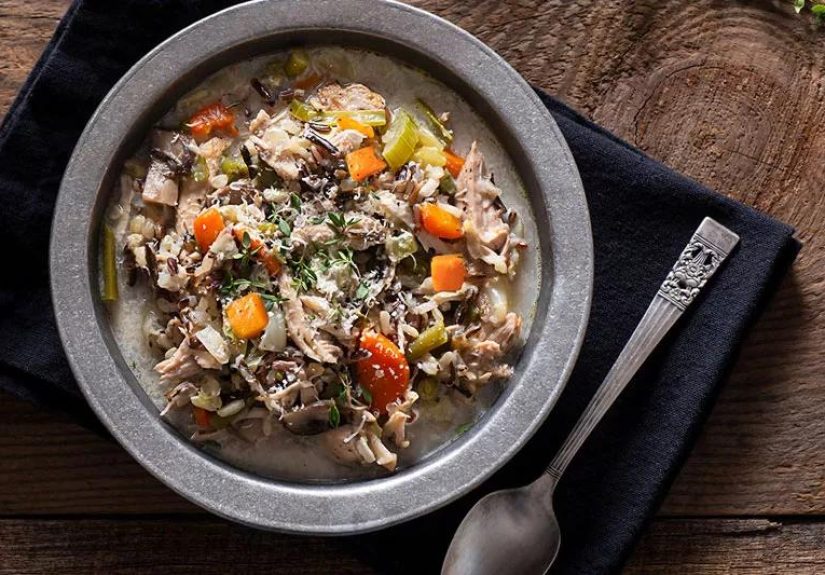
There are two kinds of cold-weather dinners: the ones that merely feed you, and the ones that hug you back.
This chicken and squash stew with wild rice is firmly in the second categorywarm, hearty, and just fancy enough to
make a Tuesday feel like it’s wearing a scarf on purpose.
The magic is in the trio: tender chicken, sweet winter squash, and chewy wild rice that tastes nutty and woodsy (in a
good way, like a cabin with a functioning espresso machine). Make a pot, and you’ll have dinner tonight plus future-you
meals that reheat like a dream.
Why Chicken, Squash, and Wild Rice Work So Well Together
Chicken brings savory comfort; winter squash adds gentle sweetness and body; wild rice contributes a satisfying chew and
“I cooked something wholesome” energy. And fun fact: wild rice isn’t technically riceit’s the seed of an aquatic grass
native to North America, which explains why it feels more substantial than white rice and holds up beautifully in soups
and stews.
Flavor-wise, squash and chicken love the same friends: onions, garlic, thyme, bay leaf, black pepper, and a bright finish
of lemon or vinegar. Texture-wise, wild rice stays pleasantly springy while squash softens into spoonable comfort.
Ingredients You’ll Need (and Why They Matter)
The basics
- Chicken: Boneless, skinless thighs (best for stew) or breasts (leaner, but easier to overcook).
- Winter squash: Butternut is classic; kabocha or delicata also work. Use peeled, seeded, 3/4-inch cubes.
- Wild rice: Ideally 100% wild rice; a wild rice blend works too, but cooking time/texture can vary.
- Aromatics: Onion, carrots, celery, and garlicyour cozy foundation.
- Broth: Chicken broth or stock (low-sodium if possible so you control seasoning).
- Herbs & seasoning: Thyme, bay leaf, black pepper, salt; optional rosemary for extra “winter chalet.”
- Finishers: Lemon juice or apple cider vinegar; chopped parsley; optional grated Parmesan.
Optional upgrades (choose your own adventure)
- Creamy vibe: A splash of half-and-half, heavy cream, or coconut milk.
- Extra umami: A spoonful of Dijon mustard or a dash of Worcestershire sauce.
- Greens: Kale or spinach stirred in at the end for color and nutrients.
- Heat: Red pepper flakes, smoked paprika, or a small spoon of harissa.
Prep Tips That Save Time (and Possibly Knuckles)
How to prep squash without a wrestling match
Winter squash is delicious, but it can also be shaped like a bowling pin and just as cooperative. A few tips:
trim the ends first, peel with a sturdy Y-peeler, then cut the squash into the solid “neck” and the seed-filled “bulb”
section before cubing. If peeling feels like chiseling marble, microwave the whole squash for a few minutes to slightly
soften the skinjust enough to make it easier to peel, not cook it.
Wild rice: cook it in the stew or separately?
You’ve got two good options:
-
Option A (best control): Cook wild rice separately, then add it at the end. Great if you don’t want the stew
to thicken too much, or if you’re using a blend with unpredictable timing. -
Option B (one-pot convenience): Simmer the rice right in the stew. This makes the broth silkier and more
stew-like, because rice releases starch as it cooks.
The Recipe: Chicken and Squash Stew With Wild Rice
Yield, time, and equipment
- Serves: 6 (about 10–12 cups)
- Total time: 70–90 minutes (faster if rice is pre-cooked)
- Equipment: Large Dutch oven or heavy pot, cutting board, sharp knife, wooden spoon, thermometer (recommended)
Ingredients
- 1 tablespoon olive oil (or butter)
- 1 1/2 pounds boneless, skinless chicken thighs, cut into 1-inch pieces (or breastssee notes)
- 1 teaspoon kosher salt, plus more to taste
- 1/2 teaspoon black pepper
- 1 medium yellow onion, diced
- 2 carrots, diced
- 2 celery stalks, diced
- 3 cloves garlic, minced
- 1 tablespoon tomato paste (optional, but helpful for depth)
- 6 cups chicken broth (low-sodium preferred)
- 2 cups butternut squash, peeled and cubed (3/4-inch cubes)
- 3/4 cup uncooked wild rice (or 1 1/2 to 2 cups cooked wild rice)
- 1 bay leaf
- 1 teaspoon dried thyme (or 1 tablespoon fresh)
- 1/2 teaspoon smoked paprika (optional)
- 1 tablespoon lemon juice or apple cider vinegar (finish)
- 1–2 cups chopped kale or spinach (optional)
- 2 tablespoons chopped parsley (finish)
Step-by-step instructions
-
Brown the chicken (for flavor):
Heat oil in a large pot over medium-high heat. Season chicken with salt and pepper. Add chicken in a single layer and
brown 3–4 minutes per side (work in batches if needed). Transfer to a plate. -
Build the base:
Reduce heat to medium. Add onion, carrots, and celery. Cook 6–8 minutes until softened and lightly golden, scraping up
browned bits. Add garlic and cook 30 seconds. -
Optional flavor booster:
Stir in tomato paste and cook 1 minute to deepen the color and taste. -
Add broth and seasonings:
Pour in broth. Add bay leaf, thyme, and smoked paprika (if using). Bring to a gentle boil. -
Choose your rice path:
-
One-pot (uncooked rice): Stir in uncooked wild rice. Reduce to a steady simmer, cover, and cook 35–45 minutes,
stirring occasionally. - Add later (cooked rice): Skip rice for now; simmer the stew base and you’ll add cooked rice near the end.
-
One-pot (uncooked rice): Stir in uncooked wild rice. Reduce to a steady simmer, cover, and cook 35–45 minutes,
-
Add squash and chicken:
When the rice is partly tender (or immediately, if rice is already cooked), stir in squash. Return chicken (and any juices)
to the pot. Simmer uncovered 15–20 minutes, until squash is tender and chicken is cooked through. -
Check doneness safely:
Use a thermometer if you can; chicken should reach 165°F in the thickest pieces. -
Finish like a pro:
Stir in lemon juice or vinegar. Add greens (if using) and cook 2–3 minutes until wilted. Remove bay leaf. Taste and adjust salt,
pepper, and acidity. Top with parsley.
Notes for chicken breasts
Chicken breasts can work, but they’re less forgiving. For best texture, add breast pieces a little laterafter the rice is mostly
tenderso the chicken doesn’t simmer longer than needed.
Make It Yours: Variations That Still Taste Like “Yes”
Creamy chicken & squash wild rice stew
For a creamy finish, stir in 1/3 cup half-and-half or heavy cream at the end (keep the heat low so it doesn’t separate).
Dairy-free? Use 1/2 cup unsweetened coconut milk for a cozy richness without the dairy.
Spicy-smoky version
Add 1/2 teaspoon smoked paprika (or more), plus a pinch of red pepper flakes. Finish with lime instead of lemon for a brighter kick.
“Clean-out-the-fridge” vegetable add-ins
- Mushrooms (add with aromatics)
- Parsnips (dice like carrots)
- Green beans (stir in for the last 8–10 minutes)
- Frozen peas (stir in at the end)
Troubleshooting (Because Stew Has Opinions)
If the stew is too thin
- Mash some squash: Press a few cubes against the side of the pot and stir back in.
- Quick slurry: Mix 1 tablespoon flour (or cornstarch) with 2 tablespoons cold water, then stir into simmering stew.
- Simmer uncovered: Let it reduce 5–10 minutes for a thicker, more concentrated broth.
If the stew is too thick
Add a splash of broth or water and warm gently. Wild rice drinks up liquid like it’s training for a marathon.
If wild rice is still too chewy
Keep simmering and add extra broth if needed. Wild rice (especially true wild rice) often needs a solid 40–50 minutes to relax.
If you used a blend, the timing can differsome grains soften sooner than others.
Serving Ideas
This stew is a full meal in a bowl, but it plays nicely with others:
- Crusty bread or warm biscuits (for maximum dipping opportunities)
- A simple green salad with tangy vinaigrette
- Roasted Brussels sprouts or broccoli for extra veggie points
Food Safety and Storage (Quick, Practical, Non-Scary)
Cook chicken fully (165°F is the widely recommended safe minimum). Cool leftovers quickly, store in shallow containers, and
refrigerate promptly. In general, refrigerated leftovers are best used within 3–4 days; freezing extends storage longer,
though texture can slowly change over time. If something seems “off,” don’t rely on smell alonewhen in doubt, toss it.
Storage & reheating
- Fridge: Store 3–4 days in an airtight container.
- Freezer: Freeze up to about 3 months for best quality (longer is possible, but texture may soften).
- Reheat: Warm on the stove over medium-low, adding broth as needed. Stir often so rice doesn’t settle and stick.
Extra Section: of Real-World “Cooking Experiences” With This Stew
Here’s what typically happens when home cooks make chicken and squash stew with wild riceespecially on the kind of day when
you open the fridge and it politely whispers, “We have… ingredients.”
First, the smell payoff is immediate. The moment onions, carrots, and celery hit warm oil, your kitchen starts acting
like it’s running a cozy bed-and-breakfast. Add garlic and thyme, and suddenly the air smells like you planned this meal all week,
even if you absolutely did not. If you’re cooking for other people, this is the point where someone wanders in and asks,
“What smells so good?” (Which is chef-code for “I’m hungry and I would like to hover.”)
Next comes the texture learning curve: wild rice is gloriously chewy, but it’s not in a hurry. A common experience is
checking it at 30 minutes, tasting a spoonful, and realizing it still has a little “nature documentary” energy.
That’s normal. Keep simmering. Wild rice becomes tender when some grains split open and look slightly curled, and the stew
gets thicker as it cooks. Many cooks end up adding an extra splash of broth near the end because the rice keeps absorbing liquid.
Squash brings its own plot twist: the cubes look firm, then suddenly they’re tender, buttery, and ready to melt into the broth.
The most reliable experience is that timing matters. Add squash too early and it turns into puree (not tragic, but different).
Add it later and you get defined cubes that hold their shape. Some people love to mash a few pieces on purpose for a thicker,
velvety bodybasically the stew equivalent of a weighted blanket.
Then there’s the day-two glow-up. Like many stews, flavors settle and deepen after a night in the fridge. The broth tastes
more unified; the herbs feel integrated; the whole pot reads as “I know who I am.” The rice will continue to soak up liquid, so
the classic next-day move is adding broth while reheating and finishing with a fresh squeeze of lemon to wake everything up again.
Finally, this stew is famous for being customizable without falling apart. Some cooks go creamy with a splash of dairy.
Others keep it brothy and bright. Some toss in kale for a pop of green; others add mushrooms for earthiness. And because it’s a one-pot
situation, it’s forgiving: you can be a precise measurer, or you can be a “that looks like enough squash” kind of person.
Either way, you end up with a bowl that feels nourishing, practical, andmost importantlyworth repeating.
Conclusion
Chicken and squash stew with wild rice is the kind of recipe that earns a permanent spot in your “make this again” rotation:
hearty but not heavy, cozy but still bright, and flexible enough to fit your pantry. Whether you cook the wild rice in the pot for
max one-pot energy or stir in cooked rice at the end for perfect texture control, you’ll end up with a stew that tastes like the best
version of comfort foodone that also happens to reheat beautifully.