Table of Contents >> Show >> Hide
- What Exactly Is RSV?
- How RSV Affects Pregnant People
- Why RSV Matters So Much for Your Baby
- Your RSV Prevention Toolbox During Pregnancy
- Common Questions About RSV and Pregnancy
- What to Do If You Get Sick with RSV While Pregnant
- Making a Simple RSV Plan with Your Care Team
- Real-Life Experiences: Navigating RSV and Pregnancy
- The Bottom Line
If you’re pregnant, you’re probably already juggling enough questions to fill
an entire group chat. Add RSV to the mix, and it can feel like one more
thing to worry about. The good news? You actually have more tools than ever
to protect your baby from this common virus, and most pregnancies go
perfectly well even when RSV is circulating.
In this guide, we’ll break down what RSV is, how it can affect pregnancy,
what the new maternal RSV vaccine does, how it compares with the infant
shot, and how to build a simple, realistic plan with your prenatal care
team. No scare tactics, just clear information and a few calm, practical
tips.
What Exactly Is RSV?
RSV, short for respiratory syncytial virus, is a very
common respiratory virus. Almost everyone has had it by age 2. In older
children and healthy adults, it usually looks like a bad cold:
- Runny or stuffy nose
- Cough
- Low-grade fever
- Sore throat
- Feeling tired and “off” for a few days
The serious problems happen mostly in people whose lungs or immune systems
are more vulnerableespecially young infants, older adults,
and people with chronic heart or lung conditions. In babies, RSV can cause:
- Bronchiolitis (inflammation of the small airways)
- Pneumonia
- Breathing problems that may require oxygen or hospitalization
That’s why RSV season (usually fall through spring in the U.S.) gets so much
attention: it’s one of the leading reasons infants under 6 months end up in
the hospital. Protecting newborns and young babies from severe RSV is the
main reason RSV vaccination is now part of pregnancy and early-infant care
discussions.
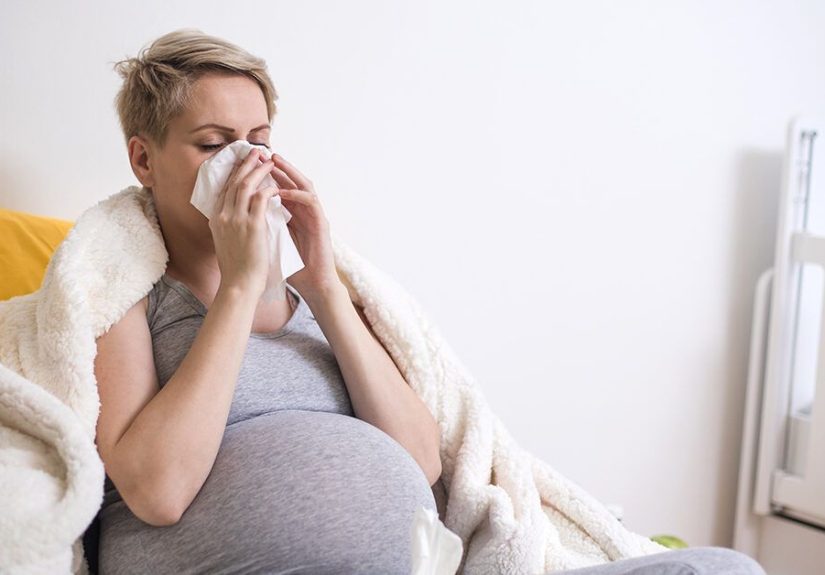
How RSV Affects Pregnant People
Here’s the part that often surprises people: if you’re otherwise healthy,
RSV itself usually doesn’t make pregnancy extremely dangerous for you. Many
pregnant people who catch RSV have mild, cold-like symptoms and recover at
home with rest, fluids, and time.
That said, your body is working harder during pregnancy. Your heart
is pumping more blood, your lungs have less room, and your immune system
shifts to help protect the pregnancy. Any respiratory infection
RSV, flu, COVID, or even a rough coldcan hit a bit
harder. You may:
- Feel more short of breath than usual
- Become dehydrated more easily
- Have a harder time sleeping and eating well while sick
Some studies suggest RSV in pregnancy is linked to higher odds of
preterm birth (delivering before 37 weeks). But the
research so far does not show that RSV clearly causes birth
defects, miscarriages, or stillbirths on its own. In most cases, the virus
makes mom feel lousy, and the stress on her body may nudge an already
vulnerable pregnancy toward early deliverybut that risk is still relatively
low overall.
Bottom line: RSV during pregnancy is usually manageable, but it’s worth
taking seriouslyespecially if you have:
- Asthma or another chronic lung condition
- Heart disease
- A weakened immune system
- Other complications in the pregnancy
Why RSV Matters So Much for Your Baby
While RSV might just feel like “a bad cold” to you, it can be much more
serious for a newborn, especially in the first few months of life. Small
airways, immature immune systems, and tiny reserves of energy mean babies
can struggle with:
- Fast or labored breathing
- Feeding less because breathing is hard work
- Dehydration (fewer wet diapers, dry mouth)
- Needing oxygen or monitoring in the hospital
That’s the big picture: RSV prevention in pregnancy is mostly about
protecting the baby after birth, when they are at their most
vulnerable.
Your RSV Prevention Toolbox During Pregnancy
You have three big layers of protection: everyday habits, vaccination during
pregnancy, and options for your baby after birth. Let’s walk through each
one in plain language.
1. Everyday Habits That Actually Help
No, you don’t have to live in a bubble. But a few simple choices can lower
your family’s RSV risk:
-
Hand hygiene. Wash hands often with soap and water or use
hand sanitizer, especially after changing diapers, wiping noses, or coming
home from public places. -
The “don’t share sips” rule. Cups, utensils, straws,
water bottlesRSV loves these. Everyone gets their own. -
Keep sick people away from your newborn. This includes
“It’s just allergies” uncle and “It’s only a little cough” coworker. -
Clean high-touch surfaces. Doorknobs, remotes, phones,
and toys can all carry germs. -
Masking and distancing when needed. If RSV is surging in
your area or you’re in a crowded indoor space, masking is a reasonable
extra layerespecially in late pregnancy.
Are these habits perfect? No. Do they cut down on the number of viruses you
bring home to a newborn? Absolutely.
2. The Maternal RSV Vaccine (Abrysvo): How It Works
The big change in recent RSV seasons is the availability of a
maternal RSV vaccine (Pfizer’s Abrysvo) designed
specifically for pregnancy. Here’s the simple version of how it works:
-
You get a single dose of the RSV vaccine during pregnancy
(no series or boosters right now). - Your immune system builds antibodies against RSV over about two weeks.
- Those antibodies cross the placenta and reach your baby.
-
After birth, your baby starts life with ready-made RSV protection from
you.
In the United States, health agencies recommend offering the maternal RSV
vaccine to pregnant people who are:
- Between 32 and 36 weeks pregnant (roughly month 8) and
-
Expected to deliver during or just before RSV season, usually
September through January in most of the U.S.
Why that timing? Giving it too early might mean antibodies fade before your
baby is born. Giving it too late might not leave enough time for your body
to make antibodies and pass them on. That 32–36 week window is the sweet
spot for getting the most protection into your baby at just the right time.
How Well Does the Maternal RSV Vaccine Work?
Clinical trials and early real-world data show that maternal RSV vaccination
can:
-
Reduce severe RSV-related lower respiratory tract disease
in infants during the first 6 months of life -
Cut RSV-related hospitalizations in the youngest infants,
especially under 3 months of age
That’s a big deal, because hospitalizations for RSV in babies under 6 months
were common before these tools were available. Now, early seasons with the
vaccine and infant antibody options on board are already showing meaningful
drops in RSV hospitalizations.
Is the Maternal RSV Vaccine Safe?
Safety is the number one question on most pregnant people’s minds, and
rightfully so. Here’s what to know:
-
Common side effects look similar to other vaccines:
soreness at the injection site, mild fatigue, headache, or low-grade
fever. -
In clinical trials, there were slightly more preterm births
in the vaccine group versus placebo, but the difference was not clearly
statistically significant in the approved dosing window. -
Because of that signal, regulators limited the vaccine window to
32–36 weeks and continue to monitor for safety in the real world. -
Large reviews so far have not shown a major increase in serious pregnancy
complications linked directly to the vaccine, but monitoring is ongoing.
Translation: for most pregnant people, the benefit of protecting a newborn
from severe RSV is considered to outweigh the potential risks, especially
when the shot is given in the recommended 32–36 week window. But this is a
deeply personal decision, and it should be made in conversation with your
prenatal care provider.
3. Infant RSV Protection After Birth: Monoclonal Antibodies
The other major tool is a preventive
monoclonal antibody injection given directly to your baby,
often shortly after birth or before their first RSV season. You might hear
brand names like nirsevimab.
Instead of coaching your immune system to make its own antibodies, this shot
gives your baby ready-made antibodies against RSV. It’s especially helpful
when:
- You did not receive the maternal RSV vaccine
- You delivered outside the ideal vaccine window
- Your baby is at particularly high risk (for example, very premature or with certain heart or lung conditions)
Typically, health authorities recommend either maternal vaccination
or infant monoclonal antibodies for most babies, not both. Your
pediatrician and OB/GYN can help you decide which strategy makes the most
sense for your family.
Common Questions About RSV and Pregnancy
Can RSV Harm My Baby While I’m Still Pregnant?
So far, studies don’t show that RSV causes specific birth defects. The
bigger concern is how sick you get and how your body responds. High
fever, low oxygen levels, and significant illness can sometimes trigger
contractions or contribute to preterm delivery, especially if other risk
factors are already present.
That’s why it’s important to:
- Stay well hydrated
- Monitor your temperature
- Call your provider if you feel very short of breath or unwell
- Seek urgent care for any signs of trouble breathing or decreased baby movement
Is It Safe to Get RSV, Flu, and COVID Vaccines in the Same Pregnancy?
Yes. Current guidance supports vaccination against COVID-19,
influenza, and RSV during pregnancy,
because all three viruses can cause serious disease in pregnant people and
newborns. Some people may choose to get more than one vaccine at the same
visit; others prefer spacing them out to keep side effects manageable.
There’s no one “right” schedule for everyone, so your provider can help you
map out timing based on your due date, RSV season in your region, and how
you’ve reacted to vaccines in the past.
What If I’m Already Past 36 Weeks?
If you’re past the recommended window for maternal RSV vaccination, don’t
panic. You still have options:
- Focus on everyday prevention habits
- Talk with your baby’s pediatrician about RSV monoclonal antibodies after birth
- Limit close contact between your newborn and sick people whenever possible
In other words, you haven’t “missed your chance”you’ve just shifted your
strategy from pregnancy-based protection to infant-based protection.
What to Do If You Get Sick with RSV While Pregnant
RSV is diagnosed based on symptoms and, in some cases, a nasal swab test.
Your provider might not always test you specifically for RSV if it won’t
change your treatment. Whether it’s RSV or another respiratory virus, these
steps are usually recommended:
- Rest as much as you reasonably can
- Drink plenty of fluids (water, broth, electrolyte drinks)
- Use pregnancy-safe fever reducers and pain relievers if needed (only as directed by your provider)
- Sleep with your head elevated to ease breathing
- Use a cool-mist humidifier to help with congestion
Call your provider right away or seek urgent/emergency care if you notice:
- Difficulty breathing, chest pain, or very rapid breathing
- High fever that won’t respond to medication
- Signs of dehydration (very dark urine, dizziness, confusion)
- Contractions, vaginal bleeding, or fluid leaking
- Significantly decreased fetal movement
Typically, there is no specific antiviral drug for RSV used
routinely in pregnancy, so treatment focuses on supportive care and
monitoring. Most people recover fully with time.
Making a Simple RSV Plan with Your Care Team
To keep things manageable, think in terms of a three-part plan:
First Trimester (Weeks 1–13)
- Focus on general immune health: sleep, nutrition, hydration.
- Talk with your provider about your overall vaccine plan for this pregnancy.
- If you’re pregnant during RSV season, start basic hygiene and crowd-avoidance habits.
Second Trimester (Weeks 14–27)
- Review your risk factors (chronic lung disease, heart problems, immune issues).
- Discuss RSV, flu, and COVID-19 vaccines and timing in more detail.
- Ask about RSV season in your region so you can plan ahead.
Third Trimester (Weeks 28–40)
-
If you’ll be 32–36 weeks pregnant between September and January in the
U.S., talk about whether the maternal RSV vaccine fits your situation. -
If you’re delivering outside RSV season or past the window, plan with your
pediatrician for infant RSV antibodies after birth if appropriate. -
Set expectations with family and friends about visiting rules when baby
arrives (no sick visitors, handwashing, etc.).
Having this conversation early means you’re not trying to make a big health
decision while you’re already in labor, exhausted, or in the haze of
newborn life.
Real-Life Experiences: Navigating RSV and Pregnancy
Facts and statistics are helpful, but many parents make their final
decisions based on a mix of science, personal values, and lived experience.
Here are a few real-world scenarios (combined and anonymized from common
stories) that show how different families approach RSV and pregnancy.
Case 1: The First-Time Parents Who Wanted “Every Layer”
Emma was pregnant with her first baby and due in late Novembersquarely
during RSV season. She has mild asthma, and her partner works in a busy
office. After talking with her OB and reading about RSV in infants, she felt
strongly about doing everything reasonably available to lower the chance of a
hospitalization.
At 33 weeks, she received the maternal RSV vaccine during the same visit
where she got her flu shot. She had a sore arm and felt a little tired the
next day, but otherwise recovered quickly. She and her partner also agreed
on a “healthy visitors only” rule for the first two months: everyone washed
their hands, no one kissed the baby’s face, and anyone with a sniffle stayed
home.
Their baby was born at 39 weeks, had the usual winter sniffles later on, but
never needed hospital care. Emma says the biggest benefit of the vaccine,
honestly, was peace of mind: she could scroll through RSV headlines without
spiraling into anxiety because she knew they were following evidence-based
protection steps.
Case 2: The Parent Who Missed the Window
Maya found out about the maternal RSV vaccine at 37 weeksjust outside the
recommended window. She felt frustrated and a little guilty, wondering if
she had “failed” to protect her baby. Her OB reassured her that she hadn’t
done anything wrong and that there was still an excellent backup option:
infant RSV monoclonal antibodies.
After her baby was born in early October, their pediatrician gave the baby a
preventive RSV antibody shot at the first newborn visit. Maya and her
partner kept visits small and emphasized handwashing with guests. Their baby
made it through the season with only minor colds.
For Maya, the key learning was this: pregnancy health choices are almost
never “all or nothing.” Even if something doesn’t line up perfectly
schedules, timing, insurance coverageyou still have meaningful ways to
protect your baby.
Case 3: The Parent Who Was Unsure About the Vaccine
Jordan was comfortable with flu and COVID-19 shots but felt hesitant about a
newer vaccine during pregnancy. They also had a relatively low-exposure
lifestyle: working from home, no older kids in daycare, and a small social
circle.
After a long discussion with their OB, they decided to skip the maternal RSV
vaccine this pregnancy and instead focus on strong household precautions and
infant protection. They planned with their pediatrician to give their baby
the RSV monoclonal antibody before the local RSV season kicked into high
gear.
Jordan says they felt respected because their provider focused on helping
them make an informed decision instead of pushing them in only one
direction. They appreciated knowing there were still good options to protect
their baby even without the maternal shot.
What These Stories Have in Common
These experiences are all different, but they share a few themes:
- There’s more than one “right” plan. Maternal RSV vaccine, infant antibodies, or both at different timeseach can be reasonable depending on your situation.
- Communication is everything. The most satisfied parents felt heard by their providers and had time to ask questions without judgment.
- Small habits matter. Handwashing, visitor rules, and staying home when sick may not be glamorous, but they’re powerful tools against RSV and lots of other viruses.
Your pregnancy, your baby, and your life circumstances are unique. The goal
isn’t to copy someone else’s exact path. It’s to understand the options well
enough that, when you look back, you can say, “We made thoughtful choices
with the information we hadand that’s all anyone can ask.”
The Bottom Line
RSV is common, and it’s not going away. But pregnancy is no longer a season
of helpless waiting while viruses circulate. Between maternal RSV
vaccination, infant antibody options, and sensible prevention habits, you
and your care team can meaningfully reduce the chance that your newborn ends
up seriously sick from RSV.
The most important step? Talk with your prenatal care provider and your
baby’s future pediatrician. Ask how RSV typically behaves in your region,
whether you’re likely to deliver during RSV season, and which prevention
approach fits best for your health history, timing, and comfort level.
You don’t have to figure it out aloneand you definitely don’t need to
doom-scroll your way through pregnancy. With a clear plan and good support,
RSV becomes one more challenge you’re fully capable of handling.