Table of Contents >> Show >> Hide
- What Are Hedgehog Mushrooms?
- Why Sautéed Hedgehog Mushrooms Are So Good
- How to Clean and Prep Hedgehog Mushrooms
- Simple Sautéed Hedgehog Mushrooms Recipe
- Serving Ideas and Variations
- Foraging and Safety Basics (Quick Overview)
- Storage and Make-Ahead Tips
- Conclusion
- Experiences and Extra Tips for Cooking Sautéed Hedgehog Mushrooms
No, we’re not cooking tiny woodland animals. Hedgehog mushrooms are one of the
most delicious wild mushrooms you can put in a pannutty, a little sweet, and
wonderfully meaty. When you simply sauté them in butter or olive oil, they
taste like you did something fancy, even though you basically just stood
there and stirred for a few minutes.
In this guide, you’ll learn what hedgehog mushrooms are, how to clean and
prepare them, and how to make a simple but seriously impressive sautéed
hedgehog mushroom recipe. We’ll also cover serving ideas, storage tips, and
some “from the pan” experience-based tricks to help you nail the texture and
flavor every time.
What Are Hedgehog Mushrooms?
Hedgehog mushrooms (most commonly Hydnum repandum) are wild mushrooms
known for the soft, tooth-like “spines” on the underside of their caps
instead of gills. Those little teeth are the giveaway that you’re dealing
with a hedgehog and not another mushroom. They grow on forest floors in
association with trees and are considered a choice edible by foragers and
chefs.
Flavor-wise, hedgehog mushrooms are often described as sweet, nutty, and
mildly peppery. They keep a firm, slightly chewy bite even after cooking,
which makes them perfect for sautéing. Many foragers think of them as a
“cousin” to chanterelles and use them the same wayin simple sautés, tossed
with pasta, or served over steak, polenta, or toast.
One reason hedgehog mushrooms are popular with beginners is that they have
no known poisonous lookalikes, though you should always confirm your ID with
a local expert or trusted field guide before eating any wild mushroom.
Why Sautéed Hedgehog Mushrooms Are So Good
Hedgehogs shine when you keep things simple. A hot pan, some butter or olive
oil, a little garlic, salt, and pepperthat’s all you really need. Because
they have a naturally dense texture and a mild, nutty flavor, sautéing lets
the mushrooms brown and concentrate without drowning them in sauce.
Sautéed hedgehog mushrooms work as:
- A stand-alone side dish with steak, roast chicken, or grilled fish
- A topping for creamy polenta or risotto
- A luxe toast topper with a fried egg for brunch
- An add-in for pasta, especially with garlic, herbs, and Parmesan
Think of them as a wild mushroom upgrade for almost any recipe that calls
for sautéed mushrooms.
How to Clean and Prep Hedgehog Mushrooms
Cleaning hedgehog mushrooms is all about getting rid of dirt and forest
debris without turning them soggy. They’re usually less gritty than some
other wild mushrooms, but those little teeth can trap bits of soil and
needles if the mushrooms were growing low to the ground.
Step-by-step cleaning guide
-
Trim the stem bases. Use a small knife to slice off any
dirt-caked stem ends. -
Brush off debris. Use a soft mushroom brush, clean
toothbrush, or even a folded paper towel to gently brush dirt from the
caps, stems, and between the teeth. -
Optional quick rinse. If the mushrooms are especially
dirty, give them a very quick rinse under cool running water and pat them
dry immediately with a clean kitchen towel. A brief rinse won’t ruin them;
any extra moisture will cook off in a hot pan. -
Remove stubborn spines (optional). Some cooks like to rub
off loose teeth under running water so they don’t shed all over the pan.
This isn’t mandatory, but it can give you a cleaner-looking finished dish. -
Slice or leave whole. Smaller hedgehogs look gorgeous
cooked whole or halved; larger ones can be cut into thick slices or
“steaks” so they brown evenly.
Once clean and dry, the mushrooms are ready for the skillet. Don’t slice
them too thinthicker pieces keep their meaty bite and don’t shrivel away to
nothing.
Simple Sautéed Hedgehog Mushrooms Recipe
This recipe is designed to let the flavor of hedgehog mushrooms shine. It
makes about 2–3 servings as a side dish, or enough to top four pieces of
toast.
Ingredients
- 12 ounces (about 340 g) cleaned hedgehog mushrooms, trimmed and sliced
- 2 tablespoons unsalted butter
- 1 tablespoon extra-virgin olive oil
- 2 cloves garlic, thinly sliced or finely minced
- 1 small shallot, finely chopped (optional but recommended)
- 1 teaspoon fresh thyme leaves or 1/2 teaspoon dried thyme
- 1 tablespoon chopped fresh parsley
- Salt, to taste (start with 1/2 teaspoon kosher salt)
- Freshly ground black pepper, to taste
- Squeeze of fresh lemon juice (about 1–2 teaspoons)
Instructions
-
Preheat the pan. Set a large, heavy skillet (cast iron is
ideal) over medium-high heat. Let it heat thoroughlythis is key to
getting good browning instead of steaming. -
Dry sauté first. Add the mushrooms to the dry, hot pan
with no fat yet. Spread them out into a single layer. They’ll start to
release moisture; cook, stirring occasionally, until that liquid mostly
evaporates, 3–5 minutes. -
Add the butter and oil. Once the pan looks nearly dry,
add the butter and olive oil. When the butter foams, shake the pan so the
fat coats the mushrooms. -
Brown the mushrooms. Let the mushrooms cook, mostly
undisturbed, for 2–3 minutes so they can brown on one side. Then stir and
continue to sauté for another 3–5 minutes, until golden brown in spots and
aromatic. -
Add aromatics. Push the mushrooms toward the edges of the
pan to make a small space in the center. Add the garlic and shallot to the
middle. Cook just until the garlic is fragrant and lightly golden, 30–60
seconds, stirring frequently so it doesn’t burn. -
Season and finish. Sprinkle in the thyme, salt, and
pepper. Toss everything together. Turn off the heat and add the parsley
and a squeeze of lemon juice to brighten the flavors. -
Taste and adjust. Taste a piece and adjust salt, pepper,
and lemon as needed. Wild mushrooms are naturally variable, so seasoning
is always a last-minute decision. -
Serve hot. Transfer immediately to plates, toast, or
bowls so the mushrooms don’t keep cooking and turn rubbery.
Serving Ideas and Variations
Over toast
Pile the sautéed hedgehog mushrooms on thick, buttered sourdough or country
bread. Add shaved Parmesan and a fried or poached egg on top for a brunch
that looks like it came from a fancy café.
With pasta
Toss the mushrooms with hot cooked pasta, a drizzle of olive oil or a splash
of cream, and extra Parmesan. The nutty flavor of hedgehog mushrooms pairs
beautifully with simple garlic-and-herb pasta sauces.
As a steak or chicken side
Serve the sautéed mushrooms alongside grilled steak, roast chicken, or pork
chops. You can even deglaze the mushroom pan with a splash of white wine or
stock, then pour that over the meat as a quick pan sauce.
With grains or polenta
Spoon the mushrooms over creamy polenta, farro, or barley for a cozy,
forest-inspired bowl. Finish with extra herbs and a small knob of butter for
richness.
Foraging and Safety Basics (Quick Overview)
If you’re cooking hedgehog mushrooms you foraged yourself, always make sure
of three things:
-
Correct identification. Hedgehogs are relatively
beginner-friendly, but you must still confirm your ID using more than one
reliable source or a local mushroom club or expert. -
Good condition. Avoid mushrooms that are very old,
mushy, strongly bitter, or full of insect tunnels. Older hedgehogs can
become bitter and less pleasant to eat. -
Cook thoroughly. Like most wild mushrooms, hedgehogs
should be cooked before eating; sautéing softens their texture and brings
out their best flavor.
When in doubt, skip it. There will always be more mushrooms another day.
Storage and Make-Ahead Tips
Fresh hedgehog mushrooms are best eaten within a few days of harvesting or
buying. Store them loosely wrapped in paper towels or a paper bag in the
refrigerator, not in a sealed plastic container, so they can breathe and
don’t get slimy.
Leftover sautéed hedgehog mushrooms will keep in an airtight container in
the fridge for up to 3 days. Reheat them gently in a skillet over medium
heat with a small splash of water or stock so they don’t dry out.
For longer storage, many foragers like to sauté the mushrooms briefly in
butter, cool them, and then freeze. The texture holds up better than freezing
them raw, and you can toss them straight into hot pans, soups, or sauces
later.
Conclusion
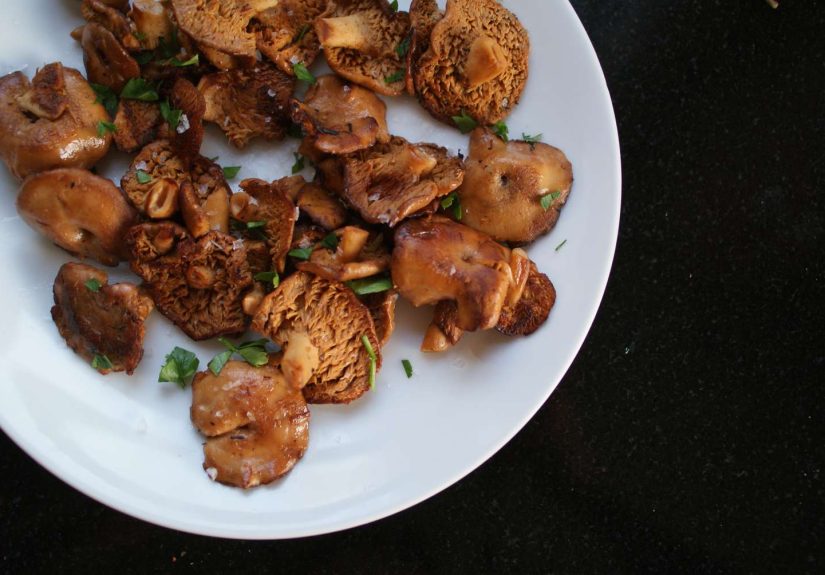
Sautéed hedgehog mushrooms are one of those dishes that look fancy but are
surprisingly simple. With a hot pan, a bit of butter, and a few aromatic
helpers, you can turn a basket of foraged fungi (or a farmer’s market
score) into a restaurant-level side or main component in under 15 minutes.
Whether you’re spooning them over toast, swirling them into pasta, or
serving them alongside a perfectly cooked steak, this sautéed hedgehog
mushroom recipe lets the mushrooms do the talking: sweet, nutty, and just a
little wild.
SEO wrap-up
meta_title: Sautéed Hedgehog Mushrooms Recipe
meta_description:
Learn how to clean, prep, and sauté hedgehog mushrooms for maximum flavor, with simple variations and serving ideas.
sapo:
Sautéed hedgehog mushrooms might be the most satisfying way to enjoy this wild “tooth” fungus. With their naturally sweet, nutty flavor and firm, meaty texture, hedgehogs practically beg for a hot pan, a little butter, and a sprinkle of fresh herbs. This in-depth guide walks you through everything from cleaning and prepping your mushrooms to mastering a simple, golden-brown sauté, plus smart serving ideas, foraging and safety basics, and storage tips. Whether you’re a seasoned forager or just discovered hedgehogs at a specialty market, you’ll learn exactly how to turn them into a show-stopping side dish or main component that tastes like it came from a forest-inspired bistro.
keywords:
sautéed hedgehog mushrooms, hedgehog mushroom recipe, wild mushroom recipe, how to cook hedgehog mushrooms, foraged mushrooms, sautéed wild mushrooms, mushroom side dish
Experiences and Extra Tips for Cooking Sautéed Hedgehog Mushrooms
Once you’ve made this recipe a couple of times, you start to notice all the
little quirks that make hedgehog mushrooms fun to cook. One of the first
things you’ll see is how different each batch behaves in the pan. Some
harvests release a lot of moisture at the dry-sauté stage, while others are
almost dry from the beginning. That’s normalrainfall, growing conditions,
and the age of the mushrooms all affect how much water they hold.
If your mushrooms flood the pan at first, don’t panic. Just keep the heat at
medium-high and stir occasionally. You’ll see the liquid bubbling, then
slowly evaporating. The mushrooms will shrink a bit and start to squeak
against the pan as they dry out. That’s your cue that it’s time to add the
butter and oil. If you jump in with fat too early, you’ll end up boiling the
mushrooms in butter instead of browning them, which gives you a softer,
less flavorful result.
Another lesson you learn quickly: don’t crowd the pan. Hedgehogs are
chunky, and when you pile them too high, they sit on top of each other and
steam. If you have a big harvest, it’s better to sauté in two batches than
to try to force everything into one skillet. The difference in browning is
obvious, and so is the flavor. Properly browned hedgehog mushrooms taste
deeper, nuttier, and more savorylike the difference between boiled and
roasted potatoes.
Heat management also matters. If the heat is too low, the mushrooms give up
moisture and then sit in it, turning floppy. If the heat is too high, the
garlic can burn before the mushrooms are fully cooked. A good trick is to
start at medium-high for the dry sauté and initial browning, then dial the
heat down to medium when you add garlic, shallot, or herbs. That way, you
get all the caramelization on the mushrooms without ending up with bitter,
scorched aromatics.
Seasoning is another place where experience pays off. Wild mushrooms are
like peopleno two are exactly the same. Some hedgehogs run sweeter, some
a bit more peppery, and older ones can carry a hint of bitterness. Instead
of dumping in a fixed amount of salt at the beginning, it’s smarter to add a
modest amount during cooking, then taste and adjust right at the end. A
squeeze of lemon does wonders here; it brightens the flavors and softens any
bitter edges, especially if your mushrooms are a little older.
If you like experimenting, hedgehog mushrooms are a fantastic canvas. You
can swap thyme for rosemary, add a splash of white wine or sherry to the pan
after browning, or finish with a spoonful of crème fraîche for a velvety
sauce. A pinch of smoked paprika or a few drops of truffle oil can take the
dish in a more “cheffy” direction, while a handful of chopped bacon or
pancetta creates a rich, smoky base that makes the mushrooms taste even more
substantial.
One more practical tip from experience: think about how you cut the
mushrooms in relation to how you plan to serve them. For toast, large slices
or small whole caps give you dramatic, photogenic pieces that sit nicely on
bread. For pasta or grain bowls, smaller chunks that cling to noodles and
nestle into grains work better. The mushrooms will feel different in each
dish, even though the seasoning and cooking method are basically the same.
Finally, don’t underestimate the joy factor. There’s something deeply
satisfying about taking a mushroom that grew quietly on a forest floor,
cleaning it up, and turning it into a golden, buttery pan of food that
perfumes your whole kitchen. Whether you foraged the hedgehogs yourself or
bought them at a specialty market, sautéing them well is a way of honoring
that ingredient. Once you’ve mastered this simple recipe, hedgehog mushrooms
stop being mysterious “wild things” and become an old friend you’re always
happy to see in your skillet.