Table of Contents >> Show >> Hide
- Table of Contents
- What Sea Moss Is (and Why the Name Gets Confusing)
- Sea Moss Nutrition: What’s Inside the Seaweed
- Sea Moss Benefits: What the Evidence Suggests
- Risks, Side Effects, and Who Should Be Careful
- How to Choose Sea Moss Products Wisely
- How to Prepare Sea Moss (Dried to Gel)
- Easy Ways to Use Sea Moss Gel (Without Ruining Dinner)
- Real-World Experiences: What People Notice (About )
- Bottom Line
Sea moss is having a moment. If you’ve seen it in smoothies, spooned out of jars like “ocean pudding,” or
promised to do everything except your laundry, you’re not alone. Sea moss (a type of red seaweed) has been used
for generations as a thickener and traditional foodthen social media arrived and turned it into a wellness headline.
So what’s real, what’s hype, and how do you actually prepare it without making your kitchen smell like low tide?
Quick note: This article is for general education, not medical advice. If you have a thyroid condition, are pregnant,
breastfeeding, or take medications, talk with a licensed clinician before using sea moss supplements.
What Sea Moss Is (and Why the Name Gets Confusing)
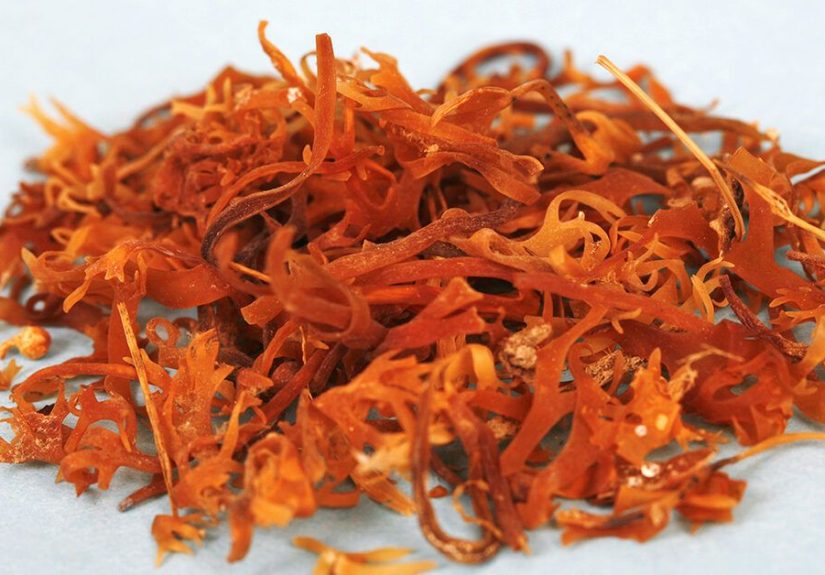
“Sea moss” is a catch-all marketing term, not a single standardized ingredient. In many U.S. products, “sea moss”
refers to varieties of red algaecommonly associated with Irish moss (often discussed as
Chondrus crispus) and sometimes other red seaweeds used in similar ways. The big takeaway:
sea moss is seaweed, and like most seaweeds, its nutrient content can vary widely depending on
the species, where it grew, and how it was processed.
Sea moss vs. Irish moss vs. “any seaweed in a trench coat”
Irish moss is famous in cooking because it contains natural polysaccharides that help liquids thicken and gel.
That “gelling” talent is part of why sea moss gel became a smoothie add-in. But don’t assume every product is the
same. One brand’s jar may be mostly blended seaweed and water; another may be a supplement capsule with concentrated
ingredientsor a blend that includes other seaweeds (like bladderwrack or kelp), which can dramatically change
iodine levels.
The sea moss “texture superpower” comes from its fibers
Seaweeds contain soluble fibers and other compounds that hold water welluseful in foods, and one reason people
describe sea moss gel as “silky,” “slippery,” or (depending on their mood) “like a spa mask you can swallow.”
That same thickening ability can be helpful in recipes, but it’s also why some people notice digestive effects
when they start using it.
Sea Moss Nutrition: What’s Inside the Seaweed
Sea moss is best described as mineral-rich rather than “vitamin-loaded.” Like many seaweeds, it can
contain iodine and a range of trace minerals. But here’s the nuance: the exact amounts can vary so much that two
different products may feel like they come from two different planetseven if the labels look similar.
Key nutrients people talk about
- Iodine: Essential for thyroid hormone production. Seaweed can be a meaningful iodine source, but amounts vary.
- Minerals: Often includes magnesium, potassium, calcium, and small amounts of iron and zinc (depending on product and origin).
- Soluble fiber: Helps explain sea moss’s thick texture and may support digestion and satiety.
- Antioxidant compounds: Seaweeds contain various bioactive compounds, but human evidence for specific outcomes is limited.
Why sea moss nutrition labels can be… optimistic
Sea moss is not like a standardized vitamin tablet. Species differences, harvest waters, and processing
(rinsing, drying, blending, heating) all affect nutrient levels. Some products also combine sea moss with
other ingredients, which can change the nutrition profile dramatically. Translation: sea moss may contribute
nutrients, but it’s not a dependable “multivitamin replacement.”
Sea Moss Benefits: What the Evidence Suggests
Let’s separate plausible benefits (based on nutrition and how seaweed behaves in the body) from
guaranteed outcomes (which would require strong human studies). Sea moss sits mostly in the first
category: interesting, potentially helpful, but not a magic wand.
1) Thyroid support (mostly an iodine story)
The thyroid uses iodine to make hormones that help regulate metabolism and many body functions. If someone’s diet
is low in iodine, seaweed-based foods could help fill that gap. That said, iodine is a “Goldilocks” nutrient:
too little is a problem, and too much can also be a problem. Because iodine levels in seaweed can
be high and unpredictable, this is one of the main reasons clinicians advise caution with sea mossespecially in
people with thyroid conditions.
2) Gut comfort and “de-bloating” claims
Sea moss contains soluble fiber and gel-forming compounds. In plain English, it can act a bit like a gentle
thickener inside the digestive tract. Some people report feeling “less snacky” or more regular when they add sea
moss gel to smoothies or oats. The most realistic explanation is fiber + hydration + routine:
adding a consistent, fiber-containing food to your day can change how digestion feels.
Important reality check: if your bloating is caused by something else (food intolerance, IBS, constipation,
stress, hormone shifts), sea moss might not helpand could sometimes make symptoms worse for sensitive stomachs.
3) Heart health and cholesterol (the soluble fiber angle)
Soluble fiber is associated with heart-friendly effects in many foods (think oats, beans, psyllium). Seaweeds also
contain fibers that may support healthy cholesterol levels. But the key is scale: the amount of fiber you get from
a small spoon of sea moss gel may be modest. Sea moss can be part of a heart-healthy pattern, but it’s not a
substitute for the big hittersfiber-rich plants, healthy fats, and overall dietary consistency.
4) Skin, hair, and “glow”
Sea moss has minerals and compounds that sound great in theory, and topical seaweed extracts show up in skincare
products for a reason. When it comes to eating sea moss for “glow,” the evidence is mostly indirect: if sea moss
helps you improve your overall nutrition, hydration habits, or consistency with nutrient-dense foods, your skin may
look better. But it’s not a guaranteed before-and-after transformation (and your pores are not legally obligated to
cooperate with TikTok).
5) Immune support
“Immune boosting” is one of the most overused phrases in wellness marketing. Sea moss contains nutrients involved
in normal immune function, but strong human trials proving sea moss prevents illness are not a thingat least not
in a way that lets us make bold promises. The safer takeaway: sea moss can contribute nutrients, and nutrients help
your body function as designed. That’s the least dramatic sentence you’ll read today, and also the most honest.
Risks, Side Effects, and Who Should Be Careful
Sea moss is a food, but many sea moss products are marketed like supplementsand supplements come with real-world
risks: inconsistent labeling, variable ingredient strength, and contamination concerns. If you’re going to try sea
moss, these are the guardrails that matter.
1) Too much iodine (especially with thyroid conditions)
Excess iodine can disrupt thyroid function in some people, potentially triggering hypo- or hyperthyroid symptoms.
The risk rises when sea moss is combined with other iodine-rich seaweeds (like kelp) or when people take multiple
“thyroid support” products at once. If you have thyroid diseaseor a family history of itthis is not the place to
freestyle.
2) Heavy metals and contaminants
Seaweeds can absorb elements from their environment. That’s part of what makes them mineral-rich, and also part of
what raises concerns about contaminants. This is why sourcing matters and why third-party testing is a big deal in
the supplement world. If a product can’t tell you anything about testing or quality controls, it’s reasonable to
be skeptical.
3) Digestive upset
Some people notice gas, looser stools, or stomach discomfortespecially if they jump in with large amounts or have
sensitive digestion. Because sea moss gel is thick and fiber-like, easing in (and paying attention to your own
tolerance) is smarter than “more is more.”
4) Medication interactions and special populations
If you’re pregnant, breastfeeding, managing autoimmune conditions, or taking medications (especially thyroid meds),
don’t self-prescribe sea moss supplements. Food-level seaweed intake is one conversation; concentrated capsules,
tinctures, or blends are another. When in doubt, ask a clinician who knows your medical history.
5) The carrageenan conversation
Carrageenan is a compound extracted from certain red seaweeds and used as a thickener in many foods. It’s also a
topic people debate online. One practical point: sea moss gel is a whole-food preparation, while “carrageenan” in
packaged foods is typically an extracted ingredient. People who notice GI sensitivity may prefer to monitor how
their body reacts and avoid stacking multiple thickening additives in one day.
How to Choose Sea Moss Products Wisely
The sea moss aisle (online or in stores) can feel like the Wild Westwith better fonts. Use these checkpoints to
lower your risk and increase your odds of buying what you think you’re buying.
Look for quality signals, not miracle claims
- Third-party testing/certification: Prefer products that mention reputable testing programs or quality verification (e.g., NSF/USP-style language).
- Clear ingredient list: “Sea moss + water” is different from “sea moss + kelp + bladderwrack + 14 mystery botanicals.”
- Species and origin info: Brands that can tell you what the seaweed is and where it comes from tend to be more transparent overall.
- Realistic health messaging: If it claims to cure everything, it’s trying to cure your wallet of its money.
Food form vs. supplement form
If you’re curious, many people start with food-style sea moss gel used in small amounts in
recipes. Supplements (capsules, concentrated powders) can deliver a bigger dose of whatever is insidebeneficial
nutrients and potential risksso they require more caution and better sourcing.
How to Prepare Sea Moss (Dried to Gel)
Making sea moss gel at home is basically a “clean, soak, blend” situation. The goal is to remove debris and salt,
hydrate the seaweed, then blend it into a smooth gel you can store and use in small amounts.
What you’ll need
- Dried sea moss (from a reputable source)
- A large bowl
- A fine strainer
- Fresh water
- A blender
- A clean jar with a lid
Step-by-step preparation
- Rinse well: Place dried sea moss in a strainer and rinse under cool water, gently rubbing to remove sand/salt.
- Soak: Transfer to a bowl and cover with fresh water. Let it soak until it expands and softens (often several hours or overnight).
- Rinse again: Drain and rinse one more time. If it smells strongly “oceanic,” another rinse can help.
- Blend: Add softened sea moss to a blender with fresh water (start with a little, add more as needed) and blend until smooth.
- Chill to set: Pour into a clean jar and refrigerate. The mixture usually thickens into a gel as it cools.
Storage and food safety
- Use a clean jar and utensils to reduce contamination risk.
- Keep refrigerated and watch for changes in smell, color, or texture.
- If you’re unsure whether it’s still good, treat it like any other perishable food: when in doubt, throw it out.
Easy Ways to Use Sea Moss Gel (Without Ruining Dinner)
Sea moss gel is easiest to use as a texture helperit blends into foods where you already expect
creaminess or thickness. If you try to eat it plain by the spoonful and dislike it, congratulations: you have
taste buds and a will to live. Put it in something.
Smoothie “stealth mode”
Add a small spoon of sea moss gel to a smoothie with strongly flavored ingredients like banana, cocoa, peanut
butter, cinnamon, or berries. The thicker the smoothie, the less you’ll notice the gel.
Oatmeal, chia pudding, and yogurt bowls
Stirring sea moss gel into warm oats or a pudding-style breakfast can boost the creamy factor. Pair with fruit,
nuts, and a pinch of salt (yes, saltyour oats deserve personality).
Soups and sauces
Sea moss gel can act like a gentle thickener in blended soups or sauces. Think: creamy tomato soup, pumpkin soup,
or a simple coconut curry sauce. Add it during blending rather than at the end, so it disperses smoothly.
A simple “starter” recipe idea
- Vanilla-cinnamon smoothie: Milk or non-dairy milk + banana + cinnamon + vanilla + ice + a small spoon of sea moss gel.
- Chocolate option: Add cocoa powder and a date for sweetness.
- Ginger-citrus option: Add fresh ginger and orange for a brighter flavor.
Real-World Experiences: What People Notice (About )
If you’re looking for the “human side” of sea mosswhat it’s like to actually try itmost experiences fall into a
few predictable categories. And no, the category “woke up as a glowing demigod” is not the most common one.
The first impression: smell and texture are the main characters
People who enjoy sea moss usually figure out one trick quickly: don’t make it a standalone snack.
The gel can be mildly ocean-scented, especially if it wasn’t rinsed thoroughly or if the seaweed is particularly
“fresh-from-the-sea” in aroma. Texture-wise, it’s smooth when blended well, but if it’s under-blended, it can feel
slightly grainy or slippery. The win is learning where it disappearssmoothies, soups, and creamy breakfasts.
The “I expected fireworks” phase
Many people start sea moss expecting a dramatic energy boost, instant de-bloating, or skin changes in 48 hours.
In reality, what’s more common is subtle: a slightly fuller feeling after a smoothie, a different
texture in food, or a mild change in digestion. When someone reports big changes, it’s often because sea moss
triggered a broader routine shiftlike consistently eating breakfast, drinking more fluids, or adding more fruit and
fiber to smoothies. Sea moss gets credit, but the lifestyle glow-up did the heavy lifting.
Digestive experiences are mixed (and that’s normal)
Some people say sea moss feels “soothing” in their stomachlikely because gel-like fibers can change how food moves
through the digestive system. Others report the opposite: gas, rumbling, or looser stools, especially at the start.
A common pattern is that tolerance improves when people use smaller amounts and pair it with foods
they already digest well. People with sensitive GI systems tend to do better when they treat sea moss like a new
food: try it slowly, observe, and don’t stack multiple new supplements at the same time.
The “quality matters” lesson
Another frequent experience is realizing that not all sea moss products behave the same. One jar tastes neutral and
blends smoothly; another tastes fishy or separates oddly; a third seems to include other seaweeds. This is where
people become label detectiveslooking for clearer sourcing, simpler ingredient lists, and brands that talk openly
about testing. Sea moss is one of those trends that quickly teaches a grown-up lesson: if a product is vague about
what it is, your body might be the one doing the surprise research project.
What “success” usually looks like
The most satisfied sea moss users tend to treat it as a small add-on, not a miracle plan. They use
it to thicken smoothies, boost consistency in a recipe, or add variety to a nutrient-dense eating pattern. They’re
not expecting it to replace vegetables, sleep, or medical care. Sea moss can be part of a wellness routinebut the
routine is still the star.
Bottom Line
Sea moss is a nutrient-containing seaweed with a long history in food uses and a very modern talent for going viral.
Its most believable benefits relate to what seaweed naturally providesiodine (with caution), minerals, and
soluble fibers that can support digestion and texture in recipes. The biggest watch-outs are also classic seaweed
issues: iodine variability, potential contaminants, and inconsistent supplement
quality. If you’re curious, start small, choose transparent products, and use it like foodnot like a cure.