Table of Contents >> Show >> Hide
If you’ve ever wished your murder mysteries came with more martinis, more banter, and a suspiciously clever fox terrier,
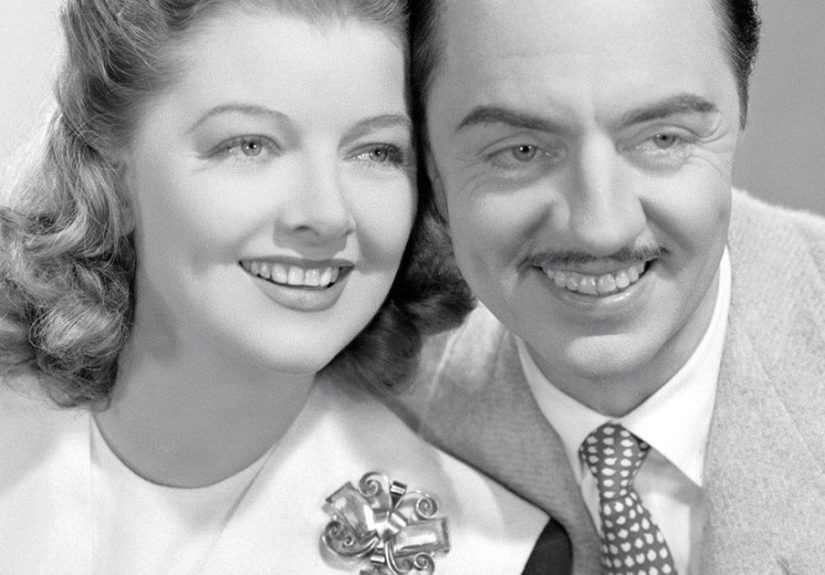
Shadow of the Thin Man is probably already on your radar. Released in 1941 as the fourth film in the beloved Thin Man
series, it reunites William Powell and Myrna Loy as Nick and Nora Charles, adds an older and cuter Nick Jr., and tosses them
into a tangle of racetrack gambling, wrestling rings, crooked reporters, and high society secrets.
But where does Shadow of the Thin Man actually rank among the six Thin Man movies? Fans and critics have been quietly
debating that for decades. Some call it the last truly great entry; others see it as the moment when the formula started to
show a few seams. In this deep dive, we’ll look at how the movie ranks in the series, why opinions differ, and what it’s like
to watch it today with modern eyes (and probably considerably less alcohol than Nick).
Where Shadow of the Thin Man Ranks in the Thin Man Series
A quick refresher on the series
Before we start rearranging your classic-movie shelf, a quick overview. The Thin Man cycle consists of six films following
suave retired detective Nick Charles and his whip-smart, equally boozy wife Nora:
- The Thin Man (1934)
- After the Thin Man (1936)
- Another Thin Man (1939)
- Shadow of the Thin Man (1941)
- The Thin Man Goes Home (1945)
- Song of the Thin Man (1947)
Shadow of the Thin Man sits squarely in the middle of the run: well past the novelty of the first film, but still
early enough that the series hasn’t completely run out of steam. It also marks a shift: the story is based on an original
concept rather than a Dashiell Hammett novel or story, and the movie leans even harder into screwball comedy alongside the
mystery.
How critics and fans rank it
Ask ten Thin Man fans to rank the films and you’ll probably get eleven answers, but a pattern does emerge. Modern overview
pieces and ranking lists from U.S.-based classic film writers and entertainment sites tend to agree on a few points:
-
The original The Thin Man is almost always #1. Its sparkling freshness, pre-Code vibe, and
perfect balance of mystery and flirtation keep it at the top. -
After the Thin Man and Another Thin Man usually fight for second and third. They’re
seen as big, confident follow-ups that still feel sharp and inventive. -
Shadow of the Thin Man typically lands in the upper middle. Many rankings place it 3rd or 4th
out of the six films, praising its energy and comedy but noting that it’s not quite at the level of the original. -
The Thin Man Goes Home and Song of the Thin Man are often at the bottom. Not hated,
but widely seen as the “late-period” entries when the formula is feeling a little tired.
On the numbers side, review aggregators and classic-film guides generally give Shadow of the Thin Man a strong
“B+” grade: very well-liked, not quite iconic. Critical approval is high, and audience scores are warm rather than lukewarm,
which matches the rankings trend: this is a movie people genuinely enjoy, even if it’s rarely their single favorite.
Why People Love Shadow of the Thin Man
Nick and Nora’s chemistry is still the main attraction
Let’s be honest: nobody comes to a Thin Man movie solely for the clues. They come for Powell and Loy, and in
Shadow of the Thin Man their rhythm is as effortless as ever. The racetrack outing that turns into a murder
investigation works because Nick and Nora treat crime-solving like a mildly annoying interruption to their date day.
Their repartee feels like an established marriage that never lost its spark, and that easy chemistry is a big reason
why many critics consider the film one of the better sequels.
There’s also a subtle shift: Nick Jr. is now old enough to join the chaos. His presence adds a family-comedy layer that
doesn’t overtake the story but gives the running gag of “responsible parenting” a place to land. Watching Nick juggle a
small child, a hangover, and a homicide investigation is half the fun.
Set pieces that play like mini-comedies
Even viewers who struggle to keep the gambling syndicate straight tend to remember the big comedic sequences. The noisy,
packed wrestling arena, the merry-go-round mayhem, and a wild, table-clearing restaurant brawl feel like carefully staged
variety acts embedded in a mystery. They showcase how well the series uses physical comedy without losing its urbane,
sophisticated sheen.
These moments are also where director W. S. Van Dyke’s pace really shines. The movie rarely drags; there’s always another
bit of business, another suspect, another drink, or another punchline waiting just around the corner. For many fans, this
fast, fizzy pace is what earns Shadow a high ranking, even if they can’t quite summarize the full plot afterward.
A memorable supporting cast
Beyond Powell and Loy, Shadow of the Thin Man brims with notable faces. Donna Reed appears in one of her early
film roles, giving the subplot some emotional weight. Stella Adler, better known today as an influential acting teacher,
makes a rare screen appearance, which is a treat for film-history buffs. The gallery of bookies, journalists, cops, and
shady big shots add texture and humor, making the world feel crowded and lived-in rather than just functional.
The Case for Ranking It Higher
If you ask the “Shadow defenders,” they’ll happily argue this movie deserves to sit right below the original
Thin Man, or at least in the top three of the series. Here’s the logic behind the high praise:
-
It’s the best blend of mature Nick-and-Nora life and classic Thin Man sparkle. The early films lean heavily
on new-romance fizz; the later ones sometimes overemphasize domesticity. Shadow hits a sweet spot where the marriage
feels settled but never dull. -
The comedy-to-mystery ratio is delightfully skewed toward fun. Many fans argue this is exactly what a Thin Man
film should be: less “grim noir detective story,” more “witty people dealing with crime while making great faces over cocktails.” -
The 1941 setting gives it a particular charm. You can feel the tail end of the 1930s glamour era, just before
World War II reshapes Hollywood tone and style. There’s a bittersweet nostalgia in watching Nick and Nora glide through it all
as if nothing truly bad can happen as long as there’s ice in the shaker.
From this angle, Shadow of the Thin Man looks less like “a mid-series sequel” and more like the last fully classic
Thin Man film before the war years and changing tastes push the franchise into new, sometimes less successful directions.
The Case for Ranking It Lower
Still, not everyone puts Shadow on a pedestal. Some critics and longtime fans rank it closer to the bottom half of the
movies, usually for a combination of reasons.
A busy, slightly overstuffed plot
Even by Thin Man standards, the story here is crowded. You’ve got the murdered jockey, a gambling ring, a framed boyfriend,
a suspicious society woman, corrupt figures in the background, and various side characters swirling around. It’s fun, but it
can also feel like you’re being handed a dozen puzzle pieces from three different boxes.
For viewers who love a tight, elegantly constructed whodunit, Shadow can feel a bit sloppy, as if the script is mostly
an excuse to shuttle Nick and Nora between comic episodes and glamorous locations.
Less mystery, more vibe
A recurring critique is that the movie is more interested in mood than mystery. The clues don’t always land with a satisfying
click, and the final drawing-room revealwhile entertainingcan feel like Nick is simply explaining everything because it’s
time to roll credits, not because the audience has been led there step by step.
For many fans, this isn’t a deal-breaker; the “hang-out with Nick and Nora” factor is strong enough to compensate. But if you’re
ranking the films based on how well the mysteries themselves are built, Shadow naturally drops a notch or two.
My Personal Ranking: Where Does Shadow Land?
Taking into account both critical reception and fan chatter, here’s one reasonable way to rank the series:
- The Thin Man (untouchable classic)
- After the Thin Man (big, clever, confident sequel)
- Shadow of the Thin Man (peak “comfy sequel” energy)
- Another Thin Man (strong, but slightly less balanced)
- The Thin Man Goes Home (interesting experiment, mixed results)
- Song of the Thin Man (jazzy but uneven finale)
Reasonable people can absolutely swap #3 and #4. Some will insist that Another Thin Man is tighter and more
satisfying as a mystery, which nudges Shadow down. Others, especially those who watch for laughs and chemistry
more than clues, happily put Shadow in that #3 slot.
What’s clear is that Shadow of the Thin Man is rarely anyone’s least favorite. Even when ranked fifth, it’s usually
with the caveat: “But I still really like it.” In a six-film franchise, that’s not a bad reputation to have.
Is Shadow of the Thin Man a Good Starting Point?
If you’re new to Nick and Nora, you might wonder whether you can jump in here. Short answer: yes, but you’ll enjoy it more
if you’ve seen at least the first film.
There’s no complicated continuity to follow, but a lot of the charm comes from seeing how the relationship evolves over the
series. Watching The Thin Man first lets you appreciate how relaxed and confident the couple is by the time you reach
Shadow. You also get a better feel for recurring dynamicsNick’s “I’m retired” routine, Nora’s delight in being
pulled into danger, and the running joke that Asta the dog might actually be the best detective in the room.
That said, if a cable marathon (or a late-night streaming binge) drops you into Shadow of the Thin Man first, you’re
not lost. The movie plays perfectly well as a self-contained comic mystery; you just might find yourself hunting down the
rest of the series afterward.
of Experience: Living With the Rankings
One of the most entertaining things about Shadow of the Thin Man today isn’t just watching the movieit’s watching
people argue about it. This is the kind of film that shows up in New Year’s Eve marathons, late-night classic-film blocks,
and carefully curated watchlists from bloggers and podcasters who live for old Hollywood. Over time, those repeated airings
have given the movie a second life as a “comfort sequel,” the one you’re genuinely happy to see pop up in the schedule,
even if you’ve half-memorized the plot.
Imagine you’re doing a Thin Man marathon at home. You’ve just finished Another Thin Man. It’s late. You could
call it a night, but you know Shadow is next. It’s the one with the racetrack, the wrestling arena, the wild restaurant
fight, and Nick Jr. asking awkwardly blunt questions at exactly the wrong time. Before you know it, you’ve talked yourself into
“just one more,” and suddenly you’re halfway through the movie, grinning as Nick tries to investigate crime while still
pretending he’s on vacation.
That “just one more” energy is a big part of why Shadow of the Thin Man scores well in personal rankings. When people
talk about where it falls in the series, they rarely use technical language. Instead, they say things like, “That’s the one
I always end up rewatching,” or, “I don’t think it’s the best, but I never skip it.” It’s a film that works almost like a vibe:
cozy, witty, and slightly chaotic in a reassuring way.
Online, you can see this split in action. Classic-film fans who care deeply about structure and pacing might write long,
thoughtful posts about why the mystery in Shadow isn’t as neatly engineered as in the earlier movies. Others, often
in the same threads, will confess that they barely remember who killed whom; they just remember Powell and Loy’s expressions,
Nora’s hats, the racetrack banter, and the way everyone seems slightly tipsy yet somehow razor-sharp.
Personal experience also shapes how people respond to the film’s place in the series. Viewers who first encounter Nick and Nora
via a cable marathon might end up with a different emotional ranking than those who watch the films in order on Blu-ray. If
Shadow of the Thin Man happens to be your first point of contact, you might always have a soft spot for it, even after
you discover how perfect the original is. For some, Shadow is the movie that made them fall in love with the Charleses,
and that sentimentality is hard to shake.
There’s also the generational angle. Younger classic-film fans sometimes report that Shadow feels surprisingly modern.
The rhythm of the jokes, the blend of crime plot and comedic set pieces, and the sheer casualness of Nick and Nora’s marriage
feel eerily in tune with later TV mystery couples. Watching the film alongside contemporary seriesanything from light crime
procedurals to witty dramediesyou can see just how much DNA the Thin Man movies contributed to the “bantering couple solves
crime” template.
Ultimately, these lived experiences are exactly what keep the rankings fluid. On paper, Shadow of the Thin Man is
“the fourth film, generally ranked mid-to-high, with strong reviews and a slightly messy mystery.” In practice, it can be
someone’s comfort movie, someone else’s gateway into classic cinema, or the title that comes to mind when they think,
“What do I want to watch that’s smart, funny, and just old-fashioned enough to feel special?”
So where should you rank it? That’s the fun part: you only really know after you’ve lived with the series for a while. Watch
them all, argue with yourself, change your mind, and then change it again during next year’s New Year’s marathon. Nick and
Nora would probably approve of your indecisionas long as you pour a decent drink while you debate.