Table of Contents >> Show >> Hide
- What’s in this guide
- Why this boil works
- Ingredients
- Equipment
- Step-by-step instructions
- Timing cheat sheet
- Optional garlic butter finish (highly recommended)
- Flavor variations
- How to scale for a crowd (without running out of pot)
- Serving & hosting tips (the “make it feel like a party” section)
- Leftovers & food safety
- FAQs
- Conclusion
- of real-world “boil experiences” (what people learn after making this a few times)
Generated with GPT-5.2 Thinking
If “comfort food” and “party food” had a delicious, slightly chaotic baby, it would be a shrimp and sausage boil.
It’s steamy, buttery, lemony, generously seasoned, and best eaten with your hands while you laugh at how quickly
everyone forgets manners once the shrimp hits the table. (Napkins become currency. Stock up.)
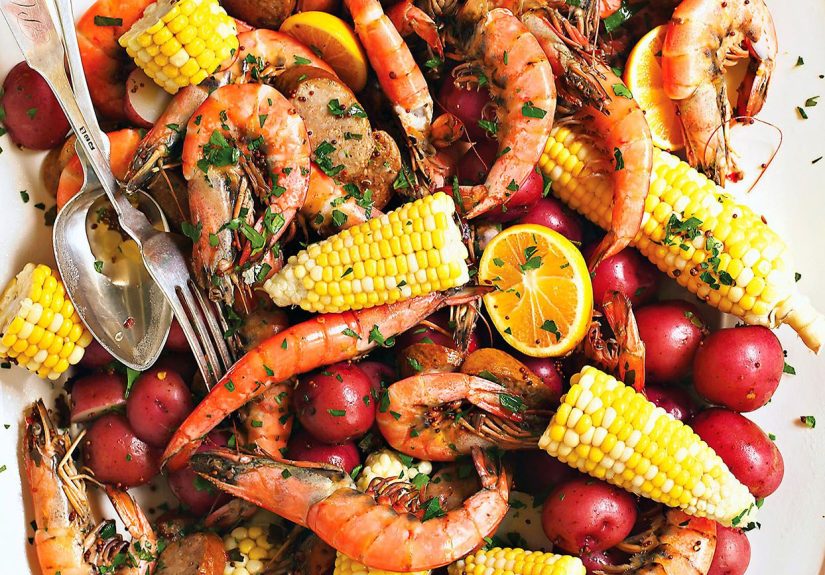
This version is classic-but-flexible: tender potatoes, sweet corn, smoky sausage, and perfectly cooked shrimp
all infused with a boldly seasoned broth, then finished with a garlicky butter drizzle that makes people hover
over the platter like seagulls at the beach. In a respectful way.
- Time: about 45 minutes
- Servings: 6 (easy to scale)
- Skill level: beginner-friendly, crowd-pleasing
- Main keyword: shrimp and sausage boil recipe
Why this boil works
A great shrimp boil isn’t complicatedit’s mostly about order, timing, and confidence.
(Also butter. Butter helps confidence.)
-
Layered cooking = evenly done food. Potatoes need time, corn needs a little time, shrimp needs
practically no time. So we add ingredients in a specific sequence so nothing ends up undercookedor rubbery. -
Seasoned broth does the heavy lifting. A boldly flavored boil liquid infuses everything,
especially the potatoes (they’re basically little salt-and-spice sponges with good PR). -
Finishing butter makes it feel restaurant-level. Draining is important, but tossing with a
seasoned butter finish is what makes people say, “Wait… you made this?”
Ingredients
Think of this as a template, not a strict contract. The key is keeping the core: potatoes, corn, sausage, shrimp,
plus a punchy boil seasoning and a bright finish (lemon + butter).
For the seasoned boil liquid
- 12 cups (3 quarts) water
- 12 ounces beer (optional but tasty; choose a light lager or pale ale)
- 2 lemons, halved (plus extra wedges for serving)
- 1 large onion, quartered
- 8 cloves garlic, smashed
- 3 to 5 tablespoons classic seafood seasoning OR a Cajun boil seasoning blend (start lower if you’re cautious)
- 1 to 2 teaspoons kosher salt (optional; some seasonings are already salty)
- 1 to 2 bay leaves (optional)
- 1 teaspoon black peppercorns (optional)
- Pinch to 1 teaspoon cayenne (optional, for heat)
The boil “main cast”
- 1 1/2 pounds baby red potatoes (halved if larger than a golf ball)
- 1 pound smoked sausage or andouille, sliced into thick coins
- 4 ears corn, cut into halves or thirds
- 2 pounds large shrimp (shell-on for max flavor, or peeled/deveined for convenience)
For serving
- Melted butter or the garlic butter finish below
- Hot sauce
- Cocktail sauce and/or a creamy remoulade-style sauce (optional)
- Chopped parsley (optional, for freshness)
- Extra seasoning for a final sprinkle (optional, for the “wow” factor)
Ingredient notes (because details matter)
- Shrimp size: Large or extra-large shrimp are easiest to nailsmall shrimp can overcook while you blink.
-
Shell-on vs. peeled: Shell-on shrimp taste more “shrimp-y” and stay juicier. Peeled shrimp are
easier for guests who want less work and more eating. Either works. - Sausage: Andouille gives a smoky, peppery kick; any smoked sausage works if that’s what your store has.
Equipment
- Large stockpot (at least 8 quarts; 12 quarts is better for breathing room)
- Large colander or strainer insert
- Spider strainer or tongs (helpful for grabbing shrimp quickly)
- Sheet pan or large platter (for serving)
- Optional: food thermometer (great for sausage; shrimp is usually judged by appearance and texture)
Step-by-step instructions
1) Prep everything first (this is not the time to “multitask”)
Halve potatoes (if needed), slice sausage, cut corn, smash garlic, quarter onion, and rinse shrimp.
If shrimp are peeled, make sure they’re deveined. If they’re shell-on, you can still devein them
(it’s worth it for texture).
2) Build the boil liquid
In a large pot, combine water, beer (if using), lemons, onion, garlic, seasoning, and any optional bay leaves,
peppercorns, or cayenne. Bring to a strong boil.
Tip: Taste the broth once it boils. It should taste a little too bold to sip like soup.
That intensity is what seasons the potatoes and corn. If it tastes bland now, it’ll taste invisible later.
3) Cook the potatoes
Add potatoes to the boiling liquid. Cook 10 to 15 minutes, until they’re just starting to turn fork-tender.
(Not falling apart. We want “tender,” not “mashed in the water.”)
4) Add sausage
Stir in sliced sausage. Boil 5 minutes. This warms it through and lets some smoky flavor join the party.
5) Add corn
Add corn and boil 5 to 7 minutes. Corn should be tender-crisp, not sad and mushy.
6) Add shrimp (the grand finale)
Add shrimp and cook 2 to 4 minutes, just until opaque and firm. Shell-on shrimp may take closer
to the longer end; peeled shrimp can be done fast.
Shrimp doneness cues: They turn pink/opaque, feel firm (not rubbery), and curl into a “C.”
If they curl into a tight “O,” they’re likely overcooked. Still ediblejust a bit chewier.
7) Drain immediately
Turn off the heat and drain the pot right away into a colander. Don’t let shrimp sit in hot liquid unless you
intentionally want a brief “soak” (see next tip).
Optional: the 5-minute flavor soak (for bolder seasoning)
If you like a more intense boil, let everything sit off-heat in the broth for 3 to 5 minutes,
then drain. This boosts flavor, but watch shrimp closely; they can tip from “perfect” to “chewy” quickly.
8) Finish and serve
Spread the boil on a large platter, sheet pan, or a paper-covered table for the classic, festive vibe.
Drizzle with melted butter or the garlic butter finish below. Add lemon wedges and sauces. Then step back,
because people move fast around a shrimp boil.
Timing cheat sheet
Use this if you want the entire meal to land at the same moment (like a magic trick you can eat).
- Potatoes: 10–15 minutes
- + Sausage: 5 minutes
- + Corn: 5–7 minutes
- + Shrimp: 2–4 minutes
Total active boiling time is usually under 30 minutes, plus prep.
Optional garlic butter finish (highly recommended)
This is the part where people start “sampling” before you’ve even brought plates to the table.
Technically it’s a sauce. Socially it’s a lifestyle.
Garlic butter drizzle
- 6 tablespoons unsalted butter
- 4 cloves garlic, minced
- 1 teaspoon seafood seasoning or Cajun seasoning (to taste)
- 1/2 teaspoon smoked paprika (optional)
- 1 tablespoon lemon juice
- Pinch of chili flakes (optional)
How to make it
- Melt butter in a small saucepan over medium-low heat.
- Add garlic and cook 30 to 60 seconds, just until fragrant (don’t brown it).
- Stir in seasoning, paprika (if using), and lemon juice.
- Drizzle over the drained boil right before serving, and toss gently.
Flavor variations
Cajun-style shrimp and sausage boil
Use a Cajun boil seasoning blend, add extra garlic, and finish with chili flakes and a splash more lemon.
If you love heat, add cayenne to the broth and a little to the butter drizzle.
Herby, citrusy boil (lighter vibe)
Add fresh thyme or parsley stems to the boil liquid and use extra lemon halves. Finish with chopped parsley
and lots of lemon wedges.
“Oven boil” for no-stockpot life
Roast par-cooked potatoes and corn with sausage on a sheet pan, then add shrimp at the end to finish quickly.
You lose some broth infusion, but you gain convenience and fewer dishesan extremely valid trade.
Add-ins that play well with the core recipe
- Crab legs: add close to the end to heat through.
- Clams or mussels: add near the end and cook just until shells open.
- Whole garlic heads: cut in half and boil with the aromatics for sweet, spreadable cloves.
- Hard-boiled eggs: add after draining (or briefly warm them in the broth off-heat).
How to scale for a crowd (without running out of pot)
A shrimp boil scales beautifullyas long as you don’t cram everything into a pot that can’t handle it.
Overcrowding drops the temperature, extends cook time, and makes shrimp more likely to overcook while you wait
for potatoes to catch up.
Per-person shopping guide (balanced, not skimpy)
- Shrimp: about 1/2 pound per person
- Sausage: 1/4 to 1/3 pound per person
- Potatoes: 1/3 pound per person
- Corn: 1 ear per person (cut into pieces)
Example: feeding 12 hungry people
- 6 pounds shrimp
- 3 to 4 pounds sausage
- 4 pounds potatoes
- 12 ears corn
If your pot feels cramped, split it into two pots. Your future self will thank you when the shrimp comes out
tender instead of… determined.
Serving & hosting tips (the “make it feel like a party” section)
Set up like a pro
- Cover the table with butcher paper, parchment, or foil (newspapers aren’t always food-safe and ink can transfer).
- Put sauces in small bowls, but keep extra lemon and butter within reach.
- Provide a “shell bowl” for shrimp shells (or you’ll find them in places shrimp shells should never be).
- Wet wipes are not fancy. They’re essential.
What to serve with a shrimp and sausage boil
- Crunchy bread for butter-soaking (the most important side)
- Simple slaw or a cucumber-tomato salad for brightness
- Cold drinks: iced tea, light beer, or sparkling water with citrus
- Dessert: something easy like cookies or fruitbecause everyone’s hands are buttery
Leftovers & food safety
Seafood is not the food group where we “see how it goes.” Treat leftovers properly and they’ll be great the next day.
- Refrigerate promptly: Cool leftovers quickly and refrigerate within 2 hours (1 hour if it’s very hot out).
- Storage time: Cooked seafood is best used within 3 to 4 days when refrigerated.
- How to reheat without ruining shrimp: Warm gently. Try a skillet with a splash of water or butter over low heat.
Microwave works in short bursts, but it can turn shrimp rubbery fast. - Freezing: You can freeze it, but shrimp texture may soften. If freezing, store airtight and thaw in the fridge.
Practical tip: separate shrimp from potatoes/corn before reheating if you can. Shrimp needs a whisper of heat; potatoes can take more.
FAQs
Can I use frozen shrimp?
Yesthaw first for best texture and even cooking. Thaw overnight in the fridge, or quickly in a colander under cold running water.
Pat dry before adding to the pot so you don’t dilute the boil liquid.
Should I peel shrimp before boiling?
Either way works. Shell-on shrimp usually taste better and stay juicier. Peeled shrimp are easier for guests and faster to eat.
If you go shell-on, consider providing extra napkins and a place for shells.
How do I keep shrimp from overcooking?
Add shrimp last, keep the cook time short, and drain fast. If you want a “soak,” do it off-heat and keep it brief.
Shrimp are fast learners: they go from tender to chewy in record time.
Can I make any of this ahead?
Yes. Slice sausage, cut corn, smash garlic, and prep the seasoning mix ahead of time. You can also parboil potatoes for 5 minutes,
then finish them in the seasoned boil when guests arrive. Save shrimp for the very end, always.
Conclusion
A shrimp and sausage boil is one of the most reliable ways to turn “dinner” into “an event,” whether you’re feeding family on a weeknight
or hosting a backyard crowd. Respect the timing, season boldly, finish with butter and lemon, and don’t forget the shell bowl.
Everything else is just vibesand maybe a second round.
of real-world “boil experiences” (what people learn after making this a few times)
The first time most people make a shrimp and sausage boil, the biggest surprise is how quickly it turns into a social event.
You can set out plates and forks like a responsible adult, but the moment the platter hits the table, everyone suddenly becomes
a professional “hands-only” eater. There’s laughter, there’s friendly competition over the last piece of corn, and there’s always
one person who says, “I’ll just have a little,” then quietly returns for a fourth round like a very polite raccoon.
Another common experience: learning that timing is the whole game. Potatoes are patient. Sausage is sturdy. Shrimp, however, is dramatic.
Shrimp does not believe in “just one more minute.” Shrimp believes in “I was perfect 20 seconds ago and now I’m chewy.” The good news is
that once you’ve watched shrimp go over once, you’ll never forget it. Many cooks end up standing by the pot near the end like a lifeguard,
staring intensely at the shrimp as they turn opaque, ready to drain like it’s an Olympic event.
Hosting-wise, people also learn the power of setup. If you forget a shell bowl, you’ll find shrimp shells on napkins, plates, and somehow
(mysteriously) near the lemon wedges. If you don’t put butter within arm’s reach, you’ll watch guests perform elaborate chair scoots and
half-stands to reach it, like a dinner-table obstacle course. If you do set everything uptable covering, wipes, napkins, lemon wedges,
saucesyour kitchen stays calmer and everyone feels taken care of. The difference is dramatic.
Seasoning is another “aha” moment. Many first-timers under-season the broth because it tastes intense when sampled alone. But that’s exactly
the point: potatoes and corn absorb flavor, and the boil liquid has to be bold enough to show up after dilution and absorption. People who’ve
made a few boils tend to trust the process more: they season the broth confidently, then use the finishing butter to round everything out.
That butter drizzle becomes a signature movelike a mic drop, but edible.
Finally, there’s the experience of leftovers. Everyone thinks there won’t be any. Then somehow there’s a container in the fridge.
The next day, many people discover a favorite move: reheating potatoes and sausage gently in a skillet, then adding shrimp at the very end
just long enough to warm through. It becomes a bonus meal that tastes like you planned ahead (even if you absolutely did not).
And that’s the hidden magic of a shrimp and sausage boil: it feels festive, it feeds a crowd, and it teaches you a few kitchen lessons
mostly about timing, seasoning, and how quickly butter disappears when people are happy.
SEO tags (JSON)