Table of Contents >> Show >> Hide
- Why a Small Herbal Tea Pot Makes So Much Sense
- What Counts as a “Small” Herbal Tea Pot?
- Best Materials for a Small Herbal Tea Pot
- Features That Actually Matter
- How to Brew Herbal Tea in a Small Tea Pot
- Common Mistakes to Avoid
- Cleaning and Caring for a Small Herbal Tea Pot
- Who Should Buy a Small Herbal Tea Pot?
- Experience: Living With a Small Herbal Tea Pot
- Final Thoughts
There is something delightfully stubborn about a small herbal tea pot. In a world that keeps trying to supersize everything, a little pot quietly says, “No thanks, I only need enough chamomile for one peaceful evening.” And honestly? That is a beautiful attitude. A small herbal tea pot is not just a cute kitchen accessory. It is one of the smartest ways to brew loose-leaf herbal tea with better flavor, less waste, and a whole lot more charm.
Whether you are building a cozy tea ritual, shopping for a practical gift, or trying to stop making enough peppermint tea to hydrate an entire book club, a small tea pot deserves a closer look. The best ones are easy to pour, simple to clean, and sized just right for one or two servings. They also make herbal blends feel a little more intentional, which is another way of saying they make Tuesday night feel less like Tuesday night.
Why a Small Herbal Tea Pot Makes So Much Sense
A small herbal tea pot is ideal for people who want fresh tea without brewing a giant batch that turns lukewarm before the second sip. Herbal infusions are often best when they are brewed hot, enjoyed soon after steeping, and not left hanging around the pot like they pay rent. A smaller vessel helps control both flavor and quantity.
It also makes loose-leaf tea easier to manage. With a compact pot, you can measure your herbs more accurately, monitor the steeping time, and remove the infuser before the blend gets too strong. That matters with herbal teas because even caffeine-free blends can go from soothing to swampy if they steep forever. Nobody dreams of a relaxing mug that tastes like boiled potpourri.
For solo tea drinkers, apartment dwellers, and anyone who values a calm little ritual over a giant all-day jug, small teapots are a practical upgrade. They fit better on shelves, look nicer on a tray, and do not make you feel guilty for brewing only one perfect pot instead of five regrettable cups.
What Counts as a “Small” Herbal Tea Pot?
In practical terms, a small herbal tea pot usually falls in the range of about 12 to 24 ounces. That is enough for roughly one to three modest cups, depending on how generous you are with your mug size. If you use a big modern mug the size of a cereal bowl, you are closer to one or two servings. If you use traditional tea cups, you may get three.
This size range hits the sweet spot for daily use. It is large enough to let herbs expand and infuse properly, but small enough to keep the tea warm and flavorful while you actually drink it. It is also easier to handle than a bulky pot, which matters when you are sleepy, under-caffeinated, or wearing a sweater with sleeves that seem determined to enter every beverage.
Best Materials for a Small Herbal Tea Pot
Glass
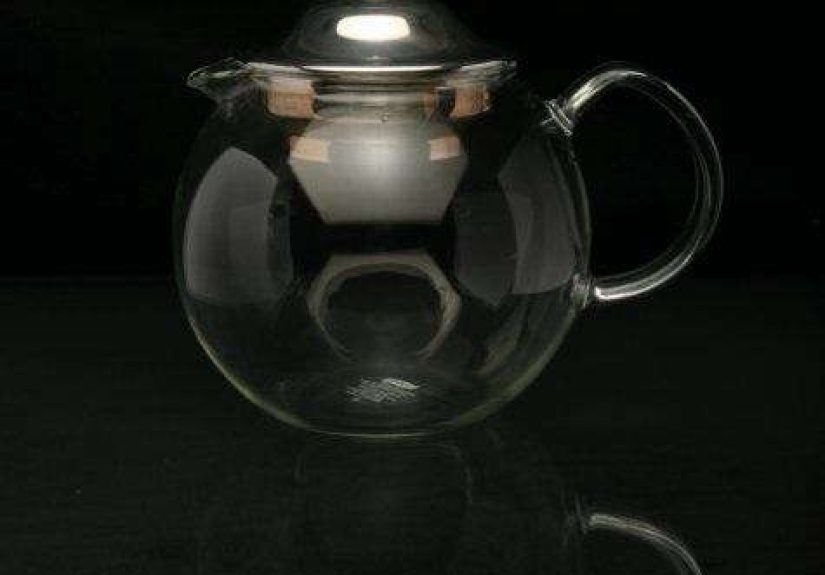
Glass teapots are a favorite for herbal tea because they let you see the color of the infusion as it develops. That is especially lovely with hibiscus, chamomile, lemongrass, rooibos, mint, and floral blends. A clear pot turns brewing into a tiny performance. Bonus points if your tea contains whole flowers or chunky fruit pieces that unfurl dramatically like they know they are being watched.
Glass also feels modern and light. Many heat-resistant glass pots come with removable stainless-steel infusers, which makes them versatile for loose herbs, sachets, and even blooming teas. The main caution is durability. Good borosilicate or heat-resistant glass can work beautifully, but it still deserves gentler handling than thicker ceramic.
Ceramic and Porcelain
Ceramic and porcelain teapots are classic for a reason. They retain heat well, feel sturdy in the hand, and bring a more traditional look to the table. If your idea of self-care includes an actual saucer, a linen napkin, and pretending your inbox does not exist, ceramic may be your soulmate.
These materials are great for herbal tea because they help maintain a steady brewing temperature. They are also less visually dramatic than glass, but often more forgiving for everyday use. A glazed ceramic interior is especially convenient because it is easier to clean and less likely to hold onto old flavors.
Stoneware
Stoneware sits in the nice middle ground between rustic and refined. It usually has a little more heft than porcelain, which makes it feel substantial and cozy. If your aesthetic is “farmer’s market, but organized,” stoneware is a strong contender. It retains heat well and tends to look good even when left out on the counter, which is more than most of us can say about the toaster.
Cast Iron
Cast iron teapots can hold heat impressively well, and many tea lovers appreciate their durability and presence. That said, they are often heavier and may be more pot than the average solo herbal tea drinker needs. If you want a tiny herbal tea pot for relaxed daily use, cast iron can feel a bit like bringing hiking boots to a yoga class. Useful, yes. Necessary, not always.
Features That Actually Matter
When shopping for a small herbal tea pot, do not get distracted by looks alone. A pot can be adorable and still pour like a leaky watering can. Focus on function first, then enjoy the pretty part.
Built-In Infuser or Basket Strainer
This is one of the most important features. Herbal teas need room to expand, so a roomy basket infuser is usually better than a cramped little ball. A larger basket gives herbs more space to circulate, which helps develop better flavor. It also makes cleanup easier, and that matters after bedtime when you would rather not excavate soggy peppermint leaves with a spoon.
Drip-Free Spout
A good spout should pour cleanly without sending a rogue stream down the side of the pot. This sounds minor until you are wiping your table for the third time and questioning your life choices. A neat pour makes the whole experience feel more polished.
Comfortable Handle
Small pots are easier to lift, but the handle still matters. Look for one that feels balanced and stays reasonably comfortable when the pot is full. If your wrist has to negotiate with the handle every time you pour, it is not the one.
Well-Fitting Lid
A secure lid helps retain heat and reduces the chance of an awkward spill while pouring. Some lids also have a small notch or design feature that keeps them in place when tilted, which is a quietly brilliant touch.
Easy Cleaning
If you plan to use the pot often, easy cleaning is not optional. Wide openings, removable infusers, and smooth interiors make a real difference. Tea rituals are soothing. Scrubbing tiny corners with a bottle brush while muttering to yourself is less so.
How to Brew Herbal Tea in a Small Tea Pot
Using a small herbal tea pot is simple, but a few details can noticeably improve flavor.
1. Start with Fresh Water
Tea is mostly water, so the water quality matters more than people think. Fresh, filtered water usually gives the cleanest taste. Distilled water is not ideal because it can make tea taste flat.
2. Preheat the Pot
Rinse the teapot with hot water before brewing. This helps stabilize the temperature and keeps your infusion from cooling down too quickly as soon as it hits the pot.
3. Measure the Herbs Properly
A solid starting point is about 1 teaspoon of loose herbal tea for every 8 to 10 ounces of water, though chunkier blends may need a bit more. If the blend contains fluffy mint leaves, chamomile flowers, or dried fruit pieces, measure by volume with common sense instead of pretending all herbs behave like identical robots.
4. Use Hot Enough Water
Most herbal teas do best with boiling or near-boiling water. That stronger heat helps extract flavor from roots, flowers, peels, spices, and tougher botanical ingredients. Green tea is fussier, but herbal infusions are usually much more relaxed about heat.
5. Steep, Then Remove the Leaves
For many herbal blends, around 5 minutes is a reliable baseline. Some stronger or denser blends can go longer, but the key is to remove the infuser or strain the tea when the flavor is where you want it. Leaving herbs in the pot indefinitely can make the brew muddy, bitter, or overly intense.
Common Mistakes to Avoid
Using a pot that is too big: Herbal tea loses some of its magic when you brew more than you actually want. A smaller pot keeps the experience fresh.
Overstuffing the infuser: Tea needs room to move. Packing the basket too tightly limits circulation and weakens the brew.
Ignoring steep time: “I’ll just leave it in a little longer” is how many decent cups become dramatic cautionary tales.
Choosing style over usability: If it is hard to clean, awkward to pour, or strange to hold, the novelty fades fast.
Buying delicate glass without considering your habits: If your kitchen life is lively, chaotic, or occasionally gravity-assisted, ceramic may be the safer choice.
Cleaning and Caring for a Small Herbal Tea Pot
Good tea equipment does not need complicated maintenance, but it does need consistency. Empty the pot after each use, rinse it well, and let it dry thoroughly with the lid off or partially open. That helps prevent stale odors and trapped moisture.
If herbal blends leave behind residue, wash with warm water and a gentle soap unless the manufacturer recommends otherwise. Removable stainless-steel infusers are especially convenient because they can usually be cleaned quickly and thoroughly. Avoid letting old tea sit in the pot overnight unless your goal is to create a science project.
For occasional stains, a paste made with baking soda and water can help freshen the interior of many glazed pots. Just be gentle. Your teapot should age gracefully, not look like it lost a fight with a scrub brush.
Who Should Buy a Small Herbal Tea Pot?
A small herbal tea pot is perfect for tea drinkers who value freshness, simplicity, and a more personal brewing ritual. It is especially useful for:
- People who drink one or two cups at a time
- Fans of loose-leaf herbal tea
- Anyone creating a calm bedtime or morning routine
- Gift shoppers looking for a practical but charming present
- Small-space dwellers who want useful teaware without clutter
It is also a smart entry point into better tea brewing. You do not need an entire shelf of gear to make a satisfying cup. A well-made small pot, a roomy infuser, and a favorite herbal blend will get you surprisingly far.
Experience: Living With a Small Herbal Tea Pot
The best thing about a small herbal tea pot is that it changes the pace of a room. That sounds dramatic for an object with a lid, but it is true. I have used larger teapots before, and they always felt like I was preparing for guests, even when the only guest was me in old socks. A small pot feels different. It feels personal. It asks for five minutes, not a whole production.
One of my favorite routines starts late in the evening with a simple herbal blend like chamomile, peppermint, lemon balm, or a floral rooibos. I fill the kettle, warm the pot, add the herbs, and wait while the steam curls around the kitchen light. A small tea pot makes that process feel measured in the best way. There is no extra tea getting cold on the counter and no pressure to keep drinking just because I made too much. The pot holds enough for a comforting mug and maybe a small top-up, which feels generous without being wasteful.
I also like how a smaller pot encourages better tea habits. Because there is less water, I pay more attention to the leaves, the steeping time, and the overall flavor. It becomes easier to notice the difference between a mint blend that needs just a few minutes and a chunkier herbal mix that benefits from a stronger steep. With a big pot, it is easy to brew on autopilot. With a small one, the ritual feels more intentional and, honestly, more fun.
There is also the matter of cleanup, which deserves more respect than it gets. A small herbal tea pot is simply easier to live with. It fits into the sink without drama. It dries faster. It does not require moving half the dish rack around like a furniture delivery. If it has a removable infuser, cleanup becomes almost comically easy. Dump the herbs, rinse the basket, wash the pot, done. That convenience makes me more likely to use it every day instead of saving it for special occasions that never arrive.
Another surprise is how well a small tea pot works for mood. That may sound silly, but the ritual has a real effect. Pouring herbal tea from a little pot into a favorite mug feels more grounded than dropping a bag into a cup and sprinting back to your desk. It creates a pause. A boundary. A tiny domestic ceremony that says the day can slow down now. Even on busy afternoons, a small pot can turn a rushed break into something softer and more human.
And then there is the aesthetic factor, which should not be dismissed. A small herbal tea pot sitting on a tray with a cup, a spoon, and maybe a sliced lemon wedge looks charming in a way that instantly improves the atmosphere. It is functional, yes, but it also makes ordinary life look a little more considered. Not fancy. Not fussy. Just cared for.
That is why I keep coming back to this kind of teaware. A small herbal tea pot does not try to do everything. It does one job very well: it helps you brew a fresher, calmer, more enjoyable cup of herbal tea. And in a kitchen full of gadgets that promise to revolutionize your existence, there is something refreshing about a tool that simply makes your evening better, one little pour at a time.
Final Thoughts
A small herbal tea pot is one of those rare kitchen items that is both practical and quietly delightful. It helps you brew better herbal tea, reduces waste, improves portion control, and makes the whole process feel more intentional. Whether you choose glass for the visual appeal, ceramic for classic warmth, or stoneware for everyday coziness, the right small tea pot can earn a permanent spot in your routine.
If you drink herbal tea regularly, this is not a frivolous purchase. It is a quality-of-life upgrade with a lid. Choose one with a good infuser, a comfortable handle, and a size that matches how you actually drink tea. Your future self, standing in the kitchen with a warm mug and fewer regrets, will appreciate it.