Table of Contents >> Show >> Hide
What should have been a confetti-and-happy-emojis kind of day turned into a depressing reminder of how ugly online sports culture can get. A young soccer player signs for a new club, the team proudly posts the announcement, and thenbecause the internet can occasionally behave like a raccoon that found an energy drinkthe comments fill with cruel remarks about how she looks. The club pulls the post. The celebration disappears. And a milestone that should have belonged entirely to the player suddenly becomes a public lesson in how fast joy can be hijacked online.
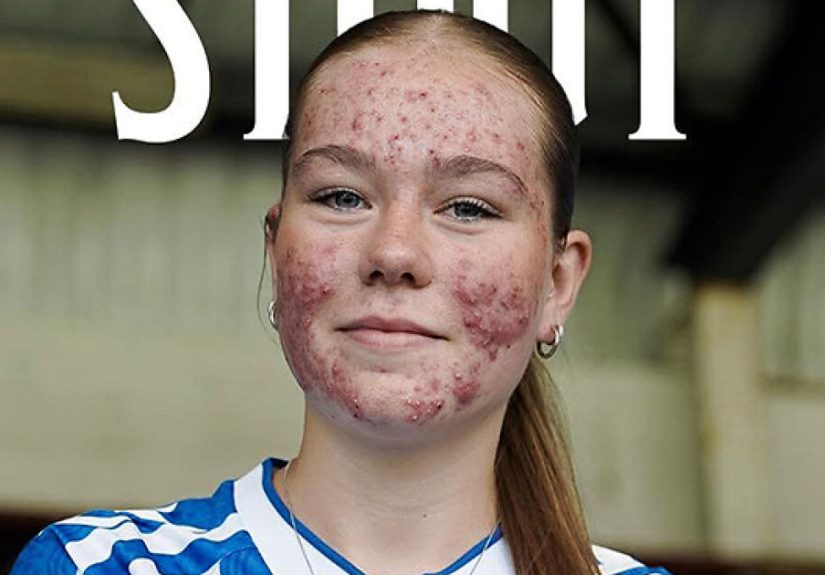
That is exactly why the story of Kilmarnock’s teenage midfielder Skye Stout hit such a nerve. Reports about the Scottish club’s new signing described how the announcement of her arrival drew abusive comments about her skin, forcing the club to remove the social media post. Instead of being welcomed into the next chapter of her career, Stout had to watch a dream moment get stomped on by strangers who somehow mistook cruelty for personality. It was nasty, childish, and sadly familiar in the modern game.
But this story is not only about one bad comment section. It is about the widening gap between the growth of women’s soccer and the maturity of the people watching it online. It is about how appearance-based harassment still follows female athletes around like a bad referee who refuses to let play continue. And it is about why clubs, leagues, platforms, and fans need to stop treating this behavior like background noise and start treating it as what it is: a real threat to athletes’ well-being, especially when the player being targeted is a teenager.
What Happened With the New Signing Announcement?
By all accounts, Skye Stout’s move to Kilmarnock should have been simple, celebratory news. A 16-year-old player had signed her first professional deal, which is the sort of moment families frame, teammates cheer, and club media teams love to package with bold graphics and a welcome message. Instead, the attention shifted almost immediately from her football to her face.
The abusive reaction reportedly centered on her acne and appearance. That detail matters, because this was not criticism of a performance, a transfer fee, or a tactical decision. This was appearance-based bullying aimed at a teenager on one of the biggest days of her young career. Kilmarnock ended up taking down the signing content after the response turned ugly, a move that may have reduced further damage but also underlined the scale of the problem. When a club deletes a player announcement not because the signing fell through, but because adults cannot behave like functioning human beings, something is badly broken.
And yet Stout’s response was the part that gave the story a pulse. Soon after the abuse, she made her debut and scored a stunning free kick in a 6-2 win, while also contributing creatively in the match. The symbolism wrote itself. The trolls had opinions; the teenager had end product. The comment section had cheap shots; she had an actual shot, and it flew into the net. If there is a more satisfying rebuttal in sports, it usually involves a trophy and dramatic slow motion.
Why This Story Landed So Hard
The reason this story traveled so far is that it mixed three things people instantly recognize: youth, visibility, and cruelty. Stout was not a veteran millionaire with years of media training and an army of publicists. She was a teenager. The abuse also did not happen in some hidden message thread. It arrived right where fans and the public gather to celebrate signings: the club’s official social media page. That made the cruelty public, performative, and contagious.
It also exposed one of the most frustrating realities in women’s sports. As women’s soccer grows, more players are getting attention, better contracts, more cameras, and bigger platforms. That is progress. But visibility is not always accompanied by respect. Sometimes it brings the exact opposite. A player becomes more seen, and suddenly strangers begin acting as if visibility gives them a license to judge everything from her body to her face to her hairstyle to whether she looks “right” for the sport. That is not fandom. That is a public failure of basic decency.
This Was Not an Isolated Incident
If the Kilmarnock episode felt familiar, that is because women athletes have been dealing with versions of this for years. The names and details change, but the pattern barely does. A woman athlete becomes highly visible. She succeeds, struggles, signs, speaks, or simply exists in public. Then the abuse rolls insometimes sexist, sometimes racist, sometimes homophobic, sometimes appearance-based, and often a truly miserable combination of all four.
Recent soccer headlines alone make the pattern impossible to ignore. England defender Jess Carter revealed racial abuse during the 2025 Women’s European Championship. Manchester City striker Khadija “Bunny” Shaw was targeted with racist and misogynistic abuse. Even major tournaments have shown how widespread the problem is, with reporting on the 2023 Women’s World Cup noting high levels of abuse directed at players and especially visible teams such as the USWNT. In other words, the bigger the stage, the louder the ugliness can get.
And the problem is not limited to soccer. As women’s sports across the board have become more prominentfrom women’s basketball to Olympic competitionso has the harassment. That is one of the more infuriating paradoxes in modern sports culture: every breakthrough in attention seems to come with an accompanying wave of people who think “supporting the sport” means insulting the women playing it.
The Online Abuse Economy
There is also a structural issue here. Social media platforms reward engagement, not wisdom. Anger spreads fast. Mockery spreads fast. Pile-ons spread fast. By the time a club or league moderates a thread, screenshots have already escaped into the wild and the athlete has often already seen the worst of it.
NCAA research has shown how large-scale online abuse of athletes really is. In a major review of championship-related social media activity, more than 72,000 flagged messages were examined, with more than 5,000 confirmed as abusive, discriminatory, or threatening. Women’s basketball athletes received roughly three times more threats than men’s basketball athletes in that study. Another NCAA-backed finding showed that one in three high-profile athletes receive abusive messages from someone with a betting interest, and that most of the harassment happens online. In plain English: this is not random. It is frequent, measurable, and increasingly tied to the attention economy around sports.
That context matters because it helps explain why a teenage soccer signing can turn toxic in hours. The internet is now wired for escalation. It only takes a few nasty comments for others to join in, especially when the target is visible and young and the bullies suspect there will be little accountability. It is cowardice, yes, but it is cowardice assisted by design.
Why Appearance-Based Attacks Cut So Deep
Some people still brush off comments about appearance as “just words,” which is a convenient phrase for people who are not the ones getting hit by them. In Stout’s case, the reported abuse focused on acne and skin. That matters not just because it is cruel, but because there is already a strong body of research showing that visible skin conditions can seriously affect self-esteem, confidence, and emotional well-being.
Medical literature has repeatedly linked acne to lower self-esteem and psychological distress, especially in adolescents and young women. Public-health research has also long shown that bullyingonline or offlinecan increase the risk of anxiety, depression, social withdrawal, and academic or emotional difficulties. So when trolls decide to turn a teenager’s skin into a public joke, they are not doing harmless banter. They are stepping directly into an area that researchers already know can be painful and lasting.
This is one reason the story resonated beyond sports pages. Many people do not need a professional contract to understand the humiliation of being judged for their appearance. Acne, visible skin conditions, braces, height, weight, hair, voicemillions of people remember exactly how small those comments can make you feel when you are young. The difference is that most people were not mocked in front of a club’s entire audience on the day their dream came true.
For Female Athletes, Looks Are Still Used as a Weapon
Male athletes are abused online too, of course, and the problem there is serious. But women athletes are often targeted in a different way. Their bodies are analyzed. Their faces are judged. Their femininity is questioned. Their worth is treated as conditional on attractiveness, not ability. One bad performance can trigger insults, but one photo can do the same. That double standard is old, boring, and still somehow very active.
Women in sports are often asked to be elite competitors while also navigating an endless side contest they never entered: look acceptable, but not too glamorous; be tough, but not too aggressive; be visible, but be ready for that visibility to be used against you. It is a ridiculous set of rules, and one reason appearance-based trolling in women’s soccer feels especially exhausting. The athlete came to play football. The internet insists on hosting a beauty pageant nobody asked for.
What Clubs and Leagues Should Learn From This
The first lesson is simple: if a club is signing minors or very young players, its digital safeguarding has to be stronger than a crossed-fingers strategy. Comment moderation cannot be treated like an optional extra. Teams know announcement posts will draw attention. They also know women players and teen athletes are especially vulnerable. That means moderation plans should be in place before the post goes live, not after the worst comments start circulating.
Second, deleting a post should never be the only response. Sometimes removal is necessary to stop the bleeding, but clubs also need visible public backing for the athlete. That can mean a statement, a follow-up show of support, direct communication with the player and family, mental health resources, and reporting abusive accounts aggressively. Silence can look like protection, but it can also look like retreat. The player should never feel as if her big moment vanished because she was the problem.
Third, leagues need to accept that online abuse is now a player welfare issue, not a public-relations inconvenience. Women’s sports are attracting bigger audiences, more money, more attention, and more betting-related noise. All of that makes protection more urgent, not less. The same growth everyone celebrates in highlight reels has to be matched by real systems that keep athletes safe.
Fans Also Have a Job Here
Yes, the platforms need better tools. Yes, clubs need faster moderation. But fans matter too. Supportive fan culture does not magically appear; it is built and defended. The reason many people have loved women’s sports is precisely because they felt more communal, less macho, and less poisoned by performative hate. That atmosphere does not survive automatically when new audiences arrive. It survives when good fans decide the line is the line.
That means calling out abuse, reporting it, refusing to normalize it, and understanding that “jokes” about a teenage player’s appearance are not edgy, clever, or part of the game. They are just pathetic. Sports culture loves to talk about accountability for coaches, referees, and players. It should try some for spectators too.
The Bigger Meaning of Stout’s Debut Goal
It is tempting to wrap this story up in a neat sports-movie bow: trolls mocked her, she scored, justice served, roll credits. And yes, the debut goal was brilliant, symbolic, and deeply satisfying. But it should not take a perfect free kick for a young player to reclaim her dignity. Athletes should not have to produce a highlight to earn humane treatment. A teenager signing her first contract is enough. That alone should be celebrated.
Still, the goal matters because it shifted the frame. For at least a moment, football took the microphone back from cruelty. Stout was no longer just the subject of a vile comment thread. She was the player who answered on the pitch. That does not erase what happened, but it does remind everyone what the story should have been from the beginning: not her skin, not her looks, not the trolls, but her talent.
Experiences Like This Hit Far Beyond One Comment Section
What does an incident like this actually feel like in real life? Usually, it does not arrive as one giant dramatic explosion. It arrives in layers. First there is excitement: a new contract, a new badge, a family group chat lighting up, maybe a screenshot from the club page that gets saved forever. Then comes the shift. A friend notices something weird in the comments. A parent starts reading and wishes they had not. A teammate sends a message that says, “Don’t look.” Which, of course, is the digital equivalent of telling someone not to think about pizza.
For a young player, appearance-based trolling can turn a career milestone into a confidence test within hours. Suddenly the athlete is not just processing a new team and new expectations. She is also wondering how many people saw the comments, whether coaches noticed, whether classmates will repeat the jokes, and whether future posts will bring the same thing all over again. The abuse spills beyond the screen. It follows the player into training, into school, into family conversations, into quiet moments before sleep.
That is especially true when the insults target something visible and personal, like acne. Research on acne stigma and bullying has shown that appearance-based judgment can affect self-image, confidence, and social comfort in a way that lingers. A troll may spend five seconds typing something cruel; the person reading it can carry the feeling much longer. That is why people who dismiss online abuse as “not real life” are missing the point. Real people read those messages. Real teens absorb them. Real families have to help clean up the emotional mess.
There is also the team experience. Coaches and teammates often have to become emotional first responders. They are not only preparing for matches; they are helping a player navigate humiliation she did not earn. That changes the atmosphere around what should be a straightforward football week. Instead of talking only about movement off the ball or defensive shape, people end up having conversations about comments, screenshots, reporting accounts, and whether the player is okay.
Fans feel it too, especially the decent ones. Supporters who want to celebrate a signing suddenly find themselves trying to drown out abuse with messages of encouragement. Many of them are angry not just because the trolling is cruel, but because it steals the joy from the whole community. A signing announcement is supposed to be a welcome. When it turns into a cleanup operation, everyone loses.
And yet one hopeful thing keeps showing up in stories like this: solidarity still matters. Public support does not erase harm, but it can interrupt isolation. A young athlete who sees teammates, supporters, other players, and even rival fans rally behind her gets a crucial message: the trolls are loud, but they are not the majority. That is why the best response to incidents like this is never only technical moderation. It is human protection. It is making sure the player knows the ugliness belongs to the abusers, not to her reflection in the mirror.
Final Whistle
The story behind this headline is infuriating because it should have been so ordinary in the best possible way. A young soccer player signs for a club. The club posts the news. Fans say welcome. Everyone moves on. Instead, the moment was polluted by appearance-based abuse that exposed how fragile celebration can become when social media hands a megaphone to the worst people in the room.
But the lasting takeaway should not be the trolls. It should be the standard they failed to meet and the player they failed to diminish. Skye Stout’s experience is a warning for clubs, leagues, and platforms, but it is also a reminder for fans: the future of women’s soccer will be shaped not just by talent and investment, but by the culture built around it. If the sport wants to keep growing, it has to protect the people who make it worth watching.
And really, this should not be controversial. A teenager signs a pro deal. The correct response is congratulations. Not cruelty. Not mockery. Not a digital mob auditioning for Worst People Alive. Congratulations. It is not complicated. Apparently, however, it still needs saying.