Table of Contents >> Show >> Hide
- Meet Sorbus hupehensis ‘Rosea’ (aka the “pink-berry rowan”)
- Why gardeners love it (and why birds RSVP)
- Best growing conditions in the U.S.
- How big does Sorbus hupehensis ‘Rosea’ get?
- Planting guide (so your tree doesn’t “just sit there” for two years)
- Pruning & training
- The big watch-out: fire blight (and how to keep it from moving in)
- Other pests, diseases, and stress issues
- Landscape design ideas for Sorbus hupehensis ‘Rosea’
- FAQ
- Conclusion
- Real-world experiences and tips (to make this tree love you back)
If you’ve ever walked through a garden in late fall and thought, “Wow, that tree is basically wearing jewelry,”
there’s a decent chance you were looking at a rowan (also called mountain ash). Now imagine that same vibe,
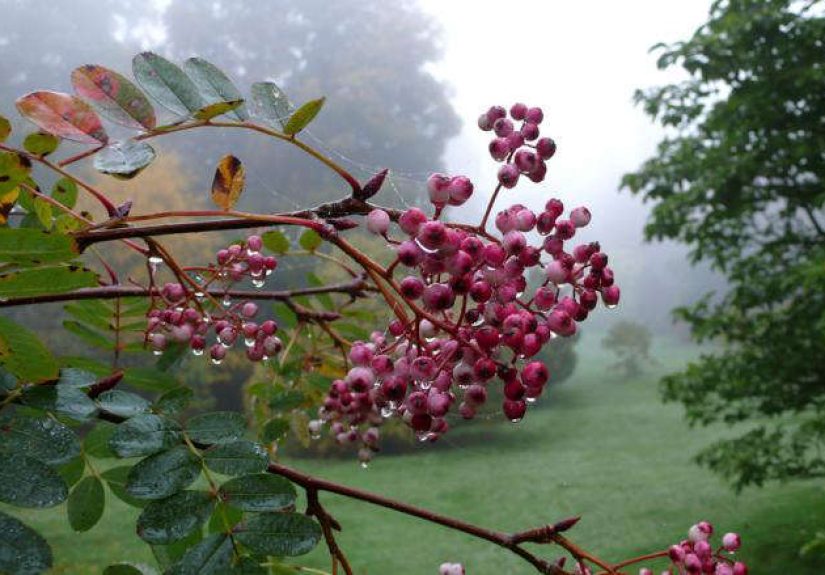
but with berries that look like they were dipped in strawberry milk and then politely told to calm down to ivory.
That’s the charm of Sorbus hupehensis ‘Rosea’: an ornamental, bird-friendly small tree that brings
spring flowers, summer texture, fall color, and winter fruitwithout needing a reality TV crew to survive.
This guide breaks down what Sorbus hupehensis ‘Rosea’ is, why it’s special, how to grow it well in American
gardens, and how to avoid the most common “why is my tree doing that?” momentsespecially fire blight. We’ll
also talk practical design ideas (small yards welcome) and what gardeners tend to experience once this tree is
actually living in the ground, not just living in your online cart.
Meet Sorbus hupehensis ‘Rosea’ (aka the “pink-berry rowan”)
Sorbus hupehensis is a rowan species native to temperate regions of China. In botanical descriptions,
it’s often listed as a small tree roughly in the “won’t block your neighbor’s sun forever” rangeabout
5–10 meters (roughly 16–33 feet)with slender branchlets and pinnate (feather-like) leaves.
The cultivar name ‘Rosea’ is used in horticulture for forms celebrated for pink-blushed fruit
and rich fall color.
Quick ID checklist
- Form: small ornamental tree; often grown single-stem or multi-stem
- Leaves: pinnately compound (multiple leaflets on one stem), giving a light, airy texture
- Flowers: white, clustered blooms in spring
- Fruit: berry-like pomes in clusters; ‘Rosea’ is prized for a pink blush (often fading lighter later)
- Fall color: can lean red, burgundy, or reddish-orange depending on conditions
- Wildlife: fruit is a magnet for birds once it ripens
A note on names (because plants love drama)
You may see similar pink-fruited trees sold under names like “Pink Pagoda” or “November Pink,” sometimes still
labeled as Sorbus hupehensis. In the real world of nursery tags, synonyms and reclassifications can lag behind
botany. If you’re specifically hunting ‘Rosea’, focus on the trait that matters most:
clusters of pale berries with a pink blush and the general hupehensis-type foliage/structure.
If possible, buy when fruit is visibleor at least from a seller who shows accurate seasonal photos.
Why gardeners love it (and why birds RSVP)
1) Four-season interest without four-season fuss
A good landscape tree earns its keep in more than one month of the year. Rowans are classic for that:
spring flower clusters, summer foliage texture, fall color, and fruit that can hang on long enough to make
winter scenes look intentional. Garden writers frequently call mountain ashes “underused” despite the
combination of flowers + fruit + fall color. ‘Rosea’ adds a twist: its fruit reads softermore
pearl-and-rosé than traffic-cone redso it pairs beautifully with modern, lighter planting styles.
2) It looks “designed,” even when you didn’t try that hard
Pinnate leaves give a refined, feathery look that contrasts well with broadleaf shrubs and grasses. The fruit
clusters act like built-in seasonal decor. And because it’s typically a small to medium tree, it can play
nicely in suburban lots, courtyards, or anywhere you’d rather not introduce a future chainsaw budget.
3) Wildlife value (the polite kind)
Rowan fruit is well-known as bird food. In practice, this can mean two things:
(1) you get bonus wildlife viewing, and (2) the tree doesn’t hold fruit forever because someone eventually
eats it. Most people consider that a winunless you’re emotionally attached to every last berry cluster
(in which case, the birds respectfully disagree).
Best growing conditions in the U.S.
Hardiness: cool climates make happier rowans
Many rowans perform best in cooler regions. Some references commonly place mountain ash types in roughly
USDA Zones 4–7, and public garden guidance repeatedly notes that warm climates can increase
pest and disease pressure. If you garden where summers are hot and humid, you’ll want to stack the deck:
pick a cooler microclimate, provide consistent moisture (not soggy soil), and avoid stress.
Sun: full sun is ideal, light shade is acceptable
Rowan care guidance from major U.S. arboreta generally recommends full sun for best flowering and fruiting,
while tolerating some shade. In hotter regions, morning sun with afternoon shade can reduce heat stress.
In cooler regions, full sun usually delivers the strongest fruit display and fall color.
Soil: well-drained, slightly acidic, and not compacted
Think “forest edge” conditions: moisture that’s steady, drainage that’s real, and soil that breathes. Rowan
guidance commonly points to moist, well-drained, slightly acidic soils. Avoid chronically compacted spots
(and if your soil is basically construction debris with ambitions, amend or choose a different location).
Water & mulch: steady wins the race
Young trees need consistent watering while roots establish. After that, aim for even moisture rather than
swings between “dust bowl” and “swamp documentary.” A 2–3 inch mulch ring (kept off the trunk) helps keep roots
cooler and soil moisture stableboth of which reduce stress, and stress is what invites problems.
How big does Sorbus hupehensis ‘Rosea’ get?
You’ll see a range depending on training (single-stem vs multi-stem), region, and reference source. In garden
commerce listings, similar pink-fruited hupehensis-type rowans are often described around
15–25 feet tall with a moderate spreadgreat for small landscapes. Municipal plant lists and broader
references sometimes allow for taller potential under ideal conditions. Translation:
plan for small-to-medium tree scale, and give it room like you mean it.
Planting guide (so your tree doesn’t “just sit there” for two years)
Choose a healthy tree
- Look for structure: a clear central leader (if single-stem) or well-spaced stems (if multi-stem).
- Check the trunk: avoid deep wounds or sunken cankers.
- Root sanity check: circling roots in pots can become long-term issuescorrect them at planting.
- Ask about climate fit: if you’re in a warm summer region, choose the coolest spot you have.
Step-by-step planting (the no-magic, high-success version)
- Dig wide: 2–3× the width of the root ball, not deeper than the root ball height.
- Set the flare: the root flare should be visible at or slightly above grade.
- Backfill gently: use native soil, breaking big clods; avoid over-amending like you’re baking a cake.
- Water in: soak thoroughly to eliminate air pockets.
- Mulch properly: donut shape, not volcano shapekeep mulch off the trunk.
- Stake only if needed: remove stakes after the first growing season if stability improves.
Pruning & training
Rowans generally don’t need aggressive pruning. Your goals are simple: remove dead/damaged wood, maintain
structure, and improve airflow. If you’re aiming for a small-tree canopy over a path or patio, start early and
prune lightly over time instead of trying to “fix everything” in one dramatic afternoon.
When to prune
Late winter is often a safe window for structural pruning. It’s also commonly recommended for reducing the
spread of fire blight because the bacteria are dormant and pruning decisions are easier with no leaves in the way.
The big watch-out: fire blight (and how to keep it from moving in)
What it is
Fire blight is a bacterial disease (Erwinia amylovora) that affects many members of the rose family, including
mountain ash (Sorbus). It can cause blossoms, shoots, and branches to wilt and blacken, sometimes leaving
the classic “shepherd’s crook” bend at the tips.
Why it matters for Sorbus
Some mountain ash types are noted as moderately susceptible, and outbreaks can be worse when trees are stressed
or pushing lots of tender growth. Warm, wet weather increases risk, and infections commonly start in flowers,
then move into shoots and branches.
Prevention: the boring steps that work
- Avoid excess nitrogen: fast, lush growth is more vulnerable.
- Don’t overhead-irrigate during bloom: splashing and wet blooms help bacteria spread.
- Prioritize airflow: good spacing and light pruning reduce humid, stagnant conditions.
- Keep the tree unstressed: consistent water, mulch, and sane soil conditions are your best “spray.”
If you see symptoms: what to do
Many extension recommendations emphasize pruning out infected wood. A common guideline is to prune well into
healthy tissue below the visible infection and do so when conditions reduce spread risk (often late winter
for dormant pruning, or carefully during the season if infections are advancing). Follow your local extension’s
current best practices for timing in your region.
Other pests, diseases, and stress issues
Like many small ornamental trees, rowans can become “problem magnets” when planted in the wrong placeespecially
hot sites with compacted soil or drought stress. Public garden guidance notes that stressed trees are more prone
to borers and canker diseases. The fix is less about products and more about the basics: right site, right soil,
steady moisture, and avoiding injury to trunk and roots.
Landscape design ideas for Sorbus hupehensis ‘Rosea’
Small-yard friendly placements
- Under utility lines: a small tree scale can be a practical (and prettier) solution.
- Courtyard focal point: the fruit clusters and fall color read well even in tight spaces.
- Near a window: birds + berries = free seasonal entertainment.
Companion plants that make ‘Rosea’ look even better
The pink-blushed fruit is most striking against dark greens, blue-greens, and winter structure. Consider:
evergreen shrubs for contrast, ornamental grasses for movement, and perennials that don’t compete aggressively
with the tree’s root zone. If your ‘Rosea’ leans burgundy in fall, silver foliage and deep evergreens look
especially sharp.
FAQ
Do the berries really go from pink to white?
Many gardeners describe ‘Rosea’ fruit as pink-blushedoften softer than red-fruited rowansand some similar
hupehensis-type selections are known for fruit that can lighten as the season progresses. Exact color and
persistence vary with climate, ripeness timing, and bird activity.
Is it messy?
If birds love your yard, they may help “clean up” fruit faster than you can take a photo. If birds ignore it
(rare, but possible), fruit can drop and be a minor cleanup issue near patios. The simplest strategy: don’t plant
directly over a white outdoor sofa you’re emotionally attached to.
Is it good for urban gardens?
Mountain ash types have been used in urban settings, but performance depends heavily on climate and stress levels.
Cooler cities and well-prepared planting sites usually do best. Hot, compacted, droughty street-tree pits are a
harder sell unless you can provide good soil volume and consistent care.
Conclusion
Sorbus hupehensis ‘Rosea’ is one of those trees that makes a yard look more intentionalspring flowers,
elegant foliage, a soft berry display, and fall color that can lean wonderfully dramatic. The key to success in
the U.S. is matching it to the right conditions: cooler sites, well-drained soil, steady moisture, and low stress.
Do that, and ‘Rosea’ rewards you with a long season of beautyand a bird-approved fruit buffet.
Real-world experiences and tips (to make this tree love you back)
Gardeners who grow hupehensis-type rowans often describe the first year as “quiet.” That’s not the tree being
unimpressiveit’s the tree investing in roots. If you want faster top growth, the temptation is to fertilize
heavily. Resist that urge. With rowans, extra nitrogen can push tender growth that’s more vulnerable to fire blight.
A better “speed boost” is consistent watering during establishment, a proper mulch ring, and patience that lasts
longer than a social media reel.
By year two or three, the canopy starts to look more deliberate: that airy, layered foliage fills in, and the tree’s
silhouette becomes a design feature rather than just “a stick with leaves.” Many gardeners also notice that the
best fall color shows up when the tree gets plenty of sun and isn’t drought-stressed in late summer. If your autumn
is coming in a little dull, check the basics first: is it getting enough light? Is the soil staying evenly moist,
or is it swinging between extremes?
Fruit behavior is where ‘Rosea’ really earns its nickname. In good years, clusters can look like tiny pearl
ornaments with a pink blushsoft, luminous, and surprisingly modern for a classic genus. But color is not a
fixed paint chip. Cool nights tend to help, while heat and intense sun can speed ripening and color changes.
Also, birds don’t wait for your camera to be ready. If you want peak berry photos, plan to shoot soon after
the fruit colors up, especially if your yard is already a popular bird hangout.
Pruning experiences tend to fall into two camps: “I barely touch it” and “I tried to sculpt it like a bonsai and
now we’re both stressed.” Rowan pruning works best when it’s light and purposeful. Remove crossing branches,
keep a clean structure, and aim for airflow. If you’re growing it multi-stem (a beautiful look, by the way),
make sure stems aren’t rubbing and that the base isn’t turning into a traffic jam of crowded shoots.
The most useful real-world lesson is that this tree dislikes being bullied by poor siting. In cooler parts of the
country, it can feel easy: plant, water, admire, repeat. In hotter/humid zones, success usually comes from strategy:
morning sun, afternoon protection, good soil drainage, and consistent moisture. Gardeners who nail the microclimate
often report a noticeably healthier tree with fewer pest/disease issuesbecause most pests and diseases prefer a
stressed host. Think of stress reduction as the tree version of “drink water and get enough sleep.”
Finally, don’t underestimate the design flexibility. ‘Rosea’ can look formal or relaxed depending on what you pair
it with. Set it against evergreens for contrast, underplant with grasses for movement, or use it as a seasonal
focal point near a walkway. And if you’re the kind of person who decorates for the holidays, here’s the good news:
this tree basically decorates itself. The berries are the ornaments. The birds are the party guests. You just host.