Table of Contents >> Show >> Hide
- What Is a Speedheater Paint Stripper?
- How a Speedheater Works
- Why People Choose a Speedheater Over Other Paint Stripping Methods
- Popular Speedheater Options and Where They Fit Best
- Lead Paint Safety: The Non-Negotiable Part
- How to Use a Speedheater Paint Stripper Effectively
- Where a Speedheater Paint Stripper Shines
- Where It May Not Be the Best Choice
- Is a Speedheater Paint Stripper Worth It?
- Common Mistakes to Avoid
- 500-Word Experience Section: What Working With a Speedheater Paint Stripper Usually Feels Like in Real Projects
- Final Thoughts
If you’ve ever tried stripping old paint from a window sash, staircase spindles, or century-old trim, you already know the truth: paint removal is where optimism goes to sweat. Sanding makes dust. Chemical strippers make goo. Heat guns can feel like you’re trying to toast a marshmallow and a fire hazard at the same time.
That’s why the Speedheater paint stripper has become a buzzworthy tool in restoration circles. It uses infrared heat to soften paint so it can be scraped away, often with less mess and less risk than high-heat methods when used correctly. For old-house owners, window restorers, and professionals who strip a lot of paint, Speedheater tools can be a serious upgradenot a magic wand, but a very smart shortcut.
This guide explains what a Speedheater is, how it works, where it shines, where it struggles, and how to use it safelyespecially if you may be dealing with lead paint.
What Is a Speedheater Paint Stripper?
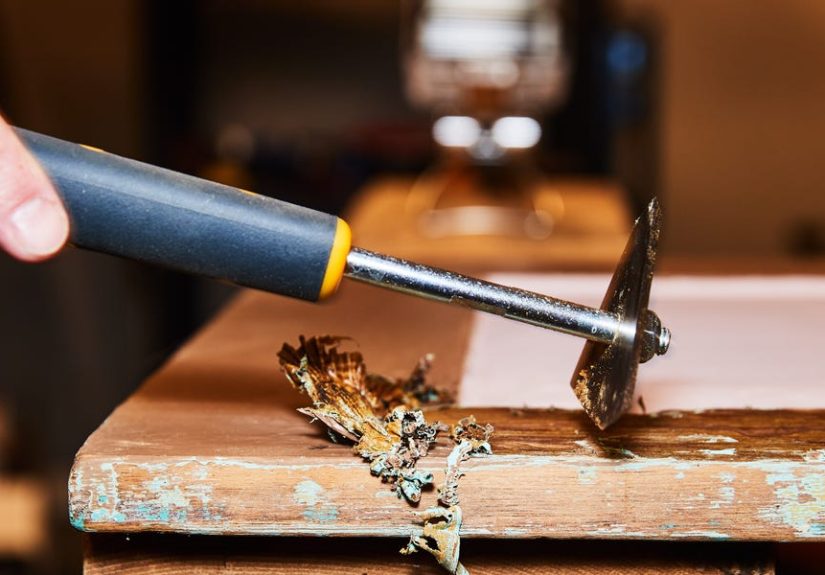
A Speedheater paint stripper is an infrared paint remover designed to soften paint, varnish, and sometimes putty or glue so you can scrape it off cleanly. Instead of blasting super-hot air like a traditional heat gun, it uses infrared energy to heat the painted surface in a more controlled way.
The big selling point is simple: you can often remove multiple layers of old paint in one pass while reducing scorching, smoke, and chaos. In practice, that means fewer dramatic moments and more steady progress.
Speedheater tools are especially popular for:
- Historic home restoration
- Window sash and trim work
- Detailed woodwork and moldings
- Exterior wood siding prep
- Furniture and doors with heavy paint buildup
How a Speedheater Works
With a heat gun, the heat is applied from the top surface inward. With infrared paint removal, the energy penetrates the paint stack and warms the material below, helping break the bond so the paint loosens from the bottom up. That’s why many users report that paint comes off in bigger ribbons or flakes instead of tiny, dusty fragments.
Speedheater USA and related retailers describe this as a lower-temperature approach (commonly marketed in the roughly 230–400°F or similarly low-heat range depending on model and use conditions), which is one reason the tools are positioned as safer alternatives to traditional high-heat stripping methods. Real-world surface temperatures and performance depend on paint type, thickness, contact time, and technique.
Translation: the tool matters, but your hand skills still matter too. (Sorry. No one escapes technique.)
Why Infrared Paint Removal Feels Different
Users often notice these differences compared with a heat gun or aggressive sanding:
- Less airborne dust during stripping (scraping still creates debris)
- More control on wood surfaces and trim
- Faster removal of layered paint on repeatable surfaces
- Better results on old windows and profiles when paired with the right scraper
- Lower chance of scorching when used properly and kept moving
Why People Choose a Speedheater Over Other Paint Stripping Methods
1) Compared with Sanding
Sanding is great for smoothing and feathering edges, but it’s not always the best first step for thick, failing paint. Mechanical removal can create a lot of dust, and if the house is pre-1978, that dust may contain lead. A Speedheater lets you remove bulk paint first, then sand lightly afterward for prep.
2) Compared with Chemical Strippers
Chemical products can work very well, especially on carved details or stubborn coatings, but they can be messy, expensive over large areas, and unpleasant to clean up. Infrared stripping is often chosen by people who want a chemical-free paint removal option for at least part of the project.
3) Compared with Heat Guns
Heat guns are cheaper upfront and useful in many shops, but they can be harder to control on delicate wood or near glass. Some guides (including general wood-paint removal tutorials) still recommend heat guns, but they also warn about combustion risk and harmful vapors. Speedheater-style infrared tools are often preferred when the goal is slower, safer control and less collateral damage.
Popular Speedheater Options and Where They Fit Best
The Speedheater lineup varies by retailer and kit, but most buyers are deciding between a larger unit for flat surfaces and a compact unit for precision work.
Speedheater Cobra (Compact / Detail Work)
The Speedheater Cobra is widely promoted for smaller areas, corners, moldings, banisters, furniture parts, and especially window restoration. It’s compact, easier to handle, and often chosen when you need precision more than coverage.
If your project includes divided-lite sashes, trim profiles, or anything that makes a flat scraper cry, the Cobra is usually the first model people look at.
Larger Speedheater Models (1100 / Standard / Wide Coverage)
Larger units are better for broad, flatter surfaces like doors, trim runs, and sections of siding. Editorial testing has highlighted their time-saving potential on repetitive work, with faster cycle times once you develop a rhythm of “heat one section, scrape the previous section.”
In other words, the bigger tool is for when you’re stripping a lot of paint and would like your weekend back.
Lead Paint Safety: The Non-Negotiable Part
Let’s keep this clear: a Speedheater is not a license to ignore lead-safe paint removal practices.
If you’re working on a pre-1978 home, assume lead paint may be present unless testing proves otherwise. EPA guidance for DIY renovators emphasizes containment, protective equipment, dust control, cleanup, and waste handling. EPA also recommends homeowners hire lead-safe certified contractors for renovation, repair, and painting (RRP) projects in pre-1978 homes.
EPA’s DIY guidance also specifically mentions using a low-temperature heat gun (under 1,100°F) as one dust-minimizing option, while OSHA guidance for residential lead-paint removal discusses flameless electrical softener-type heat guns with electronically controlled temperatures and use below 700°F in that context. The practical takeaway is straightforward: lower, controlled heat is safer than blasting paint with extreme heat.
Important Safety Rules When Using a Speedheater
- Test for lead or assume it is present in pre-1978 homes.
- Use containment (plastic sheeting, controlled work zones).
- Wear appropriate PPE (respirator, eye protection, gloves).
- Use HEPA vacuum cleanup and wet-cleaning methods.
- Keep flammable debris out of cavities and behind trim before heating.
- Follow manufacturer instructions and local/state disposal rules.
Historic preservation guidance also supports a conservative approach: remove only what is deteriorated when possible, use the gentlest effective methods, and use thermal devices carefullyespecially on old wood assemblies.
How to Use a Speedheater Paint Stripper Effectively
Step 1: Prep the Work Area
Lay plastic, protect nearby surfaces, and remove flammable debris and dust. If you’re working on windows or trim, clear the area so you can move safely and avoid bumping hot tools into things that should not be hot.
Step 2: Choose the Right Scraper
Speedheater tools work best when paired with a sharp scraper that matches the profile. This is not the time for a mystery scraper from the bottom of your toolbox that looks like it fought in two wars.
Step 3: Heat a Small Section
Apply infrared heat for the recommended contact time (this varies by model, paint thickness, weather, and substrate). Watch for softening and slight lifting rather than waiting until the paint burns or smokes heavily.
Step 4: Scrape While Warm
Scrape immediately after heating. Many users work in a rhythm: heat one section, scrape the section just heated, then move forward. On larger surfaces, this dramatically improves speed.
Step 5: Repeat and Finish Prep
After bulk removal, use detail scrapers, then do minimal sanding for adhesion and smoothness. Prime and repaint according to the coating system you’re using.
Where a Speedheater Paint Stripper Shines
- Old windows: Great for paint buildup on sashes, muntins, and putty work (with careful technique).
- Exterior trim and siding repairs: Ideal when you need selective stripping before repainting.
- Furniture and doors: Useful when you want to preserve wood detail and avoid over-sanding.
- Historic home projects: A favorite in restoration circles because it can be gentler on old-growth wood.
Where It May Not Be the Best Choice
- Huge production jobs with tight deadlines: Mechanical methods may be faster in some commercial scenarios.
- Paint on certain non-wood substrates: Always test first; not every surface tolerates heat the same way.
- Users expecting zero cleanup: You still have paint chips, dust from finishing steps, and disposal work.
- Budget-first one-time projects: The upfront tool cost can feel steep compared with a basic heat gun.
Is a Speedheater Paint Stripper Worth It?
It depends on your project volume and priorities.
Worth it if you:
- Own an older home and do recurring paint restoration
- Restore windows, trim, or furniture regularly
- Care about reducing chemical use
- Value precision and wood preservation over brute speed
Maybe not worth it if you:
- Need it for one small project only
- Prefer replacing components over restoring them
- Don’t want to learn technique and scraper maintenance
For many DIYers, the tipping point comes when they realize they have “just one more window” about fourteen times.
Common Mistakes to Avoid
- Overheating the surface: More heat is not more skill.
- Using a dull scraper: This makes the tool feel worse than it is.
- Skipping lead-safe setup: The cleanup bill (and risk) is bigger than the time saved.
- Trying to strip everything to bare wood unnecessarily: Sometimes spot repair is the smarter move.
- Ignoring hidden debris behind trim: Always check for flammable material before heating.
500-Word Experience Section: What Working With a Speedheater Paint Stripper Usually Feels Like in Real Projects
One of the most common experiences people report with a Speedheater paint stripper is that the first fifteen minutes feel a little underwhelmingthen the tool “clicks,” and suddenly the project moves much faster. The learning curve is real, but it’s short. Most beginners start by holding the tool too long in one spot, waiting for dramatic bubbling. Experienced users learn to watch for softening and release, not a smoke show. Once that timing is dialed in, scraping becomes smoother and the wood underneath often looks better than expected.
On window restoration projects, users frequently describe the Cobra model as the one that changes their attitude from “I am never doing this again” to “Okay, maybe I can save the rest of these sashes.” The compact head makes it easier to work into corners and around muntins without feeling like you’re steering a leaf blower in a jewelry box. People also like the quieter operation compared with heat guns, especially on long jobs where noise fatigue becomes a thing. It’s not silent in the broader sense of renovation chaos, but it removes one source of constant roar.
Another commonly mentioned experience is cleaner debris. Instead of clouds of sanding dust, the paint often comes off in softened strips, curls, or chunks. That does not mean “no cleanup,” but it often means more controlled cleanup. Contractors and serious DIYers who already use plastic containment and HEPA vacuums tend to appreciate this because it fits into a lead-safe workflow more easily. The project still requires disciplineprotective gear, cleanup steps, waste controlbut the stripping phase can feel more deliberate and less messy.
Where users get frustrated is usually not the heating tool itself; it’s the scraper setup. A dull blade, wrong profile, or awkward angle can make even the best infrared paint remover feel slow. People who report the best results almost always mention sharpened scrapers, multiple blade shapes, and a consistent heat-then-scrape rhythm. In other words, the Speedheater is a system, not just a gadget.
There’s also a psychological benefit that gets overlooked: preserving original wood becomes more realistic. Instead of reaching for aggressive sanding or deciding to replace everything, many homeowners feel confident restoring trim, doors, and windows they would have otherwise scrapped. That matters in historic homes where the original material is often better quality than modern replacements. The experience is rarely “easy” in the lazy sensebut it is often more controlled, more satisfying, and far less chaotic than other paint stripping methods.
Final Thoughts
The Speedheater paint stripper is one of the most compelling options in modern infrared paint removal, especially for old-house restoration, window paint stripping, and detail-heavy woodwork. It is not cheap, and it is not magicbut it can be safer, cleaner, and faster than traditional methods when used properly.
If your project involves pre-1978 paint, pair the tool with EPA-style lead-safe practices and don’t cut corners. If your project involves historic wood, the gentler approach may save material you’d otherwise damage with aggressive sanding or high heat. And if your project involves five layers of mystery paint and a lot of stubborn optimism… a Speedheater may be exactly the upgrade your toolbox has been begging for.