Table of Contents >> Show >> Hide
- Why Grass Does Not Instantly Quit in Fall
- What Happens If You Stop Mowing Too Early
- What Happens If You Mow Too Short Instead
- So When Should You Stop Mowing in Fall?
- The Right Final Height for Fall Lawn Mowing
- How to Handle the Last Few Mows Without Hurting the Lawn
- Common Fall Lawn Mistakes That Cause Spring Regret
- What a Good Fall Mowing Plan Looks Like
- Real-World Experience: What Homeowners Notice When They Quit Mowing Too Soon
- Final Takeaway
- SEO Tags
If you’ve ever looked at your lawn in October, felt one chilly breeze, and declared, “That’s it, the mower is retired,” your grass would like a brief word. Fall is not the moment your lawn turns into a decorative rug. In many parts of the United States, grass keeps growing well into fall, even when it looks like summer packed up and left town.
So what actually happens if you stop mowing too early in fall? In many cases, your lawn heads into winter too tall, too messy, and more likely to deal with leaf smothering, fungal issues, matted turf, and even extra shelter for voles. On the flip side, mowing too short can also stress the lawn and open the door to weeds and weak spring recovery. In other words, the lawn does not reward drama.
The real answer is not “always stop” or “never stop.” It is much more practical: keep mowing as long as the grass is still actively growing, then let grass type, weather, and lawn conditions guide your final cuts. Here’s what really happens when you stop mowing in fall, plus how to handle your last mow like a person who reads the manual after assembling the bookshelf.
Why Grass Does Not Instantly Quit in Fall
One of the biggest lawn myths is that cool air means instant dormancy. Not quite. Many lawns, especially those made of cool-season grasses like Kentucky bluegrass, perennial ryegrass, and tall fescue, continue growing during fall because they actually prefer cooler weather. Summer is often the stressful season; fall can be something of a comeback tour.
That means your lawn may still be putting on top growth when you are mentally already in blanket mode. If you stop mowing too soon, the grass can become overly long before winter sets in. That extra height may sound harmless, but it often creates a chain reaction of trouble once frost, snow, moisture, and fallen leaves join the party.
Warm-season grasses such as bermudagrass, zoysiagrass, centipedegrass, and St. Augustinegrass follow a different calendar. These lawns slow down and head into dormancy as temperatures cool. Even then, the answer is not to abandon the mower on a random September weekend. You still want to mow based on actual growth, and in some cases keep the lawn at the upper end of its recommended range before dormancy.
What Happens If You Stop Mowing Too Early
1. The Grass Gets Too Tall Going Into Winter
When grass is left too tall at the end of fall, it can flop over, mat down, and trap moisture near the crown. That matted layer reduces airflow and creates a friendlier environment for winter diseases, especially in places where snow cover lingers. Your lawn may emerge in spring looking less like a lush green carpet and more like it lost a wrestling match with the weather.
Long grass also tends to hold onto leaf debris more easily. So instead of a clean lawn entering winter, you get a tangled mash-up of blades, shredded leaves, and moisture. That combination can smother turf and slow spring green-up.
2. Leaves Smother the Lawn Faster
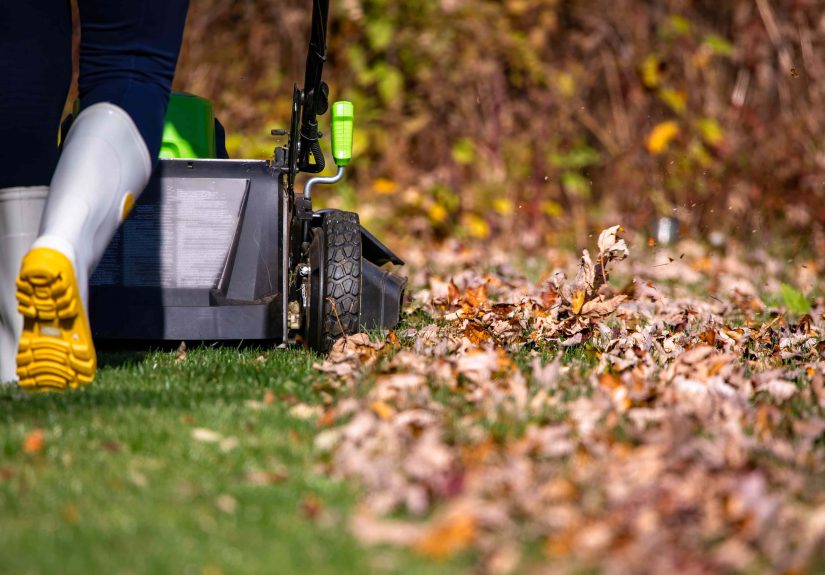
Fall mowing is not just about grass height. It is also one of the easiest ways to manage leaves. A mower with mulching capability can chop light leaf drop into smaller pieces that settle into the turf and break down more easily. But if you stop mowing while leaves keep falling, the lawn can disappear under a soggy blanket before you realize it.
A thin layer of mulched leaves can be helpful. A thick layer of intact leaves is a whole different story. Heavy leaf cover blocks sunlight, reduces air circulation, traps moisture, and can create ideal conditions for snow mold and other winter damage. Your lawn is not a compost bin with branding.
3. Disease Risk Can Increase
One of the reasons lawn experts talk so much about fall mowing is disease prevention. Excessively tall grass, thick leaf debris, and wet conditions can all make it easier for fungal problems to show up. Snow mold is the usual villain in this story, especially in colder regions where snow sits on the lawn for a while.
Not every yard will get snow mold, of course, but sending a shaggy, leaf-covered lawn into winter is basically rolling out a welcome mat for trouble. A tidy final mowing schedule does not guarantee perfection, yet it does stack the odds in your favor.
4. Voles May Find It Cozier
If you have ever seen weird winding tracks across the lawn in spring, you may have met the work of voles. These small rodents like protected pathways under snow and dense vegetation. Tall turf and nearby debris can make your lawn feel like premium winter housing.
No, mowing alone will not launch a full anti-vole security system. But allowing grass to stay too long and messy can make the yard more inviting. A properly maintained lawn heading into winter gives them fewer cozy hiding spots.
5. Spring Cleanup Gets More Annoying
There is also the very practical consequence: when you stop mowing too early, you often create a bigger mess for future you. Matted turf, stubborn leaf buildup, uneven height, and patchy winter damage all become spring chores. And spring already has enough on its plate without adding “resurrect the lawn” to the list.
What Happens If You Mow Too Short Instead
Now let’s swing the pendulum in the other direction. Some homeowners hear “don’t let it get too tall” and respond by scalping the lawn like they are preparing it for military service. That is not the move either.
Mowing too short reduces leaf area, weakens the plant, and can make turf more vulnerable to stress. On cool-season lawns, cutting too low can thin the stand and leave room for weeds to move in later. On many lawns, scalping also causes ugly brown patches because you are suddenly exposing stems and crowns instead of just trimming leaf blades.
The best fall mowing strategy is not “lowest setting and good luck.” It is a controlled glide into dormancy. Think of it as landing the plane, not driving it into the runway.
So When Should You Stop Mowing in Fall?
The simplest rule is also the most reliable: stop mowing when the lawn stops growing enough to need mowing. That sounds obvious, but it beats choosing a random date every year. Grass growth depends on your region, weather pattern, moisture, and lawn type, so the final mow could happen in October in one yard and much later in another.
For cool-season lawns, growth often continues deep into fall. If the grass is still getting taller, keep mowing. For many warm-season lawns, mowing frequency drops sharply as dormancy approaches, and once the turf is fully dormant, regular mowing usually is not needed unless winter weeds or stray growth make it necessary.
A helpful sign is this: if you can go a full week or more and the lawn barely changes, you are near the end. If it still looks shaggy after several days, the mower’s season is not over just because your patience is.
The Right Final Height for Fall Lawn Mowing
Cool-Season Grasses
For most cool-season home lawns, a final target in the neighborhood of 2.5 to 3 inches is a safe, practical range. Some turf experts recommend going a bit shorter for the last mow if your lawn has a history of snow mold or vole activity, often around 2 inches. Others prefer keeping the lawn near its usual mowing height and only lowering it slightly if it has been maintained especially tall.
The takeaway is not to obsess over one magic number. It is to avoid extremes. Do not send cool-season grass into winter at 4 inches and floppy. Do not scalp it to the dirt either. A moderate final height usually wins.
Warm-Season Grasses
Warm-season lawns follow their own rules. Many are maintained shorter than cool-season lawns during the growing season. As fall approaches, some experts suggest mowing at the upper end of the recommended range rather than keeping it ultra-short. That can help with winter hardiness and reduce stress before dormancy.
For bermuda, centipede, or zoysia, that often means staying within the normal species range and avoiding sudden dramatic cuts. Once the turf is dormant and not growing, routine mowing may stop, though winter weeds can still occasionally justify a pass with the mower.
How to Handle the Last Few Mows Without Hurting the Lawn
Follow the One-Third Rule
Never remove more than one-third of the grass blade in a single mowing. If your lawn got away from you because weekends became football marathons, bring it down gradually over multiple cuts. One dramatic haircut in late fall is a stress test your lawn did not volunteer for.
Keep the Blade Sharp
A dull blade tears grass instead of cutting it cleanly. Torn tips lose moisture faster, look ragged, and are more vulnerable to stress. Fall is a terrible time to attack your lawn with what is basically a spinning butter knife.
Mow Dry If Possible
Wet grass clumps, smears, and cuts unevenly. It also makes leaf mulching less effective. Aim for a dry window whenever you can, especially for those later-season cleanups.
Mulch Leaves Until the Lawn Starts Disappearing
Light to moderate leaf fall can often be mulched right into the lawn. But once leaves pile up to the point that they cover most of the grass surface, it is time to bag, rake, or remove the excess. Mulching is smart. Smothering the lawn and calling it “organic” is not.
Common Fall Lawn Mistakes That Cause Spring Regret
- Stopping too early: The lawn keeps growing, gets too tall, and heads into winter messy.
- Ignoring leaves: Even a healthy lawn can struggle under thick leaf buildup.
- Scalping the lawn: Cutting way too short weakens the turf.
- Making a huge final cut: Dropping the height too quickly shocks the grass.
- Using the same advice for every lawn: Cool-season and warm-season grasses do not behave the same.
What a Good Fall Mowing Plan Looks Like
If you want the practical version, here it is. Keep mowing as long as the lawn is actively growing. For cool-season grass, aim to enter winter at a moderate height, usually around 2.5 to 3 inches, with a slight reduction only if there is a good reason. For warm-season grass, stay within the recommended range for your species and avoid a harsh last cut. Mulch leaves when manageable, remove excess debris, and do not let the lawn disappear under a soggy seasonal blanket.
This approach helps the grass go into winter cleaner, healthier, and less likely to deal with preventable problems. It also makes spring less dramatic, which is good for the lawn and excellent for your blood pressure.
Real-World Experience: What Homeowners Notice When They Quit Mowing Too Soon
One of the most common homeowner experiences is the “I thought it was done” mistake. The weather cools down, mornings feel crisp, and the lawn looks like it is slowing. So the mower gets parked, the gas can gets shoved behind a bag of fertilizer, and everyone moves on emotionally. Then a mild stretch hits, the grass keeps growing, leaves fall harder, and suddenly the yard looks like it is auditioning for a nature documentary. By the time winter arrives, the lawn is uneven, patchy, and covered in a mix of tall blades and wet leaf clumps.
In spring, these homeowners often say the same thing: the lawn looked rougher than expected, especially in spots where leaves stayed stuck. Grass near fences, under trees, and along shaded edges tends to come out the worst because those areas trap moisture longer. What seemed like a harmless decision in fall becomes a longer cleanup job in March or April.
Another experience shows up in neighborhoods with cool-season grass. Some people stop mowing because they assume growth is basically over once temperatures drop. But cool-season turf often takes fall as an invitation to grow nicely again after the stress of summer. Homeowners who keep mowing at the right height usually notice the lawn stays cleaner, denser, and easier to manage. It also tends to look more uniform before winter, which means it wakes up in spring with less drama.
Then there is the opposite crowd: the folks who give the lawn one final ultra-short buzz cut because they heard somewhere that shorter must be better. That can backfire too. Lawns cut too low often look tired, thin, and dull before winter even begins. If dry weather or temperature swings follow, the turf has less cushion to handle stress. In spring, those areas may green up more slowly or show more weeds where the canopy thinned out.
Homeowners with lots of trees learn a separate lesson. They may love the idea of mulching leaves, but there is a difference between lightly dusting the lawn with chopped leaves and trying to grind down what looks like a full forest floor in one afternoon. The best results usually come from frequent passes during fall rather than waiting for a leaf apocalypse. People who stay on top of leaf mowing often report a healthier-looking lawn and much less back-breaking cleanup.
Perhaps the clearest pattern is this: lawns respond better to consistency than to panic. Homeowners who keep mowing based on actual growth, adjust height gradually, and manage leaves before they pile up usually get the best results. Not because they are lawn wizards, but because they avoid the two big traps of fall care: quitting too early and overcorrecting too hard. Your lawn does not need perfection. It just needs you to avoid ghosting it in October.
Final Takeaway
If you stop mowing in fall too early, your lawn usually does not thank you for the extra freedom. It often goes into winter too tall, more likely to mat down, more likely to trap leaves and moisture, and more likely to face spring issues ranging from disease pressure to messy recovery. But mowing too short is not the answer either.
The best strategy is beautifully boring: keep mowing while the grass is still growing, use the right height for your turf type, reduce height gradually if needed, and stay ahead of leaves. That simple plan gives your lawn the best chance to head into winter healthy and come back in spring looking like you know exactly what you are doing, even if you absolutely had to watch a tutorial halfway through.