Table of Contents >> Show >> Hide
- Why a Wall-Mounted Log Holder Is a Smart Storage Move
- Start With the Basics: Firewood That Burns Clean (and Doesn’t Make You Cry)
- Safety First: Heat, Clearances, and the “Uninvited Guests” in Firewood
- Choosing the Right Wall-Mounted Log Holder
- Installation: How to Mount It Without Creating a Wall-Repair Weekend
- Style It Like Remodelista Would (But Make It Yours)
- Maintenance and Upkeep
- Conclusion: The Small Upgrade That Makes Winter Feel More “Put Together”
- Real-World Experiences: Living With a Wall-Mounted Log Holder (500+ Words)
There are two kinds of firewood people: the “pile it somewhere and pray” crowd, and the “my logs deserve better” crowd.
If you’re reading this, congratulationsyou’re the kind of person who wants your home to feel warm, intentional, and not
like a squirrel moved in and opened a lumber yard.
Remodelista’s quick-hit inspiration post from the Scandinavian design world points to a simple, brilliant upgrade:
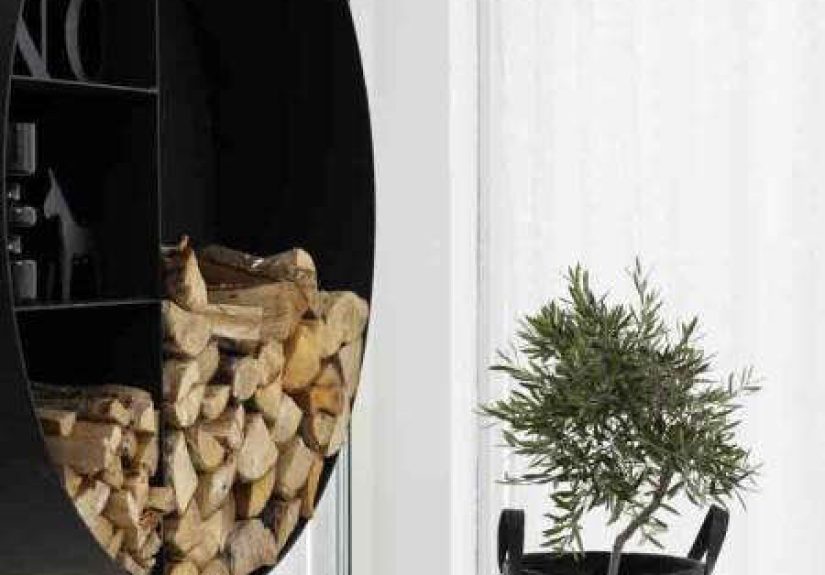
a wall-mounted log holder that frees up floor space and doubles as display shelving. In other words:
your firewood becomes decor, and your decor stops competing with a wobbly basket of bark confetti.
In this guide, we’ll break down what makes a wall-mounted log holder work (and what makes it rip out of drywall at 2 a.m.
like a horror movie jump scare), how to choose the right style and size, and how to store wood safely and cleanlywithout
turning your living room into a bug hostel.
Why a Wall-Mounted Log Holder Is a Smart Storage Move
1) It saves floor space where it actually matters
Floor space around a fireplace or wood stove is premium real estate. A wall-mounted log holder turns “dead zone”
wall area into functional storagekeeping walkways clear and making smaller rooms feel less crowded.
If you’ve ever performed the awkward living-room shuffle around a bulky log rack, you already understand the appeal.
2) It turns wood into a “designed” moment
Neatly stacked logs can look sculpturalespecially if you burn consistent lengths (like 16-inch splits) and stick to a
simple palette: pale birch, darker oak, or mixed hardwood for a natural gradient. A wall-mounted holder frames that look
the way a picture frame flatters art: same subject, suddenly intentional.
3) It encourages a better habit: “store a little inside, a lot outside”
A wall-mounted rack typically holds a day or two of woodnot an entire winter’s supply. That’s a feature, not a flaw.
Best-practice guidance from extension services and fire-safety resources consistently leans toward keeping bulk firewood
outside, dry, and managedthen bringing in a smaller “working supply” as needed.
Start With the Basics: Firewood That Burns Clean (and Doesn’t Make You Cry)
Seasoned wood matters more than the fanciest log holder
Dry wood burns hotter and cleaner. Multiple reputable sources (including the EPA’s Burn Wise program and university/extension
publications) commonly recommend burning wood that’s properly seasonedgenerally targeting moisture content under about
20%. If you burn wetter wood, you’ll often get more smoke, less heat, and more creosote risk in the chimney.
Outdoor storage: “top covered, sides open” is the winning combo
A common best-practice theme: keep wood off the ground, let air move through the stack, and cover the top
to shed rain/snowwhile avoiding wrapping the sides so tightly that you trap moisture. Think “raincoat,” not “plastic cocoon.”
Indoor storage rule of thumb: bring in what you’ll use soon
Keeping a modest amount of wood indoors helps it stay ready to burn and keeps your routine smooth. The key is restraint.
Stock the wall-mounted holder like you stock a candy bowl: enough to enjoy, not so much that it becomes your whole personality.
Safety First: Heat, Clearances, and the “Uninvited Guests” in Firewood
Clearances: follow your appliance manual, and don’t crowd the heat zone
Fireplaces and wood stoves have specific clearance guidance for combustibles. Many safety resources referencing NFPA standards
emphasize maintaining generous clearance from combustibles around heating appliances, and NFPA 211 includes detailed clearance
requirements for combustible materials near fireplace openings and related components.
Practical takeaway: don’t mount a log holder where it bakes in radiant heat, sits directly above a stove, or crowds the front
of the fireplace opening. When in doubt, choose a nearby wall that’s clearly outside the “hot zone.”
Pests: most firewood bugs won’t eat your housebut they can still ruin your vibe
Several extension and entomology resources note that storing firewood indoors can lead to insects emerging in the home.
Often, they’re nuisance guests (think spiders, beetles, or ants) rather than structural threatsbut nobody wants surprise roommates.
The safest approach is to keep your main pile outdoors and bring in smaller amounts as needed.
Cleanliness: bark bits are inevitable (plan for them)
Wood is charming, but it’s not tidy. Even “clean” logs shed bark, dust, and splinters. A wall-mounted holder reduces floor mess,
but it doesn’t eliminate itso design the setup like a grown-up: add a subtle tray, mat, or easy-to-vacuum zone underneath.
Choosing the Right Wall-Mounted Log Holder
Pick a capacity that matches your burn habits
Ask yourself one question: How often do I want to refill this?
If you use your fireplace occasionally, a small holder that displays 8–15 logs might feel perfect.
If you burn nightly, you may want a longer or deeper holderbut be mindful: more logs means more weight, and weight changes
how you must anchor the system.
Materials that work (and why)
- Powder-coated steel: strong, minimal, modern, and easy to wipe clean.
- Stainless steel: sleek and durable; great if your home leans contemporary.
- Hardwood + steel brackets: warmer look, but be honest about maintenance (dings happen).
Depth, height, and log length: avoid the “Jenga collapse” scenario
Most firewood sold for home fireplaces is cut to standard lengths (often around 16 inches), but not always.
Measure what you actually burn. The holder should support the length without logs protruding dangerously into the room.
If you like a tidy aesthetic, use consistently sized splits and stack them the same direction every time.
Installation: How to Mount It Without Creating a Wall-Repair Weekend
Here’s the truth: a wall-mounted log holder is basically a shelf that holds heavy, irregular objects.
That means the mounting method matters a lot. If you remember nothing else, remember this:
wood racks should be secured to structure (studs), not just drywall.
Step 1: Find studs and plan the placement
Home-improvement guidance for installing wall-mounted shelves consistently recommends using a stud finder,
marking stud locations, and planning the bracket/fastener positions carefully before drilling.
Stud spacing is commonly 16 or 24 inches on center, so your holder’s bracket layout should ideally align with that reality.
Step 2: Use the right fasteners (and pilot holes)
Many shelf-installation guides recommend drilling pilot holes into studs to reduce splitting and make fasteners bite cleanly.
The specific fastener choice depends on your holder’s design and the manufacturer’s instructionssome use heavy-duty screws,
others specify lag screws/bolts. If the rack came with hardware, don’t “upgrade” randomly; match the spec to the rack’s design.
Step 3: Level it, then test it (before you load it like a lumberjack)
A small tilt becomes a big problem when you stack logs. Level the bracket or mounting rail carefully, tighten everything down,
and apply a cautious test load. Start with a few logs, then add more gradually while checking for movement.
When studs don’t line up with your dream placement
Sometimes your “perfect” spot lands between studs. Options include:
- Shift the holder slightly to hit studs (often the simplest choice).
- Use a mounting board/ledger secured across multiple studs, then attach the holder to that board.
- Consult a pro if the rack is large, you’re in older plaster walls, or you’re not confident about load support.
Style It Like Remodelista Would (But Make It Yours)
Keep the composition simple
The Remodelista vibe is “considered,” not “cluttered.” Let the logs be the texture.
Add one small object on the shelf portion (if your design includes one): a lantern, a ceramic vase, or a match striker.
Stop there. This is storage, not a museum gift shop.
Coordinate with your fireplace tools
If your log holder is black steel, echo that finish in your fireplace tools or screen.
If it’s brass or stainless, repeat the metal elsewhere so it looks intentional.
The easiest design trick is repetitionyour eyes read it as “planned,” even if you chose it at 11:48 p.m. online.
Make the “mess zone” invisible
Put a low-profile mat or tray beneath the holder to catch debris. Choose something that blends: black rubber,
dark felt, or a subtle hearth rug. You’ll still vacuum, but you’ll vacuum with dignity.
Maintenance and Upkeep
Rotate wood and keep it dry
Use older, drier wood first. Outdoor stacks benefit from airflow and organization. Indoors, keep only what you’ll burn soon.
If your logs feel damp, sound dull when knocked together, or hiss when burning, they may need more drying time.
Do quick seasonal checks on the mounting
At the start of your burning season, give the holder a quick inspection: tighten screws if needed and look for any wall movement
or sagging. A two-minute check now beats patching drywall later.
Conclusion: The Small Upgrade That Makes Winter Feel More “Put Together”
A wall-mounted log holder is one of those rare home upgrades that’s equal parts practical and pretty.
It saves space, keeps your fuel handy, and turns a necessary pile of wood into a design feature.
The secret isn’t just the holderit’s the whole system: dry wood, smart storage, safe clearances, and solid mounting.
Get those right, and you’ll have the kind of hearth setup that looks good even when the fire’s out.
Real-World Experiences: Living With a Wall-Mounted Log Holder (500+ Words)
People rarely buy a wall-mounted log holder because they woke up craving hardware. They buy it because something happened.
Usually it’s one of three moments: (1) the floor rack became a toe-stubber, (2) the basket started shedding bark like a golden retriever,
or (3) someone said, “Why does it look like we store firewood the way pirates store cannonballs?”
In real homes, the first noticeable difference is traffic flow. When logs aren’t squatting on the floor, the area around the hearth feels
calmer. In smaller living rooms, that’s huge. One common experience is realizing you can finally place a chair where you actually want itwithout
performing a daily obstacle course around your wood supply. Suddenly the fireplace becomes a focal point again instead of a “miscellaneous pile zone.”
The second surprise is how much a wall-mounted holder changes your routine. Because it holds a limited amount, it nudges you toward a rhythm:
bring in a day or two of wood, burn it, repeat. Many homeowners find this keeps the house cleaner and reduces the chances of “mystery bugs”
showing up in January like they were invited to a party. You stop dragging in armloads of random pieces and start choosing better splitsdrier,
more consistent, easier to stack. It sounds small, but the routine shift is real: less chaos, more control.
Then there’s the design effect, which is honestly the reason the Remodelista-style idea sticks. A neatly stacked row of logs reads like texture:
organic, graphic, a little Scandinavian-cabin-adjacent even if you live in a 1998 suburban split-level. People often describe feeling oddly satisfied
after restocking itlike making a bed, but for your winter personality. And if your holder includes a shelf, it becomes a “micro display” for the kind of
objects that make a room feel finished: a candle, a small ceramic bowl for matches, a simple vase. (Pro tip: if you add three objects, you’ve added clutter.
If you add one object, you’ve added style. Yes, this is unfair. No, the universe will not change its mind.)
Real-life installations also come with real-life lessons. A common one: studs decide everything. People plan the perfect centered placement,
then discover the studs are not interested in cooperating. That’s when the “ledger board” approach becomes popularanchoring a board into multiple studs
and mounting the holder to itbecause it gives flexibility without sacrificing strength. Another lesson: it’s wise to start with fewer logs than you think
you need. Load it gradually. Live with it for a week. Adjust the height if it feels too low (awkward bending) or too high (dangerous reaching). The “best”
height is the one that makes grabbing a log feel effortless, not like a CrossFit warm-up.
Finally, there’s the emotional payoff. For many households, a fireplace or wood stove isn’t just heatit’s ritual. The wall-mounted log holder supports that
ritual in a quiet way: the wood is ready, the area is tidy, the room feels intentional. And when guests come over, you don’t have to explain the wood pile.
You just get to enjoy the fire, like the stylish, functional adult you absolutely are (at least in this one specific corner of your home).