Table of Contents >> Show >> Hide
- Introduction
- Key Terms & Context
- H2: Strange Traditions Before the Big Ceremony
- H2: The Wedding Ceremony – Rituals That Make You Go “Huh?”
- H2: The Wedding Feast and Aftermath
- H2: Why So Weird? Understanding the Meaning
- H2: Modern Echoes and Mis‑Echoes
- H2: Conclusion
- Extra : My Personal Experiences & Reflections on Viking‑Style Weddings
Imagine your wedding starting with a sword‑exchange, a hot steam‑bath to cleanse maidenhood, and a race between two families to see who has to buy the next round. That was life for the ancient Norse. In this article we dive into the wild, symbolic, and sometimes downright bizarre wedding customs of the Vikingsrituals steeped in mythology, legal contracts, and lots of mead. Read on to discover how the Vikings tied the knot (literally), what these rituals meantand how some have echoed (or been totally dropped) into modern times.
Introduction
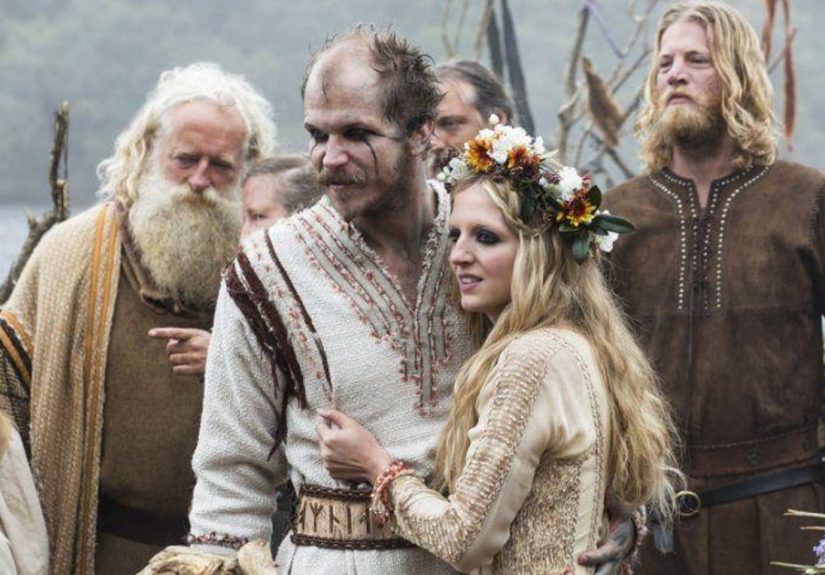
When most of us plan a wedding, we worry about bouquets, the seating chart, the playlist, andoh yesthe best man’s speech. But for the folks in Viking Scandinavia, wedding planning involved invoking gods, bathing in steam, fetching ancestral swords, and racing to the feast. Far from your usual chapel‑and‑cake routine, Viking wedding traditions were dramatic, communal, and heavy on symbolic power. The union of the couple was more than a love story: it was a public promise, a strategic alliance, and a journey into a new identity for both bride and groom.
Drawing on historical sources and modern reconstructions, we’ll walk through the weirdest and most fascinating rites of the Viking weddingfrom the betrothal and bathing rituals to swords, mead, gods, and feasting. Buckle up: it’s not your grandmother’s wedding cake.
Key Terms & Context
First, a few helpful definitions so you’re not lost in Old Norse: In Viking society marriages often began with a formal betrothal called the festarmál. Then the wedding proper, often termed brúðlaup (literally “bride‑run” or “bride‑leap”) took place.
These weddings were deeply embedded in social, economic and spiritual life they were about alliances, inheritance, family honour, and yes, fertility.
H2: Strange Traditions Before the Big Ceremony
H3: Picking the Day and Weathering the Wait
Want to get married? If you were Viking‑age Norse, you waited. Your wedding would preferably be held on a Friday dedicated to the goddess Frigg (or sometimes Freyja) and not in the dead of winter (since travel was tricky). Planning might drag on for years while families gathered resources, brewed the necessary ale, and waited for good weather.
H3: The Bathhouse Cleanse: Maidenhood (and Bachelorhood) Washed Away
Yes there was a spa day in Viking times. The bride would visit a bath‑house (think steam, hot stones + birch twigs) to symbolically wash away her life as an unwed maiden. Her hair would be down for the last time in public before marriage. The groom also got a washing ritual, often after retrieving the family sword (more on that), symbolizing the end of boyhood.
H3: Sword Ceremony & Switching Identities
Brace yourself: the groom might be sent to retrieve an ancestral sword in some sagas this meant breaking into a grave mound to mark his transition from bachelor to married man. He then carried that sword into the ceremony. The sword was powerful: it symbolized family history, protection, lineage. The bride might receive one too.
H2: The Wedding Ceremony – Rituals That Make You Go “Huh?”
H3: Exchange of Swords, Rings & Binding of Hands
Unlike most modern weddings, Viking unions often involved both rings *and* swords. The groom would present his sword (or a family sword) to his bride; she might hand him a sword too. It symbolized merging of families and mutual protection. Along with that, a cord‑binding ceremony called handfasting (hands tied together) appears in many descriptions the origin of the phrase “tying the knot”.
H3: Invoking the Gods and the Hammer on the Lap
Religious overtones loomed large: the gods were called to witness the union, especially goddesses of marriage and fertility. One sobering (or charming?) tradition: A representation of Thor’s hammer (Mjölnir) was placed in the bride’s lap as she asked for fertility and strong children. Yes, you read that right.
H3: Bride RunningThe Race You Didn’t Know You Signed Up For
Once the official ceremony ended, there was a foot‑race called the bruðhlaup (bride‑running). The bride’s family and the groom’s family raced to the feast hall. The winner’s side got bragging rights; the loser served the drinks. Maybe the first “wedding game”?
H2: The Wedding Feast and Aftermath
H3: Feasting, Mead & The “Honeymoon” Idea
Feasting was essential. The newlyweds and all their guests celebrated for days not hours. They drank mead (honey‑wine), often generously. One tradition states they had to have enough bride‑ale to last one moon‑cycle (about a month) which gives an origin story to the word “honeymoon”.
H3: Threshold Symbolism & The Sword in the Beam
When the bride entered the home of her husband, the transition was symbolically charged: she might be blocked by a sword laid across the threshold (by the groom) then carried over the threshold to avoid stumbling (which was bad luck). In some sources the groom plunged his sword into the roof‑beam; how deep the cut was taken as an omen of the marriage’s success.
H2: Why So Weird? Understanding the Meaning
You’re probably asking: Why all these odd rituals? For the Vikings, a wedding wasn’t just “two people in love” (though that factor certainly existed). It was:
- A legal contract between families (dowries, rights, obligations).
- A rite of passage for both bride and groom: shifting from one social identity to another. (Thus the cleaning, the sword‑theatre.)
- A gathering that invoked the gods, ancestors, and nature for blessing the new household.
- A public affirmation: the community witnessed the union, the obligations, the new home, the transfer of wealth and duty.
So when you see the bride’s hair down for the last time, the sword handed down, the race, the hammer in the lap – they’re all loaded with symbolic meaning about fertility, protection, transition, status, family and community. With a touch of Norse theatrical flair.
H2: Modern Echoes and Mis‑Echoes
Today some people adopt “Viking weddings” or Norse‑themed ceremonies swapping in handfasting, rune décor, drinking horns, and so on. But historians caution that we don’t know the full script of these ancient rites; much has been inferred and mythologised.
Also: Not every ceremony included goats being sacrificed, swords stabbed into beams, or grave‑mound burglaries. Some of these tales might be exaggerated or symbolic. That said: if you ever hear about “tie a knot with cords around your hands,” you now know you’re channeling your inner Viking.
H2: Conclusion
From steam‑baths to sword‑swaps, from races to hammer‑laps, Viking wedding traditions were awesomely strange and packed with meaning. The rituals celebrated more than two loversthey marked the forging of families, the blessing of gods, and the advent of a new household. Many of the quirkiest bits (like the race or the hand‑tying) have echoes today, albeit in far more tame form.
If you’re ever thinking of a themed wedding, or just fascinated by how ancient peoples marked the big “I do”, the Norse give us plenty of inspirationwith laughs, chills and maybe a horn of mead at the end.
Extra : My Personal Experiences & Reflections on Viking‑Style Weddings
Let me unabashedly admit: when I first read about the “bride‑running” ritual of the Vikings, I laughed. A foot‑race between two families to see who serves the ale? I mean, come onthat would totally upend my wedding day planner brain. But then I got thinking: there’s a certain genius to these old traditions. They weren’t just random or purely theatricalthey were communal, interactive, and memorable. And in a modern world where weddings often blur into one long Instagram gallery, maybe a little theatrical community ritual wouldn’t hurt.
A friend of mine recently did a Viking‑inspired wedding (in modern dress, no grave‑mounds busted, thank goodness) and they incorporated several of these traditionshandfasting, a symbolic sword‑exchange (just for show), and a little mock race between guest parties (the groom’s side vs the bride’s side) to the reception area. The prize? The losing side bought dessert. It was silly, playful, and got people laughing and moving.
What struck me most was how the symbolism resonates even today. Handfasting: we bind hands, symbolizing two lives becoming one. Sword‑exchange: perhaps now it’s rings instead of swords, but the idea of protection and joining families is still there. The race: modernly it might be the bride/groom’s families greeting the couple at the door or something, but the underlying spirit is “the families are now in friendly competition, now joined.”
I remember standing at that mock race, watching two groups of guests sprinting across the lawn in wedding shoes, whoever made it first got bragging rightsand yes, the losers bought desserts. Later, over mead‑inspired cocktails, the bride whispered: “I feel like we just stepped into a saga.” And she wasn’t exaggerating.
What would I do if I ever had a Viking‑style wedding? First, I’d probably skip the grave‑mound sword retrieval (logistics!). But I’d love to bring the steam‑bath purification idea in a metaphorical way: maybe the bride and groom each share a quiet “reset” morning together, shedding the single self and stepping into the married identity. Then the handfasting cords: maybe custom‑made ribbons with runic inscriptions for our values (“joy”, “steadfast”, “family”). The race? Maybe a fun wheel‑barrow relay before the reception, just to get everyone smiling and moving.
And the feast? Oh yes: if you’re going to do a Viking theme, go big. Mead, smoked meats, communal benches, horns for drinking, toast after toast, laughter. Because back in the day the feast was a big deal: you didn’t just invite five guests, you invited the clan. And you celebrated days. The modern one‑night event is fun, but… where’s the saga in that?
Finally, reflecting on the oddness of some rituals (hammer in the lap, swords in the beam), I realised they were symbolic and lived by people who knew their meaning intimately. The hammer for fertility, the threshold crossing for leaving one world and entering another, the race for shifting rolesall of them said: “Marriage isn’t trivial. It’s a transformation.” And maybe that’s what we lose sometimes today.
So yesstrange Viking wedding rituals, indeed. But weird they may be, they’re rich, meaningful, communal and memorable. If anything, they remind us: your wedding could use a little more ceremony, a dash of fun, and maybe a horn of mead. At minimum, now when someone says “tying the knot,” you know the Vikings might have invented itcords, runes, swords and all.