Table of Contents >> Show >> Hide
- What Is Stress Eating, Exactly?
- Why Stress Eating Happens
- Common Triggers for Stress Eating
- How To Stop Stress Eating (Without Becoming Food Police)
- 1) Pause Before You Eat
- 2) Use the HALT Check-In
- 3) Eat Regular Meals (Seriously)
- 4) Make Your Environment Work For You
- 5) Build a Non-Food Stress Relief List
- 6) Try “Urge Surfing” Instead of Fighting the Craving
- 7) Sleep Like It’s a Nutrition Strategy
- 8) Be Careful With “Good” and “Bad” Food Labels
- When Stress Eating May Be a Bigger Problem
- A Practical 7-Day Reset for Stress Eating
- Conclusion
- Experiences With Stress Eating (Composite Examples)
- SEO Tags
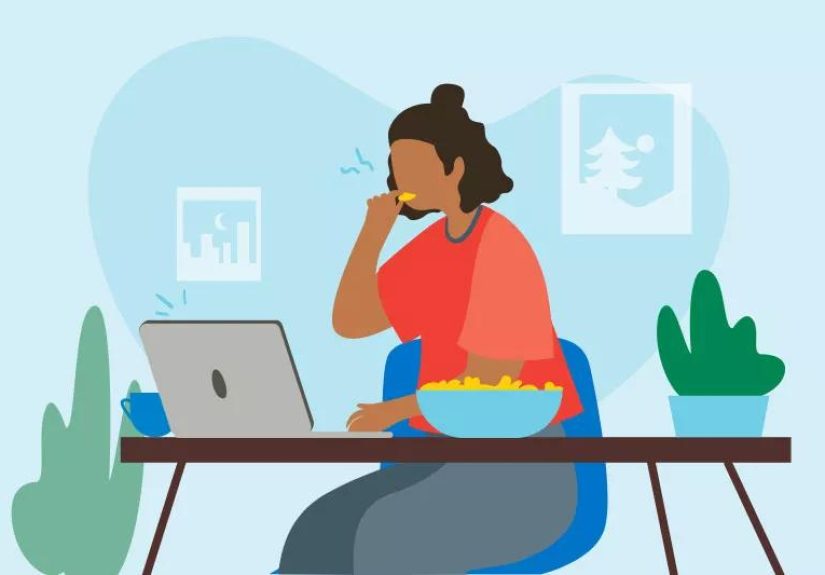
It starts innocently enough: a rough email, a long day, a weird text, and suddenly you’re standing in front of the pantry like it personally understands your feelings. If this sounds familiar, welcome to the very crowded club of stress eaters. The good news? You are not “bad,” broken, or lacking willpower. Stress eating is a real, common response tied to biology, habits, emotions, and environment.
In fact, stress can push people in different directions. Some lose their appetite completely, while others feel drawn to comfort foods that are salty, sweet, crunchy, or all of the above. That’s not random. It’s your brain and body trying to cope quickly, even if the strategy backfires later.
This guide breaks down why stress eating happens, how to spot it, and practical ways to stop emotional eating without extreme rules, guilt spirals, or pretending celery is the answer to everything.
What Is Stress Eating, Exactly?
Stress eating (often called emotional eating) is eating in response to emotions instead of physical hunger. Stress is one of the most common triggers, but it can also show up with boredom, anxiety, loneliness, frustration, sadness, or even overwhelm.
The key detail is this: the food is usually doing an emotional job. It may distract you, comfort you, numb you out, or give you a quick reward when your brain feels overloaded.
Stress Eating vs. Physical Hunger
- Physical hunger builds gradually and can be satisfied by many foods.
- Stress eating tends to hit fast, feel urgent, and usually wants a very specific food (“I need chips,” “I need chocolate,” “I need pizza now”).
- Physical hunger stops when you feel full enough.
- Stress eating often keeps going because the goal is emotional relief, not nourishment.
- Physical hunger usually doesn’t come with guilt.
- Stress eating often ends with regret, shame, or “Why did I do that?”
Important note: occasional comfort eating is normal. The problem is when it becomes your main coping strategy and starts affecting your mood, energy, sleep, digestion, or relationship with food.
Why Stress Eating Happens
Stress eating is not just “a bad habit.” It’s usually a combination of biology and behavior. Think of it like a three-part team: hormones, brain reward circuits, and routines. When all three line up, the cookie doesn’t stand a chance.
1) Stress Hormones Change Appetite and Cravings
When stress hits, your nervous system and hormones jump into action. In the short term, stress can reduce appetite for some people. But with ongoing stress, things often shift. Chronic stress can make cravings stronger, especially for highly palatable foods (think sugar, fat, and salt).
Why? Your brain is looking for quick relief. Comfort foods can temporarily activate reward pathways and help you feel calmer or more “regulated” for a moment. The relief is realbut short-livedso the pattern can repeat.
That’s one reason stress eating can feel automatic. You’re not just eating; you’re trying to regulate your nervous system with something fast and familiar.
2) Your Brain Learns the Shortcut
If you repeatedly pair stress with food, your brain gets efficient. Over time, it starts building a habit loop:
- Trigger: Stress, boredom, anxiety, conflict, deadlines
- Behavior: Grab a comfort food
- Reward: Temporary relief or pleasure
Repeat that enough times, and your brain starts suggesting snacks before you’ve even finished feeling the emotion. This is why stress eating can feel “mysterious” when it’s actually learned and reinforced.
3) Food Cues Are Everywhere
Stress eating is easier when your environment is full of triggers. Smells, ads, food delivery apps, the office candy bowl, your favorite late-night snack cabinetthese cues can fire up cravings even when you aren’t physically hungry.
Add stress on top of that, and your brain is more likely to choose the fastest reward available. This is not a character flaw. It’s modern life being very snackable.
4) Restriction and Skipping Meals Make It Worse
Many people try to “fix” stress eating by eating less during the day or banning foods completely. Unfortunately, that often backfires.
When you’re under-fueled, your body and brain become more sensitive to cravings. Then stress shows up, and the rebound eating feels even stronger. Restrictive eating is one of the biggest hidden drivers of emotional eating.
Translation: if you’re trying to stop stress eating, regular meals may help more than stricter rules.
5) Poor Sleep Makes Cravings Louder
Sleep and stress are best friends in the worst way. High stress disrupts sleep, and poor sleep makes emotional eating harder to manage.
Sleep loss can increase hunger signals, reduce fullness signals, and make high-calorie foods more tempting. It also lowers your ability to pause and make decisions when cravings hit. That’s why “I eat the worst at night” is often a sleep-and-stress story, not just a willpower story.
Common Triggers for Stress Eating
Stress eating usually follows patterns. Once you identify yours, the behavior becomes easier to change. Here are some common triggers:
Emotional Triggers
- Anxiety before school, work, or social situations
- Frustration after conflict or criticism
- Loneliness or feeling disconnected
- Boredom (the “I need something to do with my hands” effect)
- Exhaustion and decision fatigue
Situational Triggers
- Working late and eating at your desk
- Studying with snacks “for focus”
- Driving past your usual fast-food spot
- Scrolling at night near the kitchen
- Holiday stress, family gatherings, or packed schedules
Physical Triggers That Pretend To Be Emotional
- Skipping meals
- Going too long without eating
- Low protein or fiber earlier in the day
- Poor sleep
- Too much caffeine and not enough water
A very useful trick is to ask: “Am I stressed, tired, thirsty, lonely, or actually hungry?” Sometimes it’s hunger. Sometimes it’s all of the above. Either way, the question helps you respond on purpose instead of autopilot.
How To Stop Stress Eating (Without Becoming Food Police)
Let’s skip the “just have self-control” advice. It’s not helpful, and honestly, it’s rude. The goal is to build a system that makes stress eating less likely and easier to interrupt.
1) Pause Before You Eat
You don’t need a dramatic meditation retreat. Start with a 60-second pause.
- Take 5 slow breaths
- Ask, “What am I feeling right now?”
- Ask, “What do I need mostfood, rest, comfort, a break, or a distraction?”
This tiny pause creates a gap between the craving and the action. Even if you still eat, you’re practicing awarenessand that matters.
2) Use the HALT Check-In
HALT is simple and surprisingly effective:
- Hungry
- Angry (or anxious)
- Lonely
- Tired
If you identify the real need, your next step becomes clearer. Hungry? Eat a real meal. Tired? Take a break or sleep earlier. Lonely? Text someone. Anxious? Walk, breathe, or write it out.
3) Eat Regular Meals (Seriously)
One of the best stress eating tips is also the least flashy: don’t let yourself get overly hungry.
Try a simple pattern of meals and snacks so your body isn’t running on fumes. Include:
- Protein (eggs, yogurt, beans, chicken, tofu, fish)
- Fiber (fruit, vegetables, oats, whole grains, beans)
- Healthy fats (nuts, seeds, avocado, olive oil)
Balanced meals improve energy and make cravings less explosive. Think of it as “prevention mode” instead of “emergency snack mode.”
4) Make Your Environment Work For You
If stress and food cues are a powerful combo, changing your environment is not cheatingit’s smart.
- Keep trigger foods out of immediate reach (or don’t keep giant quantities at home)
- Put easy options front and center (fruit, yogurt, nuts, prepped snacks)
- Avoid stress-eating hotspots when possible (like eating in front of the TV every night)
- Use a plate or bowl instead of eating from the package
Less exposure means fewer “surprise” cravings and less willpower required.
5) Build a Non-Food Stress Relief List
Food works fast, so your alternatives also need to be easy. Make a list before you’re stressed:
- 5-minute walk
- Breathing exercise
- Quick stretch
- Cold water on your face
- Text a friend
- Music break
- Shower
- Journal for 3 minutes
- Tea and a screen-free reset
You’re not trying to become a robot who never wants comfort. You’re just giving your brain more than one coping option.
6) Try “Urge Surfing” Instead of Fighting the Craving
Cravings feel permanent, but they usually rise and fall like a wave. Urge surfing means noticing the craving without immediately acting on it.
Example: “I’m craving chips. My stress is high. I feel it in my chest and jaw. I’m going to wait 10 minutes and see what changes.”
Sometimes the craving fades. Sometimes it doesn’t. Either way, you just practiced self-regulationand that’s how habits change.
7) Sleep Like It’s a Nutrition Strategy
Because it is. If you’re always sleep-deprived, your cravings will be louder and your patience will be lower.
- Set a realistic bedtime, not a fantasy bedtime
- Reduce late-night scrolling (the craving amplifier)
- Keep caffeine earlier in the day if it affects sleep
- Create a short wind-down routine (music, shower, reading, breathing)
Better sleep won’t eliminate stress eating overnight, but it makes every other strategy easier.
8) Be Careful With “Good” and “Bad” Food Labels
The stricter your food rules, the easier it is to feel like you “failed,” which often triggers more stress eating. Instead, aim for a flexible approach:
- Most meals = balanced and satisfying
- Some treats = allowed, enjoyed, and not dramatic
- No guilt spirals = major win
This reduces the all-or-nothing mindset that keeps emotional eating going.
When Stress Eating May Be a Bigger Problem
Stress eating can sometimes overlap with a more serious eating issue, including binge-eating disorder. If you frequently feel out of control around food, eat large amounts quickly, eat when not hungry, eat in secret, or feel intense guilt afterward, it’s a good idea to talk to a healthcare professional.
This is especially important if stress eating is affecting your mood, sleep, school/work performance, or health. Support can include therapy, nutrition counseling, stress management, and treatment for anxiety or depression if those are part of the picture.
Getting help is not “making it a big deal.” It’s making it easier.
A Practical 7-Day Reset for Stress Eating
If you want a simple starting point, try this one-week reset:
Day 1–2: Awareness
- Write down what you eat and how you feel (no judgment)
- Note time, hunger level, and stress trigger
Day 3–4: Stabilize Meals
- Eat regular meals
- Add protein and fiber to at least two meals
- Don’t skip lunch just because breakfast was big
Day 5: Environment Upgrade
- Move trigger foods out of sight
- Stock 2–3 easy snacks you actually like
- Set up a non-food stress tool (walk playlist, tea, stretching)
Day 6: Craving Skills
- Practice the 60-second pause once
- Try urge surfing for one craving
Day 7: Review, Don’t Judge
- What triggered stress eating most?
- What helped even a little?
- What will you repeat next week?
Progress here is not “zero emotional eating forever.” Progress is catching it sooner, reducing how often it happens, and having more ways to cope.
Conclusion
Stress eating happens because your brain and body are trying to help you cope quickly. The problem is that food can become the default solution to every hard feeling. The fix is not shame, strict diets, or pretending cravings don’t exist. It’s learning your triggers, eating regularly, improving sleep, changing your environment, and building better stress-relief tools.
If you take one thing from this article, let it be this: stress eating is a skill problem, not a moral problem. Skills can be learned. Habits can be changed. And yes, your pantry can stop feeling like your therapist.
Experiences With Stress Eating (Composite Examples)
Note: The examples below are composite scenarios based on common stress-eating patterns people describe in clinics, coaching, and everyday life. They’re here to help you recognize yourself without the awkwardness of calling out your 11:47 p.m. cereal decisions.
1) The “Deadline Snacker”
Maya, a college student, noticed she only craved chips and candy when assignments piled up. She assumed she had “bad discipline,” but her food log showed a different story: she skipped lunch, drank coffee all afternoon, and started studying seriously at 8 p.m. By the time stress peaked, she was underfed and mentally exhausted. Her “stress eating” was partly stress and partly genuine hunger.
What helped her most wasn’t cutting snacksit was adding structure. She started eating lunch every day, kept a protein snack in her bag, and used a 10-minute study break before grabbing food. She still had snacks during exam weeks, but the frantic “I can’t stop” feeling dropped a lot.
2) The “After-Work Reward Loop”
Daniel worked in customer support and felt emotionally drained by the end of each day. Around 6:30 p.m., he’d order takeout and eat while scrolling on the couch. He said it felt like the only time he could relax. The interesting part: he wasn’t always hungry. He was decompressing.
Once he recognized that food was his stress-off switch, he built a new routine: shower, comfortable clothes, 15 minutes of music, then dinner. He still ordered takeout sometimes, but not automatically. The biggest shift was giving himself a transition ritual, so food didn’t have to do all the emotional heavy lifting.
3) The “Bored but Busy” Parent
Keisha, a parent of two, described herself as “constantly busy and somehow also bored.” She would snack while cleaning, packing lunches, and answering messages. She wasn’t sitting down to binge; she was grazing all evening and feeling guilty later. Her triggers were stress, decision fatigue, and food visibilitythere were snacks everywhere for the kids.
Her solution was environmental, not dramatic. She pre-portioned a few snacks for herself, kept a water bottle nearby, and made one rule: if she wanted a snack, she had to put it on a plate and sit down for five minutes. That single habit made her more aware of whether she wanted food or just a break.
4) The “Healthy Eater Who Secretly Overdid It”
Chris was very focused on eating “clean” and did great all dayuntil nighttime stress hit. Then he’d eat large amounts of whatever was available and feel like he had ruined everything. The cycle repeated because he kept making his daytime rules stricter after each bad night.
What helped was removing the all-or-nothing mindset. He stopped labeling foods as “cheats,” started eating more at dinner, and planned one enjoyable snack in the evening on purpose. That reduced the sense of deprivation, which reduced the rebound eating. His stress didn’t disappear, but the intensity of the food episodes did.
The common thread in all these experiences is simple: people improved when they stopped blaming themselves and started identifying the real triggerstress, hunger, fatigue, routine, or emotion. Once the trigger becomes clear, the solution gets much easier to see.