Table of Contents >> Show >> Hide
- Why a Stripe Duvet Cover Works So Well
- Stripe Styles: Pick Your Personality (and Your Level of Drama)
- Fabric & Feel: What Stripes Don’t Tell You (But Your Skin Will)
- Construction Details That Make (or Break) a Duvet Cover
- How to Style a Stripe Duvet Cover Without Making It Look Busy
- Care & Cleaning: Keep the Stripes Sharp (Not Sad)
- Shopping Checklist: How to Choose the Right Stripe Duvet Cover
- FAQ
- Real-World Experiences With a Stripe Duvet Cover (About )
- Conclusion
A stripe duvet cover is the rare home upgrade that can be both “I have my life together” and “I still eat cereal for dinner sometimes.”
It’s classic without being boring, playful without turning your bedroom into a circus tent, and forgiving enough to hide a little rumple
(because let’s be real: nobody is ironing a duvet cover on a Tuesday).
Whether you’re craving crisp hotel vibes, coastal calm, modern minimalism, or that effortless “Pinterestbut achievable” look, stripes do the job.
This guide breaks down stripe styles, fabrics, construction details, care, and styling moveswith real-world examplesso you can pick a striped duvet
cover that looks good and feels even better.
Why a Stripe Duvet Cover Works So Well
Stripes are basically interior design’s secret handshake: they read as intentional, timeless, and a little bit tailored. In bedding, they’re especially
useful because your bed is usually the biggest visual “object” in the room. A stripe pattern adds structure and movement without demanding a full room makeover.
- Timeless style: Stripes have been around forever, which is exactly why they don’t “expire” next season.
- Easy coordination: A stripe pattern naturally creates a color palette you can echo in pillows, throws, art, and rugs.
- Visual balance: Stripes can make a bed look more polishedeven if you just did a quick “tug-and-pray” smoothing job.
- Flexible mood: Thin stripes feel airy and modern; wide stripes feel bold and graphic; ticking stripes feel cozy and traditional.
Bonus: stripes are one of the few patterns that can feel “designed” while still playing nice with solids, textures, and even other patternsif you do it thoughtfully.
Stripe Styles: Pick Your Personality (and Your Level of Drama)
Pinstripe
Pinstripes are subtle, tidy, and quietly confidentlike a blazer for your bed. They’re great for minimalist rooms, small bedrooms, or anyone who likes pattern
but doesn’t want to commit to “pattern.”
Best for: Modern, Scandinavian, contemporary, and “hotel-inspired” bedrooms.
Cabana (Wide) Stripes
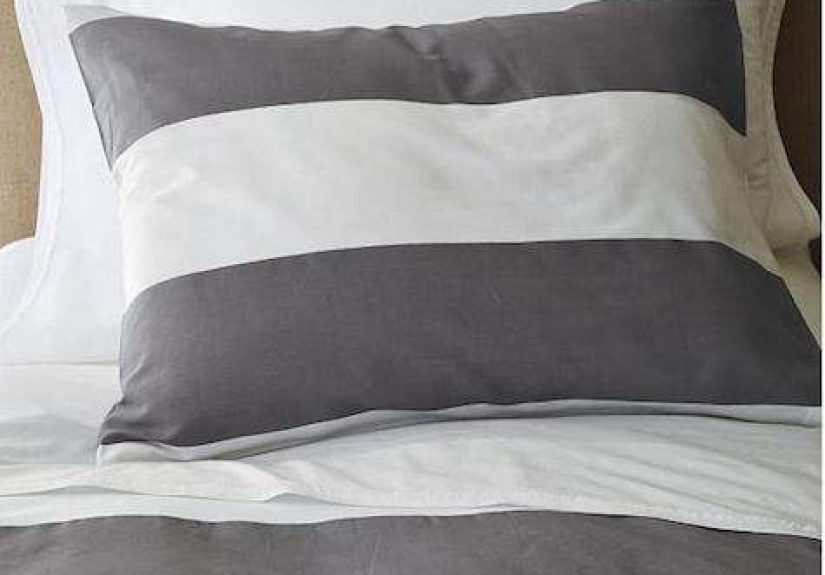
These are bold, chunky stripes that feel graphic and fun. They can lean coastal, preppy, or modern depending on the colors. If your room is mostly neutral,
cabana stripes can be the statement piece that makes everything else look curated.
Best for: Coastal, eclectic, modern farmhouse (yes, really), and teen/guest rooms that need energy.
Ticking Stripe
Ticking stripes are classic, often narrow, and frequently associated with traditional textiles. They’re the “cozy heritage” stripeperfect if you like linen,
soft neutrals, vintage-inspired decor, or that relaxed-but-put-together cottage look.
Best for: Farmhouse, cottage, traditional, transitional, and warm neutral palettes.
Breton/Nautical Stripe
Usually crisp and evenly spaced, often in navy-and-white (but not always). This style feels clean, breezy, and light. It’s coastal without needing an anchor
motif anywhere in sight.
Multi-Stripe / “Designer Stripe”
These patterns mix stripe widths or colors for a layered look. They’re great when you want a bed to feel styled without stacking ten pillows.
Color Ideas That Rarely Miss
- Navy + white: Crisp, classic, and looks good with nearly any wood tone.
- Black + white: Graphic and modernadd texture (knit throw, linen shams) to soften it.
- Sand + cream: Calm and warm; perfect for relaxed bedrooms.
- Sage + ivory: Fresh, soothing, and surprisingly versatile.
- Blue + gray: Cool and calming, especially for minimalist spaces.
Fabric & Feel: What Stripes Don’t Tell You (But Your Skin Will)
With bedding, the pattern gets the attentionbut the fabric decides whether you love it nightly or rage-buy a replacement at 2 a.m.
Here’s how the most common duvet cover materials behave in real life:
Cotton Percale
Percale is known for a crisp, cool feel and strong breathability. If you love sheets that feel “fresh” and not clingy, percale is a top pick.
It can wrinkle more than sateen, but stripes often make that rumpled look feel intentionallike you’re living in a beautifully styled boutique hotel.
Great for: Hot sleepers, humid climates, anyone who likes a crisp finish.
Cotton Sateen
Sateen is smoother, silkier, and drapier than percale. It tends to feel warmer and more “cozy luxe,” and it often looks slightly more polished
because it resists wrinkling better. If you like your bedding to feel soft and fluid, sateen can be your happy place.
Great for: Cooler bedrooms, people who want softness-first, anyone who hates a crunchy feel.
Linen
Linen is breathable, durable, and has that relaxed, textured look that screams “effortless” (even if you absolutely made effort). It can feel a bit
textured at first but softens over time. Stripes in linen often look elevated and casual at oncelike a vacation rental you’d never want to leave.
Great for: Warm sleepers, lovers of texture, fans of lived-in style.
Lyocell / “Eucalyptus” (and Other Plant-Based Options)
These fabrics are often praised for a smooth hand-feel and moisture management. They can feel cool and silky, which is appealing if you want softness
without the warmth of heavier fabrics.
Great for: People who want a silky feel and tend to run warm.
Microfiber (Polyester)
Microfiber is typically budget-friendly and easy-care. It can feel very soft out of the package, but breathability varies. If you sleep hot,
you may prefer natural fibers. For guest rooms or low-maintenance setups, it can be a practical choice.
Great for: Budget buys, guest rooms, dorms, and low-effort care routines.
Quick reality check: Many testing orgs and bedding experts caution that thread count alone isn’t a reliable “quality meter.”
Fiber quality, weave, finishing, and construction matter more than chasing the biggest number on the packaging.
Construction Details That Make (or Break) a Duvet Cover
A stripe duvet cover can look amazing online and still annoy you nightly if the details are off. Here’s what to check before you buy:
Corner Ties (Non-Negotiable If You Hate Duvet Shifting)
Interior corner ties (and sometimes side ties) help secure your duvet insert so it doesn’t bunch into a sad, lumpy burrito. If you’ve ever woken up
wrapped in the cover while the insert fled to the bottom corner, you already understand why ties matter.
Closure Type: Buttons vs Zipper
- Buttons: Classic look, easy to repair, sometimes slower to close.
- Zipper: Fast, tidy finish, often less “gap” at the endjust check for smooth operation.
- Envelope closure: Clean look, fewer hardware parts, can be slightly less secure depending on design.
Stitching & Seam Strength
Look for neat stitching, reinforced seams, and a construction that feels substantial without being stiff. This matters most if you wash often,
have pets, or rotate bedding frequently.
Pattern Alignment
This is the “you’ll notice it once you notice it” factor. Higher-quality striped covers often align stripes across seams and along the closure edge.
It’s not required for comfortbut it does add that tailored, expensive-looking finish.
Size & Fit
Always match the duvet cover to your insert size. If you want a fluffier, fuller look, some people prefer pairing a slightly larger insert with the cover
but check brand guidance first, especially with zippers and tighter weaves.
How to Style a Stripe Duvet Cover Without Making It Look Busy
Stripes are friendly, but they still need a plan. Use these styling moves to keep the bed looking layered and intentionalnot chaotic.
Use the “2–3 Color Rule”
Pull two or three colors from the stripe pattern and repeat them around the bed: in shams, a throw blanket, a lumbar pillow, or even artwork.
This creates a cohesive palette with very little effort.
Mix Patterns by Varying Scale
Want to add a floral pillow or a plaid throw? Totally doable. The trick is scale:
pair thin stripes with a larger pattern, or wide stripes with a smaller, subtle print.
If everything is the same “visual volume,” your bed looks like it’s arguing with itself.
Texture Is Your Best Friend
Stripes are graphic, so balance them with touchable materials:
a chunky knit throw, a waffle blanket, linen shams, or a velvet accent pillow. Texture softens the geometry and keeps the bed from feeling flat.
Room Size Tricks: Horizontal vs Vertical
While bedding doesn’t “change architecture,” it can influence how a space reads:
bold horizontal stripes can make a bed feel wider and more grounded, while vertical stripe orientation (or a stripe layout that visually “lifts”)
can feel more tailored and upright.
Three Easy Styling Recipes
- Hotel Stripe: Black-and-white pinstripe duvet + white sheets + two euro shams + a textured gray throw at the foot.
- Coastal Calm: Navy-and-ivory Breton stripe duvet + sandy linen shams + natural fiber rug + one blue accent pillow.
- Warm Neutral Cottage: Beige ticking stripe duvet + cream quilt folded at the foot + knit throw + vintage-style bedside lamp.
Care & Cleaning: Keep the Stripes Sharp (Not Sad)
Duvet covers are meant to be washedoften. That’s the whole point: they protect the insert, and they’re easier to clean than a bulky comforter.
Use these care habits to keep your cover looking fresh:
Wash It (Yes) and Wash It Correctly (Also Yes)
- Remove the insert first: Wash the cover separately so it can agitate and rinse properly.
- Turn it inside out: Helps protect color and reduces surface abrasion.
- Use mild detergent: Too much detergent can leave residue that dulls fabric over time.
- Skip fabric softener when possible: It can reduce absorbency and build up on fibers.
- Mind the heat: High heat can be rough on fibers and may affect color over time. Use care-label guidance.
Drying Tips
If you machine dry, consider a lower heat setting and remove promptly to reduce wrinkles. If you’re team “air dry,” you’ll often preserve fibers longer
just make sure it dries fully to avoid mustiness.
Small Habits That Extend Life
- Rotate and re-tie corners occasionally so wear is more even.
- Address stains early (especially body oil near the top edge).
- Store clean, fully dry covers in a breathable spaceyour linen closet deserves peace.
Shopping Checklist: How to Choose the Right Stripe Duvet Cover
A good stripe duvet cover is equal parts comfort, durability, and design. Use this checklist to narrow your options quickly:
- Pick your feel first: crisp (percale), silky (sateen), textured (linen), ultra-soft (some plant-based fabrics).
- Look for corner ties: especially if you toss-and-turn.
- Choose a closure you’ll actually use: zippers are fast; buttons are classic.
- Don’t over-focus on thread count: prioritize fiber quality and weave.
- Check care instructions: if you won’t follow them, pick an easier fabric.
- Consider certifications: options like OEKO-TEX or organic standards can matter if you’re sensitive to finishes.
- Plan your palette: pick a stripe color that already exists in your room (wood tone, rug, curtains, art).
FAQ
Are striped duvet covers “timeless” or “trendy”?
Mostly timeless. Colors and stripe scale can trend, but stripes themselves are a long-term pattern with staying power.
Do stripes make a bed look messy?
Usually the opposite. Stripes add structure and can make casual styling feel intentionalespecially when paired with solid or textured layers.
Do striped duvet covers show pet hair?
It depends on color contrast and fabric texture. High-contrast black-and-white stripes can show lint more. Mid-tone stripes, textured linen, or softer colorways
tend to be more forgiving. A lint roller remains undefeated either way.
Is a duvet cover better than a comforter?
“Better” depends on lifestyle. Duvet covers are easier to wash and swap seasonally; comforters can be simpler if you hate wrestling inserts.
If easy cleaning matters, duvet covers usually win.
Real-World Experiences With a Stripe Duvet Cover (About )
Let’s talk about what actually happens when a stripe duvet cover moves from “cute product photo” to “daily life.” In real homes, people tend to notice
three things first: how the fabric feels at night, whether the insert stays in place, and how forgiving the pattern is when the bed isn’t perfectly made.
Hot sleepers often gravitate toward crisp cotton percale stripes because the bed feels cooler and less clingy. A common experience is that percale
can feel a little “fresh from the line” at first, then softens with washes. In striped patterns, that slightly rumpled look is usually a winnot a flawbecause
the lines make the texture look casual and styled rather than wrinkled and neglected.
People who prioritize softness tend to prefer sateen stripes, especially in cooler bedrooms or winter months. The feedback you’ll hear most is that
sateen feels smoother against the skin and looks more polished day-to-day. The tradeoff is that it can feel warmer and a bit more drapey. If you like the “I’m
cocooned in a cloud” vibe, that’s a feature. If you run hot, it may be a reason to choose percale or linen instead.
Corner ties are the unsung heroes of happiness. In households where the duvet cover has ties, people report far less shifting and bunchingespecially
if they move around at night. Without ties, even a great-looking cover can become annoying fast: the insert slides, the corners collapse, and you end up doing that
midnight shake-and-yank routine like you’re trying to restart a frozen laptop.
Striped covers are popular in guest rooms and rentals because they photograph well and feel universally appealing. Hosts and frequent redecorators
like them because stripes create built-in structure: add white sheets and two solid shams, and the bed looks “done.” For a quick refresh, many people just swap
one accent pillow or throw blanket to match a stripe coloreasy, inexpensive, and it makes the whole room feel updated.
Families and pet owners often choose mid-tone stripes (think navy/ivory, gray/white, sand/cream) because they hide daily life better than pure white.
The common lesson: very high-contrast stripes can show lint and hair more, while softer contrasts and textured weaves can be more forgiving. If you want maximum
ease, pairing stripes with a textured throw at the foot of the bed can “catch” visual mess and make everything feel intentional.
Finally, a lot of people discover that stripes make it easier to coordinate the room. Once you have a stripe palette, choosing curtains, art, and
even bedside accessories becomes simpler. You’re not starting from scratchyou’re basically following a color roadmap. And if you ever get bored? Change the throw,
switch shams, keep the striped duvet cover, and pretend you’re the kind of person who redecorates “seasonally” on purpose.
Conclusion
A stripe duvet cover is one of the smartest bedding choices if you want a room that feels pulled together without feeling precious. Choose your stripe scale
based on how bold you want to go, pick fabric based on how you sleep (cool, cozy, or somewhere in between), and prioritize practical details like corner ties
and a closure you won’t hate using. Style it with texture, repeat a couple stripe colors around the room, and you’ve got a bed that looks designer-level
even if you made it in under 60 seconds.
And if anyone asks why you picked stripes? Just say, “They’re timeless.” Then enjoy the fact that you’re right.