Table of Contents >> Show >> Hide
- What Happens When You Substitute Cornstarch for Flour?
- Can You Substitute Cornstarch for Flour in Sauces and Gravies?
- When Cornstarch Is Better Than Flour
- When Cornstarch Is Not a Great Substitute for Flour
- Substituting Cornstarch for Flour in Pie Fillings
- How to Substitute Cornstarch for Flour Without Ruining Texture
- Quick Examples of Substituting Cornstarch for Flour
- Common Mistakes to Avoid
- Final Verdict on Substituting Cornstarch for Flour
- Kitchen Experiences: What Real-Life Cornstarch-for-Flour Swaps Usually Teach You
- SEO Metadata
Some kitchen swaps are charmingly chaotic. You run out of flour, grab the cornstarch, and suddenly you’re wondering whether you’re about to save dinner or create a sauce that looks like edible office glue. The good news: substituting cornstarch for flour can absolutely work. The less good news: it does not work the same way in every recipe. In sauces, gravies, stir-fries, and pie fillings, cornstarch can be a fantastic stand-in. In cakes, muffins, sandwich bread, and cookies, it is more of a supporting actor than a leading star.
If you have ever stared into a bubbling pan and asked, “Can I use cornstarch instead of flour?” this guide is for you. We’ll break down when the swap works, when it fails spectacularly, how much to use, and how to keep your food silky instead of stodgy. By the end, you’ll know exactly when cornstarch deserves a promotion and when flour should keep the job.
What Happens When You Substitute Cornstarch for Flour?
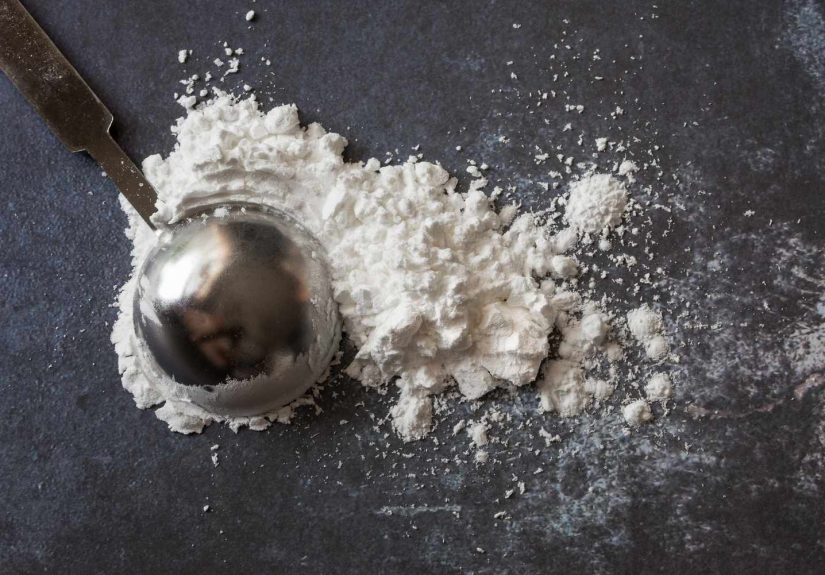
The biggest difference is structure. Flour contains protein, which helps build body in baked goods and also gives sauces a slightly fuller, more rustic texture. Cornstarch is almost pure starch, so it thickens efficiently without adding gluten or much flavor. That makes it powerful, neutral, and a little sneaky. It can turn a thin liquid glossy and luscious in a hurry, but it cannot build the same kind of framework that flour creates in breads, cakes, or biscuits.
In practical terms, cornstarch usually thickens faster and more strongly than flour. It also tends to create a smoother, shinier finish. Flour, on the other hand, is often better when you want a thicker, heartier, more opaque sauce. Think of cornstarch as the sleek sports car and flour as the reliable pickup truck. Both get the job done. One just arrives wearing better shoes.
Can You Substitute Cornstarch for Flour in Sauces and Gravies?
Yes, and this is where cornstarch really shines. If your recipe uses flour to thicken gravy, sauce, soup, or stir-fry, cornstarch is usually an easy substitute. The general rule is simple: use about half as much cornstarch as flour.
The Basic Conversion
If a recipe calls for:
- 2 tablespoons of flour, use about 1 tablespoon of cornstarch
- 1/4 cup flour, use about 2 tablespoons cornstarch
- 1 tablespoon cornstarch, replace with about 2 tablespoons flour if swapping the other direction
This ratio works because cornstarch has more thickening power than flour. It is the overachiever of the pantry. Give it too much, though, and your sauce can cross the line from velvety to suspiciously gelatinous.
How to Do It Correctly
Never toss dry cornstarch straight into a hot pan unless lumps are part of your personal brand. Instead, make a slurry. Stir cornstarch with cold water, broth, or milk until smooth, then whisk that mixture into the hot liquid. Let it simmer briefly until the sauce thickens.
Flour can also be used in a slurry, but it is more often cooked first in fat as a roux. That extra cooking step helps remove the raw flour taste and adds richness. Cornstarch does not need that same treatment, which makes it convenient when dinner is five minutes away and everyone is suddenly “starving.”
When Cornstarch Is Better Than Flour
1. You Want a Glossy Finish
Cornstarch creates a sauce that looks smooth, shiny, and polished. That is why it is common in fruit pie fillings, stir-fry sauces, puddings, and glossy gravies. If flour gives you comfort-food charm, cornstarch gives you dinner-party confidence.
2. You Need a Gluten-Free Thickener
Because cornstarch is naturally gluten-free, it is a useful swap for thickening soups, sauces, and fillings when wheat flour is not an option. Just make sure your cornstarch packaging is suitable for your dietary needs and not cross-contaminated if that matters in your kitchen.
3. You Want Extra Crispiness
Cornstarch is excellent in coatings for fried foods. It can be used on its own or mixed with flour to create a lighter, crispier crust on chicken, fish, tofu, or vegetables. This is one of those rare kitchen moments where “less flour” can genuinely mean “more crunch.”
When Cornstarch Is Not a Great Substitute for Flour
1. Most Standard Baking Recipes
If you are making bread, muffins, cookies, pancakes, or cakes, cornstarch is not a straight substitute for all-purpose flour. Flour provides structure, chew, and stability. Cornstarch alone cannot do that. Swap too much of it into a baking recipe and you may end up with a texture that is crumbly, dry, overly delicate, or just plain odd.
That does not mean cornstarch has no place in baking. It can soften texture in some recipes, especially when paired with other flours in gluten-free baking or added in small amounts to create tenderness. But replacing all the flour with cornstarch in a standard cake recipe is basically asking your dessert to forget how gravity works.
2. Long-Cooked Sauces
Cornstarch thickens well, but it is not always ideal for recipes that simmer for a long time. Extended cooking can weaken its thickening power. Flour-based roux often performs better in dishes that cook low and slow, like certain gravies, stews, and creamy sauces that need staying power.
3. Freezer-Friendly Dishes
Cornstarch-thickened sauces and fillings can break down after freezing and thawing. If you are making a dish for the freezer, flour may hold up better. Nobody meal-preps with the dream of discovering a separated, watery sauce three days later.
4. Highly Acidic Mixtures
In some acidic sauces, especially tomato-heavy ones, cornstarch may be less reliable. Reduction, tomato paste, or a different thickener can work better when acidity starts bullying your starch.
Substituting Cornstarch for Flour in Pie Fillings
This is one of the most useful places for the swap. In fruit pies, cornstarch can produce a filling that is clearer and glossier than flour. It is especially handy for juicy fruits that release a lot of liquid, such as berries. Flour will also work, but it usually creates a cloudier, more opaque filling and may require a larger amount.
That said, pie filling is not one-size-fits-all. Some fruits naturally contain more pectin and less water, while others are basically delicious little juice bombs. Apples and berries do not behave the same way. If you are substituting cornstarch for flour in pie filling, start with the half-as-much rule, then remember that fruit type, ripeness, and moisture level all matter.
How to Substitute Cornstarch for Flour Without Ruining Texture
Start Small
Cornstarch thickens quickly, so begin with less than you think you need. You can always add more slurry. Taking excess starch out of a sauce is about as realistic as un-toasting bread.
Mix with Cold Liquid First
This is the golden rule. Cold liquid prevents lumps and helps the starch disperse evenly. Hot liquid plus dry cornstarch equals clumps, panic, and aggressive whisking.
Cook Just Long Enough
After adding the slurry, let the sauce heat long enough to activate the starch and remove any raw taste. But do not keep it cooking forever. Cornstarch likes a brief starring role, not a three-hour director’s cut.
Know the Goal
Ask yourself what you want from the recipe. Do you need body and flavor? Flour might be better. Do you want a smooth, glossy thickener with no gluten? Cornstarch is your move. The best substitution is not about pantry panic. It is about matching the ingredient to the job.
Quick Examples of Substituting Cornstarch for Flour
Example 1: Gravy
Your gravy recipe calls for 1/4 cup flour. Use 2 tablespoons cornstarch mixed with cold stock or water. Whisk it into the hot pan juices and simmer until glossy and thick.
Example 2: Stir-Fry Sauce
If a stir-fry sauce uses flour as a thickener, cornstarch is usually a better choice anyway. It blends neatly into a slurry and creates that restaurant-style sheen people love.
Example 3: Apple or Berry Pie
If the recipe uses flour to thicken the fruit filling, you can often use about half as much cornstarch. Watch the moisture level of the fruit and do not be surprised if berries need a little more support than apples.
Example 4: Fried Chicken Coating
If a recipe uses flour for dredging, replacing part of the flour with cornstarch can make the crust lighter and crispier. Replacing all of it can also work in some styles, especially for ultra-crunchy results.
Example 5: Muffins or Pancakes
Could you replace a little flour with cornstarch? Sometimes. Should you replace all of it? Probably not unless you are following a recipe developed specifically for that purpose. Baking is chemistry, not freestyle jazz.
Common Mistakes to Avoid
- Using a one-to-one swap in sauces instead of reducing the amount of cornstarch
- Adding dry cornstarch directly to hot liquid
- Overcooking the sauce after thickening
- Trying to use cornstarch as a total flour replacement in standard baking
- Freezing cornstarch-thickened dishes without expecting texture changes
- Ignoring acidity in tomato-based sauces
Final Verdict on Substituting Cornstarch for Flour
Substituting cornstarch for flour works best when flour’s job is simply to thicken. In gravies, sauces, soups, stir-fries, and pie fillings, cornstarch is often faster, smoother, and glossier. You usually need only half as much, and a quick slurry does most of the heavy lifting.
But when flour is doing more than thickening, especially in baked goods, cornstarch is not a magic replacement. Flour brings structure, stability, and substance that cornstarch simply does not provide on its own. So yes, cornstarch can absolutely step in for flour, but only when you cast it in the right role.
In other words, use cornstarch like a specialist, not a universal fix. It is excellent at what it does. It just does not want to bake your sandwich loaf.
Kitchen Experiences: What Real-Life Cornstarch-for-Flour Swaps Usually Teach You
The first time many home cooks substitute cornstarch for flour, it usually happens in a tiny moment of domestic drama. Dinner is halfway done, the sauce is too thin, and the flour container is either empty or hiding behind six cans of beans and one expired box of tea no one remembers buying. Cornstarch becomes the emergency backup, and that is often when people discover just how effective it is. A tablespoon whisked with cold water can rescue a pan sauce in minutes, and the result often looks better than expected: smoother, shinier, and more polished than the original flour version.
Another common experience shows up during gravy season. Many cooks grow up learning flour gravy, then try cornstarch one year because they are short on time or cooking for someone who avoids gluten. The surprise is usually the texture. Cornstarch gravy can feel lighter and silkier, with less of the hearty weight flour brings. Some people love that cleaner finish immediately. Others miss the deeper, old-school comfort of a roux-based gravy. That side-by-side comparison teaches a valuable lesson: neither ingredient is universally better. They just create different personalities in the same dish.
Pie bakers learn a similar lesson, usually with fruit that has a mind of its own. Someone makes a berry pie with flour and gets a filling that tastes wonderful but looks a bit cloudy. The next time, they try cornstarch and suddenly the filling slices more neatly and has that jewel-toned, glossy look that makes people act like they are on a baking show. Then, just when confidence peaks, a different fruit behaves differently and the filling comes out either too loose or too firm. That is when cooks realize the ingredient swap is only one piece of the puzzle. Fruit moisture, ripeness, and baking time all matter too.
Then there is the classic crispy-coating discovery. A cook replaces part of the flour in a chicken or tofu dredge with cornstarch and gets a crunch that is audibly better. Not metaphorically better. Audibly better. The crust feels lighter, shatters more delicately, and stays crisp longer under sauce. That experience often turns people into loyal cornstarch fans for frying, even if they still prefer flour elsewhere.
Of course, the kitchen also offers humbling moments. Someone tries replacing flour with cornstarch in a baking recipe without changing anything else and ends up with cookies that spread strangely, muffins that crumble, or cake that feels oddly fragile. It is not a failure so much as a memorable science lesson with frosting. The takeaway is simple: cornstarch can save a sauce, sharpen a pie filling, and improve a crust, but it is not a full-time substitute for flour in every situation. Most experienced cooks eventually land on the same conclusion. Cornstarch is not the understudy. It is a specialist. And once you know when to use it, that little box in the pantry starts pulling off some very impressive tricks.