Table of Contents >> Show >> Hide
- What You’ll Learn
- Why Sweet Potato Chips Are Trickier (And Worth It)
- The Crunchy Science: Slice, Moisture, Heat
- The Master Method: Fast Oven-Baked Sweet Potato Chips
- The Patient Method: Low-and-Slow “Dehydrator Style” Chips
- Air Fryer Sweet Potato Chips (The Weeknight Shortcut)
- Seasonings That Taste Like You Tried (Even If You Didn’t)
- Dips That Make Chips Disappear
- Nutrition and “Healthier Chip” Strategies
- Safety Notes (Because Mandolines Are Not Your Friends)
- Troubleshooting: Soggy, Burnt, Uneven Chips
- Storage: Keep Them Crisp (Or at Least Crisp-ish)
- Kitchen Experiences: The Sweet Potato Chip Reality Show (About )
Sweet potato chips are proof that the universe loves balance: they’re sweet but salty, crunchy but tender, and somehow
still feel “responsible” even when you’ve eaten… a heroic amount. Whether you’re trying to upgrade your snack game,
use up a couple of sweet potatoes before they sprout ideas of their own, or impress friends at movie night, homemade
sweet potato chips can absolutely deliver that shatter-crunch vibewithout needing a mysterious orange dust
to do it.
This guide walks you through the techniques that actually work (plus the ones that look promising but produce sad,
bendy “chips” that belong in a compost bin). You’ll get oven, air-fryer, and low-and-slow options, seasoning ideas,
troubleshooting tips, and a 500-word “real kitchen” experience section at the endbecause sometimes the best
cooking advice is: your first batch is a learning moment.
Why Sweet Potato Chips Are Trickier (And Worth It)
Regular potato chips are basically born to be crisp. Sweet potatoes, on the other hand, bring more natural sugars
and more moisture to the party. That’s great for flavorcaramel-y edges!but it also means they can burn faster and
soften more easily if you crowd the pan or slice them unevenly.
The upside is huge: sweet potato chips have a naturally deeper flavor, and you can steer them in wildly different
directions. Want something savory and herby? Done. Want barbecue-style sweet-and-smoky crunch? Easy. Want a cinnamon
“dessert chip” that makes apples jealous? Also doable (and slightly dangerous to keep in the house).
The Crunchy Science: Slice, Moisture, Heat
If you remember only three things, remember these:
- Uniform thin slices make uniform chips.
- Less surface moisture = more crisp (water creates steam; steam makes things floppy).
- Single-layer baking prevents steaming and helps browning.
How thin should you slice?
For classic “chip” crunch, aim for slices around 1/16 to 1/8 inch. Thicker slices can still crisp,
but they’ll lean more “crunchy rounds” than “chips.” The trick is consistency: if half your slices are thin and the
other half are thick, the thin ones will burn while the thick ones are still negotiating with moisture.
Should you soak sweet potato slices?
Often, yes. A short soak can rinse off surface starch, reduce surface sugars, and help chips brown more evenly. It
also helps with crispingif you dry the slices thoroughly afterward. Think of soaking like a reset button;
think of drying like the actual work-out.
Why chips go from “perfect” to “burnt” so fast
Sweet potatoes contain more sugars than many white potatoes, and those sugars can go from golden to bitter quickly.
That’s why watching the last few minutes matters. You’re not being dramatic; you’re being accurate.
The Master Method: Fast Oven-Baked Sweet Potato Chips
This is the method for when you want crisp chips with a reasonable timeline and minimal fuss. The keys: hot oven,
parchment, thin slices, and pulling the “done” chips early so the smaller ones don’t turn into charcoal confetti.
Ingredients (basic, scalable)
- 1–2 medium sweet potatoes (orange-fleshed varieties tend to taste sweeter)
- 1–2 tablespoons oil (olive oil or a neutral oil both work)
- Salt (start light; you can always add more)
- Optional seasoning (see the seasoning section below)
Step-by-step
- Heat the oven: Preheat to 450°F. Place racks so you can bake two sheets if needed.
- Prep pans: Line 1–2 baking sheets with parchment paper.
-
Slice: Use a mandoline (carefully) or a sharp knife. Aim for 1/16–1/8 inch slices.
Try to keep them as even as possible. - Oil lightly: Toss slices with oil until they look barely coated, not glossy like a rain slicker.
- Spread in a single layer: No overlapping. If you overlap, you’ll get “steamed sweet potato sadness.”
-
Season: Sprinkle with salt and any herbs/spices. If using delicate dried herbs, apply lightly so they
don’t scorch. -
Bake: Start checking around 10–12 minutes. Total time is often 12–16 minutes,
but it depends on thickness and your oven. -
Pull “done” chips early: Smaller chips may finish first. Remove crisp, golden chips as they’re ready.
Let the rest keep baking. - Cool for crunch: Let chips cool on the pan for 5–10 minutes. They crisp up as steam escapes.
The Patient Method: Low-and-Slow “Dehydrator Style” Chips
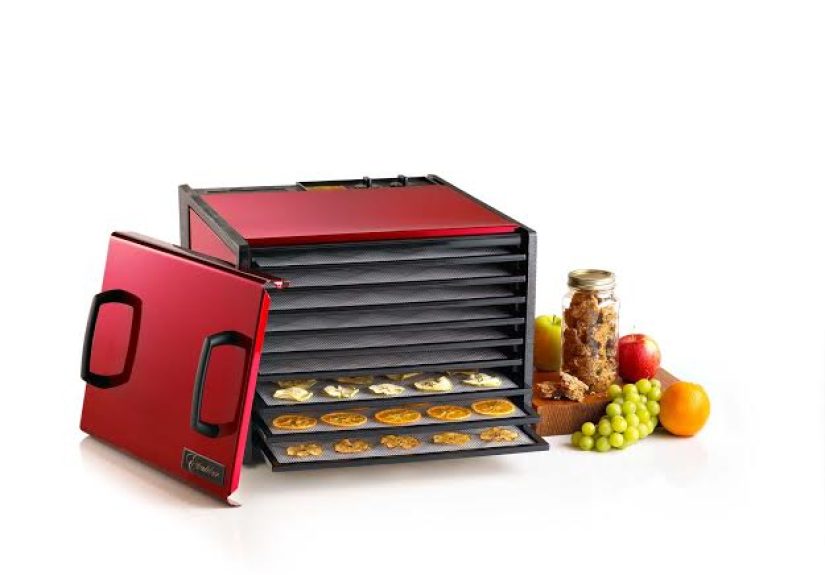
If you’ve ever wished chips came with an “easy mode” for burning, low-and-slow is it. Instead of blasting the sweet
potatoes with high heat, you dry them gradually at a low temperature. The payoff: crisp chips with a more evenly
dried texture and less risk of bitter edges.
How it works
- Preheat the oven to 200°F.
- Line two baking sheets with parchment.
- Toss thin slices (about 1/8 inch) with a small amount of oil and salt.
- Spread in a single layer.
-
Bake for about 3 hours, rotating pans halfway through (top to bottom, front to back), then cool on
the pans for about 30 minutes to finish crisping.
This is the method for big batches, meal prep, and anyone who wants chips without a high-stakes final minute.
It’s also great if you like a lighter, drier crunch rather than a deeply browned “kettle chip” vibe.
Air Fryer Sweet Potato Chips (The Weeknight Shortcut)
Air fryers are basically tiny convection ovens with confidence. They move hot air fast, which helps drive off surface
moisture and crisp things efficientlybut you still need to work in batches to avoid crowding.
Quick air-fryer method
- Slice thin: Around 1/16 inch is ideal for true chips.
- Soak: Soak slices in cold water for about 20 minutes.
- Dry thoroughly: Pat dry until the slices don’t feel wet. (This matters more than people admit.)
- Toss: Coat lightly with oil, salt, and pepper (or your seasonings).
- Preheat: Preheat air fryer to 350°F.
-
Cook: Arrange slices in an even layer (don’t overcrowd). Cook about 12–16 minutes,
turning/rearranging every 4 minutes. Start watching closely near the end and remove finished chips as you go. - Cool: Rest 5 minutes; chips crisp as they cool.
The air fryer is also fantastic when you want “a bowl of chips” rather than “chips for a crowd.” If you’re making
a lot, the low-and-slow oven method may be less annoying.
Seasonings That Taste Like You Tried (Even If You Didn’t)
Sweet potato chips are naturally sweet, so seasonings that play with sweet-and-salty contrast tend to shine. Here are
combos that work and don’t taste like a spice cabinet accident:
1) Herby & fancy
- Herbes de Provence + black pepper + flaky salt
- Rosemary + garlic powder (add after baking if your oven runs hot)
2) Barbecue-style sweet heat
- Smoked paprika + sweet paprika + garlic powder + pinch of cayenne + salt
- Optional: a tiny pinch of sugar to emphasize sweet/smoky contrast
3) Chili-lime “snack attack”
- Chili powder + lime zest + salt
- Finish with a squeeze of lime after baking (not beforewet is the enemy of crisp)
4) Cinnamon “dessert chip”
- Cinnamon + a small sprinkle of sugar + pinch of salt
- Pair with yogurt or a fruit dip for a “this is basically breakfast” situation
Dips That Make Chips Disappear
A good dip turns sweet potato chips into a full snack-board moment. Try these:
- Honey-mustard mayo: mayo + Dijon + honey + lemon + zest + salt/pepper.
- Spicy fry sauce: mayo + ketchup + hot sauce + splash of vinegar.
- Greek yogurt ranch-ish: Greek yogurt + garlic + lemon + dill + salt.
- Guacamole: because avocado and sweet potato are best friends.
For serving, keep chips dry and dips separate until the moment of eating. Chips hate moisture the way cats hate baths.
Nutrition and “Healthier Chip” Strategies
Sweet potatoes bring real nutrition to the tablefiber, vitamin A, and other micronutrientsso homemade sweet potato
chips can be a more nutrient-dense snack than many ultra-processed chips. But the main variable is still oil. More oil
= more calories, and chips are extremely good at hiding how much oil they absorbed.
Ways to keep sweet potato chips on the lighter side
- Use less oil: Aim for “lightly coated,” not “glossy.”
- Choose air fryer or low-and-slow baking: Both can crisp with minimal oil.
- Season smart: Use herbs, citrus zest, and spices for big flavor without extra fat.
- Pair with protein/fiber: A yogurt dip, hummus, or a handful of nuts helps the snack feel more filling.
One more fun fact: sweet potatoes can taste sweeter depending on how their starches convert during heating. Lower,
slower cooking can emphasize that natural sweetnessuseful if you like chips that taste like they’re flirting with dessert.
Safety Notes (Because Mandolines Are Not Your Friends)
Making sweet potato chips usually involves one of two hazards: sharp blades and hot surfaces. Both deserve respect.
Mandoline safety
- Use a hand guard and/or a cut-resistant glove.
- Slow down when the sweet potato piece gets small; switch to a knife for the last bit if needed.
- Don’t slice when you’re tired, rushed, or trying to multitask like a cooking show host.
Heat safety
- Use oven mitts (the adult kind, not the “thin towel folded twice” kind).
- Let pans cool before moving chips to storage containerstrapped steam creates sogginess fast.
If you choose to deep-fry chips, do it with extra care and preferably with an experienced adult present. Hot oil is
unforgiving, and sweet potato chips cook quickly.
Troubleshooting: Soggy, Burnt, Uneven Chips
Problem: chips are soggy or leathery
- Cause: slices too thick, crowded pan, not enough drying time.
- Fix: slice thinner, space out, bake longer at a slightly lower temp (or switch to low-and-slow).
Problem: chips burn around the edges
- Cause: uneven slices, oven runs hot, sugar browning fast.
- Fix: pull smaller chips early, rotate pans, or use the 200°F method for a gentler bake.
Problem: some chips crisp, others stay soft
- Cause: uneven thickness or overlapping.
- Fix: aim for consistent slices; bake in batches; avoid stacking.
Storage: Keep Them Crisp (Or at Least Crisp-ish)
Homemade chips don’t contain commercial anti-caking magic, so they’re more sensitive to humidity. The rules:
- Cool completely before storing (warm chips = trapped steam = sadness).
- Use an airtight container and store at room temperature.
- Eat within a few days for best texture.
How to re-crisp
If your chips soften, spread them on a sheet pan and warm at 300–350°F for a few minutes, then cool.
You’re basically giving them a second chance to be crunchy.
Kitchen Experiences: The Sweet Potato Chip Reality Show (About )
Let’s talk about what it’s actually like to make sweet potato chips at homebecause the internet is full of
photos where every chip is identical, and your kitchen is about to remind you that physics has a sense of humor.
Episode 1: The Optimistic Pile. You start with one sweet potato and the confidence of someone who has
watched exactly one 12-second video. You slice a few rounds, feel like a pro, and then realize: sweet potatoes are
shaped like a lumpy comet. Your slices are “mostly thin,” which is what we say right before the thin ones burn and the
thicker ones stay chewy. This is the moment you learn the true value of consistency. It’s not perfectionit’s fairness
for your chips.
Episode 2: The Mandoline Respect Arc. If you use a mandoline, you’ll experience two emotions:
(1) joy at how fast you’re slicing, and (2) sudden humility when the sweet potato gets small. The smart move is to
slow down, use protection (guard/glove), and accept that the last nub might become “chef snack” instead of “perfect chip.”
This is not failure; this is injury prevention disguised as wisdom.
Episode 3: The Oil Miscalculation. Many first batches go wrong because you use too much oil.
It seems logicaloil equals crisp, right?but too much oil can make chips heavy and encourage uneven browning. The
sweet spot is “lightly coated,” where the slices look barely slick. If your slices are shining like they’re dressed
for a red carpet, you’ve gone too far. The good news: you can blot excess oil with a paper towel before baking.
Episode 4: The Last-Minute Plot Twist. Chips can go from “not quite” to “perfect” to “ex-burnt”
in a few minutes, especially with high-heat baking. This is where you learn to pull the smallest chips early.
You’ll start collecting golden chips like treasure while the rest continue baking. It feels fussy the first time.
The second time, you’ll do it automatically and feel smug (as you should).
Finale: The Crunch Chorus. When you nail it, you’ll hear it: that crisp snap when you bite.
And the best part? You’ll realize sweet potato chips don’t need to be identical to be amazing. Some will be extra crisp,
some a little thicker and more “crunchy-round,” and they’ll all taste like you made a snack on purpose instead of
accidentally eating cereal for dinner again. Serve them with a dip, and suddenly your kitchen becomes the kind of place
where people “stop by” suspiciously close to snack time.