Table of Contents >> Show >> Hide
- Why Swimming Gets So Much Love in Rheumatoid Arthritis
- Benefits of Swimming for Rheumatoid Arthritis
- What the Research Really Suggests
- Best Types of Water Exercise for RA
- How to Start Swimming Safely With Rheumatoid Arthritis
- When Swimming May Need to Be Modified or Paused
- A Simple Beginner Pool Plan for RA
- Common Mistakes to Avoid
- Experiences People Commonly Have With Swimming and RA
- Final Thoughts
- SEO Tags
If your joints have been acting like tiny grumpy landlords, swimming might be one of the friendliest forms of exercise you can try. Rheumatoid arthritis (RA) can make movement feel complicated: too much impact can irritate tender joints, but too little movement can leave you feeling stiff, weak, and more tired than you were hoping for. That is where the pool earns its gold star.
Swimming and other water-based exercise can be a smart fit for many people with RA because water supports part of your body weight, reduces stress on joints, and still gives your muscles something to push against. In plain English: the pool lets you work without making your knees, ankles, hips, or wrists file a formal complaint.
Still, “good for RA” does not mean “jump in and try to outswim a college athlete.” The best approach is thoughtful, gradual, and tailored to how your body feels on a given day. Here is what to know about swimming for rheumatoid arthritis, including the benefits, risks, best practices, and what many people actually experience once they start.
Why Swimming Gets So Much Love in Rheumatoid Arthritis
Rheumatoid arthritis is an autoimmune disease that causes joint pain, swelling, stiffness, and fatigue. It often affects the same joints on both sides of the body and can make everyday tasks feel weirdly dramatic, like opening a jar or walking downstairs becoming the day’s main event. Because RA can also affect energy levels and overall function, exercise needs to be gentle enough to tolerate but effective enough to help.
Swimming checks a lot of boxes. First, water buoyancy reduces the load on weight-bearing joints. That can make movement feel easier than it does on land, especially if your knees, hips, feet, or ankles are sensitive. Second, water provides natural resistance, so you can strengthen muscles without needing heavy weights or pounding workouts. Third, warm-water exercise can help reduce stiffness, which is a very nice perk when your body wakes up feeling like it slept in a concrete cast.
That combination of support and resistance is one reason aquatic exercise is often recommended as a joint-friendly option for people with arthritis. It can help you move more comfortably while still improving strength, endurance, flexibility, and overall function.
Benefits of Swimming for Rheumatoid Arthritis
1. It is easier on sore, swollen joints
One of the biggest benefits of swimming for RA is reduced joint stress. On land, gravity and body weight can make certain activities feel punishing. In water, you are partially supported, which usually means less pressure on painful joints. For people who find walking, jogging, or some gym workouts uncomfortable, the pool can feel like a relief rather than a battle.
2. It can improve stiffness and range of motion
RA often causes morning stiffness or that classic “I stood up and now I regret everything” sensation after inactivity. Moving in water can help loosen joints and improve flexibility. Warm pools may be especially comfortable because heat can relax muscles and make stiff joints feel less cranky. That does not mean the water magically erases RA, but it can make movement more doable, which is often the first win you need.
3. It helps build strength without high impact
Swimming is not just cardio with extra splashing. It also challenges the muscles that support your joints. Stronger muscles can improve joint stability and make daily activities easier. And because the resistance comes from water rather than hard surfaces or heavy equipment, the strengthening effect can feel more manageable for people with chronic joint pain.
4. It supports heart health and stamina
RA is not only about joints. It is linked with systemic inflammation and can raise the risk of cardiovascular problems. Regular physical activity is important for overall health, and swimming can help improve aerobic fitness. Even moderate, consistent movement can support endurance, circulation, and energy over time. You do not need to train for the Olympics. You just need a routine your body can tolerate and your schedule can survive.
5. It may help with pain, function, and quality of life
Research on aquatic exercise in arthritis has found improvements in pain and physical function, and some evidence suggests people with RA may do particularly well with hydrotherapy or warm-water exercise. That does not mean every pool session feels effortless, but it does suggest swimming can be more than just “something to try.” For many people, it becomes part of a realistic symptom-management plan.
6. It can boost mood and confidence
Living with RA can be frustrating, unpredictable, and mentally draining. Exercise can help reduce stress and improve mood, and swimming often feels less intimidating than some land workouts. In the pool, many people discover they can move more freely than they expected. That matters. Sometimes the biggest victory is not a faster lap time. Sometimes it is remembering your body is still capable of good things.
What the Research Really Suggests
The evidence does not say that swimming cures rheumatoid arthritis, replaces medication, or turns inflamed joints into brand-new factory parts. What it does suggest is more practical: aquatic exercise can be a safe and helpful form of physical activity for many people with arthritis, including RA.
Studies and patient guidance from major medical organizations consistently point to low-impact exercise as beneficial for arthritis. Water-based exercise can improve pain, function, mobility, and exercise tolerance without worsening symptoms in many people. Warm-water programs may be especially helpful when stiffness is a major problem. Some reviews have also noted small to moderate improvements in pain and function for people with rheumatoid arthritis who participate in aquatic exercise.
At the same time, swimming is best viewed as one part of the bigger picture. RA management still depends on medical care, medications when prescribed, monitoring disease activity, sleep, stress management, and a broader movement plan. Also, because swimming is not a weight-bearing activity, it is great for joints and cardiovascular fitness, but it should not be the only type of movement in your life if you also need to support bone health and muscle strength. A balanced routine often works best.
Best Types of Water Exercise for RA
You do not have to be a lap-swimming purist to benefit from the pool. In fact, many people with RA do better starting with gentler water exercise before moving into more traditional swim workouts.
Lap swimming
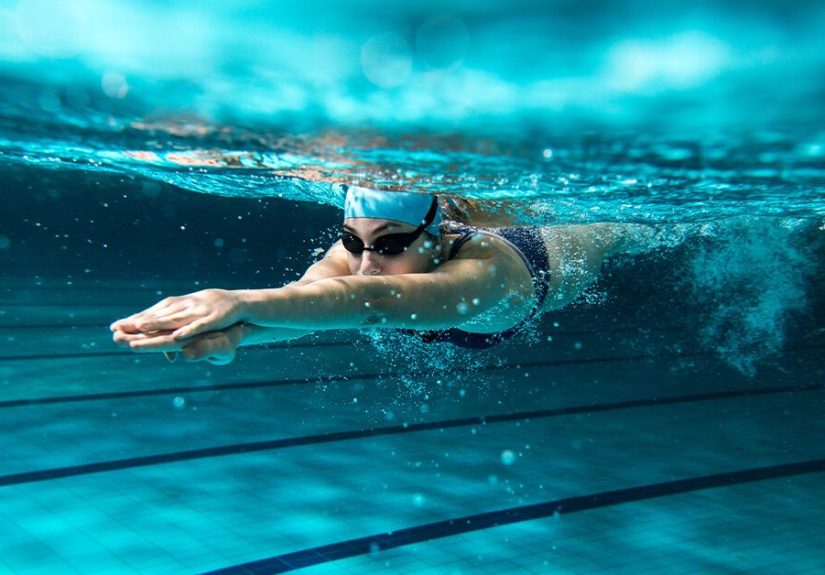
If you already know how to swim, laps can be an excellent low-impact cardio workout. Freestyle and backstroke are often easier for some people than strokes that demand more forceful shoulder or knee movement. If your shoulders are sensitive, you may need shorter intervals, slower technique, or stroke modifications.
Water walking
Walking through chest- or waist-high water is underrated. It is simple, accessible, and useful for building confidence. Water walking can improve endurance and lower-body strength while remaining gentle on the joints.
Water aerobics
Structured classes can be a great option if you prefer guided exercise or need extra motivation. Arthritis-friendly aquatic programs often include range-of-motion work, light resistance, balance drills, and low-impact cardio.
Aqua jogging or jogging in place
This can raise your heart rate without the pounding of land-based jogging. Some research suggests higher-intensity aquatic exercise may provide additional benefits for pain and function, but the keyword here is “may,” not “must.” Start where you are, not where your inner overachiever thinks you should be.
Gentle stretching and mobility work in warm water
For people with more active symptoms, simply moving joints through a comfortable range in warm water can be valuable. Think shoulder circles, ankle movements, knee lifts, arm sweeps, and easy stretching. Sometimes the most therapeutic pool session looks less like a workout montage and more like controlled, mindful movement. That still counts.
How to Start Swimming Safely With Rheumatoid Arthritis
Talk to your healthcare team first
If your RA is newly diagnosed, poorly controlled, or complicated by significant joint damage, it is smart to check with your rheumatologist, physical therapist, or other clinician before starting a new program. This matters even more if you have balance problems, severe fatigue, heart or lung issues, or recent surgery.
Choose the right pool
A warm pool is often more comfortable than a cold one, especially if stiffness is one of your main symptoms. Many arthritis programs favor water that feels soothing rather than chilly and punishing. A pool with stairs, railings, easy entry, and quieter lap times can also make a huge difference.
Start small
There is no prize for doing too much on day one and then spending two days negotiating with your joints. Start with 10 to 15 minutes, two or three times a week, and build from there. You can increase duration, intensity, or frequency gradually as your body adapts.
Warm up before going full mermaid
Do a few gentle range-of-motion movements before and during your first few minutes in the water. Easy arm circles, slow marching, and relaxed walking in the shallow end can help your body settle in.
Pay attention to pain signals
Mild soreness from new activity can happen. Sharp pain, increased joint swelling, or symptoms that linger well beyond the workout are signs you may need to scale back. The goal is to challenge your body without picking a fight with it.
Use tools when needed
Kickboards, pool noodles, water dumbbells, and flotation belts can help you modify exercises and reduce strain. This is not “cheating.” This is called being smart enough to stay consistent.
When Swimming May Need to Be Modified or Paused
Swimming is helpful for many people with RA, but not every day is a pool day.
During an intense flare
When inflammation is especially active, some people may need more rest and gentler movement. That does not always mean total inactivity, but it may mean switching from laps to light range-of-motion work or skipping the session altogether. The right balance between rest and exercise depends on your symptoms.
If you have open cuts, wounds, or an infection
This is especially important if you are on immunosuppressive medication, biologics, or steroids. Public pools are not the place to introduce healing skin to a science experiment. If you have an open wound, a skin infection, diarrhea, fever, or feel unwell, it is better to stay out of the water until you are recovered.
If certain strokes irritate specific joints
RA does not affect everyone the same way. A stroke that feels great for one person may annoy another person’s shoulders, wrists, or knees. Modify the movement, reduce intensity, or switch activities instead of forcing it.
A Simple Beginner Pool Plan for RA
Here is one practical starting point:
- Week 1–2: 10 to 15 minutes, 2 times per week. Start with water walking, light arm movements, and short easy swims.
- Week 3–4: 15 to 20 minutes, 2 to 3 times per week. Add a few short intervals of lap swimming or aqua jogging.
- Week 5 and beyond: 20 to 30 minutes, 3 times per week as tolerated. Mix cardio, mobility work, and a little water resistance training.
On a good day, you might do a longer session. On a rough day, you might scale back and just move gently in warm water for 10 minutes. That is still useful. Consistency beats heroics.
Common Mistakes to Avoid
- Going too hard too soon: the most common mistake in any new exercise plan, with or without arthritis.
- Ignoring fatigue: RA fatigue is real, not laziness wearing a fake mustache.
- Using swimming as your only exercise: add strength, flexibility, and daily movement outside the pool when possible.
- Choosing pain over progress: discomfort that escalates is a clue, not a character-building exercise.
- Skipping technique help: a coach, therapist, or arthritis-friendly aquatic class can make swimming much more comfortable.
Experiences People Commonly Have With Swimming and RA
One of the most interesting things about swimming and rheumatoid arthritis is that people often notice changes that are both physical and emotional. The first experience many describe is simple relief. On land, joints may feel heavy, stiff, and awkward. In the water, those same joints often feel lighter and easier to move. For someone who has spent weeks or months calculating every stair, curb, and grocery store aisle like a military operation, that sense of freedom can be a big deal.
Another common experience is that the beginning of a session may feel a little rough, but the middle feels better. A person might step into the pool stiff, shuffle through the first few minutes like a skeptical penguin, and then gradually loosen up once the warm water and gentle movement start doing their thing. That pattern is encouraging, but it also teaches patience. The first five minutes do not always predict the next twenty.
Fatigue is another part of the story. Some people feel energized after swimming because the movement improves circulation, mood, and confidence. Others feel pleasantly tired, like they actually used their muscles in a good way. And some discover they need a recovery plan, especially early on. A pool session that seems easy in the moment can still lead to post-exercise tiredness later in the day. That is why many people with RA learn to schedule swimming on days when they can rest afterward rather than stacking it between errands, work stress, and the world’s most inconvenient laundry pile.
There is also the issue of confidence. Some people with RA worry they are too out of shape, too stiff, too slow, or too sore to belong in a pool. Then they try a short session and realize they do not need to swim fast or look elegant to benefit. They just need to move. For many, that shift matters as much as the exercise itself. The pool becomes a place where their body feels more cooperative, not less.
Not every experience is instantly magical, of course. Some people find that certain strokes irritate their shoulders or wrists. Others discover that cold pools make them tense up, or that getting in and out of the pool is harder than the actual swimming. Those details matter. They are not signs that aquatic exercise “failed.” They are clues that the setup needs tweaking. A warmer pool, shorter session, simpler routine, flotation support, or different stroke can completely change the experience.
Social experience also comes up more than you might expect. Group water classes can help people feel less isolated, especially when they are living with a chronic condition that is often invisible to others. There is something reassuring about exercising in a place where modifications are normal and nobody is shocked that you prefer water walking over burpees. Frankly, burpees are rude anyway.
Over time, many people notice small, meaningful gains rather than dramatic overnight change. They may feel a little less stiff in the morning, a little steadier walking across a parking lot, a little more willing to stay active, or a little less afraid of movement. Those improvements may sound modest on paper, but when you live with RA, modest improvements can feel enormous. Being able to do more with less pain is not a tiny thing. It is quality of life.
The overall experience tends to be best when expectations are realistic. Swimming is not a miracle cure. It is a practical, often enjoyable tool that can make exercise more accessible. For many people with rheumatoid arthritis, that is exactly what they need: not perfection, not pain-free every day, but one reliable way to keep moving without making symptoms worse.
Final Thoughts
Swimming can be a strong option for people with rheumatoid arthritis because it combines low-impact movement, gentle resistance, and the comfort of buoyancy. It may help reduce pain, ease stiffness, support cardiovascular fitness, improve muscle strength, and make exercise feel possible again. That is a pretty impressive résumé for an activity that also lets you pretend you are taking a sensible vacation.
The key is to approach it thoughtfully. Start slowly, choose a comfortable pool, listen to your joints, and work with your healthcare team if you are unsure how to begin. Whether you swim laps, join a water aerobics class, or simply walk in warm water, the pool can become an excellent part of an RA-friendly routine.
In other words, you do not need to be a champion swimmer. You just need a plan, a little patience, and a swimsuit you do not actively hate.