Table of Contents >> Show >> Hide
- What Is a Tailor Bench Seat Sofa, Exactly?
- Why the Bench Seat Look Has a Fan Club
- The Trade-Offs (Because Physics Always Collects Rent)
- What Makes a High-Quality Tailor Bench Seat Sofa?
- Upholstery: Choose Fabric Like You Actually Live at Home
- Fit Matters: Measure Like a Tailor (Not Like a Wish)
- Dialing In Comfort: Seat Depth, Height, and Back Cushions
- Styling Ideas That Make a Tailored Sofa Look Even Better
- Maintenance: How to Keep a Bench Cushion Looking Fresh
- Shopping Checklist: Questions Worth Asking Before You Buy
- Real-World Experiences (500+ Words): What Living With a Tailor Bench Seat Sofa Is Really Like
- Conclusion: The Sofa That Looks Sharp and Lives Well
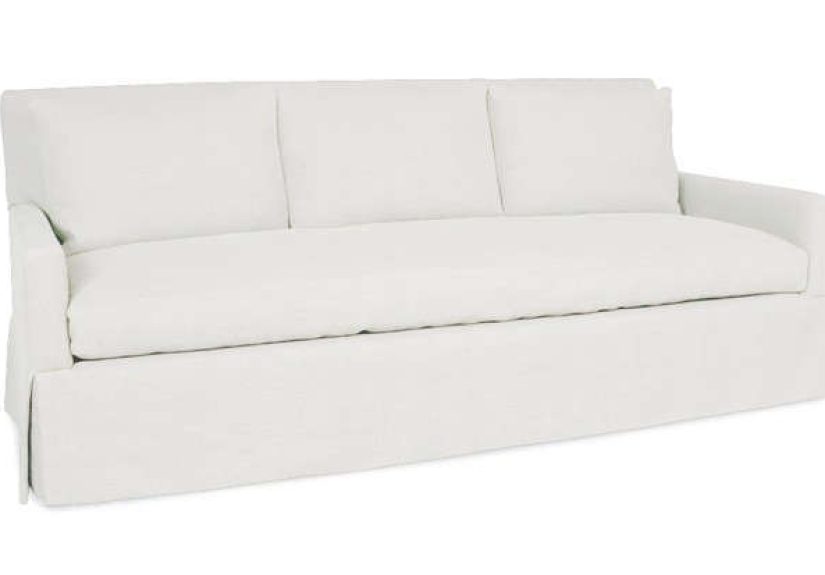
If sofas had a dress code, the Tailor Bench Seat Sofa would show up in a crisp blazer, perfectly hemmed jeans, and shoes that somehow never scuff. It’s the couch equivalent of “polished, but not trying too hard” a streamlined silhouette, a single long bench cushion (no seat-crack arguments), and details that look intentionally finished. In other words: it’s tailored.
This article breaks down what a tailor bench seat sofa is, why people love it, what can go wrong (because furniture is humble like that), and how to choose one that holds up to real life: pets, kids, snack crumbs, movie marathons, and that one friend who sits on the edge like the sofa owes them money.
What Is a Tailor Bench Seat Sofa, Exactly?
Let’s translate the name into normal-human language:
- Bench seat means the seating area is one long cushion (or appears as one), rather than two or three separate seat cushions.
- Tailor is about the vibe: clean lines, tidy proportions, and finishing details that feel “made to fit” like refined arms, neat welt or topstitching, a tight seat profile, or a skirt/leg style that looks deliberate.
You’ll see versions that lean modern (thin arms, exposed legs, low profile) and versions that skew classic (rolled arms, skirted base, plush backs). The unifying feature is that uninterrupted bench cushion the visual “one clean runway” look.
Why the Bench Seat Look Has a Fan Club
1) It’s visually calm (your living room exhales)
Multiple seat cushions create extra seams and lines. A bench cushion removes those breaks, which makes the sofa look longer, sleeker, and often “lighter” especially helpful in small rooms where visual clutter feels louder than it should.
2) It’s nap-friendly (no crack in the middle)
The bench cushion’s greatest talent is simple: you can stretch out without landing in a canyon between cushions. It’s also easier to perch sideways, curl up, or squeeze in an extra person because you’re not negotiating who gets the seam.
3) Styling is effortless
A tailored sofa is basically a blank canvas. A single cushion lets your pillows and throws do the talking without the seat itself looking busy. You can go minimal (two big pillows) or maximal (the “pillow parade”) and the base still looks tidy.
The Trade-Offs (Because Physics Always Collects Rent)
1) Wear patterns can show faster
With a single long cushion, people tend to sit in the same “favorite spot,” and the cushion can compress unevenly. Some bench cushions are flippable; others aren’t. If you can’t rotate or flip it, the wear tells on you.
2) Stains can be more dramatic
On a multi-cushion sofa, a spill might be “contained” to one cushion you can remove, treat, or (temporarily) hide. On a bench seat, the spill often becomes Everyone’s Problem. That’s why fabric choice matters even more here.
3) Cushion engineering matters more than looks
A bench cushion has to stay supportive across a long span. If the internal foam, wrap, and support system aren’t solid, you can get that dreaded “hammock dip” where the center slumps and the edges look fine. (It’s rude.)
What Makes a High-Quality Tailor Bench Seat Sofa?
A tailored silhouette is only half the story. The other half is what you don’t see the construction that keeps the sofa from turning into a sad beanbag after one year of living.
Frame: the quiet hero
Look for a frame built from durable hardwood or quality engineered hardwood, ideally kiln-dried to reduce moisture and help prevent warping over time. Strong joinery matters too: corner blocks, dowels, screws the boring stuff that keeps your sofa from squeaking like a haunted floorboard.
Suspension: how the sofa carries weight
Two common systems show up in good sofas:
- Sinuous (zigzag) springs: supportive, common, and excellent when built with heavier-gauge wire and proper cross-support.
- Eight-way hand-tied springs: labor-intensive and often used in premium traditional frames; supportive and resilient when done well.
For a bench seat, consistent support across the width is key. A great cushion can’t compensate forever for weak suspension underneath.
Cushion construction: where comfort lives
Seat cushions typically combine a foam core with some type of wrap for comfort:
- High-resilience foam: supportive, holds shape well, good for everyday use.
- Foam core + down or “down alternative” wrap: a popular “best of both” optionsupport with a plusher top feel.
- All-down (or very soft fills): luxurious but higher maintenance; requires frequent fluffing and can feel less supportive over time.
If you want a tailored look and low maintenance, foam core with a soft wrap is often the sweet spot. If you want a relaxed sink-in lounge, a down blend can feel dreamy just accept that fluffing becomes a recurring character in your life.
Upholstery: Choose Fabric Like You Actually Live at Home
The bench cushion look is sleek which means stains, pilling, and wear can stand out more. So, yes, fabric matters. A lot.
Rub count (abrasion resistance) without the headache
Upholstery fabric durability is often reported as a “double rub” rating (common in North America). Higher numbers generally indicate greater abrasion resistance. For most homes, look for something in a solid residential range, and consider higher ratings if you have kids, pets, or the kind of social life where your sofa is basically a public park.
Performance fabrics are your bench-seat best friend
“Performance” is the furniture world’s way of saying, “This fabric has seen things.” Many are designed to resist stains, repel moisture, and clean up well ideal when you can’t remove and isolate a single cushion. Performance velvet, tightly woven polyester blends, and quality microfiber are popular choices for durability with a soft hand feel.
Know your cleaning codes
Furniture tags often include cleaning codes that tell you what’s safe:
- W: water-based cleaners
- S: solvent-based cleaners only
- WS / SW: water or solvent (with careful spot testing)
- X: vacuum/brush only (no liquids)
Translation: don’t freestyle with mystery cleaners. Test first, blot instead of rubbing, and treat spills like a tiny emergency because they are.
Fit Matters: Measure Like a Tailor (Not Like a Wish)
Buying a sofa without measuring is how people end up with a “beautiful couch” that lives permanently in the hallway. A tailored bench seat sofa often looks long and sleek and long and sleek still has to get through your door.
Room fit checklist
- Measure the wall where the sofa will live (width).
- Measure the depth you can spare without blocking walkways.
- Map the footprint with painter’s tape on the floor to visualize scale.
- Leave breathing room: ensure space for side tables, lamps, and traffic flow.
Delivery-path checklist (the “will it fit through the door” saga)
- Measure entry door width and height.
- Measure hallways and stair turns.
- Measure interior doors on the route.
- Check the diagonal clearance (often the secret solution).
Many retailers provide measuring guides for delivery follow them. Your future self will thank you while sitting comfortably instead of arguing with a delivery crew.
Dialing In Comfort: Seat Depth, Height, and Back Cushions
“Bench seat” tells you the cushion shape, not the comfort. Two bench seat sofas can feel totally different depending on the proportions.
| Feature | What it affects | Quick guidance |
|---|---|---|
| Seat depth | Lounging vs. upright posture | Deeper seats feel loungey; moderate depth supports sitting upright. |
| Seat height | Ease of standing up | Higher seats feel easier to get out of; lower seats feel more relaxed. |
| Back cushion style | Support + maintenance | Tight backs are tidy; loose backs are cozy but need fluffing. |
If you love to sprawl, a deeper seat plus softer back cushions can be perfect. If you host often (or you’re a “feet on the floor, posture matters” person), a slightly firmer, more upright build may feel better long-term.
Styling Ideas That Make a Tailored Sofa Look Even Better
Keep the base clean, then layer on personality
A tailored bench seat sofa shines when you let the silhouette show. Try two or three larger pillows instead of eight tiny ones. Or do a simple “one blanket, two pillows” formula so the sofa stays crisp, not chaotic.
Color strategy for real life
- Light neutrals: gorgeous, bright, and risky if snacks are involved.
- Mid-tones: forgiving and often the best blend of stylish + practical.
- Leather: easy to wipe down and wears evenly, though it develops natural creases and patina.
Small-space trick
Bench seat sofas often make rooms feel more open because the seat looks continuous and less chopped up. Pair that with slim legs or a visually lighter base, and you get a sofa that doesn’t overwhelm the room.
Maintenance: How to Keep a Bench Cushion Looking Fresh
- Rotate where you sit (yes, this is permission to steal the “good spot” occasionally).
- Fluff and smooth the cushion and back pillows regularly, especially for down-blend fills.
- Vacuum the seat to prevent grit from grinding into the fibers.
- Blot spills fast and follow the cleaning code on the tag.
- Use throws in high-use zones (pets’ favorite corner counts).
If you’re choosing white or very light upholstery, consider professional cleaning as normal upkeep not a sign of failure. Sofas are meant to be lived on, not merely admired from across the room like museum art.
Shopping Checklist: Questions Worth Asking Before You Buy
- Is the bench cushion reversible or rotatable?
- What’s inside the cushion (foam type, wrap, firmness options)?
- What’s the frame material, and is it kiln-dried?
- What suspension system is used?
- What’s the fabric durability rating and cleaning code?
- Are cushion covers removable or replaceable?
- What warranty covers frame, cushions, and fabric?
If you’re ordering custom, ask for fabric samples and sit-testing guidance. A sofa can look perfect online and still feel wrong in your living room like a suit that photographs well but pinches when you breathe.
Real-World Experiences (500+ Words): What Living With a Tailor Bench Seat Sofa Is Really Like
People who choose a tailor bench seat sofa often describe the same first impression: the room looks instantly more “edited.” The uninterrupted cushion reads calm, and the sofa tends to photograph beautifully fewer lines, fewer visual breaks, and an overall look that feels intentional. In open-plan homes, that streamlined silhouette can make the living area feel more cohesive, especially when the sofa anchors the space between kitchen, dining, and lounging zones.
The second experience is comfort-related: bench seat owners frequently talk about how easy it is to sprawl. Movie nights get cozier because there’s no center gap to fall into, and families notice that three people can squeeze in without anyone declaring, “I’m sitting on the crack!” Bench seats also become a favorite for casual hosting guests can slide along the cushion to make room without rearranging separate cushions like puzzle pieces.
Then comes the honest part: wear and maintenance. In many households, a “default seat” develops quickly (usually closest to the side table and farthest from the conversation you don’t want to have). On a bench cushion, that repeated use shows up as subtle compression in the same spot. Owners who stay happiest long-term tend to do two simple things: they rotate who sits where (or at least rotate themselves), and they choose cushion construction that matches their tolerance for upkeep. A down-blend wrap feels luxurious but asks for regular fluffing. A firmer foam core holds shape better but won’t give that dramatic sink-in lounge. The people who feel most satisfied are the ones who pick comfort intentionally rather than hoping the sofa will magically adapt to their lifestyle.
Fabric choice also becomes very real, very fast. Families with kids often report that “pretty fabric” and “practical fabric” are not always the same fabric. When spills happen on a bench cushion, there’s less opportunity to isolate the mess so the cleaning performance matters. Owners who picked tightly woven, stain-resistant upholstery tend to feel calmer in daily life, while those who chose delicate, loose weaves sometimes end up treating the sofa like a fancy outfit: lovely, but worn with caution. Pet owners frequently share that mid-tone colors and subtle texture are their secret weapon for hiding fur and minor scuffs. And many say the biggest upgrade wasn’t a different couch it was adding a washable throw in the pet’s favorite corner.
One more experience shows up often: delivery and fit surprises. A tailor bench seat sofa can look sleek online and still be larger than expected in person because the uninterrupted cushion makes it appear expansive. People who measure carefully, map the footprint with tape, and double-check entryway clearance tend to have smooth deliveries and instant gratification. The rest learn the hard way that “it should fit” is not a measurement system. The good news is that once the sofa is in place, the tailored bench seat look tends to be a long-term favorite it’s flexible, stylish, and doesn’t lock you into one decor era. Owners often describe it as the kind of foundational piece that still works when you change rugs, wall color, or your entire personality.
Conclusion: The Sofa That Looks Sharp and Lives Well
A Tailor Bench Seat Sofa is a smart choice if you want a clean, elevated look without sacrificing comfort. The bench cushion offers a sleek aesthetic and a more flexible sitting surface, while the “tailor” details keep it feeling finished and intentional. The key is choosing the right construction (frame + suspension + cushion build) and being realistic about fabric and maintenance.
Pick a durable upholstery, measure like you mean it, and choose cushion comfort based on how you actually sit not how you wish you sat. Do that, and you’ll end up with a sofa that looks put-together on day one and still feels like home years later.