Table of Contents >> Show >> Hide
- What Is Tatsuta-Age?
- Why You Will Love This Tatsuta-Age Chicken Recipe
- Ingredients for Tatsuta-Age Chicken
- How to Make Tatsuta-Age Chicken
- Full Tatsuta-Age Chicken Recipe at a Glance
- Pro Tips for the Best Tatsuta-Age Chicken
- Common Mistakes to Avoid
- What to Serve with Tatsuta-Age Chicken
- How Tatsuta-Age Differs from Karaage
- Storage and Reheating
- Frequently Asked Questions
- Why This Tatsuta-Age Chicken Recipe Works
- Final Thoughts on Tatsuta-Age Chicken
- Experiences Related to Tatsuta-Age Chicken Recipe
If regular fried chicken is the life of the party, tatsuta-age chicken is the guest who shows up perfectly dressed, says something charming, and somehow leaves no crumbs on the couch. This Japanese-style fried chicken is crisp, savory, and deeply satisfying, with a delicate shell that shatters instead of thuds. It is marinated, coated in potato starch, and fried until golden, which means you get juicy chicken inside and a crackly exterior outside. In other words: dinner wins.
This Tatsuta-Age Chicken Recipe is built for home cooks who want something impressive without needing a culinary degree or a ceremonial gong. The method is simple, the ingredients are easy to find, and the result feels special enough for guests but doable enough for a Tuesday night when your energy level is “I would like the food to impress everyone while I remain seated.”
What Is Tatsuta-Age?
Tatsuta-age is a Japanese frying style closely related to karaage. The overlap is real, and food lovers debate the fine lines the way sports fans debate rankings. In general, tatsuta-age usually refers to protein that is marinated in a soy-based mixture, often with mirin and ginger, then coated in potato starch and deep-fried. The coating creates a lighter, crisp texture than heavy batter, and the color often leans beautifully golden with a faint reddish-brown tint from the marinade.
The dish is often associated with bite-size chicken pieces, though fish is also used in some versions. What makes tatsuta-age memorable is balance: the marinade seasons the meat all the way through, while the starch keeps the crust delicate rather than thick. It is fried chicken with restraint, which is a funny sentence, but here we are.
Why You Will Love This Tatsuta-Age Chicken Recipe
It is crispy without being heavy
Potato starch gives tatsuta-age its signature finish. The crust is crisp, airy, and less bready than many Western fried chicken styles.
It has big flavor from a short marinade
Soy sauce, mirin, ginger, and a little sake or dry sherry bring savory depth, mild sweetness, and bright aroma in under an hour.
It works for dinner, lunchboxes, and snacking
Serve it with rice and shredded cabbage for dinner, tuck leftovers into a lunch, or put it on a platter with lemon wedges and watch people hover around it like seagulls at a beach picnic.
Ingredients for Tatsuta-Age Chicken
- 2 pounds boneless chicken thighs, cut into bite-size pieces
- 3 tablespoons soy sauce
- 2 tablespoons mirin
- 1 tablespoon sake or dry sherry
- 1 tablespoon freshly grated ginger
- 2 cloves garlic, finely grated or minced (optional but excellent)
- 1/2 teaspoon black pepper
- 1 1/4 cups potato starch
- Neutral oil for frying, such as canola, peanut, or vegetable oil
- Lemon wedges, for serving
- Shredded cabbage or steamed rice, for serving
Ingredient notes that actually help
Chicken thighs: Thighs are the best choice for juicy, flavorful tatsuta-age. They stay tender and forgive small timing mistakes. Chicken breast can work, but it dries out faster and is less forgiving.
Potato starch: This is the secret weapon. If you cannot find it, cornstarch is the best backup. Do not confuse potato starch with potato flour; they are not the same thing.
Mirin and sake: Mirin adds sweetness and shine. Sake adds gentle depth. If your pantry is not stocked like a tiny Tokyo market, dry sherry is a practical substitute.
How to Make Tatsuta-Age Chicken
Step 1: Marinate the chicken
In a large bowl, combine the soy sauce, mirin, sake, ginger, garlic, and black pepper. Add the chicken pieces and toss well so every piece is coated. Cover and refrigerate for 30 minutes.
This is not the time for an overnight soak. A shorter marinade seasons the chicken without making the texture mushy. Tatsuta-age likes confidence, not overthinking.
Step 2: Heat the oil
Pour about 1 1/2 to 2 inches of oil into a heavy pot or deep skillet. Heat it to 340°F to 350°F. If you have a thermometer, this is its moment. If you do not, now is an excellent time to consider owning one because hot oil has a dramatic personality.
Step 3: Coat with potato starch
Remove the chicken from the marinade and let the excess drip off. Pat very lightly with paper towels if the pieces seem wet, then toss them in potato starch until well coated. Shake off the excess. You want an even layer, not a winter snowstorm.
Step 4: Fry in batches
Carefully lower a few pieces into the oil. Do not crowd the pot. Fry for 4 to 6 minutes, turning as needed, until golden brown and cooked through. Transfer to a wire rack or paper towels.
The chicken is done when the thickest piece reaches 165°F in the center. That temperature matters. Crispy is great, but safe and crispy is better.
Step 5: Optional second fry for extra crunch
If you want a more dramatic crunch, let the first-fried chicken rest for 2 to 3 minutes, then fry it again at 350°F for 30 to 60 seconds. This quick second fry helps drive off surface moisture and boosts crispness without overcooking the meat.
Step 6: Serve immediately
Serve hot with lemon wedges, shredded cabbage, and steamed rice. A little Japanese mayo on the side is not mandatory, but it is hard to regret.
Full Tatsuta-Age Chicken Recipe at a Glance
Prep time
15 minutes, plus 30 minutes of marinating
Cook time
10 to 15 minutes
Servings
4 servings
Method
Marinate, coat in potato starch, fry until crisp and 165°F inside, then serve hot with lemon and rice.
Pro Tips for the Best Tatsuta-Age Chicken
Use evenly sized pieces
If some pieces are tiny and others are massive, the small ones will overcook before the large ones are safe. Keep the pieces close in size for even frying.
Do not skip the starch shake
Too much loose starch falls into the oil, darkens it, and creates a rough coating. A light, even layer gives the best texture.
Keep the oil temperature steady
If the oil is too cool, the chicken absorbs more oil and loses crispness. If it is too hot, the outside browns before the inside finishes cooking. Aim for a calm, steady fry, not a kitchen fireworks show.
Marinate in the refrigerator
Always refrigerate raw chicken while marinating, and do not reuse the marinade as a sauce unless you boil it first. Food safety is not glamorous, but neither is food poisoning.
Common Mistakes to Avoid
Using chicken breast without adjusting cook time
Breast meat cooks faster and dries more easily. If you use it, cut smaller pieces and watch the timing closely.
Overcrowding the pot
Too many pieces at once drop the oil temperature and create soggy chicken. Fry in batches. Yes, patience is annoying. Yes, it is still worth it.
Serving it too late
Tatsuta-age is at its best within minutes of frying. The crust is crispest and the contrast between hot exterior and juicy interior is peak magic right away.
What to Serve with Tatsuta-Age Chicken
Classic pairings
Steamed short-grain rice, shredded cabbage, lemon wedges, miso soup, and cucumber salad all pair beautifully with this dish.
Party platter ideas
Serve tatsuta-age with spicy mayo, Japanese mayo, or a light ponzu dipping sauce. Add pickles and sliced scallions for color and contrast.
Lunchbox-friendly sides
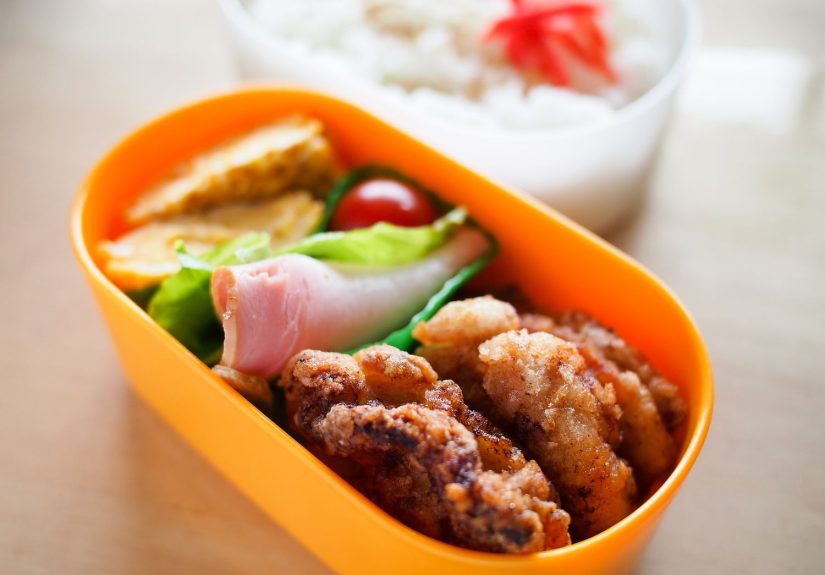
It also works well with onigiri, tamagoyaki, or cold sesame green beans. This chicken travels better than many fried foods because the potato starch coating holds up surprisingly well.
How Tatsuta-Age Differs from Karaage
The line between tatsuta-age chicken and karaage is real but flexible. Karaage is the broader category of Japanese fried foods coated and fried in a light style. Tatsuta-age is often treated as a specific style within that family, especially when the marinade leans on soy sauce and mirin and the coating is potato starch only.
In practical home cooking terms, the two dishes are cousins living on the same block. If your version includes soy, ginger, and potato starch, you are already in delicious territory. What matters most is the texture: a crisp shell, juicy center, and seasoning that tastes intentional rather than accidental.
Storage and Reheating
How to store leftovers
Let the chicken cool, then refrigerate it in an airtight container for up to 3 days.
How to reheat it without sadness
Reheat in a 375°F oven or air fryer until hot and crisp. The microwave will warm it, but the crust will turn soft. That is not a crime, but it is disappointing.
Frequently Asked Questions
Can I make tatsuta-age without mirin?
Yes. Use a little extra sake or dry sherry and add a pinch of sugar to mimic mirin’s sweet edge.
Can I use cornstarch instead of potato starch?
Yes. Potato starch usually gives the most delicate, crisp coating, but cornstarch is a solid substitute and still produces tasty results.
Can I air-fry tatsuta-age chicken?
You can, but the texture will be different. It can still be good, especially if the chicken is lightly sprayed with oil, but traditional deep-frying gives the crispest crust and juiciest interior.
What oil is best for frying?
Use a neutral oil with a high smoke point, such as canola, peanut, or vegetable oil.
Why This Tatsuta-Age Chicken Recipe Works
This recipe works because every part of it has a job. The soy sauce seasons the chicken. The mirin softens the salty edge and adds a little sweetness. The ginger brightens everything and keeps the flavor from feeling flat. The potato starch creates the signature crisp shell. Frying in batches keeps the oil temperature stable. A short rest after frying helps the coating settle instead of sliding off at the first bite.
It is one of those recipes that feels smarter than it looks. Nothing is fussy, yet every step pulls its weight. That is why this Japanese fried chicken remains a favorite: it tastes special without demanding a full afternoon and a dramatic soundtrack.
Final Thoughts on Tatsuta-Age Chicken
If you love fried chicken but want something lighter, crisper, and a little more elegant, Tatsuta-Age Chicken Recipe deserves a permanent place in your rotation. It is flavorful without being heavy, crisp without thick batter, and easy enough to make at home once you understand the rhythm: marinate, coat, fry, and try not to eat half the batch while standing at the stove.
Serve it for dinner, pack it for lunch, or bring it out as a party snack and accept compliments with calm dignity. You earned them.
Experiences Related to Tatsuta-Age Chicken Recipe
One of the best things about making tatsuta-age at home is how quickly the kitchen changes mood. At first, it is just a bowl of raw chicken, a little soy sauce, some ginger, and a container of potato starch sitting there looking almost too simple. Then the marinade starts working, and the whole room smells warm, savory, and faintly sweet. It is the kind of smell that makes people wander into the kitchen and ask, “What are you making?” even when they were not remotely interested in helping five minutes earlier.
The first time many home cooks make tatsuta-age, they are surprised by how light the coating feels. If you are used to thick batters or breadcrumb crusts, the potato starch seems almost too minimal. Then the chicken hits the hot oil and the confidence arrives. The outside begins to turn pale gold, then deeper amber, and suddenly it becomes obvious why this dish has such a loyal following. It does not look heavy. It looks crisp in a clean, sharp, irresistible way.
There is also a small but very satisfying moment when you cut into the first piece and see that the inside is still juicy. That contrast is the whole point. The crust crackles, the chicken stays tender, and the lemon squeezes over the top wake everything up. People often describe tatsuta-age as comfort food, and that is true, but it is also the kind of comfort food that feels a little polished. It has the energy of something casual and craveable, but also something you would proudly serve to company on a nice plate instead of straight from a paper towel-lined tray.
Another experience people remember is how well tatsuta-age fits different occasions. On one night, it feels like a fun weekend cooking project with rice, soup, and a proper side salad. On another, it becomes the snack everyone grabs while hovering near the stovetop. Leftover pieces, when they survive, make lunch feel unfairly exciting the next day. Cold or reheated, they still carry that soy-ginger personality in a way that never feels boring.
And then there is the confidence factor. Once you make tatsuta-age successfully, deep-frying at home feels far less intimidating. You start understanding how the coating should look, how the oil should behave, and how a short marinade can create serious flavor. The dish teaches you small lessons that carry into other recipes. More than that, it gives you a reliable crowd-pleaser that feels a little special every time. Not every recipe earns a repeat performance. This one usually gets requested before the plates are even cleared.