Table of Contents >> Show >> Hide
- What Are Tattoo Electrodes?
- How Tattoo Electrodes Work
- Why Tattoo Electrodes Matter
- Main Applications of Tattoo Electrodes
- Advantages Over Conventional Electrodes
- The Limitations Nobody Should Ignore
- Are Tattoo Electrodes Safe?
- What the Future of Tattoo Electrodes Looks Like
- Final Thoughts
- Experiences Related to Tattoo Electrodes
Note: This article is written in standard American English, based on real medical and engineering research, and formatted as web-ready body HTML only.
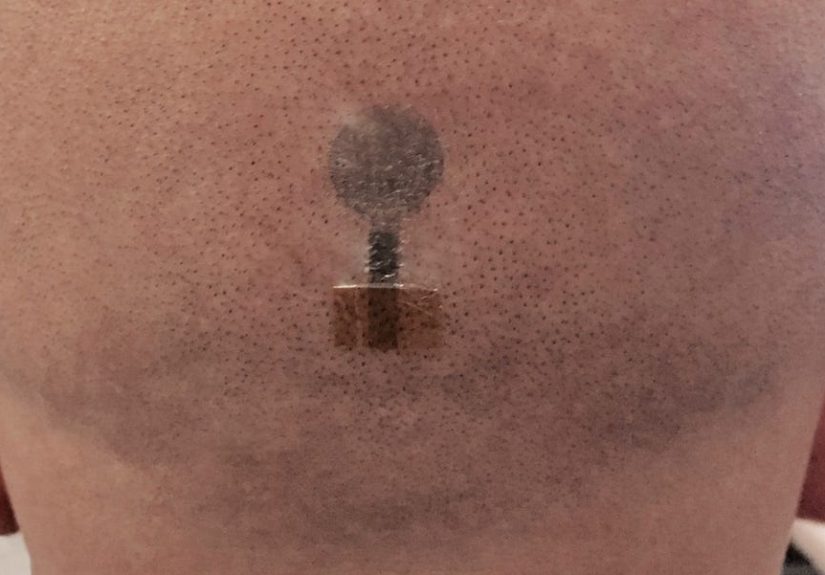
Say the phrase tattoo electrodes at a dinner party and you will usually get one of two reactions: curiosity or the kind of face people make when they are not sure whether you are talking about healthcare or a very nerdy rock band. In reality, tattoo electrodes are one of the most fascinating developments in wearable technology. They are ultra-thin, skin-hugging electrical interfaces designed to stick to the body almost like a temporary tattoo while capturing biological signals such as heart activity, muscle movement, brain waves, or skin responses.
That might sound futuristic, but the idea is surprisingly practical. Traditional electrodes work well in clinics, hospitals, sleep labs, and rehab centers, yet they can be bulky, itchy, conspicuous, or annoying during long wear. Tattoo-style electrodes aim to solve those problems by becoming almost invisible, lightweight, flexible, and far more comfortable for everyday use. The dream is simple: collect better data without making people feel like they are wearing a gadget from a low-budget sci-fi movie.
As interest in remote care, home monitoring, sports recovery, digital health, and personalized medicine continues to grow, tattoo electrodes are getting serious attention from researchers, clinicians, and device makers. They are not magic stickers. They are not ready to replace every conventional electrode tomorrow morning. But they are pushing the healthcare world toward a future where monitoring can be more continuous, more comfortable, and more human.
What Are Tattoo Electrodes?
Tattoo electrodes are ultra-thin conductive sensors that attach directly to the skin and detect electrical or electrochemical activity. Depending on the design, they may measure signals such as ECG for heart rhythm, EMG for muscle activity, EEG for brain waves, or electrodermal signals related to sweating and stress. Some research systems are made from materials like graphene, stretchable metals, conductive polymers, carbon nanotubes, or hybrid films built on soft substrates that move with the body instead of fighting against it.
The word “tattoo” is used because these electrodes can be so thin and conformal that they behave more like a second skin than a patch. Some are transparent. Some are mesh-like. Some are flexible enough to stretch and twist with normal movement. A few are so light that users may forget they are wearing them, which is not a sentence often written about traditional medical hardware.
That skin-level intimacy is the whole point. Human skin is not a smooth sheet of paper. It bends, wrinkles, sweats, and sheds cells while you move, sleep, talk, exercise, and go about your day. A stiff electrode may lose good contact, create motion noise, or irritate the skin. A tattoo electrode tries to do the opposite: stay close, stay quiet, and stay comfortable.
How Tattoo Electrodes Work
At a basic level, electrodes act as translators. Your body generates ionic electrical signals. Electronic systems prefer electrons. The electrode sits at the border and helps convert one into a readable signal for a device. If that interface is poor, the data gets noisy. If the interface is stable, the signal quality improves.
Traditional wet electrodes, such as common silver/silver chloride electrodes used in ECGs, often rely on conductive gel to lower skin impedance and improve signal capture. They are reliable, familiar, and widely used. But over time, gels can dry out, adhesives can become irritating, and long wear can be uncomfortable. That is one reason researchers keep chasing better skin-mounted alternatives.
Dry electrodes avoid gel but can sometimes struggle with contact quality, especially during heavy movement. Tattoo electrodes aim for a middle path. Because they are extremely thin and conform closely to the tiny ridges and textures of the skin, they can create a stable interface without the mess of gel and without the bulk of rigid hardware. In simpler terms, they do not just sit on the skin. They almost disappear into the skin’s topography.
Some tattoo electrodes are purely sensing tools. Others are part of broader systems that include wireless transmission, low-power circuits, or integrated monitoring platforms. In advanced research settings, tattoo-like electronics may even be combined with temperature sensing, hydration tracking, or biochemical analysis. The result is a platform that is no longer just an “electrode” in the old-fashioned sense. It becomes a quiet little health lab living on your skin.
Why Tattoo Electrodes Matter
1. Better comfort for long wear
Comfort is not a luxury feature in medical monitoring. It is a data quality issue. If a sensor is itchy, bulky, or awkward, people adjust it, peel it off early, or wear it incorrectly. Tattoo electrodes are designed for soft contact and low-profile wear, which may help support longer monitoring sessions and better compliance.
2. Improved skin conformity
Because these electrodes can closely match the microtexture of the skin, they often achieve better contact with less pressure. That can reduce motion artifact and help produce a cleaner signal during routine movement. It is the difference between trying to tape a cardboard coaster to your elbow and using something that behaves more like skin-friendly cling film with a PhD.
3. Reduced visibility and stigma
Plenty of people need monitoring outside the clinic: patients with arrhythmias, people in physical rehabilitation, users tracking stress, athletes studying muscle recruitment, and patients undergoing neurological evaluation. A sensor that is subtle, lightweight, and less visible can make wearers feel more comfortable in public settings. That matters more than many product designers admit.
4. New possibilities for remote and continuous care
Healthcare is moving beyond short snapshots taken in clinics. Continuous monitoring can reveal patterns that a few minutes in an exam room may miss. Tattoo electrodes fit neatly into that shift because they are built for unobtrusive data collection. The more naturally a sensor fits daily life, the more realistic it becomes to monitor people at home, during sleep, during exercise, or over longer spans of time.
Main Applications of Tattoo Electrodes
Cardiac monitoring
Heart monitoring is one of the clearest use cases. ECG electrodes already play a central role in diagnosing arrhythmias and tracking heart rhythm. Tattoo electrodes may improve comfort during long-term heart monitoring by offering a lower-profile alternative to conventional sticky patches and wired setups. For patients who need multi-hour or multi-day monitoring, that shift could feel less like medical surveillance and more like wearing almost nothing at all.
Muscle tracking and rehabilitation
Surface EMG is used to study muscle activation in sports science, rehab, prosthetics, and neuromuscular research. Tattoo electrodes can be especially valuable here because muscle signals are easily affected by movement, poor contact, and bulky sensor geometry. High-density tattoo-style EMG arrays have shown promise for recording stable muscle signals while preserving good spatial detail. That opens doors for better rehab feedback, improved prosthetic control, and more precise human-machine interfaces.
Brain monitoring
EEG monitoring traditionally involves visible scalp electrodes, prep time, and more hassle than most people would voluntarily schedule for fun. Ultra-thin tattoo electrodes are being studied as a more comfortable option for certain kinds of brain monitoring. That could be relevant for sleep studies, seizure monitoring, cognitive research, and home-based neurological observation. The field is still evolving, but the direction is clear: less bulk, less friction, and better tolerance for longer wear.
Stress, sweat, and skin-based sensing
Not all tattoo electrodes are limited to classic electrical signals. Some electronic tattoo platforms also measure electrodermal activity, skin hydration, or other physiological markers at the surface of the body. That makes them attractive for wellness tracking, stress monitoring, and next-generation biosensing. Whether the final destination is medical care, sports performance, or consumer health, the skin is turning into prime real estate for useful data.
Advantages Over Conventional Electrodes
The biggest advantage is not just that tattoo electrodes are thin. It is that their thinness changes everything else. When an electrode bends, stretches, and conforms with the skin, it can improve wearability, reduce pressure points, and maintain more consistent contact. That can translate into better signal stability and less user frustration.
They may also avoid some of the issues associated with gel-based electrodes, including drying, residue, and certain forms of skin irritation from prolonged adhesive wear. Breathability is another important design goal. When moisture and vapor get trapped at the skin-electrode interface, both comfort and performance can suffer. Porous or breathable structures are therefore a major focus in on-skin electrode design.
Then there is aesthetics. Healthcare technology does not have to look intimidating. Transparent or barely visible tattoo electrodes are appealing because they blur the line between sensor and skin. That may sound cosmetic, but appearance can influence whether people are willing to wear a device in public, at work, at school, or during sleep.
The Limitations Nobody Should Ignore
Now for the non-glamorous chapter, because every exciting wearable technology eventually meets three opponents: sweat, cost, and reality.
First, tattoo electrodes can still face durability challenges. Daily life is messy. Skin produces oils. People shower. Clothes rub. Bodies move. A sensor that performs beautifully in a controlled lab may behave less perfectly during a summer commute or a workout session. Developers must balance flexibility, adhesion, breathability, and robustness without turning the device into an uncomfortable sticker.
Second, manufacturing at scale is not trivial. Research prototypes can look brilliant in published studies, but commercial success requires consistent fabrication, quality control, affordability, and clear clinical value. If a tattoo electrode is elegant but too expensive or too delicate, adoption will lag.
Third, not every use case needs a tattoo electrode. In many hospitals and clinics, standard electrodes remain effective, familiar, low cost, and clinically established. Tattoo electrodes are not a universal replacement. They are best understood as a specialized upgrade for situations where comfort, long wear, low-profile design, or motion-tolerant sensing really matter.
Finally, skin safety still matters. “Soft” does not automatically mean risk-free. Adhesives, materials, and long wear all need biocompatibility testing, careful labeling, and thoughtful design. Even conventional monitors can irritate the skin during prolonged use, so any new skin-mounted technology must prove that it can perform safely and comfortably over time.
Are Tattoo Electrodes Safe?
Safety depends on the device, the material, the duration of wear, and the application. Medical electrodes used in the United States are subject to regulatory expectations around performance and safety, and skin-contact devices need attention to biocompatibility and labeling. In practical terms, the questions are straightforward: Does it irritate the skin? Does it maintain signal quality? Does it remain stable during wear? Does it work as intended in the real world rather than only in a neat laboratory demo?
For users, the safest mindset is this: a tattoo electrode may look simple, but it is still a medical or research-grade interface with your body. That means it should be matched to the right use case. If it is part of a health monitoring system, follow device instructions carefully and treat it with the same seriousness you would give any other diagnostic tool.
What the Future of Tattoo Electrodes Looks Like
The future is not just “smaller patches.” It is smarter, more integrated, more comfortable sensing. Researchers are working on systems that are thinner, more breathable, more stretchable, and more capable of combining multiple measurements at once. A single tattoo-like platform could eventually track heart rhythm, muscle activity, temperature, hydration, and motion while sending data wirelessly to a secure clinical or consumer platform.
That future also intersects with AI, remote patient monitoring, rehabilitation technology, and preventive care. Continuous streams of physiological data are only useful if they can be interpreted responsibly. So the next wave is likely to focus not just on better tattoo electrodes, but on smarter ecosystems around them: cleaner analytics, better alerts, clearer clinical pathways, and stronger privacy protections.
In other words, the true innovation is not merely making electrodes flatter. It is making them fit real life. And when healthcare tools fit real life, people are far more likely to use them.
Final Thoughts
Tattoo electrodes sit at the crossroads of medicine, materials science, engineering, and design. They are exciting because they solve a very human problem: how to collect useful body data without making the body miserable in the process. By improving comfort, skin conformity, signal stability, and wearability, they offer a strong alternative to traditional electrodes in areas like cardiac monitoring, brain monitoring, rehabilitation, and digital health.
They are not yet the answer to every monitoring challenge, and the hype should not outrun the evidence. But the core concept is solid. When a sensor becomes light, flexible, breathable, and easy to forget, it starts to disappear into everyday life. That is exactly where the best health technology should go: less obtrusive, more helpful, and a lot less likely to make you peel it off in frustration before lunch.
Experiences Related to Tattoo Electrodes
One of the most interesting things about tattoo electrodes is how different the experience can feel compared with conventional monitoring. People often expect any bioelectronic device to feel clinical, obvious, or annoying. Tattoo electrodes change that expectation. In many research and early-use settings, the first reaction is not “Wow, this is high-tech.” It is more like, “Wait, that’s it?” Because the device can be so thin and light, the user experience often begins with surprise.
A common experience is simple forgetfulness. With traditional electrodes, users may stay aware of wires tugging, adhesive pulling, or patches lifting at the edges. With tattoo-style systems, the design goal is for the sensor to move with the skin so naturally that it fades into the background. That matters during long monitoring sessions. If a person can sleep, walk, talk, stretch, and work without constantly noticing the device, the technology stops feeling like an interruption and starts feeling like part of normal life.
Another experience involves confidence in movement. In rehab, exercise research, or muscle tracking, users often worry that moving too much will ruin the recording. Tattoo electrodes are appealing because they are built for motion-rich environments. When they maintain stable contact, people may feel less nervous about acting naturally. That is important because fake stillness creates fake data. A wearable only becomes truly useful when it allows real behavior.
There is also a strong social experience tied to visibility. Bulky electrodes can make wearers feel medicalized in public. Tattoo electrodes may reduce that feeling because they can be discreet or nearly invisible. For some people, that means less self-consciousness at work, on public transit, or in a classroom. A quiet sensor can make a big emotional difference, especially for users who already feel tired of broadcasting their health status to the world.
Of course, the experience is not always perfect. Some users may still notice skin sensitivity, edge lifting, or changes in adhesion with sweat and long wear. Others may become very aware of the technology precisely because it is new and unfamiliar. Researchers and clinicians also have their own experience curve: applying an ultra-thin sensor correctly can require care, patience, and training. A device can be elegant and still demand a learning period.
For engineers, the experience is often a balancing act. Make the electrode softer, and you may improve comfort. Make it too delicate, and you may reduce durability. Increase adhesion, and you may improve signal stability. Increase it too much, and removal may become less pleasant. The lived experience of tattoo electrodes is therefore shaped not just by the wearer, but by hundreds of design choices behind the scenes.
Perhaps the most meaningful experience is psychological. A sensor that feels gentle and almost invisible can change how a person thinks about monitoring. Instead of feeling attached to a machine, they may feel supported by a tool. That shift matters. Good healthcare technology should not dominate a person’s day. It should quietly help. Tattoo electrodes are compelling because they point toward that kind of future, where body monitoring feels less like a burden and more like a seamless assist.