Table of Contents >> Show >> Hide
- What Is the Teak Dining Table Kubus Collection?
- Why Teak Is Such a Strong Choice for a Dining Table
- What Makes the Kubus Collection Design So Appealing?
- How to Choose the Right Size for Your Room
- How to Style a Teak Dining Table Kubus Collection Piece
- How to Care for a Teak Dining Table
- Is the Teak Dining Table Kubus Collection Worth It?
- What It Feels Like to Live With the Teak Dining Table Kubus Collection
- Final Thoughts
Some dining tables are just flat surfaces with legs. They do the job, hold the pasta, and quietly wait for someone to remember a coaster. The Teak Dining Table Kubus Collection is not really that kind of table. It belongs to the category of furniture that quietly changes the room around it. You notice the warm wood tone first, then the crisp geometry, then the way the whole space suddenly looks a little more intentional, as if the room finally got its act together.
The appeal of the Kubus Collection comes from a simple combination that is surprisingly hard to pull off well: solid teak, clean lines, and contemporary proportions. Published product descriptions have noted that these tables were made of solid teak using classical furniture-making techniques, with both rectangular and square options available across multiple sizes. That matters because it positions the collection as more than a trendy dining table with a pretty face. It suggests a piece designed to balance craftsmanship, durability, and everyday livability.
In this guide, we will look at what makes the Teak Dining Table Kubus Collection stand out, why teak remains such a prized furniture wood, how to style a table like this in a modern American home, and what kind of care it needs to keep looking polished instead of tired. We will also get into the real-life experience of living with a teak dining table, because furniture always sounds glamorous online until someone drops salad dressing on it.
What Is the Teak Dining Table Kubus Collection?
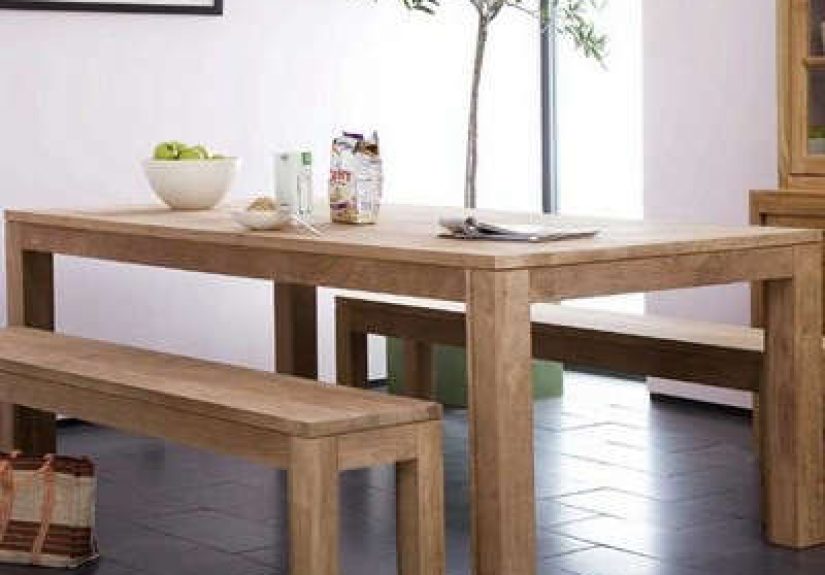
At its core, the Kubus Collection is a solid teak dining table line with a modern European feel. One of the clearest published descriptions of the piece emphasizes its warm neutral tones, contemporary lines, solid teak construction, and traditional furniture-making methods. It was also described as being offered in eight sizes, with both square and rectangular configurations, which is a big deal for buyers who want a designer look without being boxed into one awkward dimension.
That flexibility is part of the collection’s charm. A square Kubus table can feel intimate and architectural in a breakfast room, while a longer rectangular version works beautifully in an open-plan dining area. Because the design language is restrained, the table can lean in several directions stylistically. It can read as Scandinavian, modern farmhouse, contemporary minimalist, or even slightly rustic depending on the chairs, lighting, rug, and tabletop styling you pair with it.
In other words, the Kubus Collection does not scream for attention. It does something more sophisticated: it creates structure. That makes it the kind of table that still looks relevant years later, long after louder trends have packed their bags and left town.
Why Teak Is Such a Strong Choice for a Dining Table
1. Teak is naturally durable
Teak has a long-standing reputation as one of the most durable furniture woods in the world, and that reputation is not just marketing poetry. Wood references consistently describe teak heartwood as very durable, with notable resistance to decay and pests. Its natural oils are part of the reason it performs so well over time. For a dining table, that matters because the surface has to survive daily life: hot plates, hurried breakfasts, elbows, homework, grocery bags, and the occasional dramatic fork drop.
A teak dining table is not indestructible, because no wood table is invincible unless it was raised by wolves, but it is well suited to long-term household use. Compared with softer woods that dent easily or less stable materials that feel flimsy, teak tends to offer a reassuring sense of substance.
2. It resists moisture better than many woods
Teak is famous for its natural oils, and those oils help it handle moisture better than many other furniture woods. That is one reason teak has long been associated with demanding environments and why design and home-care experts regularly recommend gentle cleaning, quick spill removal, and protection from standing moisture rather than panic at every water glass. In practical terms, a teak dining table is a smart fit for busy households because it is better equipped for real use than fussy, high-maintenance materials that seem offended by ordinary life.
3. The grain and color age beautifully
Visually, teak offers a lot of what people want in a premium dining table: a golden-to-medium brown base, attractive grain, and a finish that feels warm without looking orange or overly glossy. Teak also changes with light and age. Depending on finish, exposure, and care, the color may mellow, deepen, or develop a softer patina over time. That aging process is not a flaw. It is part of the romance of real wood furniture, and it is one reason a teak dining table often looks better after a few years than it did the day it arrived in a box the size of a studio apartment.
What Makes the Kubus Collection Design So Appealing?
The magic of the Kubus Collection lies in its restraint. The design is clean, but not cold. It is minimal, but not boring. It looks handcrafted without drifting into heavy rustic territory. That balance is harder to achieve than it sounds.
Because the table is built around simple geometry and solid teak, it works as a visual anchor instead of a distraction. The straight lines create order, while the wood grain adds warmth and movement. If you have ever seen a modern dining room that felt a little too sterile, you already understand why this combination works. The Kubus table brings enough natural character to soften contemporary interiors, but enough structure to keep relaxed interiors from looking sloppy.
It also fits beautifully with the current American preference for spaces that feel layered rather than overly matched. A Kubus teak dining table can sit under a sculptural pendant light, beside upholstered chairs, near matte black accents, or on a vintage-inspired rug without looking confused. It plays well with others. Frankly, more furniture should learn this skill.
How to Choose the Right Size for Your Room
One of the smartest things about a collection offered in multiple sizes is that you do not have to force your room to accommodate a one-size-fits-all piece. Choosing the right teak dining table size depends on traffic flow, seating needs, and room proportions.
As a general guide, design experts commonly recommend leaving about 3 feet of clearance around a dining table so people can move chairs comfortably and walk through the room without performing awkward side shuffles. Standard dining table height usually falls around 28 to 30 inches, and many guides suggest allowing about 24 inches of width per person for comfortable seating.
For rectangular dining tables, widths in the 36- to 42-inch range are often ideal because they allow place settings on both sides while still leaving space in the center. If your dining room is narrow, a clean-lined table like the Kubus can be especially useful because its visual simplicity helps the room feel open rather than crowded.
Here is a practical way to think about it:
- Small dining nook: A square Kubus table can create intimacy without eating the whole room.
- Apartment or compact dining area: A shorter rectangular size keeps the look streamlined while still seating guests.
- Open-concept home: A longer rectangular Kubus table can define the dining zone with clean architectural presence.
- Frequent host: A larger format makes sense if your dining table regularly doubles as holiday central, homework station, and life headquarters.
Measure first, buy second, and save yourself from the classic furniture mistake of falling in love with a table that fits only in a showroom and perhaps a small airport hangar.
How to Style a Teak Dining Table Kubus Collection Piece
Keep the chairs visually lighter
Because teak already brings visual weight and warmth, lighter-looking chairs often create the best balance. Upholstered dining chairs, wishbone-inspired silhouettes, woven seats, or slim black frames can all work beautifully. If the table is square and substantial, avoid chairs that are equally chunky unless you want the room to feel extra grounded and formal.
Use contrast to make the wood glow
Teak looks especially handsome against contrast. Cream walls, warm whites, charcoal textiles, natural linen, black metal, and muted olive or clay tones all tend to flatter its grain. If your room feels flat, contrast is usually the missing ingredient. A teak table wants a little tension around it. Not family-drama tension. Design tension.
Choose centerpieces that feel relaxed
The Kubus Collection does not need over-styling. A ceramic bowl, low greenery, a trio of candlesticks, or a linen runner is often enough. Real Simple’s decorating guidance around grouping and visual balance supports the idea that a few well-chosen objects often look more intentional than a crowded display. On a table with this much material character, less really is more.
Add a rug only if it earns its keep
A rug can help ground the dining zone, especially in open layouts, but it needs to be large enough. A common guideline is to choose a rug that extends about 24 inches beyond the table on all sides so chairs remain on the rug when pulled out. If your rug is too small, the room will feel like it is wearing pants that shrank in the wash.
How to Care for a Teak Dining Table
Good news: teak is not one of those high-maintenance materials that requires moonlight, whispered affirmations, and a proprietary cleanser that costs more than lunch. But it does appreciate sensible care.
Daily and weekly care
For regular cleaning, stick with a soft cloth, light dusting, and a slightly damp cloth when needed. Multiple furniture-care guides recommend mild soap and water for spot cleaning, followed by drying the surface thoroughly. The key is to avoid soaking the wood or letting moisture linger.
What to avoid
Harsh cleaners, abrasive scrubbers, and excessive moisture are not your friends here. If you attack teak with aggressive chemicals, you may damage the finish or dull the surface. Also, wipe spills promptly. Teak is durable, but that does not mean it enjoys being turned into a long-term beverage parking lot.
Should you oil it?
This depends on the finish and the look you want. Some experts recommend penetrating oils such as teak oil or tung oil for certain teak applications, especially when refreshing color, while others note that teak can also be allowed to age naturally. The right move depends on whether the table is sealed, unfinished, or already treated. In many indoor settings, a simple program of gentle cleaning and protecting the surface from heat and standing water is enough.
Use common-sense protection
Trivets, placemats, and coasters are still good ideas. Yes, even on a premium teak dining table. “But it’s durable” is not a personality trait, and it is definitely not a substitute for basic manners.
Is the Teak Dining Table Kubus Collection Worth It?
If you are looking for a disposable dining table that will survive two leases and one impulsive style change, the Kubus Collection is probably not your lane. This is the kind of piece that makes more sense when you want furniture with staying power. Solid teak, timeless lines, and classic construction methods all point toward a table meant to last.
Its value is not just in the material, but in the combination of function, flexibility, and visual longevity. A well-designed teak table can move across design trends more gracefully than trend-driven finishes or bulky sets that feel dated almost on arrival. The Kubus Collection has the kind of understatement that tends to age well, which is often the real marker of good design.
There is also the emotional side of it. A dining table is one of the hardest-working pieces in a home. It hosts weeknight dinners, birthday cakes, coffee chats, school projects, laptop sessions, and those moments when everyone says they are just grabbing a quick bite and somehow stays at the table for an hour. A table that can handle all that while still looking elegant earns its square footage.
What It Feels Like to Live With the Teak Dining Table Kubus Collection
Living with a table like the Teak Dining Table Kubus Collection is less about owning a “statement piece” and more about noticing how often it quietly improves daily life. In the morning, the teak surface catches natural light in a way that painted or synthetic finishes rarely do. The wood does not look flat. It has tone, grain, and depth, which means even a simple breakfast setup can feel a little more composed. A mug of coffee, a bowl of fruit, a laptop, and yesterday’s mail somehow look less like clutter and more like a real lived-in home.
During the day, a table like this becomes a multitasker. It is a workspace, a reading spot, a place to sort packages, sign school forms, or spread out fabric swatches and paint samples. Because the Kubus design is so clean, it does not visually fight with whatever is happening on top of it. That sounds small, but it changes the atmosphere of the room. Instead of always looking busy, the space feels grounded.
At mealtime, the solid teak construction adds another layer to the experience: confidence. The table feels stable. It does not wobble when someone leans on it mid-story, and it does not feel precious in the annoying way some high-design furniture can. You can set down serving bowls, stack plates, and actually use the thing without feeling like you need white gloves and a formal apology. That balance between beauty and utility is where the Kubus style really shines.
There is also something deeply social about a teak dining table. Wood tends to make people relax. A glossy glass table can feel sleek but cold. A heavy dark lacquer piece can feel formal. Teak hits a sweet spot. It feels warm, welcoming, and substantial, which encourages the kind of hanging around that turns dinner into conversation. You sit longer. Guests settle in. Kids spread out homework after the dishes are cleared. Someone lights candles. Someone else cuts pie. The table becomes part of the rhythm of the home instead of a backdrop for staged photos.
Over time, the experience gets even better because the table begins to show subtle character. Not damage, if it has been cared for reasonably, but that mellow lived-in quality that makes real wood feel personal. The color softens. The surface develops familiarity. The room starts to feel built around it. That is the difference between buying a table because you need somewhere to eat and choosing one because you want a piece that can support actual living for years.
In that sense, the Kubus Collection is appealing not only because it looks modern and refined, but because it supports the kind of home people actually want: stylish, warm, useful, and lived in. That is a pretty impressive résumé for four legs and a tabletop.
Final Thoughts
The Teak Dining Table Kubus Collection stands out because it brings together the qualities that matter most in a long-term furniture purchase: solid teak, classic construction, versatile sizing, and clean, contemporary design. It offers warmth without heaviness, simplicity without blandness, and durability without giving up style.
If you want a dining table that can adapt to changing decor, support everyday life, and still look sophisticated years from now, the Kubus Collection makes a compelling case. It is the kind of piece that earns its place not through trendiness, but through consistency. And in furniture, as in dinner guests, consistency is underrated.