Table of Contents >> Show >> Hide
- Why parasite testing matters (especially if you’re on Medicare)
- Common parasites that stool tests can detect
- How doctors test for parasites
- Medicare basics: which part covers parasite testing?
- When does Medicare cover parasite testing?
- What will I pay under Medicare for parasite testing?
- How to improve the odds that your test gets covered
- Step-by-step: what parasite testing on Medicare usually looks like
- Real-world experiences: what testing for parasites on Medicare feels like
- Bottom line: parasite tests and Medicare can work in your favor
If your gut has been acting like a soap opera lately sudden diarrhea, gas that could clear a room, cramping, maybe a mysterious weight loss one possible culprit is a parasite. The good news: there are reliable tests to find out what’s going on. The even better news: if you’re on Medicare, many of those parasite tests are covered when your doctor says they’re medically necessary.
This guide walks you through how parasite testing works, when Medicare pays for it, what it might cost you, and what the whole process feels like from a real-world, “I actually have to do this” perspective.
Why parasite testing matters (especially if you’re on Medicare)
Intestinal parasites are more common than many people realize. They can hitch a ride in contaminated water, undercooked food, soil, or on unwashed hands. For older adults and people with weakened immune systems a big portion of the Medicare population parasitic infections can be more severe and harder to shake.
Common reasons a doctor might suspect parasites include:
- Ongoing or recurring diarrhea (especially lasting more than a few days)
- Unexplained stomach cramps, bloating, or gas
- Greasy or foul-smelling stools
- Unintentional weight loss or poor appetite
- Recent travel, especially to areas with unsafe water or food
- Exposure to contaminated water (camping, swimming in lakes or rivers)
Because these symptoms can also be caused by viruses, bacteria, or chronic conditions like irritable bowel syndrome, your provider often needs laboratory tests to figure out whether parasites are really the problem.
Common parasites that stool tests can detect
When people talk about “parasite testing,” they’re usually referring to intestinal parasites that live in the digestive tract. Some frequently tested-for parasites include:
Giardia
Giardia duodenalis (often just called “Giardia”) is a microscopic parasite found in water, food, and surfaces contaminated with infected stool. It can cause greasy diarrhea, gas, cramps, and fatigue. Giardia is one of the most common causes of parasitic diarrhea in the United States.
Cryptosporidium
Cryptosporidium is another waterborne parasite that can survive in swimming pools and drinking water if they’re not properly treated. It causes watery diarrhea that can be serious and long-lasting, especially in older adults and people with weakened immune systems.
Other intestinal parasites
Depending on your travel history, lifestyle, and symptoms, your provider may also consider parasites such as:
- Entamoeba histolytica (amoebiasis)
- Strongyloides
- Tapeworms and other helminths (worms)
- Less common protozoa found in certain regions or after international travel
The specific tests ordered will depend on which parasites your provider thinks are most likely.
How doctors test for parasites
The phrase you’ll see over and over is “stool ova and parasite test,” usually shortened to “O&P.” But there are several ways to look for parasites and their eggs.
1. Stool ova and parasite (O&P) exam
An ova and parasite test involves examining a stool (poop) sample under a microscope to look for parasites or their eggs. The lab may concentrate the sample to make it easier to detect tiny organisms. Because parasites do not always show up in every bowel movement, your provider may ask you to provide multiple specimens collected on different days.
In many cases, you’ll be asked to:
- Collect stool in a clean container (never from the toilet bowl)
- Avoid certain medicines (like some antacids or bismuth products) for a period before testing
- Return several samples over a few days so the lab has more than one opportunity to find the parasite
2. Stool antigen tests
Some labs also use antigen tests that look for specific molecules (antigens) from parasites such as Giardia or Cryptosporidium. These tests can sometimes detect infections even when very few parasites are present in the stool and may be combined with microscopic exams.
3. Molecular (PCR) panels
Newer molecular tests use PCR (polymerase chain reaction) or similar technology to look for DNA or RNA from multiple pathogens, including some parasites, in a single stool sample. These tests can be faster and more sensitive but may be more expensive and aren’t always needed.
4. Blood tests and imaging (less common)
In some situations such as when a parasite is suspected to be outside the intestines your provider might order blood tests, imaging studies, or even endoscopy. These situations are less common than basic stool testing but may still be covered by Medicare when medically necessary.
Medicare basics: which part covers parasite testing?
To understand Medicare coverage for parasite tests, it helps to know which part of Medicare does what:
- Medicare Part A mainly covers inpatient hospital care, skilled nursing facilities, and some home health services.
- Medicare Part B covers outpatient services, including doctor visits and diagnostic laboratory tests ordered by your provider.
- Medicare Advantage (Part C) plans are offered by private insurers and must cover at least what Original Medicare (Part A and Part B) covers. They may have their own rules about which labs and doctors you can use.
- Part D covers prescription drugs, not lab tests.
Parasite testing is usually billed as a clinical diagnostic laboratory test, so it typically falls under Medicare Part B when done as an outpatient.
When does Medicare cover parasite testing?
Medicare does not pay for general “just to see” screening for parasites in people who don’t have symptoms or known risk factors. For coverage, the test usually must meet three main conditions:
1. The test is medically necessary
Your doctor or other qualified health care provider must decide that testing is medically reasonable and necessary. This usually means you have symptoms or risk factors that make a parasitic infection a real possibility for example, prolonged diarrhea, recent travel, or a weakened immune system.
2. The test is ordered by a Medicare-enrolled provider
Medicare generally requires that the test be ordered by a provider who participates in Medicare. The lab doing the testing must also meet Medicare requirements and bill correctly.
3. The test is an approved diagnostic laboratory test
Standard stool O&P tests, many parasite antigen tests, and some molecular panels are considered covered diagnostic lab tests when they’re part of evaluating a legitimate medical concern. Very broad or experimental panels may have additional restrictions or local coverage rules, depending on your region and Medicare contractor.
In short: if your doctor thinks a parasite might be causing your symptoms and orders appropriate tests, Medicare is very likely to cover them.
What will I pay under Medicare for parasite testing?
Under Original Medicare:
- Part B typically pays 100% of the Medicare-approved amount for covered diagnostic lab tests when your provider accepts Medicare assignment.
- You usually pay $0 for the test itself in that situation.
However, you may still pay for:
- The office visit or evaluation where your provider decides you need testing (this is usually subject to the Part B deductible and 20% coinsurance).
- Any non-covered or experimental tests that are not considered medically necessary.
Medicare Advantage plans
If you’re in a Medicare Advantage plan, the basic rule still applies: parasite testing is generally covered when medically necessary. However, your costs and rules may differ. For example, your plan might:
- Require you to use in-network labs
- Ask for prior authorization for certain high-cost molecular panels
- Have specific copays for lab services or office visits
Checking your plan’s Evidence of Coverage or calling the member services number on the back of your card can help clarify any copays or limitations before you test.
How to improve the odds that your test gets covered
While your provider and the lab handle most of the billing details, there are a few things you can do to avoid unwanted surprises:
1. Be detailed about your symptoms
When your provider knows you have specific, documented symptoms such as diarrhea lasting more than a week, fever, blood in your stool, or weight loss it’s easier to show that testing is medically necessary. Mention travel, camping, or any potential exposures.
2. Confirm the lab accepts Medicare
Most hospital and large reference labs accept Medicare, but if your doctor sends your sample to a specialized or out-of-network lab, ask whether they bill Medicare directly and whether they accept assignment.
3. Ask which tests are being ordered
It’s perfectly fine to say, “Can you tell me which parasite tests you’re ordering and why?” Standard O&P and targeted antigen tests are less likely to run into coverage issues than very broad, high-cost panels that may not always be necessary.
4. Keep your paperwork
Save copies of lab orders, explanations of benefits (EOBs), and any denial letters. If a test is denied and you and your provider believe it should have been covered, you may choose to appeal.
Step-by-step: what parasite testing on Medicare usually looks like
- Symptom check: You notice ongoing diarrhea, cramps, or other issues and schedule a visit with your primary care provider or gastroenterologist.
- Office visit: Your provider takes a history, asks about travel and exposures, and may do a basic exam.
- Lab order: If parasites are on the list of possibilities, your provider orders stool tests (often an O&P exam, maybe plus specific antigen or molecular tests).
- Collecting specimens: You pick up stool collection kits at the office or lab, collect samples at home (usually in a clean container, not from toilet water), and return them to the lab.
- Lab processing: The lab analyzes your samples. This may take a few days, especially if several specimens are needed.
- Results and follow-up: Your provider reviews the results with you. If parasites are found, treatment might include prescription medications; if not, your provider may look for other causes.
- Billing and coverage: The lab bills Medicare (and your secondary coverage, if any). You receive an Explanation of Benefits showing what was covered. Often, you pay nothing for the lab tests themselves under Part B if everything was medically necessary and correctly billed.
Important: This article is for general education only and is not a substitute for medical advice, diagnosis, or an official Medicare coverage determination. Always check with your health care provider and your specific Medicare plan about your situation.
Real-world experiences: what testing for parasites on Medicare feels like
On paper, a “stool ova and parasite exam covered by Medicare Part B” sounds dry and technical. In real life, there are emotions, logistics, and a little bit of awkwardness mixed in. Here’s what the experience often looks and feels like for people on Medicare.
1. The awkward but necessary stool collection
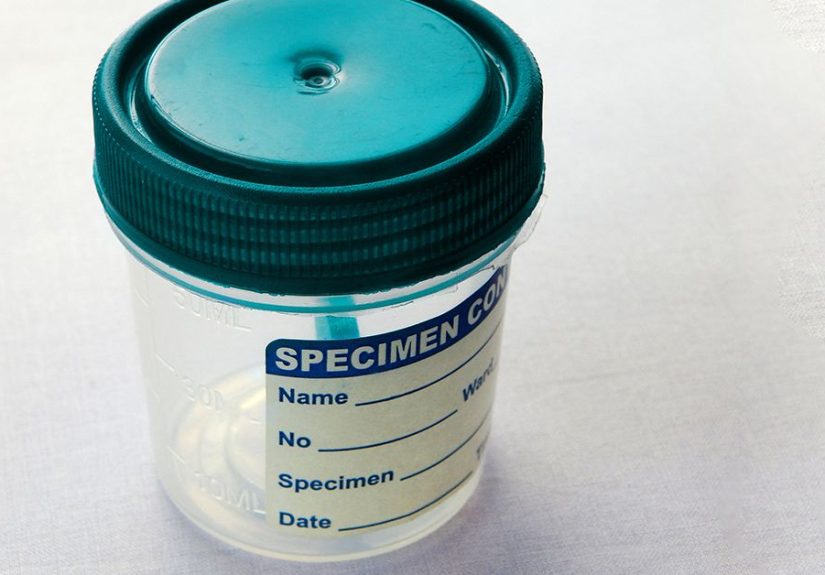
Let’s be honest: collecting your own stool sample isn’t anyone’s idea of a fun afternoon. You may be given a small plastic container, a scoop, and sometimes a tray or special paper that sits over the toilet to keep the sample out of the water. You’ll get written instructions that usually say things like “do not mix with urine” and “fill to the line.” It’s not glamorous, but it’s quick, and once it’s done, it’s done.
If your provider wants multiple samples say, three separate bowel movements collected on different days you might feel like you have a tiny lab operating out of your bathroom. Many people find it easiest to set a little “collection station” with gloves, wipes, and the labeled containers so everything is ready when nature calls.
2. The worry about costs
Money anxiety is very real, especially on a fixed income. Even when a provider says, “Medicare should cover this,” it’s normal to wonder what will happen when the bill arrives. In practice, many people on Original Medicare are relieved to find that covered diagnostic lab tests are often paid in full by Part B, with no separate copay for the test itself. The office visit may still have a share of cost, but surprise lab bills are less common when the test is clearly ordered for symptoms and done at a Medicare-participating lab.
People with Medicare Advantage sometimes describe a slightly different experience. There may be copays for specialist visits or certain labs, and you might get letters asking for more information or explaining prior authorization decisions. The upside is that Advantage plans often provide case managers or customer service reps who can walk you through what’s covered and why.
3. The emotional roller coaster of waiting for results
While the lab is analyzing your sample, you’re left waiting and wondering. Some people hope the test does find a parasite, because that can mean a clear cause and a straightforward treatment. Others are anxious about what happens if nothing shows up and they still feel awful.
It can help to plan ahead:
- Ask your provider when results are likely to come back.
- Sign up for online patient portals if available, so you can see your reports sooner.
- Schedule a follow-up appointment or phone call in advance, so you’re not chasing answers later.
4. The “aha” moment and treatment decisions
When a parasite is found, many people feel relief mixed with a little grossed-out curiosity. Your provider will explain what the parasite is, how you probably got it, and what medications can clear it. Treatment may involve a short course of antiparasitic drugs, sometimes with follow-up tests to confirm the infection is gone.
If the test is negative, that doesn’t mean your symptoms aren’t real. It simply means your provider may need to look for other causes: bacterial infections, inflammatory bowel disease, medication side effects, or other digestive conditions. From a Medicare perspective, those additional tests colonoscopies, imaging studies, blood work may also be covered when medically necessary.
5. Lessons people often share afterward
People who’ve been through parasite testing on Medicare commonly report a few takeaways:
- Being honest with your doctor pays off. The more accurately you describe your symptoms and exposures, the easier it is to get appropriate tests covered.
- Using in-network, Medicare-participating labs reduces billing headaches. When your provider and lab are used to billing Medicare, denials are less likely.
- Calling your plan is worth the time. A 10-minute call to your Medicare Advantage plan to confirm coverage can save hours of worry later.
- Keeping all test reports in one folder (paper or digital) helps. If you change doctors or plans, having your lab history handy prevents repeat testing.
Most importantly, people often say that, while the process is not glamorous, they’re glad they did it. Getting a clear answer parasite or not helps guide treatment, improves quality of life, and can prevent complications. For many Medicare beneficiaries, it’s reassuring to know that the system is designed to cover medically necessary diagnostic testing that helps keep them healthier and more comfortable.
Bottom line: parasite tests and Medicare can work in your favor
Testing for parasites isn’t just about identifying a tiny troublemaker in your gut; it’s about getting your life back when digestive symptoms are controlling your day. For people on Medicare, medically necessary parasite testing especially standard stool O&P and related lab tests is typically covered under Part B when ordered by a provider for real symptoms or risk factors.
If you’re dealing with persistent stomach issues, talk with your health care provider. Share your full symptom story, ask whether parasite testing makes sense, and don’t be shy about asking how Medicare will handle the charges. With the right information and a little preparation, you can move from “What if I have a parasite?” to “Here’s the plan to feel better.”