Table of Contents >> Show >> Hide
- Why Magnolia colors are easy to live with
- 3 quick rules before you commit
- Undertones and finishes: a quick pairing guide
- The 10 best Magnolia paint colors (and how to use them)
- 1) Blackboard
- 2) Shiplap
- 3) Carter Crème
- 4) Olive Grove
- 5) Duke Gray
- 6) Garden Trowel
- 7) Luxe
- 8) Gatherings
- 9) Silverado Sage
- 10) Cupola
- Room-by-room pairing ideas
- Experience notes (about of real-life wisdom)
- Conclusion
Choosing paint should be relaxing. In reality, it’s you at 9:47 p.m. holding a swatch up to the wall like it’s a rare gemstone while your family pretends not to watch. Magnolia Home by Joanna Gaines (created in partnership with the KILZ brand) is popular because the colors feel classic, cozy, and livablenot trendy for two weeks and then “why does my hallway look like a smoothie?”
If you love that warm modern farmhouse vibe (but also want your home to work with cottage, transitional, or even clean modern pieces), Magnolia’s best-sellers are a smart starting point: creamy whites, earthy greens, versatile grays, and a few moody showstoppers.
Why Magnolia colors are easy to live with
The line is known for nature-inspired undertones and a curated feel. Many shades are available across wall paint, exterior paint, and trim/cabinet productsso your walls, doors, and built-ins can actually look like they’re in the same family (instead of awkward cousins at Thanksgiving). Magnolia’s palette also leans “warm-neutral,” which helps colors stay friendly next to common finishes like oak flooring, beige stone, black metal, and brass.
3 quick rules before you commit
- Let the light decide: North light cools colors; south light warms them. Undertones show up where you least expect them.
- Sample big: Use a large sample and look at it morning, afternoon, and night. Move it to different walls.
- Match the mood: Bright and airy? Cozy and grounded? Crisp and dramatic? The “best” color is the one that supports the feeling you want.
Undertones and finishes: a quick pairing guide
Before the top 10 list, here’s the practical stuff that keeps your paint from “mysteriously changing color” after you buy it. (Spoiler: it’s not mysterious. It’s undertones and lighting.)
- Warm woods + warm whites: If you have honey oak, walnut, or warm-toned floors, lean into Shiplap, Cupola, Gatherings, or Carter Crème. They’ll look intentional, not mismatched.
- Cool stone + stainless: If your room has lots of gray stone, chrome, or cool whites, Duke Gray and Silverado Sage can look crispjust add warmth through wood, textiles, or lighting.
- Black hardware is a universal translator: Matte black pulls, fixtures, and frames make almost every Magnolia neutral feel sharper and more modern.
- Sheen matters as much as color: Matte/flat hides wall texture but can be harder to scrub. Eggshell and satin are popular for walls in busy rooms. Higher-sheen finishes typically look sharper on trim and cabinetry.
- Prep makes “one coat” dreams more realistic: Cleaning, sanding (when needed), and priming (especially over strong colors or slick surfaces) helps you get better coverage and truer undertones.
The 10 best Magnolia paint colors (and how to use them)
1) Blackboard
Description: Dark black with hints of deep blue.
Best uses: Vanities, interior doors, built-ins, accent walls, and modern exteriors.
Style notes: The blue undertone keeps it rich instead of flat. Pair with warm-white trim, brass hardware, and natural oak for an instant “custom” look.
Try it with: A white quartz countertop and aged brass mirror in a powder roomhigh contrast, low effort.
Watch out: On high-touch surfaces, you’ll notice fingerprints sooner than on mid-tones. Put it where drama is worth the maintenance.
2) Shiplap
Description: A creamy, weathered white.
Best uses: Whole-room walls, ceilings that need brightness, trim when you want warmth, and yesactual shiplap.
Style notes: Shiplap is forgiving next to warm woods and black accents. It reads soft, not sterile, which is why it’s a go-to neutral backdrop.
Try it with: Layered neutrals (linen drapes, oatmeal upholstery) and matte-black curtain rods for an updated farmhouse look.
Watch out: In very cool rooms, it can look creamier than expectedsample it next to your trim color before painting everything.
3) Carter Crème
Description: A warm honey yellow.
Best uses: Entryways, breakfast nooks, and furniture that needs a sunny reset.
Style notes: This is “sunlight through linen curtains,” not neon. Keep it grounded with warm whites, rattan, leather, wrought iron, and stone.
Try it with: A vintage wood table, woven shades, and white beadboard for an inviting nook that still feels grown-up.
Watch out: Under very cool LEDs, warm yellows can look dulleruse warmer bulbs for a cozy glow.
4) Olive Grove
Description: Earthy green with natural hints of hazel.
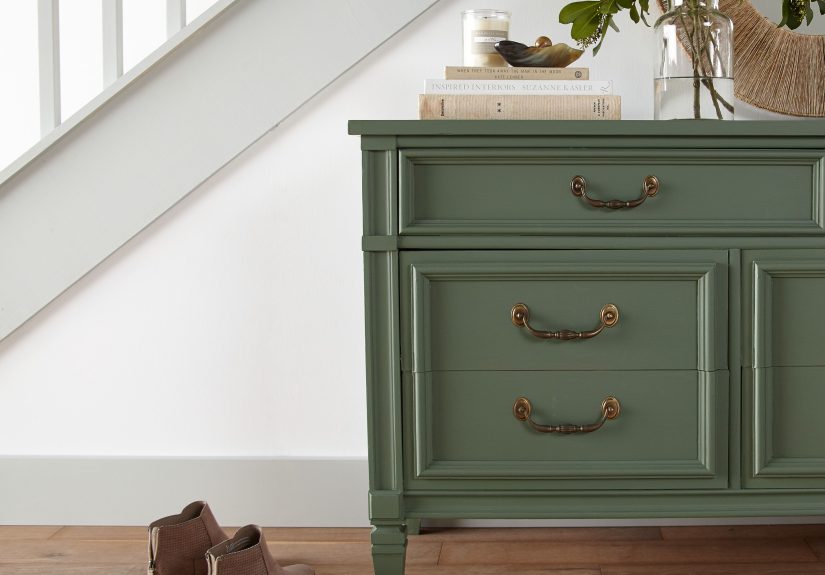
Best uses: Bedrooms, reading corners, accent walls, painted furniture, and built-ins.
Style notes: Olive Grove behaves like a neutraljust greener. It’s especially beautiful with cream textiles, warm woods, and black hardware.
Try it with: Soft white bedding, antique brass lamps, and a chunky knit throw for instant calm.
Watch out: In rooms flooded with cool daylight, greens can skew sharper. Warm your lighting and add natural textures.
5) Duke Gray
Description: Stone gray with deep pale-blue undertones.
Best uses: Offices, living rooms, front doors, and exteriors that need depth without going fully dark.
Style notes: Duke Gray feels bold yet dependable. Balance it with warm whites and wood tones so the blue undertone reads intentional, not chilly.
Try it with: Walnut shelving and creamy trim in a home officeserious enough for focus, soft enough for comfort.
Watch out: Blue-leaning grays shift through the day. Sample near your largest window and in the darkest corner.
6) Garden Trowel
Description: Earth-toned gray accented with olive green and cocoa.
Best uses: Open-concept spaces, hallways, kitchens, and “I need one color that works everywhere” situations.
Style notes: Garden Trowel is classic greige with personalitygreat when your home mixes warm (wood) and cool (stainless, stone) finishes.
Try it with: White trim, black picture frames, and a mix of tan + olive accents. It supports color without stealing the show.
Watch out: In dim rooms, mid-tone neutrals can feel heavier. Layer lighting (overhead + lamps) for a lighter read.
7) Luxe
Description: Deep evergreen gray.
Best uses: Dining rooms, libraries, cabinetry, and statement walls that should feel cozy and elevated.
Style notes: Luxe looks expensive fastespecially with creamy trim, aged brass, and velvet or marble accents. It’s moody, but still warm.
Try it with: Color-drench a small powder room (walls + trim) and add a big mirror to bounce light around.
Watch out: Dark colors show application flaws if you rush. Plan for two coats and keep a wet edge while rolling.
8) Gatherings
Description: Golden gray with amber and tan undertones.
Best uses: Living rooms, dining rooms, family roomsanywhere you want warmth without committing to full beige.
Style notes: Gatherings has a welcoming glow that flatters wood furniture and layered neutrals (oatmeal, linen, warm whites).
Try it with: An oak table, iron chandelier, and cream drapesthis shade makes “everyday dinner” feel a little more special.
Watch out: Warm greiges can pick up nearby colors (like greenery outside). Sample it on more than one wall.
9) Silverado Sage
Description: Deep gray with rich blue and sage green undertones.
Best uses: Exteriors, shutters, cabinetry, mudrooms, and accent walls with a nature-inspired vibe.
Style notes: This shade can shiftbluer in bright light, greener in softer lightso it stays interesting. It pairs beautifully with crisp white trim and matte-black hardware.
Try it with: On exterior siding with bright white trim, then echo the color inside with small accents (pillows, art) for cohesion.
Watch out: If your interior lighting runs cool, add warm accents (wood, brass) so it doesn’t lean too steely.
10) Cupola
Description: A pure gray lightly dusted with a tan hue.
Best uses: Whole-home walls, bedrooms, and spaces where you want calm without stark white.
Style notes: Cupola is a warm light gray that makes rooms feel pulled together. It’s ideal when you want neutral, but not cold.
Try it with: Blackboard interior doors and warm wood furniture for contrast that still feels timeless.
Watch out: Next to very cool whites, Cupola will look warmer. That contrast can be gorgeousjust be prepared for it.
Room-by-room pairing ideas
- Powder room drama: Blackboard + bright trim + great lighting.
- Kitchen classic: Shiplap walls + Silverado Sage island or cabinets.
- Bedroom calm: Olive Grove or Luxe + warm lamps + textured bedding.
- Whole-home neutral: Cupola or Garden Trowel + layered natural materials.
- Front door upgrade: Duke Gray or Silverado Sage for instant curb appeal.
Experience notes (about of real-life wisdom)
Here’s what tends to happen once these colors move from “pretty swatch” to “I live here now.” Think of it as the friendly warning label you actually want to read.
Shiplap is the peacekeeper. Homeowners gravitate to it because it rarely argues with anything. It softens harsh daylight, flatters warm flooring, and makes decorating easier because it doesn’t compete with rugs, art, or busy countertops. The biggest surprise is how creamy it can feel in cooler, north-facing roomsso if you want it to look crisper, pair it with a clean, brighter trim and warmer bulbs at night.
Cupola is the “whole-house” hero. People often choose it when they’re tired of beige but don’t want a cold gray. In everyday life, Cupola reads airy in the morning and cozy in the evening, especially with warm lighting. It also has a talent for making furniture look more expensive (it’s not magic, but it’s close). If your trim is a very cool white, Cupola will look warmer next to itthat contrast can be gorgeous, just don’t let it surprise you on day one.
Garden Trowel shifts with the room. Because it’s a greige with earthy undertones, it can feel more gray in bright daylight and more warm/grounded in lamplight. That’s exactly why it works in open-concept layouts: it bridges warm and cool finishes without looking muddy. The practical lesson is lighting mattersadd a few layered light sources (overhead, lamps, under-cabinet) and the color looks intentionally complex instead of “why is this different on every wall?”
Gatherings makes spaces feel welcoming fast. In dining and living rooms, it creates a gentle warmth that looks especially good after sunset. It’s a favorite for people who want neutrals that feel hospitable, not flat. If you love layered textureslinen, wool, natural woodGatherings helps everything blend in a comfortable, collected way.
Olive Grove and Luxe are confidence builders. These are the shades people pick when they’re ready for color but still want it to function like a neutral. The reward is cozy depth, especially in bedrooms, offices, and built-ins. The “experience tip” is to sample them in multiple spots: both can change dramatically with light. Warm bulbs and creamy whites keep them inviting; very cool LEDs can make them feel sharper than intended.
Blackboard is an instant upgradeif you place it wisely. Used on a vanity, a pantry door, or built-ins, it looks custom and high-contrast. On high-touch areas, it will show fingerprints sooner than a mid-tone neutral (because physics, not because you’re messy). Most happy homeowners use it where the drama is worth the maintenance and balance it with lighter counters, mirrors, or trim so it feels polished, not heavy.
Silverado Sage and Duke Gray are chameleons. Outdoors, they shift with landscaping and sky conditions. Inside, they look best when you intentionally warm up the room with wood tones and layered textiles so the cool undertones feel sophisticated, not sterile.
The best hack is still sampling. A big sample (or peel-and-stick) viewed in morning, afternoon, and evening light saves you from surprise undertones and repaint regret. Paint is cheaper than therapy, but it’s still not free.
Conclusion
If you want timeless, easy Magnolia Home paint colors, start with Shiplap, Cupola, or Garden Trowel. If you want warm personality, try Gatherings or Olive Grove. If you’re ready for depth and drama, Luxe, Silverado Sage, Duke Gray, and Blackboard bring the wowwithout losing that relaxed Magnolia feel.