Table of Contents >> Show >> Hide
Undertale isn’t just a game; it’s a personality test with boss music. Once you’ve hugged every monster, cried over skeleton brothers, and reset the timeline one too many times, the obvious question hits: what do I play now?
The good news is that a whole mini-genre has formed around the things Undertale does best: emotional storytelling, weird humor, meta-narratives, and combat systems that care more about what kind of person you are than what level you are. Below is a ranked list of the 12 best games like Undertale that capture some piece of that magicwhether it’s the heart-twisting story, the bullet-dodging battles, or the “wait… did this game just talk directly to me?” vibes.
What Makes a Game “Like Undertale”?
Before we start arguing about rankings, it helps to define what “Undertale-like” even means. These games aren’t clones, and most don’t share Undertale’s exact mechanics. Instead, they tend to share some (or all) of these traits:
- Emotional storytelling: They make you laugh…and then ruin you emotionally 3 hours later.
- Quirky characters: Casts that feel like internet friends you accidentally trauma-bonded with.
- Subversive design: They break RPG rules, fourth walls, and sometimes your expectations about “good” and “evil.”
- Choices that matter: Not just “pick the red or blue dialogue option,” but long-term consequences for mercy, cruelty, or apathy.
- Indie spirit: Most are small-team or solo projects with strong creative visionexactly the lane Undertale helped popularize.
With that in mind, here are the 12 best games like Undertale, ranked from “you need this yesterday” to “keep an eye on this if you want more weird, heartfelt indie RPG energy.”
The 12 Best Games Like Undertale, Ranked
1. Deltarune
This one is almost cheating. Deltarune is Toby Fox’s own follow-up to Undertale, and at this point it’s evolved from “curious side project” into a full-blown epic. The game keeps the bullet-dodging combat and weird, lovable characters, but shifts the structure: battles focus more on your whole party, and “mercy” is now a group effort instead of a solo decision.
Deltarune leans harder into classic JRPG dungeon-crawling and big set pieces, but the heart is pure Undertale: playful writing, incredible music, and an unsettling awareness of the fact that you, the player, are always trying to “do the right thing” while the game quietly judges what that even means.
If you want the closest thing to a direct Undertale sequelwith bigger ambitions and even stranger lorethis goes at the top of your list.
2. OMORI
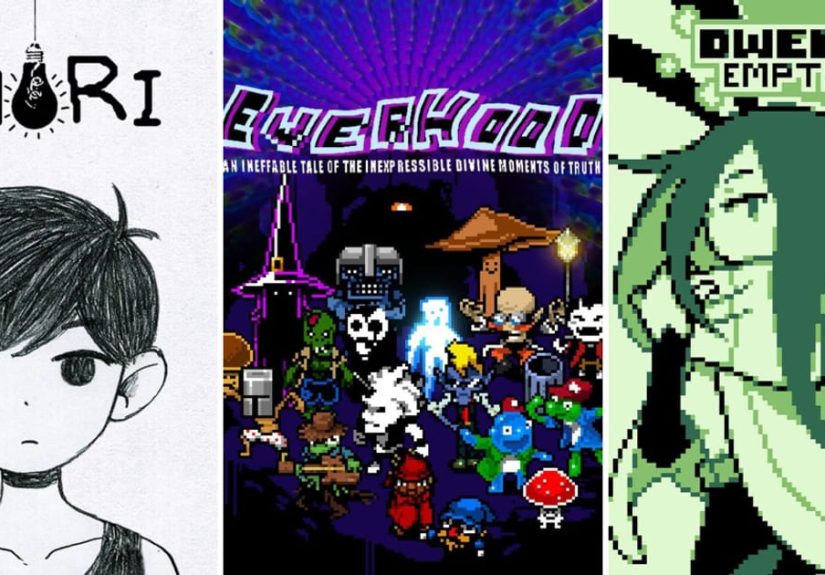
OMORI looks like a cute hand-drawn RPG at first glance, but under the sketchbook aesthetic is a psychological horror story about guilt, grief, and memory. The game bounces between a whimsical dream world and a heavier, more grounded reality, slowly revealing the truth about its main cast.
Like Undertale, OMORI is turn-based, character-driven, and deeply invested in your feelings. Status effects are based on emotionsHappy, Sad, Angryand battles are often metaphors for what the characters are going through. It also has multiple endings, including ones that hit just as hard as Undertale’s most devastating routes.
Fair warning: OMORI dives into heavy themes like depression and trauma. If you loved Undertale’s ability to blend silliness and sorrow, but you’re okay with the horror dial turned up, this is an essential pick.
3. LISA: The Painful (Complete Edition)
If Undertale’s darker endings fascinated you, LISA: The Painful takes that “choices have consequences” idea and cranks it into a bleak, darkly funny post-apocalyptic nightmare. You play as Brad, a deeply damaged man searching for a girl who might be humanity’s last hope.
Every major choice hurts: sacrifice party members for power, give up items or people you care about, and live with permanent, irreversible losses. Combat is turn-based but deliberately clunky and unforgiving, matching the game’s harsh tone. It’s not “wholesome quirky” like Undertaleit’s more like being emotionally drop-kicked by a very creative indie dev.
Still, if you appreciate Undertale’s willingness to punish cruelty and reward compassion, LISA’s brutal risk–reward systems and bleak humor might be exactly the punch in the gut you’re looking for.
4. OneShot
OneShot feels like someone asked, “What if a game treated the player like an actual, separate entity?” You guide a child named Niko through a dying world, trying to restore its sun. The twist is that the game talks to you, not just Niko. It messes with your desktop, expectations, and sense of control in a way that feels very Undertale-adjacent.
There’s minimal combatthis is more of an adventure/puzzle gamebut the emotional stakes are high. Your choices matter, and the game never lets you fully forget that Niko trusts you. If you loved Undertale’s meta-narrative tricks and fourth-wall breaking, OneShot is a must-play.
5. Everhood
Imagine someone blended Guitar Hero, Undertale, and a fever dream. That’s Everhood. It’s a “psychedelic rhythm bullet hell adventure” where attacks come at you as notes on a track, and you dodge, jump, or reflect them in real time instead of picking actions from a menu.
Everhood shares Undertale’s love of subverting expectations: its cast is bizarre, its story morphs in directions you don’t expect, and it constantly questions what you’re doing and why. Boss fights are intense rhythm setpieces, and the game is packed with secret routes, twists, and existential weirdness.
If the thing you loved most about Undertale was that feeling of, “What on earth is this game doing to me?” Everhood scratches that itch in an extremely musical way.
6. To the Moon
To the Moon barely has combat at all, but it might be one of the closest matches to Undertale’s emotional whiplash. You play as two doctors diving into a dying man’s memories to fulfill his last wish. It’s short, story-focused, and absolutely determined to make you cry at least once.
It doesn’t break the fourth wall in the same way Undertale does, but it shares that sense of “small, pixel-art indie game with unexpectedly massive feelings.” The music is gorgeous, the characters are human and flawed, and the ending sticks with you long after the credits.
If you’re less interested in quirky combat and more into “games that make your heart hurt a little,” this one belongs near the top of your backlog.
7. EarthBound
Undertale doesn’t exist without EarthBound. This SNES-era RPG helped define the whole “quirky kids battling cosmic horror while also dealing with regular life stuff” tone. You play as Ness and friends on a road trip through a weird, satirical version of modern-day Earth that’s constantly shifting between silly and unsettling.
The combat is old-school turn-based, but the writing and tone feel surprisingly modern. If you’ve ever felt like Undertale reminded you of some mysterious older game you couldn’t quite place, this is probably it. Think of EarthBound as the spiritual ancestor of Undertale and many of the other games on this list.
8. OFF
OFF is a surreal French indie RPG that predates Undertale but feels spiritually connected. You play as “The Batter,” a strangely calm protagonist tasked with “purifying” a bizarre, industrial world. The story starts opaque and just gets weirder, culminating in one of those endings that makes you stare at the screen for five minutes in silence.
OFF uses classic turn-based combat, but it’s the atmosphere, music, and unsettling narrative choices that align it with Undertale. It also plays with player expectation, morality, and the idea that “following the rules” of a game might not actually be the virtuous thing to do.
If you liked Undertale’s more disturbing undertones or genocide-style routes, OFF is a fascinating, foundational piece of the “weird indie RPG” puzzle.
9. Night in the Woods
Night in the Woods isn’t an RPG in the classic sensethere’s no turn-based combat and no bullet-hell patternsbut it absolutely scratches the same story-driven itch. You play as Mae, a college dropout who returns to her dying hometown and slowly uncovers what’s wrong with both the town and herself.
The overlap with Undertale is emotional and thematic: funny writing, deeply specific characters, and a creeping sense that something bigger and darker is lurking beneath the jokes. It tackles mental health, economic anxiety, and growing up in a way that hits just as hard as Undertale’s commentary on violence and empathy.
If you loved Undertale’s character moments more than its combat, Night in the Woods is a natural next stop.
10. Cave Story+
Cave Story+ is one of the original “one dev changed indie games forever” stories. Created largely by one person, it’s a side-scrolling action-adventure with tight platforming, shooty-shoot gameplay, and a surprisingly emotional plot about identity, memory, and responsibility.
While the gameplay leans more toward Metroid-style exploration than RPG battles, Cave Story+ shares Undertale’s DNA in its character writing, moral choices, and overall indie charm. Multiple endings depend on how much you go out of your way to help certain characters, and the story gets much heavier than the cute pixel art suggests.
11. In Stars and Time
In Stars and Time is a time-loop RPG that feels like it was made specifically for people who love quirky indie stories, meta humor, and experimental combat. You lead a party stuck repeating the same final dungeon over and over, using each reset to learn more about your friends and the world.
The gameplay plays with turn-based conventions and “knowledge as power” in a way that will feel familiar if Undertale’s subversive fights were your favorite part. The tone, like Undertale, bounces between funny, melancholic, and emotionally raw, with an emphasis on found family and the weight of responsibility.
12. She Dreams Elsewhere
She Dreams Elsewhere is an upcoming indie RPG that’s already being compared visually and tonally to both Undertale and EarthBound. You play as Thalia, a woman trapped in her own mind, fighting manifestations of anxiety and nightmare as she tries to wake up.
Even from previews and demos, it’s clear this game fits the Undertale-adjacent niche: stylized retro visuals, surreal dreamscapes, battles built around psychological themes, and a focus on relationships with your party members. If you’re planning your future backlog, this is one to watch.
How to Pick the Right Undertale-Like for Your Mood
All 12 of these games share Undertale’s spirit, but they hit different emotional notes. A quick cheat sheet:
- “I just want more Toby Fox energy.” Start with Deltarune.
- “Ruin me emotionally, I’m ready.” Try OMORI, To the Moon, or In Stars and Time.
- “I liked Undertale’s darker, harsher side.” Go for LISA: The Painful or OFF.
- “I love weird gameplay experiments.” Check out Everhood, Cave Story+, or OneShot.
- “Story and characters first, combat optional.” Night in the Woods, To the Moon, and eventually She Dreams Elsewhere will be your thing.
Undertale set an incredibly high bar, but it also opened the door for more small, heartfelt games to be taken seriously. These titles don’t replace Undertalenothing really canbut they offer new worlds to care about, new characters to protect, and new ways to question what games can do.
Extra: Experiences and Tips for Playing Games Like Undertale
If you’re coming straight from Undertale, it can be tempting to speed-run through every “similar” game you can find. But the best way to enjoy these titles is to treat each one like its own strange little universe, not just “Undertale but with different fonts.”
One practical tip: respect the tone of each game. Undertale constantly swings between jokes and existential dread, and a lot of games on this list do something similarbut not all in the same way. LISA’s cruelty is deliberate and punishing; it wants you to feel uncomfortable with your choices. OMORI buries its horror under layers of nostalgia and cuteness before peeling them back. If you go in expecting the exact emotional rhythm of Undertale, you might miss what each game is actually trying to say.
It also helps to pay attention to how the game treats your curiosity. In Undertale, poking at every edge of the designtrying odd dialogue options, revisiting rooms, replaying routesis rewarded with new jokes and lore. OneShot and In Stars and Time embrace that same idea: they practically beg you to test the boundaries, reset, reload, and see what changes. EarthBound and Cave Story+, by contrast, feel more like classic adventures: exploration matters, but the surprises are tucked into side areas and optional challenges rather than meta tricks aimed at your save file.
Another big factor is emotional pacing. Undertale is relatively short; a single route can be finished in a handful of hours. Many “Undertale-likes” are longer, slower burns. OMORI and Night in the Woods take their time building up to their heaviest moments, letting you live in the world before they start pulling the floor out from under you. To the Moon and OFF are shorter but very focused; you’re there for one central emotional punch, not dozens of branching outcomes.
If you’re worried about burnout, try alternating your picks:
- Play something emotionally heavy like OMORI or LISA, then cleanse your palate with the more playful weirdness of Everhood or Cave Story+.
- Mix narrative-forward games (To the Moon, Night in the Woods) with more system-driven ones (Deltarune, In Stars and Time).
- Save the truly punishing stuff for when you’re mentally preparedLISA is not “I had a rough day at work, I’ll relax with an RPG” material.
Finally, try to recreate the thing that made Undertale special for a lot of players: go in as blind as you reasonably can. Avoid spoiler-heavy guides, don’t obsess over “perfect endings” on your first run, and let yourself make mistakes. One of Undertale’s core messages is that your choices matter, but so does your willingness to learn, forgive, and try again. The same is true here.
Whether you’re dodging notes in Everhood, resetting time in In Stars and Time, or wandering through She Dreams Elsewhere’s dreamscapes, these games are at their best when you stop treating them like checklists and start treating them like conversations. Undertale may be the game that started that conversation for youbut it definitely doesn’t have to be where it ends.