Table of Contents >> Show >> Hide
- What These Awards Really Measure (Spoiler: Not Just Vibes)
- Big Themes From the 2021 Winners
- Highlights From the 2021 Award Categories (With Real-World Snack Logic)
- How to Shop Like a Snack Awards Judge
- Why the 2021 Awards Still Matter Today
- Conclusion: Snack With Intention, Not Panic
- Extra: A 7-Day “Snack Awards” Experience (Try This at Home)
If you’ve ever stood in the snack aisle holding a bag that claims to be “keto-friendly,” “protein-powered,” “gut-happy,” and (somehow) “indulgent” all at once, congratulations: you’ve met modern snacking. The shelves are loud. The marketing is louder. And your stomach is just trying to make it to dinner without starting a mutiny.
That’s exactly why the 2021 Good Housekeeping Healthy Snack Awards matter. They’re basically a grown-up cheat code: a curated list of snacks that aim to taste like treats but behave like responsible adults. In other words, they’re here to help you snack with fewer regrets and more “Wait… this is actually good?”
What These Awards Really Measure (Spoiler: Not Just Vibes)
The charm of the Good Housekeeping awards is that they don’t pretend “healthy” means chewing on sadness. The picks come from a structured test-and-review process that looks at ingredient lists, nutrition facts, andbecause we live in the real worldhow the snacks actually taste.
In 2021, the Good Housekeeping Nutrition Lab evaluated hundreds of snacks and narrowed them into a “greatest hits” list designed to be both practical and enjoyable. The selections were built around a few common-sense guardrails: recognizable ingredients, solid sources of fiber and protein, and limits on calories, sodium, and added sugar.
The “Healthy Snack” Benchmarks Used in 2021
- Real, recognizable ingredients (if you need a chemistry degree to pronounce it, it’s not invited to the party)
- Fiber-filled and protein-rich priorities
- No trans fat and no partially hydrogenated oils
- 300 calories or less per serving
- 10 grams of added sugar or less per serving
- 350 mg of sodium or less per serving
Those numbers aren’t about turning snacks into math homeworkthey’re about making it easier to avoid the classic “I grabbed something ‘healthy’ and now I’m hungrier than before” trap.
Big Themes From the 2021 Winners
Read through the 2021 list and you’ll spot a few patterns fast. The winners weren’t obsessed with being ultra-low-calorie or aggressively “diet.” Instead, they leaned into satiety (protein and fiber), ingredient simplicity, and smart swapslike chickpea-based crunch instead of empty-calorie chips, or fruit snacks that are actually… fruit.
Trend #1: Fruit Snacks Grew Up
Fruit made a strong showing, especially in forms that travel well: dried fruit with functional add-ons, baked fruit chips, and chewy fruit gummies that don’t hide a sugar rush behind cartoon mascots.
Trend #2: Plants Took Over the Crunch Category
Beans, peas, chickpeas, and whole grains showed up everywhere. The message was clear: “Crunch” doesn’t have to mean “nutritionally empty.”
Trend #3: Convenience Finally Got a Nutrition Upgrade
The list included ready-to-eat options like hummus, yogurt, avocado cups, protein shakes, and even snackable eggsitems designed for real schedules, not imaginary “I have time to roast my own chickpeas daily” schedules.
Highlights From the 2021 Award Categories (With Real-World Snack Logic)
The full list is extensive, but here are some standout examples across the major categoriesplus how to use them like a person who eats snacks on purpose (not just as an emotional support activity between meetings).
Fabulous Fruit Finds
Fruit winners in 2021 focused on minimal ingredients and portable portions. Examples included probiotic-enhanced dried apricots, baked fruit chips made without added sugar, and whole-fruit gummies made with very short ingredient lists.
- Best use: Pair fruit with protein or healthy fat (nuts, yogurt, nut butter) to stay satisfied longer.
- Why it works: Fruit brings fiber and natural sweetness; adding protein/fat helps prevent the “snack now, ravenous later” cycle.
Plant-Packed Powerhouses
This category showed off snacks that feel fresh and savory, like marinated beets and plant-based “egg bite” style options. The point wasn’t to be trendyit was to make plants actually snackable.
- Best use: Keep these for the “I want something salty but not chaotic” moments.
- Why it works: Vegetables and legumes can deliver fiber and texture that chips can’t compete with.
Smooth & Creamy Hits
Creamy snacks can be sneakysome are protein-rich and filling; others are basically dessert wearing a yoga outfit. The 2021 winners included options like hummus, yogurt with modest added sugar, and simple avocado cups made from 100% avocado.
- Best use: Make these the base of a snack “plate”dip with veggies, spread on whole-grain crackers, or top with fruit.
- Why it works: Creamy textures signal satiety, and the right picks deliver protein or healthy fats without a sugar overload.
Nutritious Nuts & Legumes
Nuts and beans were a star in 2021, including sprouted almonds, crunchy broad beans, and flavored pistachios. These snacks hit that magic trio: crunch + protein + fiber.
- Best use: Afternoon slump defense. Add fruit on the side if you want sweet-and-salty satisfaction.
- Why it works: Protein and fiber help you feel full; portion-friendly packaging prevents accidental “family-size” math.
Superb Savory Sensations
Savory winners included chickpea-based chips, popcorn with minimal ingredients, and veggie crisps built from legumes and real vegetables. These are the snacks you reach for when you want that snacky crunchwithout signing up for a sodium and added-sugar surprise.
- Best use: Upgrade your “watch something and munch” routine with options that still feel fun.
- Why it works: You get the crunch experience, but with better nutrition fundamentals (fiber, protein, simpler ingredients).
Protein All-Stars
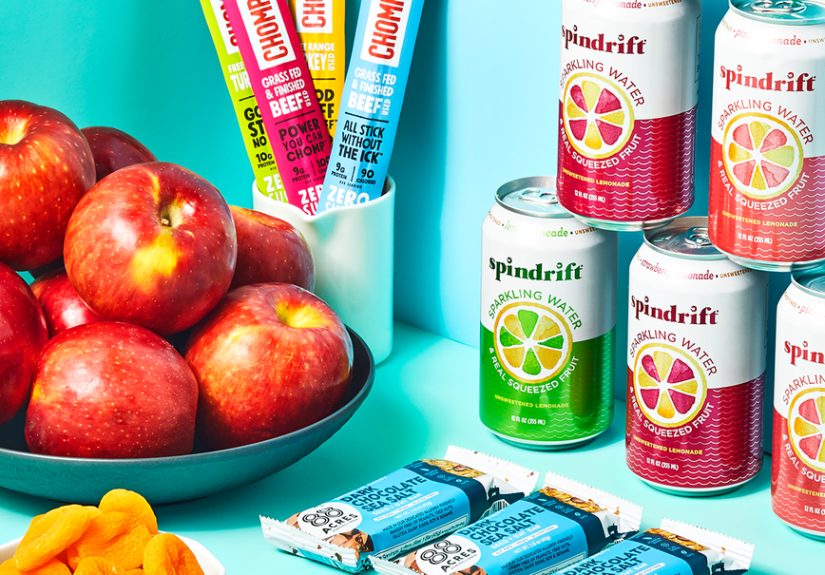
Protein-forward picks are popular for a reason: they’re often the difference between “snack” and “accidental pre-dinner meal.” The 2021 winners included meat sticks that emphasized quality sourcing and lower sodium compared with many similar products.
- Best use: The “I forgot lunch existed” emergency snack.
- Why it works: Protein helps with fullness; pairing it with fiber (fruit, whole grains, veggies) balances the snack.
Better-For-You Bars & Grains
Bars and grain-based snacks can be helpfulif they aren’t just candy bars with a gym membership. The 2021 list included plant-based protein bars, seed bars that avoid major allergens, ancient grain chips, and sprouted oatmeal options.
- Best use: On-the-go mornings, travel days, “my calendar ate my breakfast” situations.
- Why it works: Look for protein + fiber, modest added sugar, and ingredients that feel like foodnot a science fair.
Satisfyingly Sweet Treats & Frozen Finds
Yes, sweet snacks can be part of a healthy pattern. The 2021 winners included cookies sweetened with ingredients like dates, popcorn mini cakes with reasonable sugar, and frozen treats built from plant-based bases with satisfying textures. The goal here wasn’t to ban joy. It was to make joy less likely to spike-and-crash your afternoon.
- Best use: Dessert moments that you want to keep “treat-sized,” not “why did I eat the whole box?”
- Why it works: The best sweet snacks keep added sugars controlled and use ingredients that contribute more than just sweetness.
Brilliant Beverages
The beverage winners included protein shakes, probiotic drinks, and sparkling beverages that keep sugar low. If your “snack” sometimes looks like a drink between Zoom calls, this category is basically your love language.
- Best use: Post-workout, busy afternoons, or whenever chewing feels like too much admin work.
- Why it works: Protein and fiber in beverages can hold you overjust watch added sugars and portion sizes.
How to Shop Like a Snack Awards Judge
The easiest way to use the 2021 Healthy Snack Awards list isn’t to buy every winner (unless your pantry is also your hobby). It’s to adopt the same decision-making framework.
Step 1: Start With the Nutrition Facts Label (Not the Front-of-Bag Poetry)
Marketing terms are unregulated enough to be… creative. The label is where reality lives. Pay attention to: serving size, added sugars, sodium, and fiber.
Step 2: Use “Added Sugar” as Your Shortcut
In the U.S., dietary guidance generally recommends keeping added sugars limited. A snack that stays under that “reasonable” zone is more likely to fit into a day without crowding out nutrients.
Step 3: Build Snacks That Actually Satisfy
A simple formula recommended by many dietitians is pairing a fiber-rich carbohydrate with a lean protein and/or healthy fat. Translation: don’t snack naked.
- Apple + nuts
- Hummus + veggies
- Greek yogurt + berries
- Whole-grain crackers + tuna or nut butter
Step 4: Remember Sodium Is the Sneaky One
Many savory snacks can rack up sodium fast. The awards’ sodium cap is a helpful benchmark, but the bigger goal is keeping your overall day in a healthy rangeespecially if your meals already include packaged foods or restaurant meals.
Why the 2021 Awards Still Matter Today
Even though the list is from 2021, the core ideas are timeless: simple ingredients, balanced macros, and reasonable limits on added sugar and sodium. Snack trends will keep evolving (they always do), but your body will continue to appreciate the classics: fiber, protein, and foods that look like they came from Earth.
The awards are best viewed as a strategy, not just a shopping list. Use them to: identify snack categories you struggle with (sweet cravings, salty crunch, on-the-go breakfast), then stock a few “winner-style” options so your hunger doesn’t end up making decisions on your behalf.
Conclusion: Snack With Intention, Not Panic
The 2021 Good Housekeeping Healthy Snack Awards weren’t about perfection. They were about practical wins: snacks that help you feel good, stay energized, and enjoy what you’re eating. If you take only one lesson from the list, make it this: the best “healthy snack” is the one you’ll actually eatand that supports your day instead of hijacking it.
Pick a few staples, read labels like a boss, and build snacks that feel satisfying. Your future self at 4:07 p.m. will be deeply grateful.
Extra: A 7-Day “Snack Awards” Experience (Try This at Home)
Want the vibe of the Healthy Snack Awards without taste-testing hundreds of options (and without turning your kitchen into a half-eaten granola bar museum)? Try this one-week experiment. It’s not a diet. It’s a snack reality show where you’re the judge, the contestant, and the person who has to clean up the crumbs.
Day 1: The Label-Reading Glow-Up
Walk into a store (or your pantry) and pick three snacks you usually buy. Now read the serving size and added sugars. You’ll probably experience one of two emotions: empowerment (“I knew I was a savvy shopper!”) or betrayal (“How is this tiny bag three servings? Who is eating one-third of a bag? A polite squirrel?”). The point is not to shame yourself; it’s to see where your snack calories and sugars are actually coming from.
Day 2: The Fruit + Protein Experiment
Try a fruit-forward snack (fresh fruit, baked fruit chips, or a whole-fruit gummy style snack) and pair it with protein: nuts, yogurt, or a seed bar. Notice how different it feels compared with fruit alone. Many people report that the pairing makes the snack feel more “complete,” like it has a beginning, middle, and endrather than a quick sugar cameo followed by immediate hunger encore demands.
Day 3: Crunch Without the Chaos
Choose a savory, crunchy snack with legumes or whole grainsthink chickpea chips, veggie crisps, or popcorn with a short ingredient list. Eat it slowly enough to taste it (yes, slowly; I know, bold request). The experience here is realizing that crunch is a sensory craving, not just a hunger signal. When you satisfy the crunch thoughtfully, you’re less likely to keep chasing it with more and more handfuls.
Day 4: The “Creamy Is a Strategy” Day
Build a snack plate around something creamy: hummus, yogurt, or avocado. Add high-volume sides like sliced cucumbers, carrots, bell peppers, or whole-grain crackers. This is the day you learn that “snack” can be a mini-meal in disguiseand that texture matters. Creamy foods tend to slow you down, which is secretly a superpower when you’re snacking while distracted.
Day 5: Sweet Treats, But With Guardrails
Pick a sweet snack that keeps added sugars reasonable and relies on ingredients that pull their weight (dates, nuts, whole grains, cacao). Now do the hardest part: plate it. Not because plating is fancy, but because it creates a natural portion boundary. The experience most people have is surprisingly positive: you get the sweet satisfaction without falling into the “I ate it standing up, so it didn’t count” loophole that somehow always counts.
Day 6: The Beverage Snack Test
Try a protein-forward beverage snack (like a ready-to-drink protein shake or a low-sugar kefir style drink) when you’re busy. Pay attention to timing: does it hold you over for a couple of hours, or do you feel hungry again quickly? The big takeaway tends to be that beverages can be genuinely helpfulespecially when they include protein and aren’t sugar bombs but they’re not automatically filling just because they’re “healthy.”
Day 7: The “Build Your Personal Awards List” Finale
By the end of the week, you’ll know something important: which snack categories you can rely on. Maybe you’re a nuts-and-legumes person. Maybe you’re a fruit + yogurt loyalist. Maybe you just needed a savory crunch that doesn’t leave you feeling thirsty and slightly disappointed. Create your own shortlist of 8–12 snacks that match the awards-style criteria: reasonable calories, modest added sugars, manageable sodium, and ingredients you recognize. That becomes your “panic-proof pantry.”
The best experience-related lesson? Healthy snacking isn’t about finding a single perfect snack. It’s about building a small rotation you actually enjoy, so your future choices are easier. When you like the snack, you stop negotiating with it. And when you stop negotiating, snacking becomes what it was always meant to be: a helpful bridge, not a daily plot twist.