Table of Contents >> Show >> Hide
- Why Argo Is So Quotable
- The 22 Best Quote-Worthy Moments From Argo
- 1) The “this plan is worse than it sounds” gut check
- 2) The “extraction is an emergency procedure” comparison
- 3) The “everyone in this town lies professionally” reality slap
- 4) The “if it’s fake, make it convincing” motto
- 5) The “we need a name people recognize” principle
- 6) The “our odds are basically terrible” deadpan
- 7) The “quiet professionals don’t do applause” line
- 8) The “your job is to be boring” instruction
- 9) The “details beat confidence” warning
- 10) The “don’t improvise in the wrong room” rule
- 11) The “panic is contagious” reminder
- 12) The “you’re selling, not explaining” mindset
- 13) The “bureaucracy will kill you faster than villains” frustration
- 14) The “bad plans multiply when fear is in charge” observation
- 15) The “Hollywood confidence is a weapon” twist
- 16) The “make-believe has real consequences” punch
- 17) The “choose the simplest lie you can defend” rule
- 18) The “small talk can be a trap” warning
- 19) The “the plan works because everyone commits” takeaway
- 20) The “history is messy, but courage is clear” undercurrent
- 21) The “credit and blame don’t always go where they should” note
- 22) The “stress-humor catchphrase” everyone remembers
- What These Lines Teach You (Even If You’re Not Running a Spy Mission)
- of Real-World “Argo Quote” Experiences (Without Pretending I Was There)
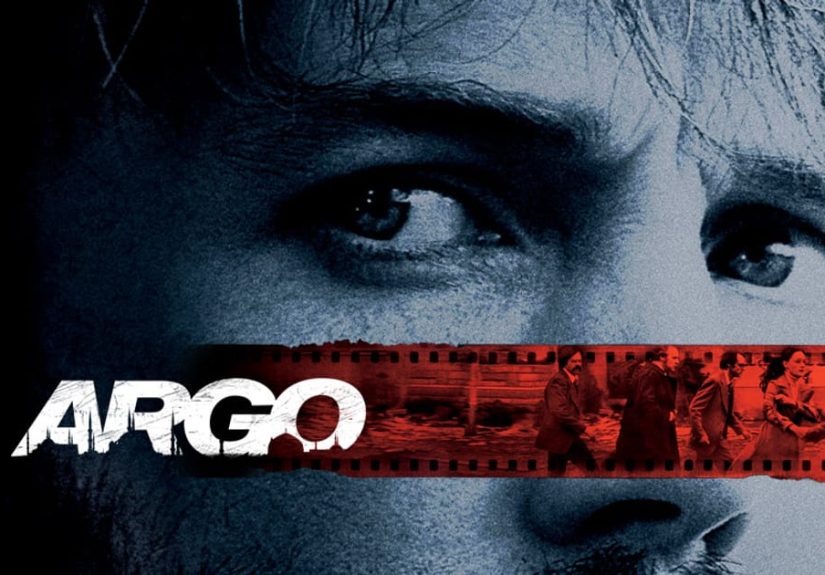
Argo (2012) is one of those movies that somehow pulls off three vibes at once: a white-knuckle political thriller,
a surprisingly funny Hollywood satire, and a history lesson that reminds you real life can be more stressful than fiction.
It’s based on the “Canadian Caper,” a real CIA-and-Canada operation that helped six U.S. diplomats escape Tehran during the Iran hostage crisis
by posing as a film crew scouting locations for a fake sci-fi movie.
And that’s why the script is so quotable: when the stakes are huge, people talk in short, sharp bursts.
They crack jokes to stay sane. They simplify complicated plans into lines you can repeat. In other words:
the dialogue is built for survivaland survival dialogue tends to stick in your brain.
One important note (especially if you’re planning to publish this on the web): movie dialogue is copyrighted, so instead of reproducing the film’s
exact lines, this article shares quote-worthy momentsclear, accurate paraphrases that capture what’s being said,
who says it, and why it matters. You still get the energy, the meaning, and the “I need to text this to my group chat” effectwithout copying
the screenplay word-for-word.
Why Argo Is So Quotable
1) The movie has two worlds that speak totally differently
In Tehran, dialogue is clipped and practical: don’t talk too much, don’t stand out, don’t improvise.
In Hollywood, everyone performseven when they’re ordering lunch. That contrast makes the lines pop.
2) It uses humor as a pressure valve (not as a distraction)
The funniest moments are rarely “jokes.” They’re coping mechanisms. When a plan sounds impossible, somebody has to laugh firstor panic wins.
3) The story is about fabrication… so the lines are about credibility
The central question of Argo isn’t just “Can they escape?” It’s “Can they convince people?”
That makes the dialogue laser-focused on confidence, details, and selling a story under stress.
The 22 Best Quote-Worthy Moments From Argo
1) The “this plan is worse than it sounds” gut check
Paraphrased line: “If we’re doing this, we need to admit the odds are ugly.”
Who/when: Early strategy talks, when the options range from risky to “are you serious?”
Why it sticks: It’s the rare movie moment that treats danger like math. Not dramamath.
Use it: Whenever someone pitches a deadline that violates the laws of time and sleep.
2) The “extraction is an emergency procedure” comparison
Paraphrased line: “You never want to need an extractionbut if you do, you don’t DIY it.”
Who/when: Tony Mendez, explaining what he does.
Why it sticks: It reframes spy work as crisis medicine: unpleasant, necessary, and best left to pros.
Use it: Perfect for anything you didn’t plan for but now must handle correctly (taxes, group projects, emotions).
3) The “everyone in this town lies professionally” reality slap
Paraphrased line: “Hollywood is built on pretendingso let’s use that skill set.”
Who/when: The Hollywood collaborators, sizing up the mission.
Why it sticks: It’s funny, but it’s also true: the industry runs on make-believe with a budget.
Use it: When you need to hype yourself up for a presentation, interview, or any “act confident first” moment.
4) The “if it’s fake, make it convincing” motto
Paraphrased line: “If we’re inventing a movie, it has to look like a hit, not a hobby.”
Who/when: The producer type, talking credibility.
Why it sticks: It’s a branding lesson disguised as spy planning: half-believable is not believable.
Use it: For resumes, portfolios, school applications, and any “don’t half-build the story” situation.
5) The “we need a name people recognize” principle
Paraphrased line: “The cover needs a respected person attachedcredits matter.”
Who/when: Hollywood planning sessions.
Why it sticks: It nails how trust works in the real world: authority is often borrowed.
Use it: When you’re choosing references, collaborators, or even which club sponsor will actually open doors.
6) The “our odds are basically terrible” deadpan
Paraphrased line: “I’ve seen missions with better odds than this.”
Who/when: A veteran voice, reacting to the plan.
Why it sticks: Deadpan despair is still comedyespecially when it’s honest.
Use it: When you’re staring at a pile of homework that looks like it reproduces at night.
7) The “quiet professionals don’t do applause” line
Paraphrased line: “If we wanted claps, we’d join the circus.”
Who/when: CIA culture, explaining why secrecy matters.
Why it sticks: It’s a sharp one-liner that captures a whole workplace ethic: results over recognition.
Use it: When you do the right thing and nobody noticeswelcome to maturity.
8) The “your job is to be boring” instruction
Paraphrased line: “Don’t be interesting. Interesting gets noticed.”
Who/when: Cover training for the diplomats.
Why it sticks: Most movies worship charisma; Argo says charisma is a liability.
Use it: For blending in, traveling, or any environment where attention is the wrong prize.
9) The “details beat confidence” warning
Paraphrased line: “If you don’t know your backstory cold, you’re done.”
Who/when: Rehearsals for their fake identities.
Why it sticks: Because it’s true in life too: confidence cracks when details get tested.
Use it: Interviews, oral exams, auditionsanything where someone can ask “Okay, but why?”
10) The “don’t improvise in the wrong room” rule
Paraphrased line: “Stick to the script. This isn’t the fun kind of improv.”
Who/when: Tony, drilling discipline.
Why it sticks: It’s the difference between a comedy club and a checkpoint.
Use it: When your friend says, “Let’s wing it,” and your soul whispers, “Let’s not.”
11) The “panic is contagious” reminder
Paraphrased line: “If one person melts down, everyone feels it.”
Who/when: Group dynamics under pressure.
Why it sticks: It’s basically a public service announcement for stressful situations.
Use it: Group projects, competitions, family travelany scenario where one freak-out can domino.
12) The “you’re selling, not explaining” mindset
Paraphrased line: “At the checkpoint, you don’t teach. You persuade.”
Who/when: Cover coaching.
Why it sticks: It’s a communications lesson: clarity is good, but credibility is better.
Use it: When you’re defending a decisiondon’t drown people in info; give them a story they can accept.
13) The “bureaucracy will kill you faster than villains” frustration
Paraphrased line: “The scariest obstacle might be paperwork and hesitation.”
Who/when: The mission collides with government process.
Why it sticks: It’s painfully relatable: sometimes the system is the monster.
Use it: Any time a simple solution gets stuck in a committee meeting.
14) The “bad plans multiply when fear is in charge” observation
Paraphrased line: “When people are scared, they pitch desperate ideas.”
Who/when: Early rescue brainstorming.
Why it sticks: It explains a lot about real life tooespecially crisis decision-making.
Use it: When you hear a suggestion that starts with “What if we just…”
15) The “Hollywood confidence is a weapon” twist
Paraphrased line: “Acting sure can carry you through doors logic can’t.”
Who/when: The fake film crew strategy takes shape.
Why it sticks: It’s not saying “lie more”it’s saying “commit to your role.”
Use it: When you need to speak up, introduce yourself, or ask for something you’ve earned.
16) The “make-believe has real consequences” punch
Paraphrased line: “This is pretend… but people can die if it fails.”
Who/when: The mission’s emotional midpoint.
Why it sticks: It’s the core paradox of the film: fake movie, real danger.
Use it: When someone treats a serious responsibility like a game.
17) The “choose the simplest lie you can defend” rule
Paraphrased line: “The best cover story is the one you can repeat without thinking.”
Who/when: Finalizing identities.
Why it sticks: Complexity creates gaps. Gaps create questions. Questions create problems.
Use it: Writing, marketing, storytellingsimple beats clever when pressure is high.
18) The “small talk can be a trap” warning
Paraphrased line: “Casual questions aren’t casual when someone’s testing you.”
Who/when: Checkpoint and street-level tension moments.
Why it sticks: It makes everyday conversation feel like a chess matchbecause sometimes it is.
Use it: For social awareness: not everyone asks questions for friendly reasons.
19) The “the plan works because everyone commits” takeaway
Paraphrased line: “This only succeeds if every person plays their part.”
Who/when: Right before execution.
Why it sticks: It’s teamwork without the motivational poster energy.
Use it: Sports, projects, performancesanything where one weak link becomes everyone’s problem.
20) The “history is messy, but courage is clear” undercurrent
Paraphrased line: “Whatever the politics, people still showed up for each other.”
Who/when: The film’s broader moral framing.
Why it sticks: It’s the closest Argo gets to sentimentalityand it earns it.
Use it: When you want to acknowledge complexity without losing the human point.
21) The “credit and blame don’t always go where they should” note
Paraphrased line: “Sometimes the story that gets told isn’t the full story.”
Who/when: Post-mission perspective.
Why it sticks: Because it’s true of history, group work, and family arguments.
Use it: When you’re tempted to accept the loudest narrative as the real one.
22) The “stress-humor catchphrase” everyone remembers
Paraphrased line: “A crude pun becomes the team’s good-luck charm.”
Who/when: The Hollywood side of the operation, using gallows humor to stay steady.
Why it sticks: It’s juvenile, yesand that’s the point. Under pressure, people reach for simple relief.
Use it: Maybe don’t use this one at school. But do notice the principle: humor can be oxygen.
What These Lines Teach You (Even If You’re Not Running a Spy Mission)
Strip away the disguises and passports, and Argo is basically a movie about communication under pressure:
how to keep a story straight, how to stay calm when you’re scared, and how to make the smallest choices (tone, posture, timing)
carry the biggest weight.
It also shows why “best quotes from Argo” aren’t always the funniest lines.
The most memorable moments are the ones that simplify chaos into something you can hold onto:
a rule, a warning, a mantra, a dare.
of Real-World “Argo Quote” Experiences (Without Pretending I Was There)
If you’ve ever watched Argo with a room full of people, you know the vibe shift it creates.
At first, everyone is quietbecause the opening chaos is loud in the way history can be loud.
Then the Hollywood characters arrive like an emotional release valve. People start laughing, but the laugh is nervous,
like your brain is trying to prove it still has control of something. That’s the first “experience” Argo delivers:
it teaches your body what tension feels like, and then it teaches your body how humor can keep you functional.
Another common experience: you don’t remember every plot beat, but you remember the rules.
“Don’t stand out.” “Know your story.” “Don’t improvise.” Those ideas travel well outside the movie.
Students repeat them before presentations. Travelers feel them in airports. Anyone with social anxiety feels them
when they walk into a room and instantly wonder where to put their hands (answer: somewhere normal, and then stop thinking about your hands).
Argo is basically a masterclass in “how to look normal when you feel anything but.”
And then there’s the way people use Argo lines socially. Some movies give you quotes to sound cool.
Argo gives you quotes to sound done. When someone at work suggests a plan that’s clearly impossible,
you don’t need a speechyou need a short sentence that communicates, “I respect the ambition, but I also respect physics.”
That’s why the film’s quote-worthy moments show up in group chats, meeting rooms, and late-night study sessions.
They’re efficient. They’re sharp. They say what you mean without making you write a paragraph.
One more very real experience: people finish the movie and immediately start debating what’s “true” and what’s “movie.”
That conversation is part of the Argo aftertaste. Viewers go looking for the Canadian role, the CIA role,
and the difference between history and storytelling. In that sense, the film’s most lasting “quote” might not be a line at all,
but a question the movie leaves you with: Who gets to tell the storyand who gets remembered in it?
If a thriller can send you to Google for context (and still entertain you while you’re learning), it’s doing something right.
Note: “Quote-worthy moments” are paraphrases intended for commentary and analysis.