Table of Contents >> Show >> Hide
- Why 1950s Actresses Became Such Lasting Icons
- The 22 Most Famous Actresses of the 1950s
- 1. Marilyn Monroe
- 2. Audrey Hepburn
- 3. Elizabeth Taylor
- 4. Grace Kelly
- 5. Doris Day
- 6. Sophia Loren
- 7. Lucille Ball
- 8. Jayne Mansfield
- 9. Debbie Reynolds
- 10. Judy Garland
- 11. Natalie Wood
- 12. Katharine Hepburn
- 13. Bette Davis
- 14. Ingrid Bergman
- 15. Ava Gardner
- 16. Rita Hayworth
- 17. Lauren Bacall
- 18. Kim Novak
- 19. Jane Russell
- 20. Shirley MacLaine
- 21. Janet Leigh
- 22. Dorothy Dandridge
- How These 1950s Actresses Changed Hollywood
- What It’s Like to Discover These 1950s Actresses Today
- Conclusion
When people talk about the “Golden Age of Hollywood,” chances are they’re picturing the 1950s:
wide CinemaScope screens, lush Technicolor, sweeping melodramas, and glamorous stars whose faces
were as familiar as family. The decade didn’t just give us hit moviesit created icons. These
actresses shaped fashion, defined genres, and set the standard for screen charisma that today’s
celebrities are still trying to match.
This list of the 22 most famous actresses of the 1950s doesn’t try to rank them (that’s how film
fights start), but it does dig into why each woman mattered. From Oscar darlings to comedy queens
and international sirens, these classic Hollywood actresses helped turn the 1950s into one of the
most influential eras in movie history.
Why 1950s Actresses Became Such Lasting Icons
The 1950s were a transitional moment. The old studio system still dominated, but television was
starting to nibble away at film audiences. To keep people in theaters, studios doubled down on
star power: big personalities, big costumes, and even bigger close-ups. Fashion houses and
costume designers built entire identities around leading ladies, while fan magazines treated them
like mythological beings with very good hair.
At the same time, roles for women were slowly evolving. Yes, there were plenty of “perfect
housewife” characters, but the decade also gave us scheming femme fatales, ambitious career
women, complex antiheroines, and comedically chaotic young women. The actresses below didn’t just
look good in evening gownsthey brought nuance, wit, and surprising emotional depth to the
screen.
The 22 Most Famous Actresses of the 1950s
1. Marilyn Monroe
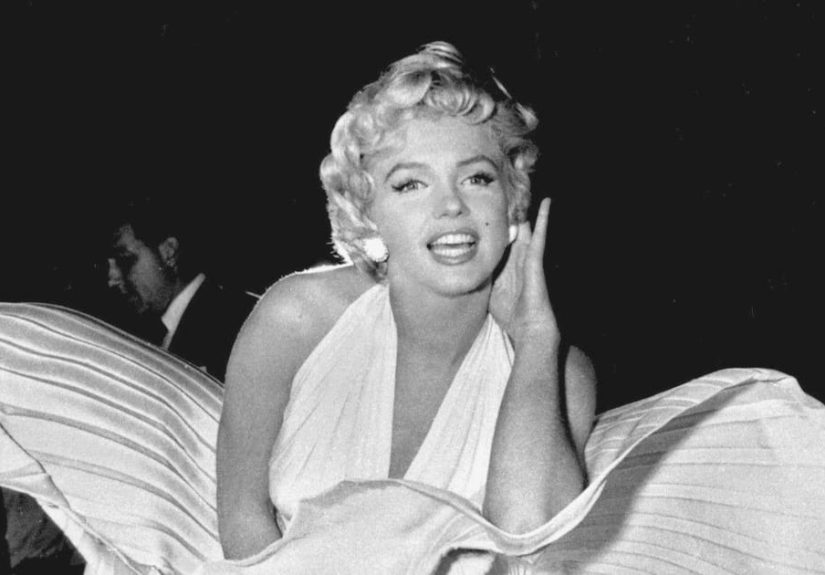
If you had to choose one face to represent 1950s Hollywood, it would probably be Marilyn Monroe.
She went from bit parts to global phenomenon with films like Niagara, Gentlemen
Prefer Blondes, How to Marry a Millionaire, and the decade-capping comedy
masterpiece Some Like It Hot. Frequently marketed as the ultimate “blonde bombshell,”
Monroe was far more than a breathy voice and a white halter dress; she studied acting seriously,
fought for better roles, and became one of the biggest box-office draws of the decade.
2. Audrey Hepburn
Audrey Hepburn brought a different kind of glamour to the 1950sless bombshell, more fairy-tale
waif with razor-sharp intelligence. She won an Oscar for Roman Holiday, then followed it
with elegant turns in Sabrina and Funny Face, carving out a niche as the
charming outsider who transforms without ever losing her integrity. Her ballet-trained posture,
pixie haircut, and Givenchy gowns turned her into a fashion blueprint that still shapes “classic
chic” today.
3. Elizabeth Taylor
Elizabeth Taylor began the 1950s as a former child star and ended it as one of the era’s most
respected actresses. Films like A Place in the Sun, Giant, and
Cat on a Hot Tin Roof showed off her dramatic power and impossible-to-ignore violet eyes.
Taylor balanced glamour with emotional intensity, often playing women torn between desire,
duty, and social expectationvery relatable if you’ve ever tried to choose between two equally
bad life decisions.
4. Grace Kelly
Grace Kelly’s film career was short but dazzling. In just a few years she made a string of
classics, including Rear Window, Dial M for Murder, To Catch a Thief,
and High Society, plus an Oscar-winning turn in The Country Girl. On-screen she
specialized in cool, poised heroines whose calm surfaces hid emotional turbulence. Off-screen she
made perhaps the ultimate “1950s movie star” move: marrying Prince Rainier III and becoming
Princess of Monaco.
5. Doris Day
If the 1950s had a sunshine ambassador, it was Doris Day. Her wholesome image and clear, warm
singing voice made her a natural in musicals like Calamity Jane and romantic comedies
such as Pillow Talk (which arrived right at the decade’s edge). She represented an ideal
of optimistic, capable American womanhoodsomeone who could belt out a tune, run a household, and
deliver a perfect one-liner without smudging her lipstick.
6. Sophia Loren
While Hollywood was busy manufacturing glamour, Italy casually sent over Sophia Loren, who seemed
to generate it naturally. Loren’s 1950s career was rooted in Italian cinema, but her magnetism in
films like Pane, Amore e… quickly drew the attention of American audiences. By the end of
the decade she was working with major U.S. stars and studios, bringing a sensual, earthy presence
that contrasted beautifully with Hollywood’s more polished types.
7. Lucille Ball
You can’t talk about famous 1950s actresses without mentioning television, and that means Lucille
Ball. As the star and producer of I Love Lucy, she became one of the most recognizable
faces in America. Her physical comedy, explosive facial expressions, and fearless willingness to
look ridiculous made her a legend. Behind the scenes she was a savvy businesswoman, co-founding
Desilu Productions and helping shape the future of TV.
8. Jayne Mansfield
Jayne Mansfield fully leaned into the era’s fascination with the blonde bombshell, but with a
wink. In films like The Girl Can’t Help It, she spoofed her own sex-symbol persona,
playing characters who were both exaggerated and oddly self-aware. Mansfield’s publicity stunts,
hourglass figure, and comedic timing made her a tabloid favorite and a pop-culture icon of the
late 1950s.
9. Debbie Reynolds
Debbie Reynolds danced her way into history with Singin’ in the Rain, where she held her
own opposite Gene Kelly as a plucky, talented chorus girl turned star. Throughout the 1950s she
specialized in energetic, lovable young women in musicals and romantic comedies. Reynolds’
combination of stamina, charm, and vulnerability made her an instant favorite with audiences and
a frequent presence on movie musical soundtracks.
10. Judy Garland
Judy Garland is often associated with the 1930s and 1940s, but she delivered one of her greatest
performances in the 1950s with A Star Is Born. The film showcased her astonishing vocal
range and her ability to channel heartbreak, ambition, and resiliencesometimes all in a single
song. Garland’s off-screen struggles with the studio system and health issues made her story
bittersweet, but her 1950s work remains breathtaking.
11. Natalie Wood
Natalie Wood transitioned from child star to serious actress during the 1950s. Her role opposite
James Dean in Rebel Without a Cause captured teen angst so vividly that she earned an
Oscar nomination while still a teenager herself. Wood brought a mix of fragility and determination
to her roles, foreshadowing the complex characters she’d continue to play in the 1960s.
12. Katharine Hepburn
By the 1950s, Katharine Hepburn was already established, but she continued to deliver standout
performances in films like The African Queen and Pat and Mike. Tall, lean, and
unapologetically independent, Hepburn defied the decade’s more traditional femininity. Her quick
speech and sharp wit helped redefine what a leading lady could be: less damsel in distress, more
equal sparring partner.
13. Bette Davis
Bette Davis spent the 1950s doing what she did beststealing scenes with pure force of personality.
All About Eve, released right at the decade’s start, gave her one of her most famous
roles as Margo Channing, a brilliant, aging star facing down both her fears and a dangerously
ambitious newcomer. Davis’ fearless embrace of unflattering emotions and aging made her stand out
in an era obsessed with youth and perfection.
14. Ingrid Bergman
After a scandal-driven exile from Hollywood, Ingrid Bergman returned triumphantly in the 1950s,
eventually winning another Oscar for Anastasia. Her luminous presence and grounded,
natural acting style had already changed Hollywood in the 1940s, but her 1950s work confirmed her
staying power. Bergman’s characters often embodied moral complexity and emotional honesty, making
her a favorite of both audiences and critics.
15. Ava Gardner
Ava Gardner’s screen persona was pure “don’t say I didn’t warn you.” In films like
The Barefoot Contessa and Mogambo, she combined sultry beauty with a sense of
danger and wounded vulnerability. Gardner’s life off-screenmarriages, affairs, and a reputation
for living boldlyfed into her legend, but it was her intense, smoky-eyed performances that
secured her place among 1950s movie stars.
16. Rita Hayworth
Although her career peaked in the 1940s, Rita Hayworth remained a major presence on 1950s screens.
Her earlier work in films like Gilda continued to define the femme fatale archetype, and
she carried that mystique into the new decade. Even as roles shifted, Hayworth’s fiery dancing,
red hair, and expressive face kept her firmly in the public imagination.
17. Lauren Bacall
Lauren Bacall’s signature lookarched brows, smoky voice, and a gaze that could cut glassdidn’t
soften in the 1950s. She appeared in films like Young Man with a Horn and
Designing Woman, bringing her distinctive blend of intelligence and cool sensuality.
Bacall specialized in characters who could see right through the nonsense around them, which
might explain why she still feels so modern.
18. Kim Novak
Kim Novak became a Hitchcock muse in the late 1950s, most famously in Vertigo, where she
played a womanor possibly two womencaught in a web of obsession and illusion. Her performances
often mixed softness with an underlying melancholy, making her especially effective in romantic
dramas and thrillers. Novak’s look and acting style helped shape the “icy, enigmatic blonde”
archetype for decades.
19. Jane Russell
Jane Russell’s breakout came earlier with The Outlaw, but she dominated 1950s screens in
films such as Gentlemen Prefer Blondes, where she sparred delightfully with Marilyn
Monroe. Russell projected strength, sardonic wit, and a self-aware sexuality that felt less
innocent and more in control than some of her contemporaries. She looked like she could outshoot
you at poker and still make it to a cocktail party on time.
20. Shirley MacLaine
Shirley MacLaine arrived near the decade’s end but made an instant impression with
Some Came Running and other roles. Slightly offbeat and refreshingly down-to-earth, she
often played quirky, vulnerable women who didn’t fit into neat boxes. MacLaine’s presence hinted
at the more experimental, psychologically complex characters that would dominate the 1960s and
1970s.
21. Janet Leigh
Before she became immortalized in the 1960 classic Psycho, Janet Leigh spent the 1950s
building a solid career in films ranging from adventure movies to romances and thrillers. She
brought warmth and intelligence to her roles, whether she was playing the wholesome girl next
door or a woman caught in serious trouble. Her later horror fame only added another layer to a
quietly impressive résumé.
22. Dorothy Dandridge
Dorothy Dandridge made history in 1954 when she became the first Black woman nominated for the
Best Actress Oscar for her performance in Carmen Jones. In a decade that often sidelined
women of color, Dandridge’s talent, charisma, and daring roles were groundbreaking. Her career
was constrained by racism and limited opportunities, but her performance style and trailblazing
status have made her an essential part of any discussion of 1950s actresses.
How These 1950s Actresses Changed Hollywood
Collectively, these women reshaped what a movie star could be. Some, like Marilyn Monroe and
Jayne Mansfield, played into highly stylized imagesand then quietly (or not so quietly) pushed
against them. Others, such as Katharine Hepburn, Bette Davis, and Ingrid Bergman, fought for
better scripts and more challenging roles, proving that audiences would show up for complex,
flawed heroines.
Many of these classic actresses also became fashion touchstones. Audrey Hepburn’s little black
dresses, Grace Kelly’s polished gowns, and Sophia Loren’s curve-hugging silhouettes still turn up
on mood boards and runways. Even Lucille Ball’s polka-dot house dresses and rolled-up sleeves
influenced everyday style, making “TV casual” look chic long before loungewear had a PR team.
Perhaps most importantly, their work expanded the emotional range available to women on-screen.
The 1950s might have sold an image of domestic perfection, but its films quietly told other
storiesabout ambition, frustration, passion, and identity. These actresses brought those stories
to life, giving audiences characters who were more than just accessories to the leading men.
What It’s Like to Discover These 1950s Actresses Today
Watching 1950s films now is a bit like time travel with better snacks. You get the full experience
of vintage fashion and old-school studio gloss, but you also start to notice how surprisingly
modern many of these performances feel. Marilyn Monroe’s comic timing in Some Like It Hot
could hold its own against any current rom-com star. Audrey Hepburn’s awkward but determined
princess in Roman Holiday feels like a prototype for today’s “reluctant royal” stories.
If you marathon these actresses, patterns emerge. You see how Elizabeth Taylor’s characters often
wrestle with desire and respectability, or how Grace Kelly’s seemingly serene heroines are usually
the smartest people in the room. Doris Day’s comedies might be wrapped in pastel sets and
cheerful songs, but they’re full of women negotiating careers, relationships, and expectations in
ways that still resonate.
You also start to appreciate the sheer range of female experiences the 1950s quietly smuggled into
mainstream film. Dorothy Dandridge’s groundbreaking work in Carmen Jones forces you to
confront how race and opportunity shaped Hollywood. Lucille Ball’s behind-the-scenes power at
Desilu reminds you that some of the decade’s biggest creative forces weren’t just in front of the
camera. Natalie Wood’s teen characters capture the turbulence of youth with an honesty that
predates the modern “coming-of-age” label.
For modern viewers, exploring these performances can also be strangely comforting. In a world of
endless streaming options and CGI extravaganzas, there’s something grounding about watching a
single close-up of an actress carrying an entire scene with her eyes. No explosions, no
multiversejust a complicated character, a well-written line, and a perfectly timed pause.
If you’re new to 1950s cinema, a fun way to start is to pick one actress and follow her through a
handful of key films. Do a mini Audrey Hepburn festival, then switch to a weekend of Marilyn
Monroe comedies, followed by a double feature of Elizabeth Taylor dramas. Before long, you’ll
catch yourself recognizing directors, costume designers, and even supporting players. That’s when
you know you’ve officially fallen down the classic Hollywood rabbit holeand honestly, there are
worse places to be.
Conclusion
The 1950s were far from a perfect time, either on-screen or off, but the actresses who defined
the decade left an extraordinary legacy. They navigated studio control, cultural expectations,
typecasting, and gossip with varying degrees of success, yet their performances still feel vivid
and alive. Whether they were dancing through rain-soaked sets, staring down villains in Hitchcock
thrillers, or breaking barriers simply by being allowed to take center stage, these women reshaped
what movie stardom looks like.
Today, when awards shows and red carpets come and go at lightning speed, the continued fascination
with 1950s actresses says something important: charisma, talent, and emotional honesty never go
out of style. That’s why this group of 22 remains essential viewing for anyone who loves film,
fashion, or the enduring magic of classic Hollywood.