Table of Contents >> Show >> Hide
- How We Picked the Best Work Bib Overalls for 2025
- Quick Comparison: The Best Work Overalls of 2025
- The 5 Best Work Overalls of 2025
- 1) Carhartt Loose Fit Firm Duck Bib Overall (Best Classic Work Bib)
- 2) Patagonia Iron Forge Hemp Canvas Bib Work Overalls (Best Premium Upgrade)
- 3) Duluth Trading Fire Hose Bib Overalls (Best for Tool-Heavy Work and Abrasion)
- 4) Dickies Duck Insulated Bib Overalls (Best Budget Winter Bib)
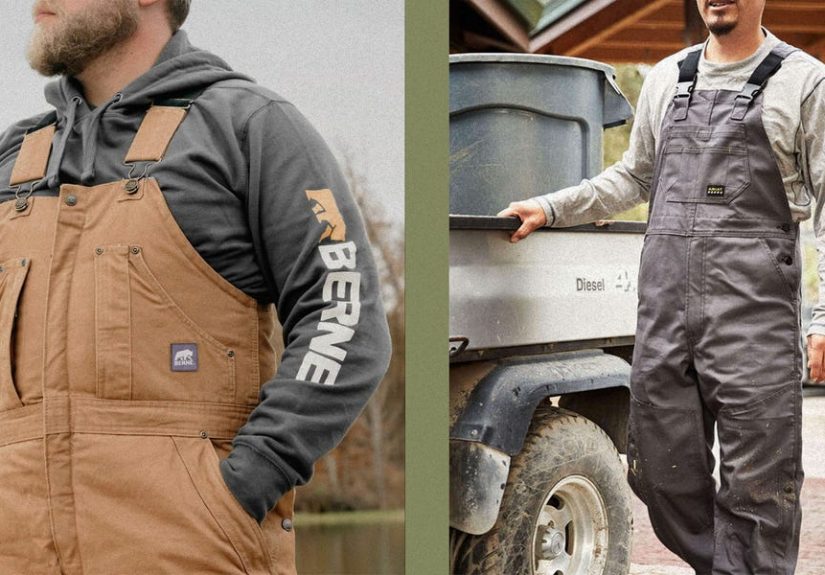
- 5) Berne Heritage Insulated Duck Bib Overall (Best Cold-Weather Value)
- Buying Guide: How to Choose the Best Work Overalls
- FAQ: Work Bib Overalls
- Conclusion: The Best Bib Overalls Are the Ones You Forget You’re Wearing
- of Real-World Experience With Work Bib Overalls
Work bib overalls are the rare piece of clothing that can survive a roof tear-off, a muddy crawlspace,
and that one friend who “just needs help moving” (translation: you’re carrying a refrigerator up stairs).
The best work overalls of 2025 aren’t just toughthey’re smart: better pocket layouts, easier on/off zips,
warmer linings when you need them, and fabrics that don’t quit halfway through your busy season.
In this guide, we’ll break down the 5 best bib overalls you can buy for real workconstruction,
farm chores, shop days, winter jobsites, and weekend projects that somehow turn into full renovations.
We’ll also cover how to choose the right fabric (duck vs. canvas vs. “mystery blend”), how insulated bibs
should fit, and the little design details that separate “love these” from “why is the zipper fighting me?”
How We Picked the Best Work Bib Overalls for 2025
“Best” depends on your work, your climate, and how many times a week you kneel on concrete. To keep this list useful,
we focused on bib overalls that consistently show up in real workwear lineups and have clear specs, proven materials,
and long-running reputations. We weighted choices toward:
- Durability: strong canvas/duck, reinforced seams, hard-wearing knees, and hems that don’t fray fast.
- Mobility: leg room, strap comfort, and fabric that moves when you squat, climb, or hop down from a truck bed.
- Function: pocket placement, tool loops, bib storage, and zippers that are easy with gloves.
- Weather readiness: unlined for year-round versatility, insulated options for true cold-work needs.
- Value: not “cheapest,” but “worth what you pay” when you wear them hard.
Quick Comparison: The Best Work Overalls of 2025
| Pick | Best For | Standout Strength | Watch Out For |
|---|---|---|---|
| Carhartt Loose Fit Firm Duck Bib Overall | Classic all-around workwear | Heavy duck + venting leg zips | Stiff at first; “break-in” is real |
| Patagonia Iron Forge Hemp Canvas Bib Work Overalls | Premium comfort + jobsite durability | Hemp canvas blend and thoughtful build | Price; fit feel differs from traditional duck |
| Duluth Trading Fire Hose Bib Overalls (lined/HD options) | Tool-heavy, abrasion-prone work | Work-focused pockets and tough fabric claims | Fit and strap feel can be polarizing |
| Dickies Duck Insulated Bib Overalls | Budget-friendly winter warmth | DWR finish + double-knee reinforcement | Insulation expectations vary by climate |
| Berne Heritage Insulated Duck Bib Overall | Cold-weather work at a fair price | Warmth-focused design and storage | Check zipper quality and sizing carefully |
The 5 Best Work Overalls of 2025
1) Carhartt Loose Fit Firm Duck Bib Overall (Best Classic Work Bib)
If you picture “work bib overalls” and your brain instantly shows you a heavyweight duck bib with scuffs, paint flecks,
and a pencil that has permanently moved into the chest pocket… you’re thinking in Carhartt.
The Loose Fit Firm Duck Bib Overall is built from Carhartt’s rugged duck canvas and designed for
the kind of daily wear that doesn’t involve sitting down much. Carhartt describes the firm-hand duck as exceptionally
durable, and the overall is made to handle wind and light rain while staying breathable enough for real movement.
One design detail we love for 2025 workwear reality: ankle-to-thigh leg zips that can vent heat when you’re moving,
and can also make boots-on/boots-off less of a circus act. This sounds small until you’re wearing bibs
at 6 a.m., in gloves, in a truck cab, wondering why clothing has to be so complicated.
Why it’s a top pick:
- Heavy duck build: ideal for carpentry, masonry, farm work, and anything that chews up fabric.
- Leg zips: ventilation and easier on/off over boots.
- Long-term value: this style has stayed popular for years for a reason.
Trade-offs: Firm duck can feel stiff out of the box. Expect a break-in period, especially if you’re used to stretch work pants.
Pro sizing tip: If you’ll layer hoodies or a work jacket underneath, lean toward the roomier fit. If you hate extra fabric catching on ladders, size for a closer (but still mobile) fit.
2) Patagonia Iron Forge Hemp Canvas Bib Work Overalls (Best Premium Upgrade)
Patagonia’s workwear line has become a favorite among people who want bib overalls that feel more “all-day wearable”
without giving up jobsite toughness. The Iron Forge Hemp Canvas Bib Work Overalls use a
12.9-oz Iron Forge Hemp canvas, and Patagonia states this fabric is 25% more abrasion resistant
than competitors (their claim, but it signals intent: these aren’t fashion overalls).
Here’s the big difference you’ll notice: the fabric feel. Duck is legendary, but it can be stiff and “boardy” until it’s broken in.
Hemp canvas tends to soften differently over time, which can make these bibs feel more comfortable for long shiftsespecially
if your workday includes both physical labor and “surprise meetings” where you’re still wearing your bibs.
Why it’s a top pick:
- Work-focused hemp canvas: durable, with a comfort-forward feel over time.
- Great for movement-heavy jobs: trail work, landscaping, shop work, and anyone constantly bending and squatting.
- Length options: Patagonia offers multiple inseam/length choices for better fit flexibility.
Trade-offs: Higher price than classic duck bibs. Also, the fit/hand-feel is differenttry them on if you can, especially if you’re picky about bib rise and leg shape.
Who should buy these: Anyone who wears bib overalls as true daily workwear and wants a premium blend of durability, comfort, and modern patterning.
3) Duluth Trading Fire Hose Bib Overalls (Best for Tool-Heavy Work and Abrasion)
Duluth Trading has built a reputation around workwear that’s practical, pocket-forward, and designed by people who
clearly understand that tools multiply when you’re not looking. Their Fire Hose bib overalls come in several
versions (including lined and HD variants), and Duluth highlights abrasion-focused performanceone listing claims
a fabric that withstands abrasion significantly better than traditional cotton canvas (their claim, but aligned with their brand’s niche).
The reason Duluth earns a 2025 spot is simple: function. If you’re the person who carries fasteners,
a tape, a marker, a knife, a phone, and somehow a snack… bib storage matters. Duluth’s bib styles are built around
practical pockets and workday convenience. And if you’re outdoors in real winter, the lined options are made for
long hours when “just keep moving” stops being a valid heating strategy.
Why it’s a top pick:
- Utility-first design: great for carpenters, mechanics, ranch work, and DIYers who carry the hardware store with them.
- Cold-ready variants: lined options exist for winter workdays.
- Workwear brand focus: Duluth is consistently “about the job,” not just the look.
Trade-offs: Fit and strap feel can be divisive. Some wearers love the flex; others find straps need adjusting more often.
Best use case: If your knees hit the ground a lot and your pockets are always full, this is the “built for the chaos” bib category.
4) Dickies Duck Insulated Bib Overalls (Best Budget Winter Bib)
Dickies has long been a go-to for affordable, legit workwear, and their Duck Insulated Bib Overalls are popular
because they bring key winter features without the premium price jump. Dickies notes a
Durable Water Repellent (DWR) finish and highlights practical details like double-knee reinforcement
plus a zip-to-waist design for easier on/off.
If you’ve ever tried to peel off cold-weather bibs during a quick break, you know why a zip-to-waist design matters.
It’s the difference between “back to work in 30 seconds” and “why is this outfit suddenly an escape room?”
Why it’s a top pick:
- Solid winter feature set for the price: DWR finish, insulation, and reinforced knees.
- Good for occasional cold snaps: perfect if you don’t need arctic-grade gear every day.
- Easy layering: insulated bibs work best with smart layers, and these are straightforward to style over thermals.
Trade-offs: Warmth expectations vary by person and region. If you work outdoors all day in deep cold, you may want a warmer, heavier-insulated option.
Fit note: Insulated bibs should feel roomy enough for movement and base layers, but not so baggy that you snag on everything in the shop.
5) Berne Heritage Insulated Duck Bib Overall (Best Cold-Weather Value)
Berne is one of those workwear brands that quietly shows up everywhere winter is serious and work still has to happen.
The Heritage Insulated Duck Bib Overall is positioned as a warm, rugged option with features like a
water-repellent finish and reinforcement where it counts. Retailer summaries and listings also emphasize
storage (multiple pockets), reinforced knees, and strong seam constructionexactly what you want when your day includes
wind, cold metal, and tasks that don’t care about your comfort.
Berne often competes as a value alternative to bigger-name duck bibs, and it’s a compelling play if you’re buying for
a whole season of winter work. That said, as with many insulated bibs, pay attention to zipper smoothness and sizing.
Some customer feedback points to zipper snags on certain versions, so it’s worth checking reviews and return policies.
Why it’s a top pick:
- Warmth-first design: built for cold, damp days and long hours outside.
- Work-ready storage: pockets and utility details designed for real tasks.
- Strong value: a serious insulated bib without always hitting premium pricing.
Trade-offs: Always double-check sizing charts, and don’t ignore zipper feedback if you’ll be in and out of them daily.
Buying Guide: How to Choose the Best Work Overalls
Pick the Right Fabric: Duck vs. Canvas vs. Hemp Canvas
Duck (cotton duck) is the classic: stiff at first, durable, and great for rough environments.
It’s a favorite for construction, welding-adjacent work (watch sparks), and farm chores.
Canvas blends can add comfort or stretch, sometimes at the cost of that “absolute tank” feel.
Hemp canvas blends (like Patagonia’s) aim to balance abrasion resistance with a more wearable hand-feel.
Unlined vs. Insulated Bib Overalls
Unlined bib overalls are the most versatileyou can wear them in spring and fall, add layers in winter,
and not overheat the second you step indoors. Insulated bibs are best when cold exposure is constant:
early-morning outdoor work, winter maintenance, snow removal, or jobsites where “standing still” happens. Dickies and Berne
both emphasize weather-oriented features like DWR and warmth-focused builds.
Look for Knee and Hem Reinforcement
The two places bib overalls tend to fail first: knees and hems. If you kneel often, prioritize reinforced/double-knee designs.
If you drag hems under boots, look for tougher hem material and consider a slightly shorter inseam to reduce wear.
Retailer feedback often calls out reinforced knees as a real comfort/durability win.
Zippers, Hardware, and “Can I Use This With Gloves?”
Workwear hardware should be boringin the best way. Smooth zippers, strong snaps, and buckles that don’t loosen mid-day
can make bib overalls feel effortless. Features like zip-to-waist entries (Dickies) and long leg zips (Carhartt) are
practical if you’re layering or wearing boots.
Pockets: Where You Store the Stuff You Swore You Wouldn’t Carry
The bib pocket is the heart of the whole operation. If your phone lives there, look for secure closure options.
Carhartt’s Rigby bib design highlights multi-compartment storage and knee pad openings, which is exactly the kind of
“work first” thinking you want.
FAQ: Work Bib Overalls
Are bib overalls better than work pants?
For many jobs, yes. Bibs spread weight across your shoulders (less waistband pressure), protect your torso, and give you
chest-level storage that doesn’t dump everything when you sit down. For hot climates or jobs that require lighter gear,
work pants can be better.
What’s the difference between bib overalls and coveralls?
Bib overalls are pants with a bib and straps (usually worn over a shirt or hoodie). Coveralls are one-piece garments
that cover your arms and torso too. If you need full coverage (paint, grime, certain shop environments), coveralls win.
If you want flexibility and easier layering, bib overalls win.
How should insulated bib overalls fit?
You want enough room for base layers and movement, especially in the hips and thighs, without extra fabric flapping
everywhere. A good test: squat, climb a step, and bend to tie your boots. If you feel restricted, size up or choose a
cut designed for mobility.
Conclusion: The Best Bib Overalls Are the Ones You Forget You’re Wearing
The best work overalls of 2025 share one goal: make your day easier. If you want a classic, heavy-duty bib that’s earned its place,
Carhartt’s Firm Duck bib is the benchmark. If you want premium comfort with serious durability, Patagonia’s Iron Forge
hemp canvas bibs are a standout. For pocket-and-tool people, Duluth’s Fire Hose bib options lean hard into function.
And if winter is your main enemy, Dickies and Berne offer insulated bib overalls that bring real features without making your wallet cry.
Final tip: buy for your actual workday. The “best” bib is the one that fits your movement, your layers, and your climate
not the one that looks coolest leaning against a truck in an ad.
of Real-World Experience With Work Bib Overalls
Ask anyone who wears bib overalls for work and you’ll hear the same truth: the first week is a learning curve, and after that
you’ll wonder why you ever fought with belts in the first place. The bib pocket becomes your command center. Your phone goes there.
A pencil mysteriously appears there. A small screwdriver teleports there. Somewhere around day three, you’ll catch yourself patting
the bib to check you didn’t forget the one thing you absolutely need. (You did. It’s on the workbench. It’s always on the workbench.)
The next “experience upgrade” is discovering that not all bib straps are created equal. Some straps feel like they were designed
by someone who has never lifted a sheet of plywood. Others sit comfortably, flex when you reach, and don’t loosen every time you
take a big step. If you’re constantly adjusting straps, it’s not just annoyingit breaks your workflow. The best bibs let you move,
climb, crouch, and stretch without making you think about the gear.
Winter adds a whole separate layer of reality. Insulated bib overalls can feel like a portable shelter when you’re outside early
and the wind is doing its best to personally offend you. The best days are when you’re warm enough to work, but not so roasted that
you’re sweating the second you step indoors. That’s why fit and layering matter: thermal base layers plus insulated bibs can be perfect,
while cotton sweatpants under tight bibs can turn into a mobility tax. And zippers matter more than you’d thinkif you’ve ever tried
to get in and out of bulky bibs quickly, you know why long leg zips and zip-to-waist entries are the unsung heroes of winter workwear.
In warm weather, unlined bibs shine. They protect you from scrapes, dust, and grime, and they keep tools closewithout forcing you
into a one-piece coverall situation. They’re also great for jobs that involve kneeling or crawling because the bib design keeps your
lower back covered. No more surprise “cold air gap” every time you bend over. It’s a small comfort that becomes a big one by mid-day.
The most telling real-world experience, though, is how your bibs age. Good bib overalls don’t just “wear out”they tell a story:
rubbed knees from flooring work, paint specks from trim, dust lines from demo days, and that one pocket that permanently smells faintly
like fasteners and determination. If your bibs are still comfortable after repeated washes, still hold their shape, and still have seams
that look ready for another season, that’s the sign you bought the right pair. And if they’re tough enough that you start planning your
next project because your gear is ready… well, congratulations. Your overalls just enabled your lifestyle.