Table of Contents >> Show >> Hide
- What Are the 6 Pillars of Brain Health?
- 1. Ongoing Exercise: Move Your Body to Support Your Brain
- 2. Restorative Sleep: Stop Treating Sleep Like a Negotiation
- 3. Eat Right: Feed the Brain, Not Just the Cravings
- 4. Engage Your Brain: Keep Learning, Not Just Clicking
- 5. Manage Stress: Your Brain Does Not Need Constant Emergency Mode
- 6. Be Social: The Brain Likes People, Even When People Are Exhausting
- Why the Pillars Work Better Together
- Conclusion: Brain Health Is Built in Ordinary Life
- Everyday Experiences With the 6 Pillars of Brain Health
If your brain could send push notifications, it would probably say something like this: “Please stop doomscrolling at midnight and eat a vegetable.” Brain health is not built by one miracle food, one trendy supplement, or one lonely crossword puzzle heroically completed on a Sunday afternoon. It is built by patterns. Daily ones. Boring ones, even. And that is actually great news, because patterns can be changed.
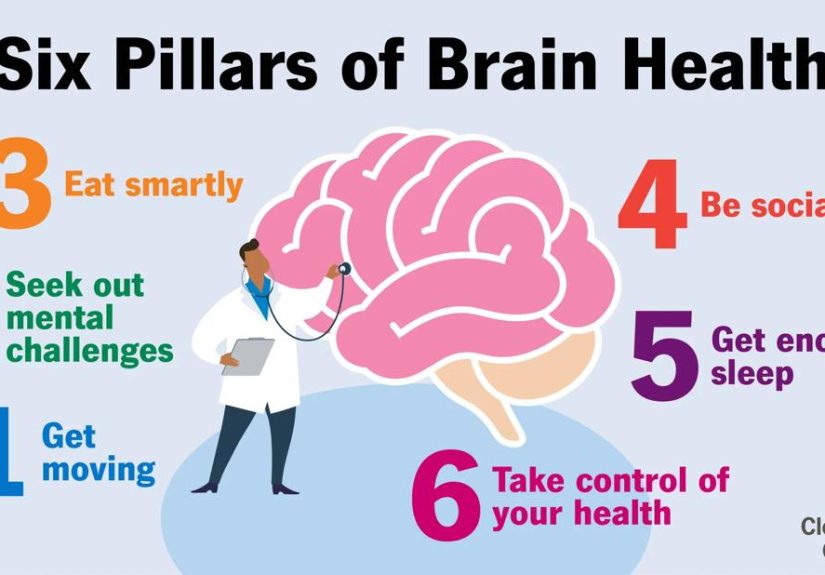
The idea of the 6 pillars of brain health gives people a practical way to think about cognitive health, memory, focus, mood, and healthy aging without turning life into a full-time wellness internship. These pillars are simple: move your body, sleep well, eat smart, challenge your mind, manage stress, and stay socially connected. None of them is glamorous. All of them matter.
Researchers and major health organizations may phrase the list a little differently, but the overlap is striking. A brain-healthy life usually includes regular physical activity, good-quality sleep, a nutritious eating pattern, mentally stimulating activities, stress control, and meaningful social connection. In other words, your brain likes the same things your best doctor, your nosiest aunt, and your smartwatch have been trying to tell you all along.
What Are the 6 Pillars of Brain Health?
The six pillars are a useful framework for protecting and supporting the brain across the lifespan. They do not guarantee perfect memory or make anyone immune to dementia, stroke, depression, or age-related cognitive changes. But they are strongly connected to better brain health, better cognitive function, and lower risk for many problems that can chip away at mental sharpness over time.
Think of them as a team, not six solo acts. Exercise improves sleep. Sleep helps memory. Good nutrition supports energy and vascular health. Social connection reduces stress. Mentally engaging activities often happen with other people. The pillars overlap like a really competent group project, which is refreshing because most group projects do not.
1. Ongoing Exercise: Move Your Body to Support Your Brain
If there is a superstar in the brain-health lineup, it is physical activity. Regular movement supports blood flow, helps manage blood pressure and blood sugar, improves mood, and is associated with better cognitive outcomes over time. That matters because what helps the heart and blood vessels usually helps the brain too.
You do not need to become the kind of person who casually says, “I’m training for something.” Walking counts. Dancing counts. Gardening counts. Bike rides, swimming, strength training, yoga, and active housework all count. The point is consistency. A perfect workout program you never do is far less helpful than a realistic routine you actually keep.
How to make this pillar practical
Aim for regular weekly movement and break up long stretches of sitting. Try a brisk walk after meals, a 10-minute stair loop during the workday, or a standing phone call instead of another chair-based meeting with your laptop and your regrets. The brain seems to appreciate movement that happens often, not just heroic bursts once every other leap year.
Exercise also tends to create a ripple effect. People who move more often sleep better, handle stress more effectively, and feel more capable in general. That is not magic. It is momentum.
2. Restorative Sleep: Stop Treating Sleep Like a Negotiation
Sleep is not “doing nothing.” It is when the brain handles critical maintenance, including memory processing and other functions tied to learning, attention, and emotional balance. When sleep is too short, poor quality, or constantly disrupted, thinking can feel foggier, patience thinner, and memory weaker. In other words, the person who said, “I’ll sleep when I’m dead,” was not exactly writing a love letter to long-term brain health.
For most adults, good sleep means getting enough hours on a regular schedule and protecting sleep quality, not just time in bed while watching crime documentaries with one eye open. Snoring, insomnia, sleep apnea, and frequent nighttime waking should not be brushed off as small annoyances. They are worth discussing with a healthcare professional, especially when memory or concentration is slipping.
How to make this pillar practical
Keep a steady bedtime, dim lights before bed, cut late caffeine, and make your bedroom less like an airport gate and more like a place where actual humans rest. A cool, dark, quiet room still works better than most “sleep hacks” sold on the internet with dramatic fonts and vague promises.
If you want better brain performance tomorrow, one of the least exciting but most powerful moves is this: go to bed on time tonight.
3. Eat Right: Feed the Brain, Not Just the Cravings
A brain-healthy diet is usually not a weird diet. It is a pattern built around vegetables, fruit, whole grains, beans, nuts, fish, olive oil, and other minimally processed foods. Eating patterns such as the Mediterranean diet and the MIND diet are often associated with better cognitive health and slower cognitive decline in research. The common thread is simple: more plants, healthier fats, fewer ultra-processed foods, and less of the sugar-salt-saturated-fat free-for-all that modern convenience eating loves to provide.
That does not mean one salad turns you into a chess prodigy. It means food choices made repeatedly over time can help support blood vessels, reduce inflammation, stabilize energy, and protect the systems your brain depends on. It also means your lunch matters more than your “brain supplement gummies” with a label that looks like it was designed by a marketing committee trapped in a neon cave.
What brain-friendly eating can look like
Start small. Add leafy greens to lunch. Swap chips for nuts a few times a week. Choose berries more often. Eat fish regularly if it works for your diet. Build meals around fiber-rich foods instead of letting every meal become a beige emergency. Progress beats perfection, especially in a culture where the drive-thru is open later than your self-control.
And remember: good nutrition also supports weight, blood sugar, cholesterol, and blood pressure. Those are not side notes. They are part of the brain story.
4. Engage Your Brain: Keep Learning, Not Just Clicking
The brain benefits from challenge, novelty, and practice. That does not mean you need to spend your evenings doing advanced calculus for fun unless that is your idea of fun, in which case you are living a very specific life. It means the brain likes meaningful mental work: learning a language, taking a class, trying digital photography, playing music, doing strategy games, reading deeply, writing, building things, teaching others, or picking up a skill that feels just a little outside your comfort zone.
The key word here is meaningful. Research has been more promising for real learning and cognitively demanding activities than for the broad claims made by many commercial brain-training apps. Translation: your brain may get more from learning guitar chords, quilting, volunteering with kids, or figuring out a new recipe than from tapping glowing shapes on a phone while an app congratulates you like you have just cured physics.
How to make this pillar practical
Choose activities that involve novelty, effort, and enjoyment. The sweet spot is something challenging enough to stretch you but not so miserable that you quit after three days. Read books that make you think. Join a discussion group. Learn basic coding. Try painting. Take dance lessons. Build a raised garden bed. The goal is not to look impressive. The goal is to keep your brain active, adaptable, and engaged.
5. Manage Stress: Your Brain Does Not Need Constant Emergency Mode
Stress is a normal part of life. Chronic stress is a different beast. When stress becomes relentless, it can interfere with sleep, mood, concentration, and memory. It can also nudge people toward other habits that undermine brain health, like inactivity, poor eating, heavy drinking, social withdrawal, and five straight hours of revenge bedtime procrastination.
Stress management for brain health is not about becoming a serene woodland monk. It is about reducing the wear and tear of constant overload. That might include mindfulness, therapy, breathing exercises, journaling, prayer, exercise, time outdoors, better boundaries, or saying “no” without writing a six-paragraph apology.
What effective stress management often looks like
Simple routines work. A short walk before work. Ten minutes of quiet breathing. A phone-free lunch break. A therapy appointment you keep instead of rescheduling into eternity. Less multitasking. More recovery. The best stress tools are often the ones that are repeatable on ordinary Tuesdays, not the ones that require a mountain retreat and artisanal tea.
Managing stress also supports the other pillars. Sleep improves. Social patience improves. Food choices get less chaotic. Motivation comes back online. The whole system runs better when your nervous system is not acting like every email is a tiger.
6. Be Social: The Brain Likes People, Even When People Are Exhausting
Social connection is one of the most underrated pillars of brain health. Meaningful relationships can support mood, reduce loneliness, challenge the brain in real time, and help protect quality of life as people age. Conversation, cooperation, empathy, memory, attention, and emotional regulation all show up when we connect with others. A lunch with a friend can be more cognitively rich than it looks on paper.
This does not mean you need a giant social calendar or a personality transplant. It means staying connected in ways that feel real and sustainable. Call someone. Join a walking group. Volunteer. Attend a class. Go to book club. Check in on a neighbor. Invite a friend for coffee instead of sending the classic “We should catch up sometime” text that goes nowhere and quietly expires in the message thread cemetery.
How to make this pillar practical
Protect recurring connection. Weekly family dinner. Monthly game night. A standing walking date. A volunteer shift. A choir rehearsal. A community class. Social connection works best when it is built into life instead of treated like a random bonus that appears only when everyone’s calendar aligns under a full moon.
Why the Pillars Work Better Together
The six pillars are most powerful when they reinforce each other. A person who exercises regularly may sleep better. A person who sleeps better may handle stress more effectively. A person who is less stressed may eat more consistently and stay socially engaged. A person who volunteers may gain both cognitive stimulation and community. The magic, if there is any magic here, is in the overlap.
It is also important to remember that healthy aging involves more than lifestyle alone. Managing high blood pressure, diabetes, hearing problems, depression, and other medical issues is part of protecting the brain. So is avoiding smoking, limiting excess alcohol, and protecting your head from injury. The six pillars are a strong foundation, not a permission slip to ignore the rest of your health.
Conclusion: Brain Health Is Built in Ordinary Life
The best part about the six pillars of brain health is that they are not reserved for biohackers, elite athletes, or people who alphabetize their spice racks for fun. They are ordinary habits with extraordinary upside. Walk more. Sleep better. Eat like your brain is invited to dinner. Learn things. Calm your nervous system. Stay connected.
No single habit will turn you into a memory wizard by next Thursday. But together, these pillars can help support focus, resilience, mood, and cognitive health over time. The brain does not usually ask for perfection. It asks for support, repeated often enough to matter.
Everyday Experiences With the 6 Pillars of Brain Health
In real life, the six pillars rarely appear as a perfect checklist. They show up in ordinary moments. A 42-year-old office manager starts walking for 20 minutes after lunch because afternoons feel mentally sluggish. Two months later, she notices she is less foggy in meetings, sleeps more deeply, and no longer needs three coffees to behave like a functioning citizen. She did not “optimize her neurobiology.” She took a walk and kept taking it.
A retired teacher joins a community watercolor class after realizing he spends too much time alone with television reruns and snack bowls that keep mysteriously refilling themselves. The class gives him structure, new skills, and conversation. He has to remember techniques, make decisions, laugh at his crooked trees, and talk to people again. That is cognitive engagement, social connection, and stress relief all rolled into one paint-splattered Tuesday.
A caregiver in her 50s begins treating sleep like a health priority instead of a luxury item she can maybe afford someday. She sets a regular bedtime, keeps her phone out of the bedroom, and finally talks to her doctor about loud snoring and constant fatigue. Once her sleep improves, everything else gets easier. Her mood steadies. She eats more regular meals. She has more patience. Her memory feels less like a browser with 47 tabs open and one of them playing music she cannot find.
A college student notices that nonstop stress makes him scroll instead of study, skip meals, and isolate when things get hard. He starts small: five minutes of breathing before bed, one real meal a day with vegetables, and a standing basketball game on weekends with friends. None of those habits is dramatic. Together, they pull him out of survival mode and help him think more clearly.
An older couple begins making “brain-health dinners” without being annoying about it. They cook salmon more often, add beans and leafy greens to meals, keep berries in the freezer, and swap some ultra-processed snacks for nuts and fruit. They also start inviting neighbors over once a month. The result is not a perfect diet. It is a more supportive environment, and that matters. Brain health is easier to protect when your habits live in your home and your relationships, not just in your intentions.
That is what makes the six pillars so useful. They are not abstract wellness slogans. They are lived experiences. A walk after dinner. A better bedtime. A cooking habit. A class. A friend. A quieter nervous system. Over time, these choices create a life that is more mentally resilient and more enjoyable. And honestly, that may be the most underrated part of brain health: it is not just about adding years to life. It is also about adding more life to the years you already have.