Table of Contents >> Show >> Hide
- Why Bed Bug Mattress Covers Matter
- What to Look For in a Bed Bug Mattress Encasement
- The 7 Best Bed Bug Mattress Covers
- 1. Utopia Bedding Zippered Mattress Encasement – Best Budget-Friendly All-Rounder
- 2. Linenspa Zippered Mattress Encasement – Best for Simple Full Coverage
- 3. Bear Mattress Encasement – Best for Durability and Overall Protection
- 4. CleanRest Pro Mattress Encasement – Best for Hotel-Grade Protection
- 5. SureGuard Mattress Encasement – Best for Multi-Layer Protection
- 6. AllerEase Maximum Protection Encasement – Best for Allergy and Bed Bug Combo
- 7. Guardmax or Similar Heavy-Duty Zippered Encasement – Best for High-Risk Situations
- How to Use a Bed Bug Mattress Cover Correctly
- Real-Life Experiences & Pro Tips for Using Bed Bug Mattress Covers
- Conclusion
If you’ve ever whispered “don’t let the bed bugs bite” and actually meant it, this guide is for you. Bed bug infestations are stressful, expensive, and honestly a little nightmare-inducing. The good news? A properly designed bed bug mattress cover can turn your bed from “all-you-can-eat buffet” into “sorry, we’re closed.”
In this in-depth guide, we’ll walk through what makes a mattress encasement truly bed bug proof, how to choose the right one for your situation, and the seven best bed bug mattress covers to consider. We’ll also share real-world tips and experiences at the end, so you can protect both your sleep and your sanity.
Why Bed Bug Mattress Covers Matter
Bed bugs love the seams, tufts, and hidden folds of your mattress and box spring. Once they move in, getting them out usually requires professional treatment, time, and money. Mattress encasements help in two major ways:
- They trap any bugs already living inside. A full, zippered encasement seals the mattress so bugs can’t escape to bite you. Over time, they die off because they can’t reach a blood meal.
- They remove hiding spots and make monitoring easier. With a smooth, light-colored encasement, new activity is easier to spot. No more guessing if that little dark speck is lint or trouble.
Public health agencies and pest management professionals consistently recommend mattress encasements as part of an integrated bed bug control plan, not as a standalone cure. Think of the encasement as armor; you still may need other tools, but your mattress becomes a lot safer.
What to Look For in a Bed Bug Mattress Encasement
Not every “mattress protector” is designed for bed bugs. Many basic protectors only cover the top and maybe the sides, which leaves plenty of escape routes. When you’re shopping specifically for bed bugs, look for these key features:
1. Full Six-Sided Encasement
The cover should completely wrap the mattresstop, bottom, and all sideswith a continuous zipper. Fitted-sheet-style protectors are great for spills, but they’re not enough for bed bugs.
2. Bed Bug–Proof Zipper and Sealed End
Bed bugs are tiny escape artists. Look for a zipper with very small teeth and a tight closure system so there’s no gap at the end. Many high-quality covers use extra fabric flaps, zipper locks, or patented seals to block the zipper end and prevent bugs from sneaking in or out.
3. Tightly Woven, Non-Stretch Fabric
The fabric should be dense enough that bed bugs and their eggs can’t pass through it. Many covers combine a tightly woven knit or microfiber surface with a thin membrane backing that is both waterproof and impenetrable to insects.
4. Waterproof and Stain Resistant
While the main mission is pest protection, a good encasement should also guard against spills, sweat, and accidents. Waterproof or highly water-resistant construction helps extend the life of your mattress and keeps odors and stains from seeping in.
5. Breathability and Noise Level
No one wants to sleep on something that sounds like a potato chip bag. Better encasements balance protection with softness, breathability, and a relatively quiet feel so you don’t trade bed bugs for sweaty, crinkly nights.
6. Depth and Size Fit
Make sure the encasement is designed for your bed size and depth. Deep-pocket options fit modern, taller mattresses; others are tailored to slimmer profiles. A too-small encasement is almost impossible to zip without tearing, and a too-loose one can bunch up and be uncomfortable.
7. Certifications and Safety
Look for independent testing or certifications, such as standards for fabric safety (like OEKO-TEX) or specific lab testing for bed bug penetration. These details suggest the cover has been tested beyond marketing promises.
The 7 Best Bed Bug Mattress Covers
Below are seven standout bed bug mattress encasements that are widely available in the U.S. market. Exact models change over time, but these represent the key features and benefits you should look for.
1. Utopia Bedding Zippered Mattress Encasement – Best Budget-Friendly All-Rounder
Best for: Shoppers who want strong protection on a tight budget.
This popular encasement offers full six-sided coverage with a wraparound zipper and a waterproof barrier. It’s designed to block bed bugs, dust mites, and liquids while staying relatively quiet and breathable. Many testers praise it for being surprisingly comfortable for the price and for holding up well after repeated washes.
Pros: Affordable, easy to install, machine-washable, good all-round protection.
Cons: Fabric feels more utilitarian than luxurious; may not be as durable as premium hotel-grade options over many years.
2. Linenspa Zippered Mattress Encasement – Best for Simple Full Coverage
Best for: Basic, reliable bed bug protection without extra bells and whistles.
The Linenspa encasement is frequently recommended for its fully zippered design and straightforward six-sided coverage. It’s thin enough to use under a separate plush mattress pad while still providing a bed bug barrier. For many households, it hits the sweet spot between cost and performance.
Pros: Full encasement, good value, easy to layer under other bedding.
Cons: Some versions fit only up to a certain mattress depth, so double-check sizing; the feel is more functional than luxe.
3. Bear Mattress Encasement – Best for Durability and Overall Protection
Best for: People who want a long-lasting, heavy-duty encasement.
Sleep experts often point to the Bear encasement as a strong choice when you want full protection plus durability. It uses six-sided coverage with a wraparound zipper and a waterproof barrier to block spills, sweat, and other liquids as well as bed bugs, dust mites, and general grime. It’s a smart pick if you’re protecting a high-quality mattress you want to keep for many years.
Pros: Durable construction, full coverage, strong liquid protection.
Cons: Typically pricier than basic covers; may feel slightly warmer than ultra-light protectors.
4. CleanRest Pro Mattress Encasement – Best for Hotel-Grade Protection
Best for: People who want the kind of protection hotels and facilities use.
CleanRest Pro encasements are marketed as offering 100% bed bug blocking and anti-allergen protection. Their designs focus on heavy-duty, tightly woven fabrics, secure seams, and advanced zipper systems that make it extremely difficult for bed bugs to pass through. These are often used in hospitality settings where mattresses take a beating and need robust protection.
Pros: Very strong barrier, hotel-grade construction, protects against allergens and liquids as well as bed bugs.
Cons: Higher cost; slightly more “clinical” feel than soft home-only options.
5. SureGuard Mattress Encasement – Best for Multi-Layer Protection
Best for: Families needing waterproofing, allergy protection, and bed bug defense in one product.
SureGuard encasements are promoted as 100% waterproof, bed bug proof, and hypoallergenic. Full six-sided coverage, a secure zipper, and a soft, quiet surface make them appealing for anyone who wants to protect against more than just bugsthink spills, pet accidents, and dust mites as well. They’re popular for kids’ beds and guest rooms, where you want strong protection without sacrificing comfort.
Pros: Multi-purpose protection, generally quiet and comfortable, good for allergy sufferers.
Cons: More expensive than minimalist covers; may feel slightly thicker under very soft sheets.
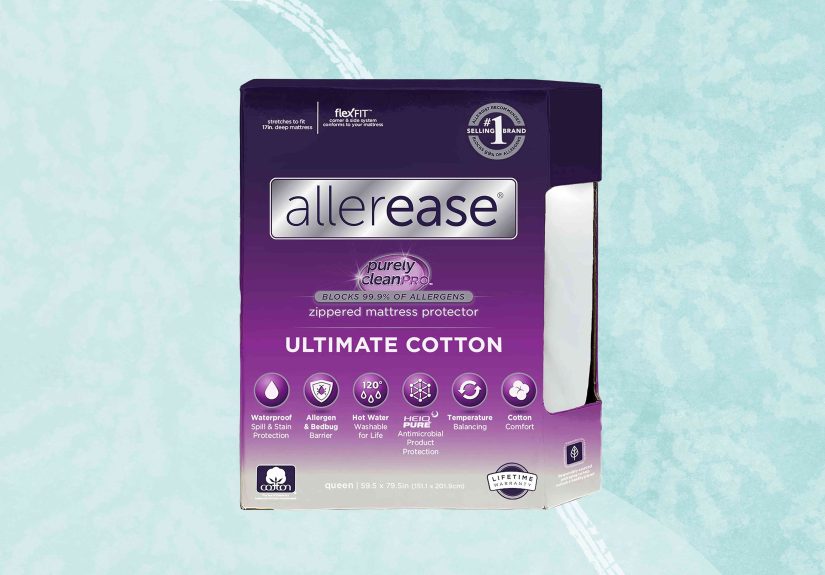
6. AllerEase Maximum Protection Encasement – Best for Allergy and Bed Bug Combo
Best for: Allergy-prone sleepers who also want bed bug defense.
The AllerEase line focuses on blocking household allergens like dust mites and pet dander, and certain models are also designed to block bed bugs. These encasements usually combine a soft knit top with a waterproof backing and a fully zippered design. They’re popular in homes where asthma or allergies are a concern, because they can reduce exposure to multiple triggers at once.
Pros: Allergy- and bed bug–focused design, waterproof, often endorsed by healthcare or hospitality users.
Cons: Not every AllerEase product is bed bug proofbe sure to choose a model that specifically mentions bed bugs and full encasement.
7. Guardmax or Similar Heavy-Duty Zippered Encasement – Best for High-Risk Situations
Best for: Apartments in multi-unit buildings, frequent travelers, or anyone recovering from an infestation.
Heavy-duty encasements like those from Guardmax are built for serious protection, with thick fabrics, secure stitching, and zippers designed to stand up to frequent use. If you live in a building where bed bugs have been an ongoing issue, or you just want extra peace of mind, investing in a more rugged encasement can be worth the upgrade.
Pros: Very sturdy, strong zipper systems, designed specifically around bed bug prevention and containment.
Cons: A bit bulkier and heavier; cost is higher than basic protectors.
How to Use a Bed Bug Mattress Cover Correctly
Even the best encasement won’t help if it’s installed incorrectly or used inconsistently. Here’s how to get the most from your new bed bug mattress cover:
- Inspect and clean first. Vacuum the mattress and box spring thoroughly, paying attention to seams and edges. If you’re actively dealing with bed bugs, follow your pest professional’s instructions before encasing.
- Have a helper if possible. Encasements can be snug and awkward to pull over a large mattress. Two people make the process easier and reduce the risk of tearing.
- Zip slowly and check for snags. Work the zipper all the way around, making sure bedding or mattress corners don’t get caught. Double-check that the zipper is closed fully and any fabric flap or lock is properly secured.
- Leave it onlong term. Don’t remove the encasement after a week “just to see” how things are going. If you were dealing with an active infestation, experts often recommend leaving encasements on for at least a year, because bed bugs can survive many months without feeding.
- Wash according to instructions. Many encasements are machine-washable, but high heat or harsh chemicals can damage waterproof membranes. Follow the care label and inspect for tears after each wash.
- Use it with other tools. Mattress encasements are one part of the plan. Consider bed bug interceptors under bed legs, minimizing clutter, and professional treatment if activity continues.
Real-Life Experiences & Pro Tips for Using Bed Bug Mattress Covers
Bed bug mattress covers are more than just a technical solutionthey change how you feel about your bed after a scare. Here are some experience-based insights and lessons people tend to learn the hard way, so you don’t have to.
1. The peace of mind is real. Many people describe the first night after installing a proper encasement as the first decent sleep they’ve had in weeks. Even if you’re still working with a pest control company, knowing that anything hiding in your mattress is sealed away lowers the “3 a.m. panic scroll” where you google “what do bed bug bites look like?” on repeat.
2. Don’t cheap out on the zipper. In practice, the zipper is where covers succeed or fail. A flimsy zipper that pops open or leaves a gap at the end gives bed bugs exactly the highway they need. People who bought the absolute cheapest options often report tiny openings where the zipper stops, and that’s usually when the worrying starts again. Spending a bit more for a well-engineered zipper system is often the difference between “protected” and “maybe protected.”
3. Install it as early as possible. If you know there’s bed bug activity in your building or you’re returning from a trip where you’re worried you might have brought them home, encasing your mattress early can limit the damage. Once bugs get deep into mattress seams and box springs, things get more complicated. Think of the encasement as an early barrier, not a last resort.
4. Expect a small adjustment period. Even good encasements can feel a little different at first. The fabric might be slightly smoother, or you might notice a subtle sound when you move. Most people adjust after a night or two, especially if they add a regular mattress pad or plush topper over the encasement. If you’re sensitive to texture or sound, choose a cover specifically marketed as “quiet” or “cotton terry top” rather than a plastic-feeling surface.
5. Treat guest beds and sofas, too. One common mistake is focusing only on the main mattress. Bed bugs don’t care whose bed it isthey just follow the humans. If you have a guest room, daybed, or pull-out sofa that gets regular use, encasing those mattresses can help stop bugs from bouncing between sleeping spots. It’s especially helpful in homes where multiple rooms share walls or where guests come and go frequently.
6. Combine encasements with smart habits. Real-world success stories usually involve a combo approach: encasements on mattresses and box springs, interceptors on bed legs, minimizing clutter under the bed, and being careful with secondhand furniture. Many people also report making a simple “bed bug inspection” part of their routine after travelchecking mattress seams in hotel rooms and keeping luggage off the bed.
7. Remember that consistency wins. Encasements only work if they stay intact and zipped. People who unzip them to wash and then forget to re-close them properly, or who ignore a small rip, often end up back at square one. A quick monthly checkzipper closed, no visible tears, corners intactgoes a long way. If you spot damage, replace the encasement rather than hoping for the best.
Ultimately, bed bug mattress covers are about taking control. You don’t have to throw away a mattress at the first sign of trouble. With the right encasement and a thoughtful plan, you can protect your bed, support any professional treatments, and get back to sleeping like a person who’s not sharing their space with unwanted roommates.
Conclusion
Bed bug mattress covers won’t magically solve every infestation, but they are one of the smartest, most cost-effective tools you can use. A good encasement traps bugs already inside your mattress, prevents new ones from settling in, and makes monitoring simpler. When you choose a full six-sided cover with a secure zipper, tightly woven fabric, and the right size for your bed, you’re investing in protection that can last for years.
Whether you pick a budget-friendly favorite or a hotel-grade encasement, the goal is the same: turn your bed back into a place for rest, not stress. Combine your mattress cover with smart prevention steps and, if needed, professional helpand you’ll be telling the bed bugs not to bite with a lot more confidence.