Table of Contents >> Show >> Hide
- What Counts as an Anime About Saving the World?
- S-Tier World-Saving Epics Fans Constantly Rank at the Top
- Dr. Stone – Rebuilding Civilization from Scratch
- The Rising of the Shield Hero – Unlikely Savior of a Hostile World
- Demon Slayer: Kimetsu no Yaiba – Slaying Demons to Protect What’s Left
- Attack on Titan – Humanity vs. Extinction
- Fullmetal Alchemist: Brotherhood – Alchemy, War, and a Nation’s Soul
- Neon Genesis Evangelion & Gurren Lagann – Mecha vs. the End of Everything
- Magical Guardians: Sailor Moon and Beyond
- Beyond the Headliners: Underrated and Genre-Bending World-Savers
- Why Fans Can’t Get Enough of World-Saving Anime
- How to Build Your Own “95+ World-Saving Anime” Watchlist
- What It Feels Like to Live on the Brink of Apocalypse (Fan Experiences)
- Conclusion: Why “Saving the World” Never Gets Old
The end of the world has never looked so good. Whether it’s titans smashing walls, demons chewing through villages, or a mysterious light turning every human into stone, anime is obsessed with the question: what happens when everything is about to end? And, more importantly, who is brave (or unhinged) enough to try to fix it?
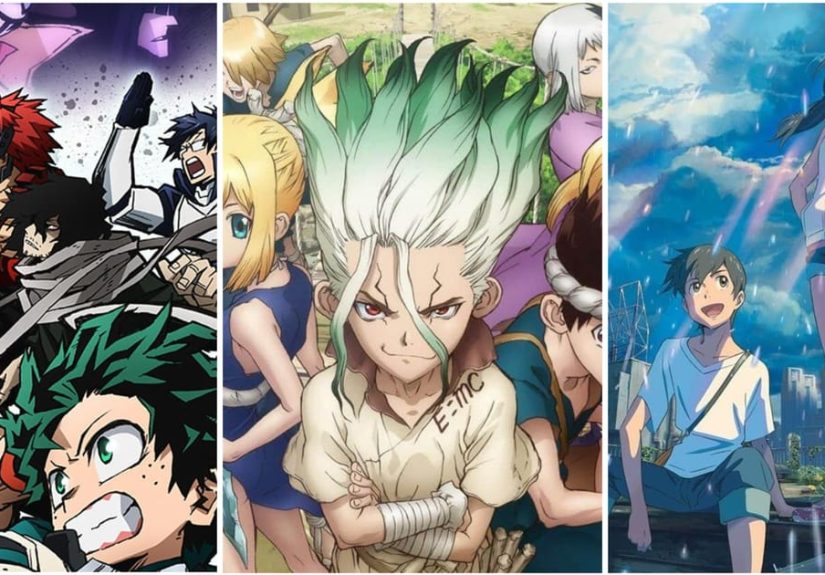
Fan-voted rankings on sites like Ranker, plus critic and audience lists from major outlets, consistently show that more than 95 different anime series and movies revolve around saving humanity from extinction-level threats. Titles like Dr. Stone, The Rising of the Shield Hero, and Demon Slayer dominate fan lists, with classics such as Attack on Titan, Fullmetal Alchemist: Brotherhood, and Neon Genesis Evangelion never far behind.
This guide walks through what makes “save the world” anime so addictive, highlights some of the most beloved examples, and gives you practical tips for building a binge-worthy watchlist that could easily exceed 95 titles. You might not actually prevent the apocalypse, but you’ll at least have a front-row seat.
What Counts as an Anime About Saving the World?
“Saving the world” sounds straightforward until you realize anime is wonderfully weird. On fan lists and ranking sites, the category usually includes any show where:
- The planet (or a whole civilization) faces extinction or catastrophic collapse.
- A small group of heroes stands between humanity and annihilation.
- The story’s main conflict is global, not just personal or local.
That means very different series all qualify:
- Apocalypse prevention: Stop the meteor, demon king, eldritch god, or cosmic horror before the countdown hits zero.
- Post-apocalyptic survival: The world already ended; now the cast is trying to rebuild or prevent a second disaster.
- Magical guardian stories: Magical girls or superpowered teens quietly protecting Earth from threats most people never notice.
- Isekai crises: The hero gets transported to another world… which is also about to be destroyed, obviously.
The common thread is scale. The stakes aren’t just about winning a tournament or confessing to a crushthey’re about whether anything will still exist when the credits roll.
S-Tier World-Saving Epics Fans Constantly Rank at the Top
If you look at fan-voted lists focused on “saving the world,” a handful of titles almost always float near the top. These shows mix strong characters, memorable villains, and escalating stakes in ways that keep people voting them up year after year.
Dr. Stone – Rebuilding Civilization from Scratch
On many fan lists dedicated to world-saving anime, Dr. Stone sits right near the top. Instead of punching the apocalypse in the face, this series solves it with science. After a mysterious light petrifies humanity, genius teen Senku wakes up thousands of years later in a world where nature has reclaimed everything.
The “save the world” mission here is about reviving civilizationreinventing electricity, medicine, and communication while clashing with a rival faction that wants a more “pure” world without adults. Fans love the blend of shonen hype with surprisingly accurate science facts, and the show’s central questioncan knowledge and cooperation rebuild everything we lost?feels uniquely hopeful even with extinction on the table.
The Rising of the Shield Hero – Unlikely Savior of a Hostile World
Isekai anime pops up constantly in ranking lists, and The Rising of the Shield Hero is a frequent headliner. A regular guy is summoned to another world as the “Shield Hero,” the supposedly weakest of four legendary saviors. From the start, he’s framed, betrayed, and publicly shunned, turning his world-saving quest into a story about resilience, trust, and found family.
The “waves” threatening the world are literal disasters: monstrous invasions that grow in intensity. Fans gravitate toward the series because it combines classic isekai power growth with a protagonist who has to rebuild his reputation and sense of purpose while still being responsible for protecting everyone who hates him.
Demon Slayer: Kimetsu no Yaiba – Slaying Demons to Protect What’s Left
If you ask newer anime fans which show made them cry while looking at gorgeous animation frames, Demon Slayer will come up fast. Official rankings and critic lists consistently point to its cinematic visuals and emotional storytelling as reasons it sits near the top of “must-watch” recommendations.
On paper, it’s “just” about demon hunters. In practice, it’s absolutely a world-saving story: the demon king’s influence stretches across the entire country, turning people into monsters and threatening humanity’s future. Tanjiro’s personal goal to cure his sister and avenge his family is deeply tied to ending that wider threat. The scale grows season by season, and by the time you reach the later arcs, the fate of humanity is clearly on the line.
Attack on Titan – Humanity vs. Extinction
Attack on Titan dominates discussions about post-apocalyptic anime, and for good reason. The early premisehumanity huddled behind massive walls, terrified of man-eating titansquickly spirals into a geopolitical, philosophical, and moral nightmare about what it really means to “save” a world that’s already deeply broken.
As the truth about titans and the outside world unfolds, the series flips your understanding of who’s being saved and who’s actually in danger. It asks the uncomfortable question: if saving your people means destroying someone else’s world, are you still a hero? That moral ambiguity is exactly why fans still debate the ending and rank the show highly on lists of the greatest anime of all time.
Fullmetal Alchemist: Brotherhood – Alchemy, War, and a Nation’s Soul
While Fullmetal Alchemist: Brotherhood starts as a story about two brothers trying to fix a personal tragedy, it slowly reveals a conspiracy that endangers an entire nationand beyond. The villain’s plan literally turns a whole country into a sacrifice, making the Elric brothers’ journey a race to stop a carefully orchestrated apocalypse.
Critics and fan polls regularly place this series among the top anime ever made. Its “save the world” angle is rooted in themes of accountability, colonialism, and the cost of power. The heroes don’t just fight a big bad; they confront the sins of their own country and decide how to rebuild a more just world.
Neon Genesis Evangelion & Gurren Lagann – Mecha vs. the End of Everything
Mecha anime practically invented “giant robots vs. the apocalypse.” Neon Genesis Evangelion focuses on depressed teenagers piloting bio-mechs to stop reality-ending “Angels,” while quietly exploring trauma, identity, and the human desire to connect. Gurren Lagann swings the other way: it’s loud, over-the-top, and determined to drill through destiny itself.
Both series show up regularly on lists of the best post-apocalyptic or dystopian anime. Critics highlight how they scale from personal strugglesone pilot’s fear, one village’s survivalto battles where galaxies tremble.
Magical Guardians: Sailor Moon and Beyond
Don’t let the sparkles fool you. Sailor Moon is absolutely about saving the worldmultiple times. Earth, the moon kingdom, alternate timelines, you name it. Magical-girl anime often hides giant cosmic stakes behind transformation sequences and cute side characters.
Modern successors like Puella Magi Madoka Magica take that formula and twist it, showing what happens when the burden of “saving the universe” crushes girls who are still trying to pass exams. These shows prove that world-saving stories don’t have to be grimdark; they can be glittery, tragic, or both at once.
Beyond the Headliners: Underrated and Genre-Bending World-Savers
Once you move past the big names, fan-curated lists reveal dozens of shows that technically “save the world” but in unexpected ways. This is where your watchlist can easily pass 95 titles without feeling repetitive.
Tsuritama – Fishing, Friendship, and an Alien Threat
On the surface, Tsuritama looks like a quirky slice-of-life anime about fishing. Underneath, it’s a story about preventing a global catastrophe caused by an alien presence. Fans often recommend it as a “hidden gem” for people who want something lighter but still love the idea of saving the world.
The main character struggles with severe social anxiety, and the world-saving mission is as much about emotional growth and connection as it is about defeating a threat. It’s proof that the apocalypse doesn’t always have to be grimit can also involve fishing rods and goofy dance moves.
Post-Apocalyptic Slow Burns
Not every world-saving story is a non-stop battle shonen. Some shows focus on the long, messy work of surviving what already happened:
- Nausicaä of the Valley of the Wind – A visionary environmental epic about a toxic world and a princess trying to heal it.
- Trigun – A gunman with a pacifist heart wanders a desert planet, constantly trying to stop conflicts from escalating into mass destruction.
- Chrome Shelled Regios and similar series – Domed cities, monsters, and the constant threat of collapse give even “school life” arcs apocalyptic stakes.
These shows emphasize that saving the world can mean preventing the next catastrophe, not just stopping a single final battle.
Isekai and Fantasy Worlds on the Brink
Modern isekai and fantasy anime often combine game-like mechanics with very real stakes. Lists of the best isekai series frequently highlight shows where the protagonist has to prevent an invasion, repair a broken kingdom, or stop some cosmic reset button from getting pressed.
Even when the tone is comedic, these series tell stories about responsibility: if you’re given power or a second life, what obligations do you have to the world you’ve landed in? The “save the world” theme becomes a built-in morality test for characters who could easily choose to coast instead.
Why Fans Can’t Get Enough of World-Saving Anime
Looking at rankings, comment sections, and fan forums, a few reasons keep popping up for why people love these shows:
- Huge emotional stakes: When the entire world is at risk, even small character decisions feel meaningful.
- Found families and tight-knit teams: From the Scouts in Attack on Titan to the Hashira in Demon Slayer, these shows often center on groups that grow into families under pressure.
- Escapism with catharsis: Real life problems feel tiny next to titans, demon lords, or corrupted gods. Watching heroes overcome impossible odds can be oddly comforting.
- Room for big ideas: Series like Evangelion and Fullmetal Alchemist: Brotherhood use apocalyptic stakes to explore philosophy, ethics, and politics without feeling like a lecture.
At their best, these anime don’t just show explosions and cool power-upsthey ask what’s worth protecting and what we’re willing to sacrifice for it.
How to Build Your Own “95+ World-Saving Anime” Watchlist
Want to assemble your own ranked list, just like the big fan-vote platforms? Here’s a simple approach:
- Start with the consensus heavy hitters. Add shows that almost always appear on fan and critic lists: Dr. Stone, Demon Slayer, Shield Hero, Attack on Titan, Fullmetal Alchemist: Brotherhood, Evangelion, Sailor Moon.
- Mix in different tones. Balance dark dystopias with brighter, hopeful series like Tsuritama or more comedic world-saving stories. Your soul will thank you.
- Include both series and movies. Films like Nausicaä and other post-apocalyptic features carry just as much global weight as a long-running shonen.
- Tag your favorites by theme. “Environmental apocalypse,” “alien invasion,” “magic catastrophe,” “cosmic horror”this helps you recommend shows to friends based on their mood.
- Rank by rewatch value. Ask yourself: would I watch this again and still feel something when the world almost ends (again)? That’s usually what separates top-tier entries from the rest.
Before long, you’ll find your list creeping past 50, then 80, then easily 95+ titlesmatching the sheer variety fans highlight on large community ranking sites.
What It Feels Like to Live on the Brink of Apocalypse (Fan Experiences)
Spending weeks binging world-saving anime does something strange to your brain. After a while, everyday tasks start to feel like mini-quests. You’re not just doing laundryyou’re “securing supplies before the next wave.” That background hum of looming crisis can actually be part of the appeal.
Many fans describe their first big “save the world” series as a kind of gateway drug. Maybe it was Attack on Titan, where the first episode hits like a meteor. Maybe it was Demon Slayer, where the combination of heartbreaking family tragedy and beautifully animated sword fights makes it impossible to watch just one episode. There’s usually that moment when you look at the clock, realize it’s 3 a.m., and think, “Okay, one more… the world literally depends on it.”
Another common experience is emotional whiplash. These shows are experts at moving from goofy camaraderie to devastating loss in a single episode. One minute the cast is sharing food and joking around; the next, someone is sacrificing themselves to stop a titan, demon, or god from wiping out everything. That contrast makes the quiet, peaceful moments feel preciousand it’s a big part of why viewers get so attached to the characters.
There’s also a social side to it. Because many of the most popular world-saving anime are released in seasonal format, fans around the world end up watching at roughly the same pace. When a massive episode dropslike a twist reveal in Attack on Titan or a big upper-rank demon showdown in Demon Slayersocial media fills with theories, reaction clips, and memes. You’re not just watching a story; you’re participating in a global group chat about whether the world is actually going to make it to the finale.
For some viewers, these stories also provide a weird kind of comfort when real life feels unstable. It’s easier to process anxiety about the future when it’s wrapped in metaphor: a decaying world, a cursed forest, a planet poisoned by war. Seeing fictional characters confront impossible oddsand sometimes fail, but then try againcan make your own problems feel more manageable. You might not be able to punch a titan, but you can study for an exam, show up for a friend, or make a small change that improves your own little corner of the world.
Finally, there’s the satisfaction of closure. Real-world crises rarely tie up neatly, but anime can. When a series ends with the world savedrebuilt, or at least given a second chanceit offers a sense of emotional resolution. You watched things fall apart. You watched people break, grow, and rebuild. And when the credits roll, you get to carry that mixture of relief and gratitude back into your day.
That’s ultimately what makes these 95+ world-saving anime so beloved. They’re not just about explosions and end-of-the-world countdowns. They’re about resilience, community, and the stubborn belief that even when everything seems doomed, someonemaybe a kid with a sword, a girl with a fishing rod, or a scientist with a piece of chalkwill stand up and say, “Not today.”
Conclusion: Why “Saving the World” Never Gets Old
From stone-age science projects to giant robot showdowns, the best anime about saving the world deliver high-stakes drama, bold visual storytelling, and surprisingly intimate character arcs. Fan rankings show that viewers never get tired of watching ordinary (or not-so-ordinary) people shoulder impossible burdens and somehow pull through.
Whether you start with the widely ranked favorites like Dr. Stone, Demon Slayer, and Attack on Titan, or dive straight into stranger picks like Tsuritama, there’s enough apocalyptic chaos and hard-earned hope out there to fill a watchlist far beyond 95 titles. The world may keep almost endingbut as long as anime exists, you’ll always have another hero to root for when everything is on the line.