Table of Contents >> Show >> Hide
- A quick reality check: what food can (and can’t) do
- The anti-cancer plate: the big levers that matter most
- Foods to fight cancer: what to eat more often (and why)
- Colorful vegetables (especially cruciferous and leafy greens)
- Fruits (whole fruit beats juice most days)
- Beans, lentils, and peas (aka: the fiber-and-protein bargain aisle)
- Whole grains (swap the base, upgrade the meal)
- Nuts and seeds (small food, big impact)
- Healthy fats (olive oil, avocado, and omega-3s)
- Lean proteins and plant proteins (choose your lineup)
- Fermented foods (optional, not mandatory)
- Herbs, spices, tea, and coffee (the “nice-to-have” category)
- Foods and habits to limit (without living on sadness and lettuce)
- How to actually eat the anti-cancer diet in real life
- Special situations and safety notes
- Experience section: what “eating for prevention” looks like in real life (the messy, honest version)
- Conclusion
If you’ve ever googled “foods that fight cancer,” you’ve probably met a wild cast of characters:
miracle berries, magical teas, and one oddly confident influencer who swears kale cured their Wi-Fi.
Here’s the truth: your dinner plate isn’t a superhero cape. But it can be a powerful sidekick.
A smart, consistent eating pattern can help lower cancer risk over time, support a healthy weight,
reduce inflammation, and keep your body in better shape to do what bodies do bestrepair, regulate,
and keep the chaos to a minimum.
This guide breaks down what an “anti-cancer diet” really means, which foods deserve a regular spot on
your menu, what to limit, and how to make it doable in real life (yes, even if you don’t have time to
soak beans under a full moon).
A quick reality check: what food can (and can’t) do
Food helps reduce riskit doesn’t guarantee outcomes
Cancer is complicated. Genetics, age, infections, environment, hormones, smoking, alcohol, sun exposure,
and plain old bad luck can all play a role. A strong “anti-cancer diet” is best understood as a
cancer prevention diet: it helps stack the odds in your favor. It does not replace screening,
medical care, or treatment.
Patterns beat “miracle foods” every time
Reputable cancer organizations consistently emphasize the same idea: no single food prevents cancer by itself.
What matters most is your overall eating patternespecially one that’s plant-forward, high in fiber,
and lower in red/processed meats and ultra-processed foods.
The anti-cancer plate: the big levers that matter most
1) Plant foods + fiber (your gut will send a thank-you note)
Fiber shows up in whole plant foodsvegetables, fruits, beans, whole grains, nuts, and seeds. Higher-fiber diets
are strongly linked with better gut health and lower risk of certain cancers, especially colorectal cancer.
Fiber also helps with fullness and weight management, which matters because excess body weight is associated with
higher risk for multiple cancers.
2) Healthy weight and movement (the underrated power couple)
Diet isn’t the only star of this show. Maintaining a healthy weight and being physically active are consistently
recommended for lowering cancer risk. You don’t need a bootcamp montageregular walking, biking, dancing, sports,
or anything you’ll actually keep doing counts.
3) Less ultra-processed “everyday” eating
Ultra-processed foods often pack more added sugars, refined starches, sodium, and saturated fat, while offering
less fiber and fewer protective nutrients. The anti-cancer approach doesn’t ban your favorite treats; it just
nudges them out of the “daily default” slot.
Foods to fight cancer: what to eat more often (and why)
The goal isn’t to eat a single “cancer-fighting” ingredient on repeat until you turn into a carrot.
It’s to build a routine that includes a variety of protective foods.
Colorful vegetables (especially cruciferous and leafy greens)
If your plate looks like a traffic lightdark greens, reds, oranges, purplesyou’re on the right track.
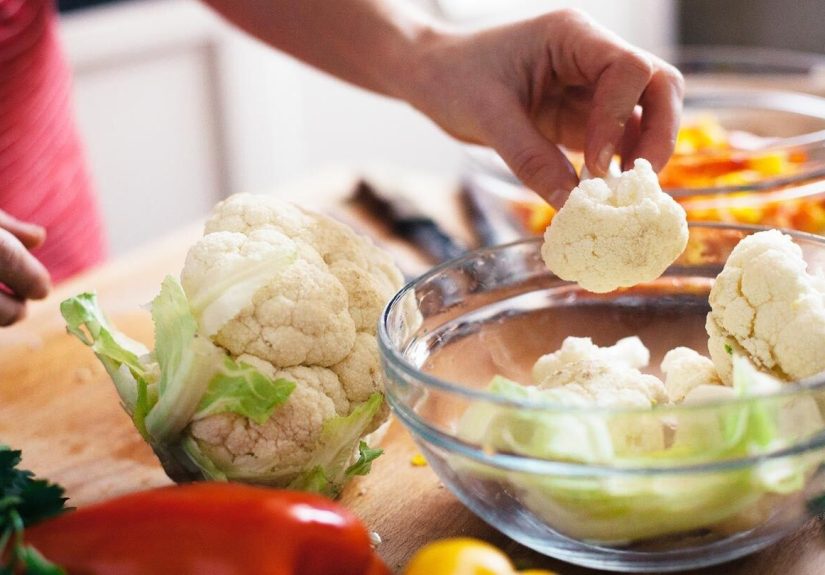
Cruciferous vegetables (broccoli, cauliflower, Brussels sprouts, cabbage, kale, bok choy) contain natural compounds
studied for their role in supporting healthy detox pathways and cell protection.
Easy examples: roasted broccoli with lemon; cabbage slaw on tacos; kale tossed into pasta;
cauliflower “rice” mixed with actual rice (no need to be dramatic).
Fruits (whole fruit beats juice most days)
Whole fruits deliver fiber plus vitamins and phytochemicals. Berries are popular for a reason: they’re easy,
versatile, and a simple way to add color and nutrients without turning breakfast into a science project.
Easy examples: frozen berries in oatmeal; apples with peanut butter; oranges on a salad;
grapes as a grab-and-go snack.
Beans, lentils, and peas (aka: the fiber-and-protein bargain aisle)
Legumes are a cornerstone of many cancer-preventive eating patterns because they’re high in fiber, contain
helpful micronutrients, and can replace red/processed meats in meals. They also tend to be budget-friendly,
which is a nice bonus in this economy.
Easy examples: black beans in burrito bowls; lentil soup; chickpeas in salads; hummus on sandwiches.
Whole grains (swap the base, upgrade the meal)
Whole grains like oats, brown rice, quinoa, barley, and whole-wheat pasta provide fiber and nutrients that refined grains lose.
A lot of the evidence linking diet patterns to lower cancer risk points back to fiber-rich foods, including whole grains.
Easy examples: oatmeal topped with berries and nuts; quinoa in a veggie bowl; popcorn (air-popped)
as a whole-grain snack (just don’t bury it under a blizzard of butter every time).
Nuts and seeds (small food, big impact)
Nuts and seeds offer fiber, healthy fats, and minerals. They’re also an easy “nutrition upgrade” that doesn’t require cooking skills.
Think of them as edible punctuation: sprinkle, stir, crunchdone.
Easy examples: walnuts on oatmeal; chia or ground flax in yogurt; pumpkin seeds on salads;
a small handful of mixed nuts as an afternoon snack.
Healthy fats (olive oil, avocado, and omega-3s)
Many protective dietary patterns emphasize unsaturated fatsespecially from olive oil, nuts, seeds, and fish.
Fat isn’t the enemy; the type and context matter. Replacing some saturated fats (like butter-heavy choices)
with unsaturated fats is a common recommendation for overall health.
Easy examples: olive-oil vinaigrette; avocado on whole-grain toast; salmon with a side of vegetables;
tuna mixed with beans for a quick salad.
Lean proteins and plant proteins (choose your lineup)
You don’t have to go fully vegetarian to eat in an anti-cancer way. Many guidelines suggest choosing
plant proteins often (beans, lentils, tofu, edamame) and using lean animal proteins (fish, poultry)
more often than red meat.
Fermented foods (optional, not mandatory)
Yogurt, kefir, kimchi, sauerkraut, and other fermented foods can support gut variety for some people.
They’re not required, and they’re not magic, but they can be a helpful addition if you enjoy them.
Herbs, spices, tea, and coffee (the “nice-to-have” category)
Garlic, turmeric, ginger, cinnamon, rosemarythese add flavor and plant compounds that are widely studied.
Use them because they make healthy food taste better (and because your taste buds deserve rights).
Tea and coffee are also commonly studied in nutrition research; for most adults, moderate intake can fit into a healthy diet.
Important note: using herbs and spices in food is different from taking high-dose supplements.
For cancer prevention, major cancer-prevention organizations generally recommend food-first approaches over supplements.
Foods and habits to limit (without living on sadness and lettuce)
Processed meat (best to avoid) and red meat (limit)
Processed meatsbacon, hot dogs, sausages, deli meatsare consistently associated with higher colorectal cancer risk.
Red meat (beef, pork, lamb) is also linked with increased risk when eaten more often, especially in larger amounts.
Practical swap: try a turkey or bean chili, a salmon bowl, or a lentil “meat” sauce once or twice a week,
then keep going if you like it. Your future self might high-five you.
High-heat charring (cook smarter, not fearfully)
Grilling and frying can create compounds that researchers study in relation to cancer risk. You don’t need to swear off the grill forever
just use simple strategies: don’t over-char, flip frequently, marinate meats, and balance grilled foods with lots of vegetables.
Alcohol (less is better for cancer prevention)
Alcohol is linked to increased risk of several cancers. If your goal is cancer prevention, the safest move is to drink less or not at all.
If you do drink, keep it occasional and modest, and don’t treat red wine like a multivitamin.
Sugar-sweetened beverages and ultra-processed snack habits
Added sugars don’t “feed cancer” in a simplistic way, but sugary drinks can contribute to excess calorie intake and weight gain.
A cancer-preventive eating pattern tends to limit sugar-sweetened beverages and heavily processed foods as everyday staples.
Simple swap: sparkling water with citrus; unsweetened iced tea; water with frozen fruit;
orbrace yourselfregular water. (It’s boring, but it works.)
High-dose supplements and detox schemes
Supplements are sometimes medically necessary (for deficiencies or specific conditions), but “cancer-proof supplement stacks”
and detox teas are not a reliable strategy for prevention. Food-first is the steadier, evidence-aligned path.
If you’re considering supplements, talk with a qualified clinicianespecially if you have cancer, are in treatment, or take medications.
How to actually eat the anti-cancer diet in real life
A low-stress grocery list
- Vegetables: broccoli, spinach, carrots, tomatoes, onions, mixed frozen veggies
- Fruits: apples, oranges, bananas, berries (fresh or frozen)
- Proteins: beans, lentils, tofu/edamame, eggs, canned tuna/salmon, chicken
- Whole grains: oats, brown rice, quinoa, whole-wheat pasta, whole-grain bread
- Healthy fats: olive oil, nuts, seeds, avocado
- Flavor helpers: garlic, herbs, spices, vinegar, lemon
5 quick upgrades that don’t feel like punishment
- Add, don’t subtract: add a side salad or frozen veggies to what you already eat.
- Make half your plate plants: not perfect, just frequent.
- Swap the base: whole grain bread, oats, or brown rice a few days a week.
- Choose beans once or twice weekly: tacos, soups, bowls, or pasta.
- Rethink “snack”: fruit + nuts beats “chips + vibes” most days.
A simple one-day sample menu
Breakfast: oatmeal with berries, walnuts, and cinnamon
Lunch: grain bowl with brown rice, black beans, roasted veggies, salsa, and avocado
Snack: apple + peanut butter (or hummus + carrots)
Dinner: salmon (or tofu) with broccoli and a side salad, olive-oil dressing
Dessert (because you’re human): Greek yogurt with fruit, or a small portion of something you love
Special situations and safety notes
If you have cancer or are in treatment
Nutrition needs can change during treatmentappetite, nausea, mouth sores, taste changes, and weight shifts are common.
Some people need higher protein or higher calories; others need food-safety precautions. That’s why personalized guidance
from your oncology team and a registered dietitian is so valuable.
For teens and growing bodies
If you’re still growing, the goal is not restrictive dietingit’s building a strong, balanced pattern.
Focus on variety, enough protein, enough total calories, and plenty of fiber-rich plant foods.
If you’re worried about cancer risk because of family history, talk with a trusted adult and a healthcare professional.
Experience section: what “eating for prevention” looks like in real life (the messy, honest version)
Here’s what people commonly experience when they shift toward an anti-cancer dietmeaning a plant-forward, fiber-rich pattern
with fewer processed meats, less sugary drinking, and more whole foods. These are not medical outcomes and they’re not guarantees.
They’re the practical, day-to-day “human moments” that show up when someone tries to eat this way for weeks and months, not just Monday morning.
1) The “my stomach has opinions” phase. When people increase beans, lentils, whole grains, and vegetables quickly,
digestion can complainbloating, extra gas, the whole soundtrack. The most common workaround is boring but effective:
increase fiber gradually, drink enough water, and keep portions reasonable at first. A half-cup of beans added to a bowl today can become
a full cup later. Your gut microbes are basically learning a new language; they’ll get better at it with practice.
2) The “I didn’t realize how much I drank my calories” moment. Many people don’t start by changing meals at all.
They start by swapping beverages: soda becomes sparkling water with lime, or sweet coffee drinks become simpler versions.
That change alone often makes healthier eating feel easier because energy crashes and constant snack cravings can calm down for some people.
It’s not magicit’s consistency and fewer sugar spikes.
3) The “what do I eat when everyone orders burgers?” problem. Social life doesn’t stop for health goals.
People often do best when they use a “mostly” rule: order the burger occasionally, but make it a smaller portion, skip the processed extras,
and add a side salad or veggies when possible. Other times they choose a grilled chicken sandwich, a bean-based bowl, or a veggie-heavy option.
The win isn’t perfectionit’s having a plan that doesn’t collapse the moment friends show up.
4) The “my grocery bill is wild” fearfollowed by a surprise. Eating more plants sounds expensive until someone discovers
the budget MVPs: oats, brown rice, beans, lentils, frozen vegetables, canned tomatoes, and in-season fruit.
A lot of people end up spending less when they build meals around these staples and treat meat as a side character instead of the main event.
(Pro tip: frozen berries are often cheaper and just as useful as fresh.)
5) The “I need meals I can repeat without hating my life” breakthrough. Most people don’t want 47 new recipes.
They want 5–7 reliable meals they can rotate: a lentil soup, a veggie omelet, a taco bowl with beans, a salmon-and-veg dinner,
overnight oats, a big salad with chickpeas, and a stir-fry with frozen vegetables. Once those defaults exist, eating for prevention feels less
like a project and more like autopilot.
6) The “identity shift” that actually sticks. Over time, the most common change is mindset: people stop asking,
“What’s the single best cancer-fighting food?” and start asking, “What’s the easiest way to make my usual meal a little more plant-forward?”
That question leads to real, repeatable habits: adding spinach to pasta, choosing whole grains more often, keeping fruit visible on the counter,
and packing snacks that aren’t just processed carbs in a crinkly bag.
The anti-cancer diet isn’t a strict menu. It’s a long game built from small, realistic choices:
more plants, more fiber, less processed meat, less alcohol, fewer sugary drinks, and a steady pattern you can live with.
Do that, and your body gets more of what supports healthand less of what tends to push risk in the wrong direction.
Conclusion
“Foods to fight cancer” isn’t about hunting for a miracle ingredient. It’s about building an eating pattern that consistently supports your body:
plant-forward meals, fiber-rich staples, healthy fats, and fewer processed meats and sugary drinks. Add regular movement and a healthy weight
strategy that’s kindnot extremeand you’re following the best evidence-aligned approach we have for lowering cancer risk through lifestyle.