Table of Contents >> Show >> Hide
- First, a quick reality check: what bread does to blood sugar
- What to look for in diabetes-friendly bread
- The best bread types for people with diabetes
- How to choose bread at the store (without needing a PhD in Breadology)
- “Okay, but what about keto bread?”
- Best ways to eat bread with diabetes (yes, toppings matter)
- Sample “smart bread” meal ideas
- When to talk to your clinician or dietitian
- Conclusion: You can keep breadjust upgrade the slice
- Bonus: Real-world experiences people have when switching to diabetes-friendlier bread (about )
Bread has been unfairly blamed for basically everything: blood sugar spikes, afternoon crashes, even your jeans
mysteriously shrinking in the dryer. If you live with diabetes, you’ve probably heard some version of “Just stop
eating bread” said with the confidence of someone who has never met a warm dinner roll.
Here’s the good news: bread doesn’t have to be banned. The goal isn’t “never bread again.” The goal is
better bread, better portions, and better pairingsso your blood sugar doesn’t do parkour after lunch.
In this guide, we’ll break down what matters most (fiber, whole grains, added sugars, serving size), which bread
styles tend to work best, and how to shop like a label-reading superhero.
First, a quick reality check: what bread does to blood sugar
Bread is a carbohydrate food. Carbs raise blood glucose, but how fast and how much depends on the type of flour,
the fiber content, the portion size, and what you eat with it. Refined breads (think white sandwich bread, many
baguettes, most “fluffy” bakery loaves) are usually made with refined flour that digests quickly. That can mean a
faster rise in blood glucoseespecially if the slice is the size of a paperback novel.
The “best” bread for diabetes is typically the one that helps you meet your carb plan while giving you the most
nutrition per bite: more fiber, more whole grains, fewer added sugars, and a reasonable slice size.
And yes, taste matters toobecause you’re more likely to stick with something you actually enjoy.
What to look for in diabetes-friendly bread
1) Whole grains as the first ingredient
Start with the ingredients list. Ideally, the first grain ingredient includes the word “whole” (like
“whole wheat flour” or “whole oats”). Don’t let marketing words do the thinking for you: “multigrain,” “wheat,”
“stone-ground,” or “made with whole grains” can still mean mostly refined flour. Ingredients tell the truth when
packaging gets poetic.
2) Fiber that actually shows up to work
Fiber slows digestion and can help blunt the post-meal glucose rise. Many diabetes educators suggest choosing
breads that offer around 3 grams of fiber per slice (or more). More fiber often means more satisfaction, too,
which helps prevent the “one slice turns into four slices” phenomenon.
3) Minimal added sugars
Some breads sneak in added sugars (or honey, syrups, dextrose, maltosesugar with a fake mustache). You don’t need
a sugar-free vow; just aim for breads with low added sugar per slice and avoid “dessert bread in sandwich clothing.”
4) A slice size that isn’t auditioning for a pizza role
“Healthy bread” can still spike blood sugar if the portion is huge. Two slices of a dense, whole-grain bread might
fit your plan better than one jumbo slice of a refined bakery loafbecause the jumbo slice can carry a surprising
carb load. Always check the serving size and total carbohydrates on the Nutrition Facts label.
5) Bonus points: seeds, nuts, and protein
Breads with seeds (flax, chia, sunflower, pumpkin) often have more fiber and healthy fats, and some include more
protein. That combination can improve satiety and slow digestionhelpful for steadier energy and fewer snack
emergencies.
The best bread types for people with diabetes
Every body responds a little differently, so consider this list your “strong starting lineup.” If you use a meter
or CGM, your own data can help you pick the true MVP.
| Bread type | Why it can work well | What to look for |
|---|---|---|
| 100% whole wheat / 100% whole grain | More fiber and nutrients than refined bread; steadier digestion. | “Whole” as first ingredient; ~3g+ fiber per slice; low added sugars. |
| Sprouted grain bread | Often denser with more fiber/protein; may produce a gentler glucose rise for some. | Whole grains listed; check carbs per slice; minimal added sugar. |
| Sourdough (especially whole grain) | Fermentation may lower glycemic impact compared with some standard breads. | Traditional sourdough starter; whole-grain flour; not sugary “sourdough-flavored.” |
| Rye / pumpernickel | Often denser and higher fiber; can be more filling with slower digestion. | Rye flour/whole rye as main grain; watch for refined wheat flour dominance. |
| Seeded high-fiber whole-grain | Seeds boost fiber and healthy fats; helps with fullness. | Whole grains + visible seeds; higher fiber; reasonable sodium and added sugar. |
| Oat or bran-forward breads | Oats/bran add soluble fiber that may help with steadier glucose response. | Oats/bran featured high in ingredients; avoid high added sugars. |
1) 100% whole wheat (or 100% whole grain) bread
This is the classic “better choice” for a reason. Whole grains keep the bran and germ, which means more fiber and
nutrients than refined flour bread. Whole wheat is often easier to find, easier to afford, and easier to use for
daily sandwichesso it’s a practical staple.
Shopping tip: don’t confuse “wheat bread” with “100% whole wheat.” “Wheat bread” can still be mostly refined flour
with a little whole wheat sprinkled in for vibes.
2) Sprouted grain bread
Sprouted grain breads are made from grains that have begun to sprout. Many are denser, heartier, and higher in
fiber and protein than standard sandwich bread. Because they’re often less fluffy, people frequently find they
don’t need (or want) enormous portions to feel satisfied.
Two important notes: (1) sprouted doesn’t automatically mean low-carb, and (2) different brands vary wildly. Read
the label for total carbs, fiber, and serving sizeand don’t be shocked if the “slice” is small. Sometimes that’s
actually the feature.
3) Sourdough (especially whole-grain sourdough)
Sourdough’s fermentation process creates organic acids that may slow digestion and lower the bread’s glycemic
impact compared with some non-fermented breads. For many people, a slice of sourdoughespecially when made with
whole grainsproduces a gentler post-meal rise than refined white bread.
The catch: “sourdough” on a label can mean anything from a long-fermented loaf to a standard bread with flavoring.
If you can, look for traditional sourdough starter and a shorter ingredients list.
4) Rye and pumpernickel
Rye breads are typically denser and can be higher in fiber, which may help with satiety and steadier digestion.
Pumpernickel is often made with coarser rye and tends to be quite densegreat for open-faced sandwiches that feel
“complete” with fewer total slices.
Label watch: some rye breads are mostly refined wheat flour with a dash of rye for flavor. You want rye (ideally
whole rye) to be a main player, not an extra in the background.
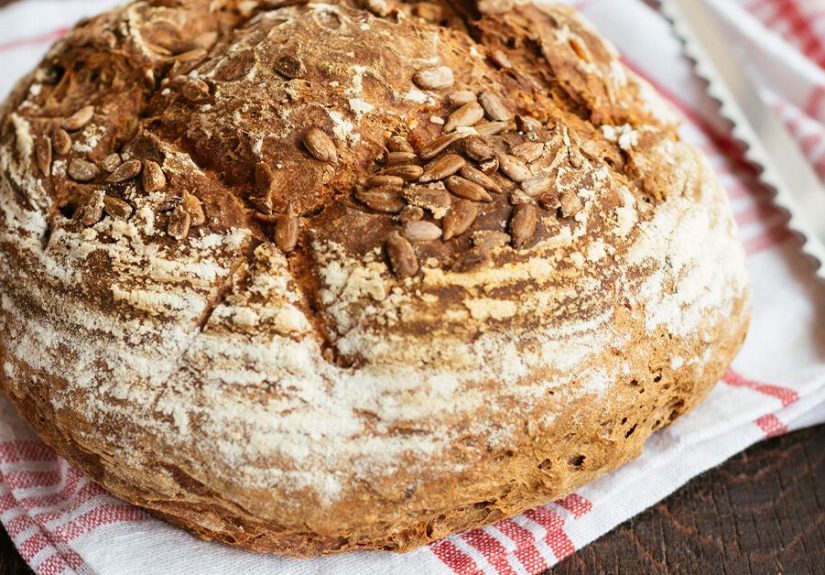
5) Seeded whole-grain bread (flax, chia, sunflower, pumpkin)
Seeds can be a big win: they contribute fiber, healthy fats, and sometimes a little extra protein. That combination
can slow digestion and keep you fuller longer. If you’ve ever eaten a seeded bread and realized you didn’t even
think about snacks for three hours… that’s not a coincidence.
6) Oat- or bran-forward breads
Oats and bran bring soluble fiber to the party, which can help slow glucose absorption. Some breads include oat
bran, rolled oats, or wheat bran as significant ingredients. These can be especially helpful if you’re trying to
increase fiber without feeling like you’re chewing cardboard (a tragic fate many “healthy” foods have embraced).
How to choose bread at the store (without needing a PhD in Breadology)
Step 1: Ignore the front label (politely)
Front-of-bag claims are marketing. Useful sometimes, but not trustworthy by default. Flip the package and read:
ingredients + Nutrition Facts.
Step 2: Scan the ingredients for whole grains
Look for “whole wheat flour,” “whole grain wheat,” “whole oats,” “whole rye,” or similar terms near the top of the
list. If the first ingredient is “enriched wheat flour,” you’re looking at refined bread in a health costume.
Step 3: Check total carbs, fiber, and added sugars per serving
There isn’t one perfect number for everyoneyour diabetes care team may set a carb target per meal or snack based
on medications, activity, and goals. But in general:
- Compare total carbs per slice across breads you like.
- Aim for higher fiber (many people start with ~3g fiber per slice as a practical goal).
- Keep added sugars low and avoid breads that are basically breakfast pastries.
Step 4: Consider sodium and overall ingredients
Many people with diabetes also manage blood pressure or heart health. Bread can be a sneaky sodium source,
especially if you eat it daily. If you’re comparing two similar loaves, choosing the one with lower sodium and a
simpler ingredients list can be a smart tie-breaker.
“Okay, but what about keto bread?”
“Keto” and “low net carb” breads are all over the place. Some are legitimately high in fiber and lower in digestible
carbs; others rely on added fibers and sugar alcohols that don’t agree with everyone’s stomach. If you’re curious,
treat them like an experiment:
- Try a small portion first.
- Pair it with protein/fat (like eggs, turkey, nut butter).
- If you monitor glucose, compare your response to your usual whole-grain bread.
Also, don’t assume “gluten-free” equals “blood sugar friendly.” Many gluten-free breads use refined starches and can
be low in fiber unless they’re specifically formulated with whole-grain or high-fiber ingredients.
Best ways to eat bread with diabetes (yes, toppings matter)
1) Build a “slow-the-rise” plate
Bread hits differently when it’s eaten alone versus with protein, healthy fats, and fiber-rich foods. This is why a
plain slice of toast can spike faster than a sandwich loaded with turkey, avocado, and crunchy veggies.
2) Try open-faced sandwiches
You still get the satisfaction of a sandwichjust with one slice instead of two. Add extra protein and produce so
it feels like a meal, not a sad appetizer.
3) Use bread strategically, not automatically
If you’re having a carb-heavy meal (say, pasta night), you might skip the bread basket. If you’re having a big salad
with chicken, a slice of hearty whole-grain bread could fit perfectly. Bread isn’t “good” or “bad”it’s part of the
overall carb picture.
4) Don’t use bread to treat low blood sugar
If you experience hypoglycemia, fast-acting glucose (like glucose tablets or juice) is typically recommended because
it works quickly. Bread digests more slowly and can be unpredictable for treating a low. Always follow the plan you
and your clinician have established.
Sample “smart bread” meal ideas
Breakfast
- Whole-grain toast + scrambled eggs + sautéed spinach
- Sprouted grain toast + peanut butter + sliced strawberries
- Whole-grain sourdough + avocado + cottage cheese + everything seasoning
Lunch
- Open-faced rye sandwich with tuna salad, cucumbers, and tomatoes
- Whole-wheat turkey sandwich with mustard, lettuce, and a side of baby carrots
- Seeded whole-grain toast topped with hummus and roasted veggies
Dinner
- Chili or stew + one slice of hearty whole-grain bread (instead of multiple rolls)
- Grilled salmon salad + small portion of sourdough
- Veggie omelet night + one slice of high-fiber seeded bread
When to talk to your clinician or dietitian
Bread choices can be especially personal if you use insulin, take medications that increase hypoglycemia risk, or
have kidney disease, celiac disease, or digestive conditions affected by fiber. A registered dietitian or certified
diabetes care and education specialist can help you set carb targets, improve meal balance, and pick breads that fit
both your health needs and your taste buds.
Conclusion: You can keep breadjust upgrade the slice
The best breads for people with diabetes usually share a few traits: they’re made with whole grains, offer solid
fiber, keep added sugars low, and come in realistic slice sizes. Start with 100% whole wheat or whole grain, then
explore sprouted grain, rye, and whole-grain sourdough if you enjoy them. Pair bread with protein and healthy fats,
build meals that include plenty of non-starchy vegetables, and let your own glucose feedback (and hunger levels!)
guide your “best for me” choice.
Bread doesn’t have to be your enemy. Sometimes it just needs better ingredientsand fewer surprise sugar cameos.
Bonus: Real-world experiences people have when switching to diabetes-friendlier bread (about )
If you’ve ever tried to “eat better bread,” you already know this isn’t just a nutrition decisionit’s a lifestyle
decision that happens in the bread aisle at full volume while someone behind you aggressively reaches for hamburger
buns.
One of the most common experiences people report is that the first switch feels underwhelming.
You go from fluffy white bread to a hearty whole-grain loaf and think, “Is this… a sponge?” Give it a week.
Taste buds adapt fast, and the payoff is usually worth it: many people notice they feel fuller with fewer slices,
especially with dense, seeded, or sprouted breads. That “I need a snack immediately” feeling between meals often
calms down when fiber and protein go up.
Another real-life pattern: portion creep disappears when bread is actually satisfying. A thin, refined
slice can be easy to double (or triple) because it doesn’t feel like it “counts.” A dense rye or sprouted slice,
on the other hand, feels substantial. People often end up doing open-faced sandwiches naturallynot as a punishment,
but because one slice is enough when the texture and flavor are stronger.
If you use a CGM, you might notice something else: the topping matters as much as the bread. Folks
often see a bigger spike from plain toast than from the same toast topped with eggs, avocado, nut butter, or tuna.
It can feel like a cheat code the first time you watch your glucose curve behave simply because you added protein
and fat. (Food is weird. Bodies are weirder.)
Many people also run into the “multigrain trap.” You buy something labeled multigrain, it looks wholesome, and then
you flip the bag over and realize the first ingredient is enriched flour. This is usually the moment someone becomes
a dedicated label reader. The habit sticksbecause once you learn that “wheat bread” isn’t always whole wheat,
you start checking everything, not just bread.
Cost is another real-world factor. Specialty breads can be expensive, so a practical strategy people use is
buying one “everyday” whole-wheat loaf and one “favorite” loaf (like whole-grain sourdough) for the weekends.
Freezing slices is also a common win: you can toast straight from the freezer, reduce waste, and avoid that sad
moment where you realize your healthy bread has turned into a science project.
Finally, a big (and reassuring) experience: people learn that bread choices don’t have to be perfect to be helpful.
Improving from white bread to a higher-fiber whole grain is a meaningful step even if you’re not eating the
world’s most artisanal sprouted flax sourdough. The “best” bread is the one you’ll actually eat consistently
in a portion that fits your planwithout feeling like you’re missing out on life.