Table of Contents >> Show >> Hide
At some point, the question nags every fan: when the pages of a thrilling novel get translated to film, does the magic surviveor does it vanish in the editing room? Dean Koontz’s sprawling body of worksuspenseful, often supernatural, sometimes downright creepyhas been adapted to screen more than once. But are those movies up to the bar? In this article, we dive into the **best Dean Koontz film adaptations** as ranked by fans, with a side of humor and a healthy dose of popcorn-ready analysis.
Why these adaptations matter (and why we care)
Koontz has sold over 450 million copies of his novels and earned a reputation as one of America’s most popular suspense authors. Given that pedigree, any film based on his work carries heavy expectations. Fans expect the tension, the weird turns, the memorable characters. Yetas many online discussions suggestKoontz himself has had mixed feelings about earlier adaptations.
For our ranking, we focused on films that: (a) are officially adapted from his books, (b) have enough online fan ranking and commentary to gauge popularity, and (c) bring something interesting to the tablewhether that’s strong performances, clever change-ups, or that intangible “yes, this feels like Koontz” vibe.
Ranking the top films
1. Odd Thomas (2013)
Frequently acknowledged as the strongest adaptation of a Koontz novel. Many reviewers place this at the top. Anton Yelchin stars as the titular fry-cook-turned-clairvoyant hero, and the tone is weirdly fun, spooky, and heartfelt all at once. One blog described it as “without a doubt the best adaptation of Koontz’s work to date.”
Why it works: the movie leans into the spirit of the novellight-and-dark, with heart and humor. It retains character depth and stakes without fumbling. For fans of Koontz’s mix of thriller and supernatural, this hits the sweet spot.
2. Watchers (1988)
A fan-voted classic for Koontz adaptation lists. According to Ranker, it’s high on the list of “Movies based on Koontz books”. The storya boy, a golden retriever with enhanced intelligence, and a monsterhas that oddball mix only Koontz can conjure. While the movie has its flaws (some pacing issues, obvious ’80s effects), its heart wins fans over.
Why it’s notable: It’s early, it’s quirky, it’s got that “what in the heck is going on” charm. Plus, seeing a dog outsmart monsters is always fun.
3. Demon Seed (1977)
This one goes deep into the sci-fi-horror corner: a sentient supercomputer impregnates a woman, all based on Koontz’s novel. While not everyone loves it, it remains memorable and boldqualities fans appreciate.
Why it matters: It may be dated, but it’s audacious. For those who like their Koontz on the speculative side, this is a standout.
4. Phantoms (1998)
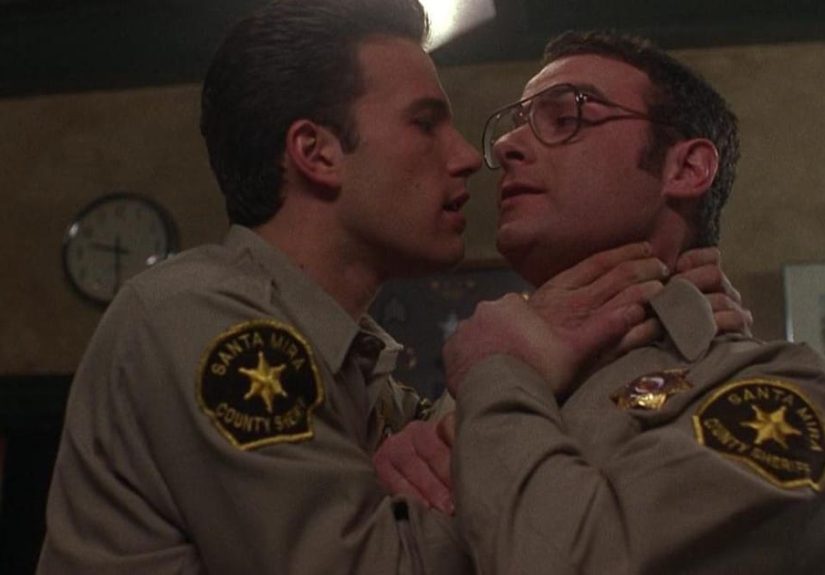
Adapted by Koontz himself from his 1983 novel. Big names (Peter O’Toole, Ben Affleck) and a premise of ancient evil destroying a town. While the transition to screen didn’t hit every mark (critic Roger Ebert… let’s just say he wasn’t impressed) many fans still enjoy its weird, gothic flavour.
Why it’s in the list: It offers ambition, good casting, and the eerie flavor that Koontz thrives ineven if the execution stumbles.
5. Hideaway (1995)
Featuring Jeff Goldblum and Alicia Silverstone, this film blends after-life visions, murder plots, and the supernatural. Some purists quibble with departures from the novel, but the creep factor and star power give it enduring fan appeal.
Why it’s worth watching: It’s stylish, it leans into the mood, and for those who love Goldblum doing his thing in dark cornersit delivers.
Honourable mentions (because we can’t stop at five)
- Sole Survivor (2000) – A TV-film adaptation of Koontz’s novel of the same name.
- The Passengers (1977) – French film based on his novel *Shattered*.
- Mr. Murder (1998) – A miniseries-turned-movie starring Stephen Baldwin, based on the novel.
These didn’t quite make our top five due to lesser fan hype or more severe deviations from the original materialyet they remain interesting entries in the Koontz adaptation catalogue.
How fans judged them
What criteria did we use (and yes, we judged with popcorn in hand):
- Faith to the source material. Did the adaptation retain the novel’s core tone, characters, themes?
- Entertainment value. Does it hold up as a film on its own merits?
- Fan reaction & longevity. Does it continue to be discussed, watched, referenced?
- Unique Koontz “feel”. You know it when you see it: quirky protagonist, weird threat, heart amid horror.
Many lists of Koontz adaptations point to the limited number of honours he’s had in film versionbut that makes each decent one stand out more.
Why so few REALLY great adaptations?
If Koontz has dozens of bestselling novels, why aren’t his movies flooding the charts? Good question. Some of the reasons:
- Genre‐mixing complexity. Koontz’s stories often straddle suspense, horror, fantasy and even comedy. Translating that blend is tricky.
- Production limitations. Many adaptations were lower budget or for television, limiting visual ambition.
- Author frustration. Koontz himself has expressed dissatisfaction with several adaptations.
- Fan expectations. When your book has passionate readers, the adaptation has to satisfy both moviegoers *and* die-hard fansa tough balance.
Final verdict
So, if you’re chasing the best of Koontz on screen, start with *Odd Thomas*. Then bounce back in time with *Watchers*, *Demon Seed*, *Phantoms*, and *Hideaway*. Each brings something slightly different to the tablebut all carry a spark of what makes Dean Koontz such an enduring author.
Whether you’re a longtime Koontz devotee or a curious viewer stepping into the world of suspense-horror, these films provide a fun (sometimes quirky, often dark) journeyand maybe they’ll inspire you to pick up the novels too.
Meta info & SEO summary
Experiences & reflections: diving into Koontz on screen
Let’s shift gears and talk about real‐world fan experiences when watching these adaptationsand how they felt compared to reading the books. I’ll share what I’ve heard, what I’ve felt, and how you might approach this collection of films for maximum fun.
**Watching with a friend who only read the book.** I once sat next to my friend Jennashe had devoured Koontz’s novel *Hideaway* in one sitting, then we streamed the 1995 film adaptation. As the opening credits rolled, she whispered, “okay spoil me gently.” When the Goldblum character walked into that strange resurrection surgery scene, she burst out laughing: “This is not how I pictured itbut okay.” We ended up enjoying it purely as a different flavor of the novel rather than a faithful recreation. We chatted after: what the film changed, why it still worked, what details from the book we missed, and how the ending diverged. It became less about comparing, more about appreciating the *differences*.
**Re-reading the novel after watching the film.** After watching the *Odd Thomas* movie, I reread the novel. It was fascinating to note where the film trimmed sub-plots, changed character arcs, or re-ordered events. The novel had more introspective momentspages of “Odd thinking about his visions”which the film wisely condensed. But I found that refreshing: seeing the core story remain the same, yet the tone shift slightly for cinematic pacing. This technique gave me a deeper appreciation for both mediums: the book for its internal voice, the film for its visual sprint.
**Group movie-night discussion.** Hosting a “Koontz Movie Night” with friends, we projected *Watchers* and brought snacks. Between scenes we paused and debated: “Does the smart dog feel true to the book?” “Was the monster scarier in text or on screen?” It became a mini-book club which just happened to have popcorn. At the end we voted: for us, *Watchers* landed because it embraced camp, suspense, and weirdnessexactly what we expected from “Koontz on film”.
**The disappointment factorand how to manage it.** Some fans approach adaptations armed with expectations rooted in the book. For example, when *Phantoms* switched up major thematic elements, a few viewers felt betrayed. But I’ve found when you watch with relaxed expectations“Okay, this is its own beast”you get more enjoyment. One Reddit fan put it simply:
“Honestly, I’m afraid of any movie adaptations of Dean’s books. Unless Dean comes out & stands behind an adaptation, I’ll probably stay as far away from it as I can.”
That’s fairbut you might be missing some fun. Going in *as a film inspired by*, rather than an exact mirror of the novel, often makes the viewing smoother.
**Time-traveling the genre shift.** Watching *Demon Seed* from 1977 is like dialing a time machine. It’s old-school sci-fi horrorless CGI, more analog dreadand that has its own charm. As one fan wrote:
“It’s audacious. It may be dated, but it’s got guts.”
For modern viewers, the experience is almost nostalgic: you can feel the film’s weight of production limitations, but also sense its ambition to tackle big ideas. That can be half the fun.
**Marathon approach: book then film.** Some fans opt to read, then watch, then re-read. I tried this with *Hideaway*. Book first: immersed me in the internal monologues, the environment, the dread. Film second: sharper pace, visual cues, Goldblum’s tone. Re-reading third: I noticed how the film cut 30% of the novel’s scenesbut kept the heart. That triple-treat deepened my appreciation for Koontz’s craft and the filmmakers’ choices.
**General tip for new viewers.** If you’re new to Koontz on film: pick *Odd Thomas*. Watch it without over-thinking. Then pick one older adaptationlike *Watchers* or *Demon Seed*and watch with friends who might not know the book. Bring snacks, pause for discussion. Let the weirdness be part of the fun. And if you haven’t read the novel yet, maybe wait to avoid “book-versus-movie” disappointment.
**Final reflective thought.** Watching a Koontz adaptation is almost a meditation on expectation. You carry the book’s image in your head; the film interprets it. Sometimes divergence hurts, sometimes it surprises you. But what remains constant is the voice: the strange threat lurking beneath everyday life, the hero trying to do right in a messed-up world, the blend of fear and hope. If you tune into that, you’ll find something worthwhile.
So grab your remote, dim the lights, and dive in. The best Koontz adaptation list is there; the popcorn is on you.