Table of Contents >> Show >> Hide
- Why Your Milk Supply Does Not Vanish on Command
- The Best Ways to Dry Up Breast Milk Supply Safely
- 1. Wean Gradually Whenever You Can
- 2. Express Only Enough Milk to Relieve Pressure
- 3. Use Cold Packs for Swelling and Pain
- 4. Wear a Supportive Bra, Not a Tight One
- 5. Avoid Extra Nipple Stimulation
- 6. Use Pain Relief Strategically
- 7. Have a Feeding Plan for Your Baby
- 8. Be Careful With Herbs, Decongestants, and Hormonal Shortcuts
- What Not to Do When Trying to Dry Up Breast Milk
- When to Call a Doctor or Lactation Consultant
- How Long Does It Take to Dry Up Breast Milk?
- Frequently Asked Questions
- What Parents Often Experience While Drying Up Milk Supply
- Final Thoughts
- SEO Tags
Deciding to dry up your breast milk supply can feel practical, emotional, relieving, awkward, or all four before breakfast. Maybe you are weaning gradually. Maybe breastfeeding is no longer working for your family. Maybe your baby is transitioning to formula or cup feeding. Maybe you need to stop for medical reasons. And sometimes, this choice comes after loss, which can make even the most ordinary advice feel painfully heavy.
Whatever brought you here, one thing matters most: drying up your milk supply safely. In theory, the internet loves dramatic shortcuts. In reality, your breasts prefer a calmer breakup. The safest, most reliable way to reduce milk production is usually to remove less milk over time, manage discomfort, and keep a close eye out for clogged ducts or mastitis.
This guide explains how to dry up breast milk supply with the least amount of misery possible, what helps, what can backfire, and when it is time to call a doctor. No weird gimmicks. No panic. No “simply stop and your body will figure it out” nonsense.
Why Your Milk Supply Does Not Vanish on Command
Breast milk production works on supply and demand. The more milk that is removed through nursing, pumping, or frequent hand expression, the more your body gets the message to keep making it. When milk is removed less often, your body starts dialing production down. That is why drying up your breast milk supply is usually less about one magic remedy and more about consistently sending your body a new memo.
The tricky part is timing. Your supply may decrease fairly quickly if you recently gave birth and never fully established breastfeeding. But if you have been nursing or pumping regularly for weeks or months, your body may need more time to get with the program. That is normal. Annoying, yes. Suspiciously clingy, also yes. But normal.
The Best Ways to Dry Up Breast Milk Supply Safely
1. Wean Gradually Whenever You Can
If you have the option, gradual weaning is the gold standard. Instead of dropping every feeding at once, cut back one nursing or pumping session at a time. Many parents do well by eliminating one feeding every few days, then waiting for their breasts to adjust before dropping another.
This slower approach gives your body time to make less milk without leaving your breasts painfully overfull. It also lowers the risk of clogged ducts, severe engorgement, and mastitis. If your baby is older, you might start with the least favorite feeding of the day. If you pump, shorten one session or space it out a little farther before removing another session later.
Think of gradual weaning as the polite exit. It is not flashy, but it usually causes far less drama.
2. Express Only Enough Milk to Relieve Pressure
When your breasts feel uncomfortably full, hand express or pump just enough milk to take the edge off. Not enough to empty the breast. Not enough to fill a freezer bag worthy of a medal. Just enough to be comfortable.
This is one of the most important tricks for reducing milk supply. If you fully empty your breasts every time they get tight, your body may interpret that as a standing ovation and make more milk. But if you relieve only the pressure, you stay more comfortable while still allowing supply to taper down.
If you are very engorged, hand expression can sometimes feel gentler than a pump. A pump can be helpful too, especially if you are very uncomfortable, but try to keep it brief and practical rather than turning it into a full production.
3. Use Cold Packs for Swelling and Pain
Cold therapy is one of the most useful low-tech ways to feel better while your supply decreases. Apply a cold pack, ice pack wrapped in a towel, or chilled compress to your breasts for short periods throughout the day. This can help reduce swelling, inflammation, and soreness.
Some parents like chilled cabbage leaves because they feel soothing and fit neatly inside a bra. That said, the evidence behind cabbage leaves is limited. They may help some people feel better, but they are not required, and plain cold packs are a perfectly solid option. Your freezer is not judging your style choices.
4. Wear a Supportive Bra, Not a Tight One
A comfortable, supportive bra can help a lot. The key word is supportive, not strangling. Tight binding or compressing your breasts too aggressively can increase pain and may raise the risk of plugged ducts or mastitis.
Choose a soft bra that keeps you supported without digging in. If underwire bras or tight sports bras make you feel worse, skip them for now. This is not the moment for your wardrobe to become an adversary.
5. Avoid Extra Nipple Stimulation
If your goal is to dry up your breast milk supply, reduce the things that tell your body to keep going. That means avoiding unnecessary pumping, prolonged hot-water stimulation aimed directly at the breasts, or frequent checking to “see if there is still milk.” Spoiler: there probably is, and the checking does not help.
Warmth is not forbidden forever, but for drying up supply, too much breast stimulation can keep milk production going longer. If you shower, keep it comfortable rather than turning it into a deluxe spa treatment for your milk ducts.
6. Use Pain Relief Strategically
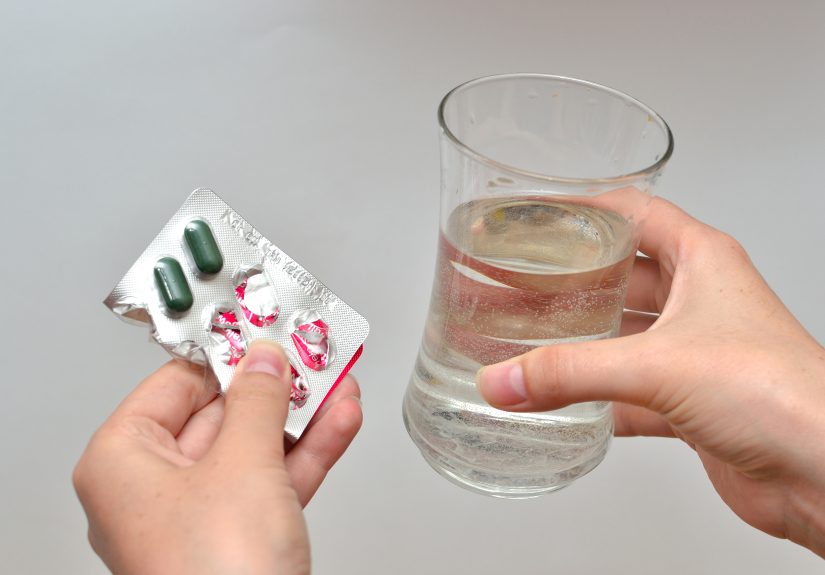
If you are sore, ask your clinician whether an over-the-counter anti-inflammatory such as ibuprofen is a good choice for you. For many parents, it can help with both pain and swelling. Acetaminophen may also be used in some cases for pain relief. This is especially helpful in the first several days, when engorgement can make you feel like your chest has been replaced with two angry bowling balls.
If you have a health condition, take other medications, have postpartum blood pressure issues, or recently had complications, it is smart to double-check with your healthcare professional before taking anything regularly.
7. Have a Feeding Plan for Your Baby
If your baby is younger than 12 months, do not simply remove breastfeeds without replacing that nutrition appropriately. Babies under 1 still need infant formula or stored human milk unless a pediatrician has told you otherwise. If your baby is older and already eating solids well, the transition may be easier, but you still want a plan for fluids, comfort, and routine.
This matters because many parents try to dry up milk supply while also juggling weaning logistics. It is much easier to reduce feeds when you know what is replacing them and when.
8. Be Careful With Herbs, Decongestants, and Hormonal Shortcuts
Many parents hear about sage tea, peppermint, parsley, pseudoephedrine, or estrogen-containing birth control as ways to reduce milk supply. Some of these may decrease milk production in certain situations, but they are not harmless DIY hacks, and the evidence is uneven.
For example, decongestants such as pseudoephedrine can lower milk supply, but they can also have side effects and are not a great casual experiment if you are recently postpartum or still feeding some breast milk. Certain hormonal contraceptives may also affect supply. Herbal products are especially tricky because “natural” does not automatically mean well studied, effective, or safe for every breastfeeding parent.
If you want to use a medication, supplement, or herb specifically to dry up your milk, talk with your OB-GYN, midwife, primary care clinician, or a lactation professional first. Prescription medicines to suppress lactation are generally not the routine first-line answer in the United States.
What Not to Do When Trying to Dry Up Breast Milk
- Do not stop suddenly unless you truly have to.
- Do not keep fully emptying your breasts “for comfort,” because that can prolong production.
- Do not bind your breasts tightly.
- Do not aggressively massage painful lumps or swollen areas.
- Do not ignore fever, worsening redness, flu-like symptoms, or severe pain.
- Do not start random supplements or medications without checking whether they are appropriate for you.
In other words, aim for gentle, not heroic.
When to Call a Doctor or Lactation Consultant
Drying up your milk supply can be uncomfortable, but it should not feel dangerous. Contact a healthcare professional if you develop:
- Fever
- Flu-like symptoms, chills, or body aches
- A red, hot, or wedge-shaped painful area on the breast
- A lump that does not improve
- Severe engorgement that you cannot relieve
- Cracked nipples with worsening pain or signs of infection
- Questions about medications, recent pregnancy loss, or stopping breastfeeding for a medical reason
Those symptoms can point to mastitis or another issue that needs treatment. Also, if you are drying up your supply after stillbirth, infant loss, adoption planning changes, or a sudden medical event, extra support is not optional fluff. It is care. Reach out.
How Long Does It Take to Dry Up Breast Milk?
There is no one-size-fits-all timeline. Some parents notice a big difference within a few days, especially if they gave birth recently and never fully established lactation. Others need several weeks for supply to taper down more completely. Small leaks can linger even after the main discomfort is gone.
In general, the more established your milk supply is, the more patient you may need to be. Not thrilled to hear that? Fair. But patience here often means less pain later.
Frequently Asked Questions
Can I dry up breast milk overnight?
Usually, no. You may be able to reduce supply fairly quickly, but trying to shut it down overnight can lead to severe engorgement, plugged ducts, and mastitis. Slow and steady is usually the safer path.
Will pumping make it take longer?
Full pumping sessions can keep supply going. Brief pumping or hand expression for comfort is different. The goal is relief, not emptying.
Do cabbage leaves really work?
They may feel soothing for some people, but they are not magic. Cold packs are also effective for comfort and easier to explain to anyone who opens your fridge.
What if I need to stop breastfeeding quickly for medical reasons?
Call your doctor promptly. In some cases, a tailored plan is needed, especially if you are starting a medication, having surgery, or dealing with postpartum complications.
What Parents Often Experience While Drying Up Milk Supply
One very common experience is surprise at how emotional weaning can feel, even when the decision is absolutely the right one. A parent may feel ready to stop breastfeeding and still get hit with sadness when a usual feeding time comes around. That does not mean the decision is wrong. It usually means the routine mattered. Feeding is not just calories. It is timing, comfort, identity, and muscle memory all tangled together.
Another common experience is the “I dropped one feed, and my breasts strongly disagree” phase. A parent who has been nursing for months may remove a bedtime session and assume the body will respond immediately. Instead, the next morning can bring fullness, leaking, and the general sensation that the breasts missed an important meeting. Often, this settles with a little hand expression, a cold pack, and a few days of consistency. The discomfort does not always mean you are doing it wrong. It may just mean your body needs time to catch up.
Parents who pump often describe a different version of the same challenge. For them, drying up supply is less about a baby dropping feeds and more about shrinking a schedule that has ruled the clock for months. Going from six sessions to five may feel manageable. Going from three to two can feel strangely harder. Many describe the final stretch as the most tedious part, because supply is lower but not gone, and the urge to “just pump and get it over with” is strong. Unfortunately, that can stretch the process out. The most successful approach is usually boring but effective: shorten sessions, widen the spacing, and resist the temptation to fully empty the breasts.
Parents with oversupply often report that weaning feels different too. Their bodies may keep producing more milk than expected, even when they are clearly cutting back. These parents sometimes need an especially cautious plan because they are more prone to engorgement and clogged ducts. They may also feel frustrated that advice meant for an average milk supply does not match their reality. In those cases, working with a lactation consultant can make a huge difference, because tiny schedule changes can have outsized effects.
There is also the experience nobody talks about enough: relief. Plenty of parents feel lighter, freer, and more themselves once they stop pumping or breastfeeding. They may enjoy sharing feeding responsibilities, sleeping longer, wearing a normal bra again, or simply not planning every outing around milk removal. Relief is not selfish. It is a real and valid postpartum feeling.
And for parents drying up milk after loss, the experience can be especially raw. Physical discomfort may feel cruel on top of grief. In that situation, practical steps like cold packs, a supportive bra, and limited expression for comfort still matter, but emotional support matters just as much. The “best” way is not only the method that reduces milk. It is also the method that protects the parent.
Final Thoughts
The best ways to dry up your breast milk supply are usually the least flashy ones: wean gradually, express only enough for comfort, use cold packs, wear a supportive bra, and watch closely for signs of mastitis. Be cautious with herbs or medications marketed as milk-reducing shortcuts, and get medical advice when symptoms feel severe, sudden, or emotionally complicated.
Your body is not being difficult. It is responding to a system built to keep feeding going. Give it clear signals, give yourself some grace, and let the process be more practical than perfect.