Table of Contents >> Show >> Hide
- First: What Is Binchotan (and Why Is Everyone Talking About It)?
- Safety Notes (Because Charcoal Is Helpful, Not Harmless)
- 10 Ways to Use Charcoal at Home (Binchotan Included)
- 1) Make Tap Water Taste Better with a Binchotan Stick
- 2) Upgrade Your Rice (Yes, Rice) with a Small Piece of Binchotan
- 3) Deodorize Your Fridge Without Perfume (Activated Charcoal Bowl Method)
- 4) Turn Closets and Drawers into a No-Funk Zone (Moisture + Odor Control)
- 5) Fix “Sneaker Crimes” with Charcoal Sachets
- 6) Freshen Pet Zones (Without Spraying a Floral Perfume on Reality)
- 7) Use Biochar in Your Garden or Houseplants (Charcoal’s Outdoorsy Cousin)
- 8) Build a Better Terrarium (Charcoal LayerBut With Nuance)
- 9) “Polish” Aquarium Water with Activated Carbon (When You Actually Need It)
- 10) Cook Over Binchotan for High Heat, Low Smoke Flavor (Outdoors Only)
- Common Myths (So You Don’t Accidentally Join the Charcoal Hall of Fame for the Wrong Reasons)
- of Real-Life Experience (What It Feels Like to Actually Live with the “Binchotan Boom”)
- Conclusion: Charcoal That Actually Earns Its Counter Space
Charcoal used to be that dusty bag you grabbed for burgers and promptly forgot behind the grill. Then binchotan showed upsleek, stick-shaped, and somehow
cool enough to live on your kitchen counter without looking like you’re preparing for a backyard apocalypse. Now “charcoal at home” isn’t just about cooking.
It’s about better-tasting water, less funky closets, and even happier houseplants.
This guide breaks down the binchotan boom in a practical way: 10 real, safe, non-gimmicky ways to use charcoal at home.
We’ll keep the vibe fun, the examples specific, and the advice grounded in how charcoal actually works (adsorption is the star; “detox miracles” are not).
First: What Is Binchotan (and Why Is Everyone Talking About It)?
Binchotan is a traditional Japanese “white charcoal” (often made from oak) known for being dense, hard, and low-smoke when used for cooking.
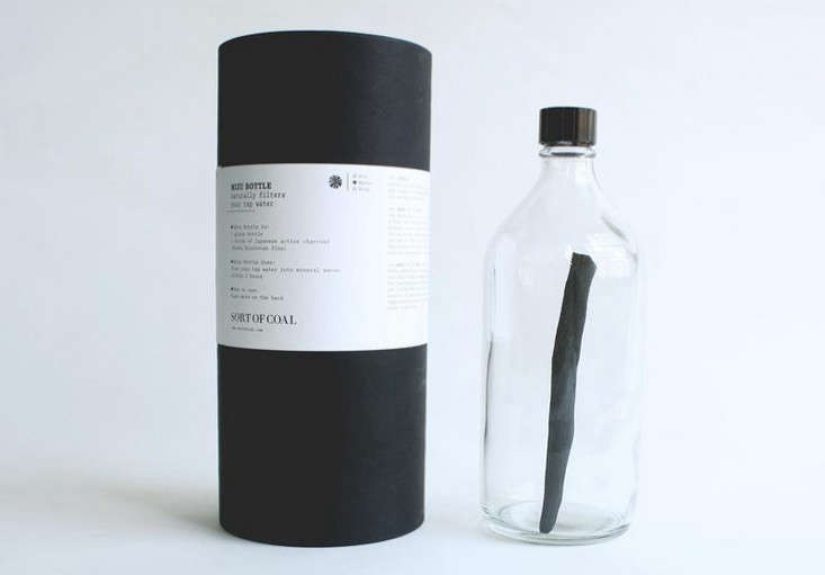
But in the home-lifestyle world, you’ll usually see it sold as a water-filter sticka plastic-free way to improve the taste and odor of potable tap water.
Think of it like a minimalist cousin of activated carbon filters: still carbon-based, still porous, still good at grabbing certain compounds… just packaged differently.
Important nuance: charcoal helps with taste and odor problems (like chlorine-y flavor), but it is not a magic wand that turns unsafe water into safe water.
If you’re dealing with well-water contamination, boil notices, or unknown water quality, you want a tested, certified filtration systemnot a cute stick.
Safety Notes (Because Charcoal Is Helpful, Not Harmless)
- Never burn charcoal indoors. Not in a fireplace, not in a garage, not “just for a minute.” Carbon monoxide is odorless and dangerous.
- Keep charcoal sticks, chunks, and dust away from small kids and pets. It’s not food, and charcoal dust is messy.
- Don’t eat activated charcoal for “detox.” It can interfere with medications and isn’t a casual wellness snack.
- Use binchotan only with potable water. It can improve taste; it doesn’t reliably disinfect.
- Skip DIY charcoal-toothpaste experiments. Many charcoal toothpastes can be too abrasive for daily use.
10 Ways to Use Charcoal at Home (Binchotan Included)
1) Make Tap Water Taste Better with a Binchotan Stick
The most popular use for binchotan is also the simplest: improving the taste and smell of potable tap water.
Carbon-based filtration is widely used to reduce “aesthetic” issuesespecially chlorine taste and odor.
How to do it (simple, not fussy):
- Rinse the stick to remove dust.
- Boil it for about 10 minutes (common manufacturer guidance), then let it cool and dry.
- Place it in a glass or ceramic pitcher with potable water.
- Let it sit at least 1–3 hours; overnight is a popular routine.
- “Refresh” by boiling again periodically; replace when taste benefits fade.
Reality check: If you want contaminant reduction beyond taste/odor, look for filters certified to relevant NSF/ANSI standards.
Binchotan is a vibe; certification is a verification.
2) Upgrade Your Rice (Yes, Rice) with a Small Piece of Binchotan
This is a chef-y trick that’s oddly satisfying: adding a small, cleaned piece of binchotan to the pot when cooking rice.
People do it for a cleaner taste and a more “neutral” water profileespecially if your tap water has a noticeable flavor.
- Use a piece that fits comfortably in your pot or rice cooker.
- Boil/rinse it first (same prep as water use).
- Add it to the cooker with rice and water, cook as usual, then remove and rinse afterward.
It’s not going to turn Tuesday rice into a Michelin moment, but it can make “meh water” taste less like… municipal memories.
3) Deodorize Your Fridge Without Perfume (Activated Charcoal Bowl Method)
Fridge smells are often a mix of leftovers, moisture, and time travel (because how is that container from last month?). Activated charcoal is popular because it
can absorb odors instead of masking them.
Do this:
- Put activated charcoal (loose in a breathable container, or in a charcoal bag) on a fridge shelf.
- Keep it away from wet spillscharcoal works best when it’s not soaked.
- Replace or refresh as directed on the product label.
Bonus: this is also a great move for a diaper pail area or a cabinet that smells like “old onions and regret.”
4) Turn Closets and Drawers into a No-Funk Zone (Moisture + Odor Control)
Closet funk is usually a moisture problem wearing an odor costume. Charcoal bags are commonly used in small spaces because they can help with both
musty smells and excess humidity.
- Hang a charcoal bag near the back of the closet (not pressed into clothes).
- Drop a small one into a gym drawer, sock drawer, or linen cabinet.
- Many brands recommend “reactivating” by placing the bag in sunlight periodically.
Practical tip: if the closet is damp enough to fog a mirror, charcoal won’t fix the root cause. Pair it with airflow and a humidity check.
5) Fix “Sneaker Crimes” with Charcoal Sachets
Shoes smell because bacteria love warm, damp environments. Activated charcoal sachets can help by absorbing odor compounds and some moisture.
It’s not a substitute for washing insolesbut it’s a strong supporting actor.
- Put one sachet in each shoe overnight.
- If you can, rotate pairs so shoes dry fully between wears.
- For extra credit: remove insoles occasionally to air out.
This is also a great trick for sports gear bags, shin guards, or anything that lives in the trunk and has “mystery dampness.”
6) Freshen Pet Zones (Without Spraying a Floral Perfume on Reality)
If you share a home with a cat, you already know: the litter box is both a necessity and a philosophical challenge.
Charcoal can help reduce ambient odors nearbyespecially when paired with basic cleaning.
- Place a charcoal bag near the litter area (not inside the litter where pets might ingest it).
- Use another bag near the pet-bed corner or feeding station.
- Keep expectations reasonable: charcoal helps with air odors; it doesn’t replace scooping.
7) Use Biochar in Your Garden or Houseplants (Charcoal’s Outdoorsy Cousin)
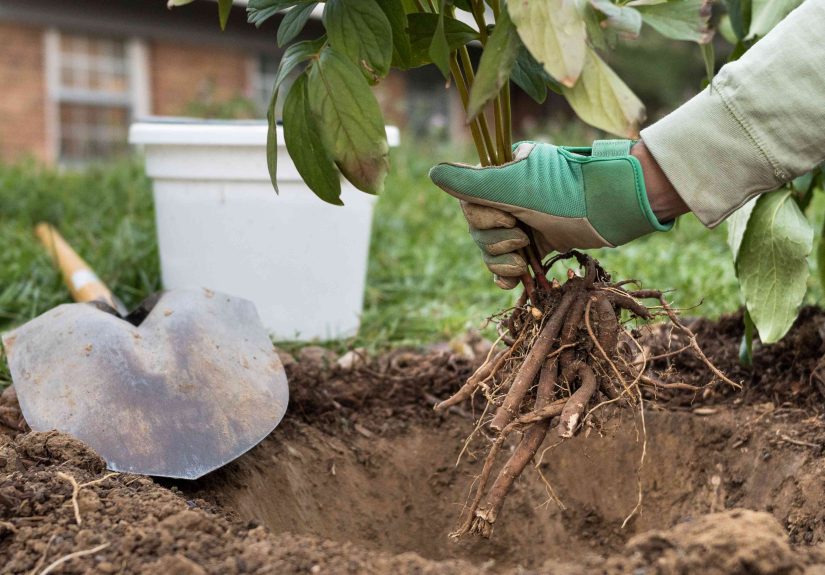
Let’s separate terms: biochar is charcoal made specifically for soil use (often from plant material, produced under controlled conditions).
It’s studied as a soil amendment because its structure can help with nutrient retention, water holding, and soil structure in certain contexts.
How to use it without hurting your plants:
- Buy horticultural-grade biochar (not random grill charcoal, and not “mystery charcoal” from who-knows-where).
- Mix small amounts into potting mixes or garden soilthink “amendment,” not “main ingredient.”
- If possible, “charge” biochar first (some gardeners mix it with compost) so it doesn’t temporarily tie up nutrients.
This is especially handy if you’re trying to level-up a tired raised bed or you’re obsessed with houseplants and enjoy tweaking soil blends like you’re running a tiny greenhouse.
8) Build a Better Terrarium (Charcoal LayerBut With Nuance)
Terrarium guides often recommend a thin charcoal layer to help with odors in closed containers. Several university extension resources include charcoal as an optional layer
for odor control in terrariums, though opinions differ on whether “drainage layers” truly improve drainage.
- For a closed terrarium: a thin layer of horticultural charcoal can help keep things fresher-smelling.
- Don’t use briquettes or lighter-fluid charcoal (ever).
- Charcoal is not a substitute for good plant selection and not overwatering.
Translation: charcoal can be helpful, but the real MVP is not drowning your terrarium and picking plants that like the same moisture level.
9) “Polish” Aquarium Water with Activated Carbon (When You Actually Need It)
Activated carbon is commonly used in aquarium filters to bind certain dissolved contaminants and help with odors or discoloration.
The catch: carbon becomes saturated and must be replaced to stay effective.
- Use activated carbon media designed for aquariums (not random household charcoal).
- Replace on a schedule based on your tank needs and manufacturer guidance.
- If your goal is biological filtration, carbon may be optionalmany aquarists prioritize sponge/biomedia first.
If you’re new to fishkeeping, think of carbon as a “special tool,” not the foundation of your whole setup.
10) Cook Over Binchotan for High Heat, Low Smoke Flavor (Outdoors Only)
Binchotan is famous in Japanese grilling because it burns hot and clean, giving strong sear power without heavy smoke flavor.
It’s often used with konro-style grills for skewers and quick-cooking foods.
Smart, safe way to try it at home:
- Use it outside in a proper grill with ventilationnever indoors.
- Start with small, quick foods: skewered chicken, mushrooms, scallions, zucchini coins.
- Have a plan to cool coals safely (follow your grill’s guidance; don’t improvise with water unless recommended).
This is the most “grown-up” charcoal use on the listso if you’re not the person in charge of fire at your house, recruit the adult who owns the tongs and the calm energy.
Common Myths (So You Don’t Accidentally Join the Charcoal Hall of Fame for the Wrong Reasons)
Myth: “Binchotan makes any water safe.”
Charcoal can improve taste and reduce certain compounds, but it is not a reliable one-step disinfection method. Use potable water and certified filtration when needed.
Myth: “Charcoal is a detox you can casually eat.”
Activated charcoal is used medically in specific situations, but it can also bind medications and nutrients. It’s not a daily wellness garnish.
Myth: “Charcoal toothpaste is automatically better.”
Charcoal toothpastes can be abrasive and may not include fluoride. If you’re curious, talk to a dental professional and don’t use harsh products daily.
of Real-Life Experience (What It Feels Like to Actually Live with the “Binchotan Boom”)
The funny thing about “charcoal at home” is that it starts as a curiosity and turns into a routine almost by accident. The first week usually goes like this:
you buy one binchotan stick because it looks like a minimalist wand from a boutique kitchen store, you boil it like you’re preparing it for a tiny spa day, and then you
drop it into a pitcher. You take a sip later and think, “Okay… this is either better or I’ve been influenced by vibes.” Then you pour a second glass and realize the taste
really is a little cleanerespecially if your tap water has that pool-adjacent chlorine note.
After that, charcoal becomes less of a trend and more of a problem-solver. The closet that always smells faintly like a forgotten gym sock gets a charcoal bag.
The fridgehome of leftover onion containers and that one sauce that could strip paintgets a charcoal bowl on the back shelf. You don’t notice it “working” like an air
freshener (there’s no artificial “mountain breeze” moment), but a few days later you open the door and realize the smell is simply… less intense. Not gone, because
science still can’t defeat a two-week-old tuna salad, but noticeably improved.
The most satisfying charcoal wins are the quiet ones. Shoes that used to announce themselves when you walked into a room become socially acceptable again.
A bathroom cabinet stops smelling musty. A pet corner feels a little fresher without blasting fragrance that makes your cat look offended. It’s subtle, and that’s kind of the point:
charcoal isn’t trying to perfume your life; it’s trying to make your life smell like nothing in particular, which is honestly the dream.
If you garden (even casually), the biochar experiment is where charcoal starts feeling like a hobby. You mix a small amount into a potting blend, you pay attention to how the
soil holds water, and you realize you’re now the kind of person who has “soil opinions.” Some people love how it helps their potting mix stay airy and less swampy.
Others discover that the biggest improvement comes from simply watering less and using a better soil base. Either way, you learn the same lesson: charcoal is a tool, not a miracle.
And then there’s grillingbinchotan’s dramatic main character moment. When used properly outdoors, it can feel like unlocking a new level of heat control and sear.
The food tastes clean, the char feels intentional, and you get why chefs rave about it. But it also reminds you: charcoal is only romantic until you forget safety.
The grown-up move is treating fire like fire, following rules, and keeping the “binchotan boom” firmly in the category of smart home upgrade, not avoidable emergency.
Conclusion: Charcoal That Actually Earns Its Counter Space
Binchotan and activated charcoal are popular for a reason: they’re simple, low-waste tools that can make everyday home problemsfunky odors, odd-tasting water, damp closetsless annoying.
Keep your expectations realistic, focus on safe, proven use cases, and you’ll get the benefits without buying into the hype.