Table of Contents >> Show >> Hide
- HPV in plain English: a common virus with uncommon consequences
- What the HPV vaccine does (and what it doesn’t)
- Recommendations: when to get it, how many doses, and why timing matters
- Safety: the data is boring, which is the highest compliment
- Effectiveness: yes, it worksand real-world outcomes are showing up
- So where is the “failure”? Look at the gap between what’s possible and what we’re doing
- Why the collective failure is ours (and not a teen’s job to fix)
- How we fix it: practical moves that actually raise HPV vaccination rates
- Make “HPV” part of the standard 11–12 bundle
- Start at age 9 when appropriate
- Use a strong, simple script
- Build completion into the workflow
- Meet people where they are: pharmacies, schools, community clinics
- Keep the message consistent: vaccination + screening
- Adults: it’s not “too late,” but it’s different
- Conclusion: a preventable cancer problem shouldn’t be a recurring plot twist
- Experiences from the real world: how the HPV vaccine gets missed (and how it gets done)
- SEO Tags
Here’s a weirdly American story: we have a tool that can prevent multiple cancers, it’s been studied to death (in a good way),
it’s widely available, and we still manage to underuse it. That tool is the HPV vaccine. And nothe vaccine didn’t fail.
We did the thing humans do best: we turned a straightforward health win into a group project where half the class “forgot” it was due.
Human papillomavirus (HPV) is common. It spreads through intimate skin-to-skin contact, and most people will be exposed at some point.
Many infections go away on their own, but some don’tand persistent high-risk HPV can cause cancers years later.
The punchline nobody wants: by the time cancer shows up, the “missed opportunity” window is long gone.
So let’s talk about what the HPV vaccine actually does, why uptake still lags, and how our “collective failure” is fixablewith less guilt,
more systems, and a dash of social courage.
HPV in plain English: a common virus with uncommon consequences
HPV isn’t one single virus; it’s a family of viruses. Some types cause warts. Others are considered “high-risk” because they can lead to cancer.
HPV is linked to several cancers, including cervical, vaginal, vulvar, anal, penile, and oropharyngeal (throat/back-of-mouth) cancers.
The frustrating part is also the hopeful part: the pathway from HPV infection to cancer often takes years, which gives prevention a huge advantage.
The prevention stack: vaccine + screening (not either/or)
The HPV vaccine prevents infection from the HPV types it targets, which means fewer precancers and fewer cancers down the road.
But vaccination doesn’t replace cervical cancer screening. Screening still matters because no vaccine covers every HPV type, and not everyone is vaccinated.
The best results come when we stop treating prevention like a single magic button and start treating it like seatbelts + airbags: layers win.
What the HPV vaccine does (and what it doesn’t)
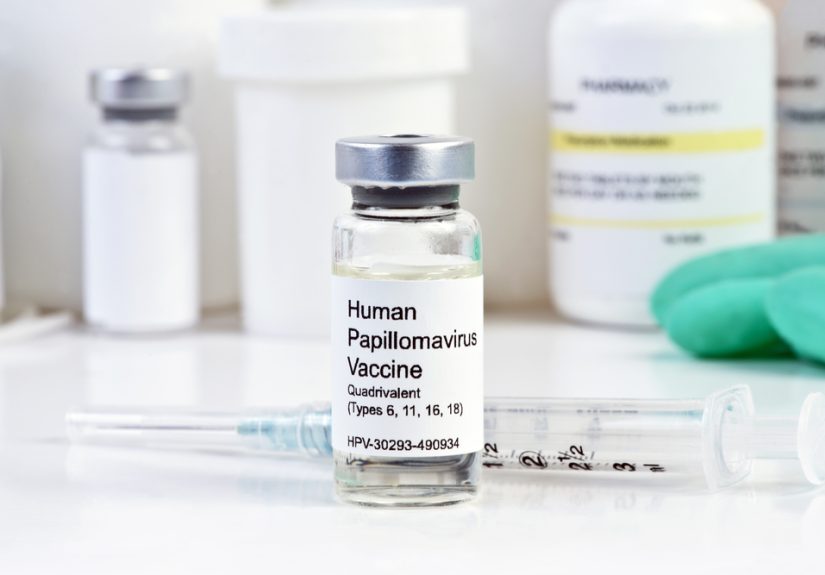
In the U.S., the currently used HPV vaccine is the 9-valent vaccine (often known by its brand name, Gardasil 9).
It’s indicated to help prevent HPV-related diseases that can lead to cancers and precancers, as well as certain HPV-related lesions.
Translation: it’s built to stop the kinds of HPV that most often cause the biggest problems.
What it does:
- Prevents new infections with targeted HPV types (best before exposure).
- Reduces the risk of HPV-related precancers and cancers over time.
- Helps protect all genders, because HPV-related cancers don’t check your driver’s license first.
What it doesn’t do:
- It doesn’t treat existing HPV infections.
- It doesn’t eliminate the need for cervical screening.
- It doesn’t work as well when started later (because exposure is more likely).
Recommendations: when to get it, how many doses, and why timing matters
In the U.S., HPV vaccination is recommended routinely at ages 11–12, and it can be started as early as age 9.
Catch-up vaccination is recommended through age 26 if someone didn’t start or finish the series.
For adults ages 27–45, vaccination isn’t “routine,” but it may be considered through shared clinical decision-making with a clinician.
Dose schedule (the part everyone loves to overcomplicate)
- Start before 15th birthday: typically 2 doses, with the second dose 6–12 months after the first.
- Start at 15 through 26: 3 doses (0, 1–2, and 6 months).
- Immunocompromised (starting at 9 through 26): 3 doses.
- Adults 27–45: talk with a clinician; some may benefit, but population-level benefit is smaller.
Timing is everything because the vaccine works best before HPV exposure. That’s why the target age is preteennot because anyone is making assumptions
about a kid’s future choices, but because biology doesn’t wait for our comfort level.
Safety: the data is boring, which is the highest compliment
HPV vaccines have been monitored for years through multiple safety systems. The most common side effects are what you’d expect from many vaccines:
sore arm, redness or swelling, headache, nausea, dizzinessand in adolescents, fainting (syncope) can happen after shots in general.
Clinics are advised to have adolescents sit or lie down and wait about 15 minutes after vaccination to prevent injury from fainting.
The headline here is not “no side effects.” The headline is “no surprise disasters.”
Large-scale monitoring has not shown confirmed serious adverse events occurring at higher-than-expected rates following HPV vaccination.
In other words: the safety story is as dramatic as a beige cardiganand that’s good.
Effectiveness: yes, it worksand real-world outcomes are showing up
The HPV vaccine is associated with big reductions in HPV infections and cervical precancers in highly vaccinated populations.
In the U.S., national surveillance has been pointing in the same direction: fewer high-grade precancers in vaccinated age groups.
And research continues to refine the best strategies to maximize protection and access.
What about one-dose HPV vaccination?
You may have seen headlines about a single dose working extremely well in large studies. The evidence is promising:
a major randomized trial reported one dose was not inferior to two doses for protection against HPV 16/18 infection over the studied period.
That’s a potential game-changer for global access.
But here’s the key: the U.S. does not currently have a licensed one-dose HPV vaccine schedule as the standard recommendation.
Today, the practical move is simplefollow the current U.S. schedule and get people vaccinated on time.
We can be excited about emerging science without using it as an excuse to do nothing in the present.
So where is the “failure”? Look at the gap between what’s possible and what we’re doing
If the HPV vaccine were a new app, we’d call this a conversion problem. Awareness exists, the product works,
and yet completion rates are not where they need to be for maximum cancer prevention.
The numbers: decent progress, still too many missed protections
U.S. adolescent coverage has improved over time, but it’s not “mission accomplished.”
In 2024, about 78.2% of adolescents ages 13–17 had received at least one HPV vaccine dose, and about 62.9% were up to date.
That means millions of teens are still not fully protectedand “almost protected” isn’t a real setting.
Why the collective failure is ours (and not a teen’s job to fix)
Let’s be clear: teenagers are not running supply chains, setting clinic workflows, designing appointment reminders, or battling internet algorithms.
Adults built the system; adults can fix the system.
1) We made cancer prevention sound like a morality debate
HPV is sexually transmitted, and some conversations about the vaccine have been framed around sex instead of cancer prevention.
That framing turns a public health intervention into a culture-war talking point, which is like trying to change a tire while arguing about the color of the car.
Start with the truth: this vaccine prevents cancers. Full stop.
2) We tolerate “soft” recommendations
Provider recommendation is one of the strongest predictors of vaccination. When clinicians say,
“We’ll do Tdap, meningococcal, and HPV today,” families are far more likely to accept than when HPV is presented as optional or delayed.
A weak recommendation isn’t neutralit’s a missed opportunity wearing a white coat.
3) We don’t design for completion
Vaccination is a series for many kids: it requires follow-up. Systems matter:
reminders, standing orders, bundling vaccines at one visit, school-based outreach, pharmacy access, and “next appointment before you leave.”
When completion depends on a parent remembering months later in the middle of life chaos, life chaos wins.
4) Access isn’t equal, and we pretend “availability” means “reachable”
Access barriers show up in transportation, clinic hours, insurance friction, language, trust, and local health infrastructure.
Rural and underserved communities can face fewer pediatric visits and fewer convenient places to complete the series.
Equity isn’t a slogan; it’s logistics.
5) We let misinformation freeload on our silence
Online misinformation doesn’t need to be perfectit just needs to be loud and emotionally sticky.
Meanwhile, accurate information is often delivered in the soothing tone of a user manual.
If we want higher HPV vaccine uptake, we have to show up with clarity, empathy, and repetition (the good kind),
not just fact sheets buried three clicks deep.
How we fix it: practical moves that actually raise HPV vaccination rates
Make “HPV” part of the standard 11–12 bundle
Normalize it. Treat HPV vaccination like the default cancer prevention step it is.
Same-day administration with other adolescent vaccines reduces missed visits and cuts down on scheduling gymnastics.
Start at age 9 when appropriate
Several professional groups emphasize earlier initiation (age 9–12) as a strategy to improve acceptance and completion.
Earlier can be easier: fewer “awkward” conversations, more well visits, and a stronger chance of finishing on time.
Use a strong, simple script
The best scripts are boring:
“Today your child is due for vaccines that prevent meningitis, whooping cough, and cancers caused by HPV.”
Answer questions, yesbut don’t open with uncertainty.
Build completion into the workflow
- Schedule the next dose appointment before the family leaves the clinic.
- Use text/email reminders and recall systems.
- Allow nurse-only vaccine visits (fast and low-friction).
- Use immunization registries to find overdue doses.
Meet people where they are: pharmacies, schools, community clinics
If your system requires parents to take time off work, drive across town, and wait in a lobby for a 30-second injection,
you have built a barrier. Expand convenient vaccination sites and hours.
Convenience isn’t “nice to have”it’s cancer prevention infrastructure.
Keep the message consistent: vaccination + screening
For cervical cancer prevention, screening remains essential. Even with vaccination, follow screening guidance.
The vaccine prevents many cases; screening catches problems that slip through. Together, they’re stronger than either alone.
Adults: it’s not “too late,” but it’s different
If you’re under 26 and not fully vaccinated, catch-up vaccination is recommended.
If you’re 27–45, talk to your cliniciansome people may benefit depending on risk and prior exposure,
but the public health benefit is smaller than vaccinating preteens.
Either way, “I missed it” doesn’t have to become “I gave up.”
Conclusion: a preventable cancer problem shouldn’t be a recurring plot twist
The HPV vaccine didn’t fail. The science is strong. The safety monitoring is extensive. The disease burden is real.
The gap is implementationrecommendation strength, access design, reminder systems, and cultural framing.
Our collective failure is also our collective opportunity:
when we treat HPV vaccination as routine cancer prevention, make it convenient, and stop acting like prevention is optional,
we can shrink the future cancer burden in a way that feels almost unfairly effective.
(Which is exactly the kind of “unfair” we should be aiming for.)
Experiences from the real world: how the HPV vaccine gets missed (and how it gets done)
The stories below are compositescommon patterns reported by families and clinicians across the U.S.because the barriers repeat.
And the fixes repeat, too.
The “We’ll do it next time” visit
A parent brings an 11-year-old in for a well check. The clinician covers growth, sleep, screens, sports forms, and the three
adolescent vaccines. Tdap and meningococcal get a quick yes. HPV gets a pause:
“Do we have to do that one today?” The clinician, sensing hesitation, goes gentle:
“We can always do it later.” Everyone leaves feeling polite. Nobody schedules dose #1.
Months turn into a year. The kid misses the next well visit. By the time the family returns, the child is older, busier,
and the conversation feels “bigger.” This isn’t parental neglect; it’s what happens when a time-sensitive preventive step is treated
like an optional add-on.
The fix is boring and effective: a confident recommendation plus a default bundle.
“Today we’ll do the vaccines that prevent whooping cough, meningitis, and HPV cancers.”
Not a lecturejust clarity.
The “My kid isn’t sexually active” misunderstanding
Many parents genuinely believe the HPV vaccine is only relevant if a teen is already sexually active.
That’s like waiting to buy a bike helmet until after the first crash.
The vaccine works best before exposure, which is exactly why the recommended age is 11–12 (and starting at 9 is allowed).
What helps here isn’t shaming; it’s reframing: “This is cancer prevention that works best when given early.”
When families hear “cancer prevention,” the emotional temperature drops and the decision becomes straightforward.
The “Two doses… three doses… wait, what?” confusion
Dose schedules can feel like a pop quiz, especially when families are juggling school calendars and work shifts.
Some clinics still miss a crucial step: making dose #2 (or #3) inevitable.
The difference between “Here’s a card; call us” and “Let’s book your next vaccine visit now” is enormous.
The most successful practices treat follow-up like an airline boarding pass: you don’t leave without the next step in your hand.
Text reminders and nurse-only vaccine visits also matterbecause nobody wants to take a half-day off for a 15-minute appointment.
The quiet power of starting at age 9
Some pediatric practices have learned a secret: earlier can be easier.
At age 9, many visits are less emotionally loaded, and parents are often more focused on “keeping my kid healthy”
than on hypothetical future scenarios. When HPV vaccination begins earlier, completion before middle-school chaos becomes more likely.
It’s not about rushing childhood. It’s about using the healthcare visits kids actually attendand taking advantage of a window
when protection is strongest and logistics are simplest.
The “My doctor didn’t mention it” gap
One of the most common experiences is also the most preventable: families who say they would have said yes, but nobody strongly recommended it.
In the CDC’s national adolescent coverage reporting, provider recommendation is consistently linked with higher HPV vaccination coverage.
Silence isn’t neutral; it’s a system choice.
Clinicians are busy, yes. But a strong recommendation can be delivered in one sentence.
A system that makes that sentence automaticthrough standing orders, prompts, and team-based workflowsturns good intentions into consistent outcomes.
The catch-up success story
Catch-up vaccination happens more often than you might think. A 19-year-old heads to college, gets a health portal message,
and realizes they never finished the HPV series. A campus clinic offers quick appointments. A pharmacist gives the next dose.
A parent doesn’t need to coordinate anything; the young adult can handle it.
This is what it looks like when access meets motivation. The lesson isn’t “wait until college.”
The lesson is: reduce friction, and people follow through.
If there’s a moral here, it’s not “Try harder.” It’s “Build better.”
Better defaults, better reminders, better access points, and better messaging that treats HPV vaccination as routine cancer prevention.
When we do that, the HPV vaccine stops being a controversy and starts being what it always should have been:
a normal part of growing up, like braces, awkward school photos, and learning the hard truth that socks are never truly optional.