Table of Contents >> Show >> Hide
- First, what pneumonia actually is (without the textbook voice)
- What happens in the lungs: the “air sac traffic jam”
- The immune response: helpful, dramatic, and a little exhausting
- Oxygen shortage: the domino effect that explains “whole-body” symptoms
- How pneumonia can affect major body systems
- 1) Respiratory system: from irritation to respiratory failure
- 2) Circulatory system: inflammation, clot risk, and strain
- 3) Kidneys and fluid balance: dehydration and organ stress
- 4) Digestive system: nausea, low appetite, and medication effects
- 5) Nervous system: headaches, sleep disruption, and delirium risk
- Complications: when pneumonia stops being “just pneumonia”
- Who tends to feel the effects more strongly?
- Recovery: why “I’m better” and “I’m back to normal” aren’t the same
- Prevention: reducing the odds and lowering the stakes
- When to seek urgent care
- Experiences related to “The Effects of Pneumonia on the Body” (real-world patterns people often describe)
Pneumonia sounds like one of those medical words that belongs on a quiz show (“For $400: name the lung infection that makes you feel like you’re breathing through a wet sweater.”).
But it’s not just a “bad cough.” Pneumonia is an infection that inflames the lungs and can range from mild to life-threateningespecially for older adults, infants, and people with chronic health conditions.
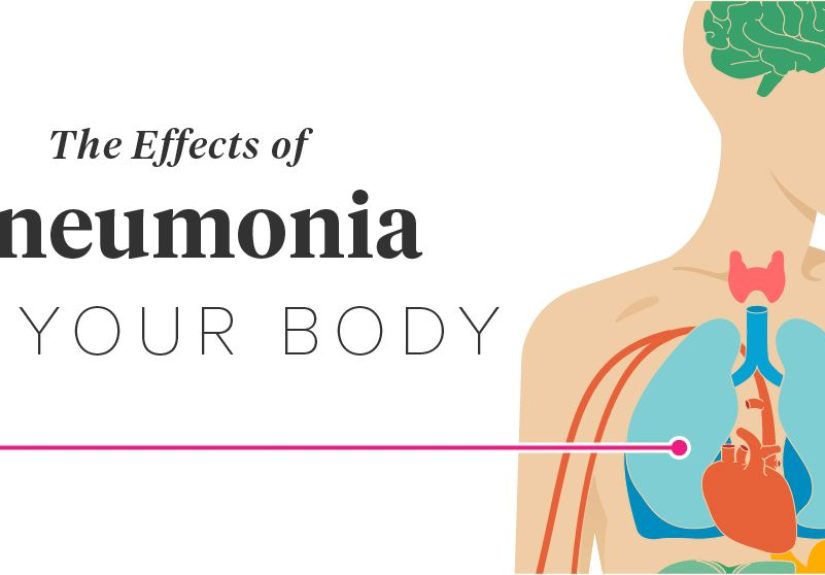
And here’s the sneaky part: even though pneumonia starts in your lungs, the ripple effects can show up everywhereyour brain, heart, muscles, kidneys, and energy levels.
In this guide, we’ll break down what pneumonia does inside the lungs, why oxygen becomes a big deal fast, and how the body’s immune response can be both helpful (thank you, immune system)
and exhausting (also… please calm down, immune system). We’ll also cover complications, what recovery often feels like, and practical prevention steps.
First, what pneumonia actually is (without the textbook voice)
Pneumonia is a lung infection caused by germsmost commonly bacteria or viruses, and less commonly fungi. It inflames the tiny air sacs in the lungs (alveoli), and those air sacs can fill with
fluid or pus. When that happens, the lungs struggle to do their main job: moving oxygen into your bloodstream and removing carbon dioxide.
Because different germs cause pneumonia, symptoms and severity vary. Some people feel like they’ve been hit by a truck.
Othersespecially older adultsmay just seem “off,” unusually tired, or confused, which can be easy to miss until it isn’t.
What happens in the lungs: the “air sac traffic jam”
Picture your alveoli as thousands of tiny balloons whose job is to exchange gases. With pneumonia, infection triggers inflammation, and the alveoli can fill with fluid, mucus, and immune cells.
That creates a traffic jam where oxygen is supposed to cross into the blood.
The result is reduced oxygenation (hypoxemia). Your body can compensate for a whilebreathing faster, increasing heart ratebut compensation has limits.
If oxygen levels drop too much, multiple organs start feeling the pinch because oxygen is the fuel every cell expects, like direct deposit on payday.
Why coughing can feel so intense
Coughing is your lungs’ “get out!” response. It’s trying to clear mucus and infected material. But when inflammation is deep in the air sacs, the cough may not feel satisfyingjust exhausting.
Add chest wall soreness from repeated coughing, and you’ve got a full-body workout nobody signed up for.
The immune response: helpful, dramatic, and a little exhausting
Pneumonia triggers a strong immune response. White blood cells and inflammatory chemicals (cytokines) mobilize to fight the infection.
This response is crucial for clearing germs, but it also explains many classic symptoms:
- Fever and chills: your body raises its temperature to slow down germs and boost immune activity.
- Fatigue: energy gets redirected toward immune defense; appetite often drops, too.
- Body aches: inflammation affects muscles and joints, making everything feel heavier.
In short: your immune system is doing its job… loudly. Think of it as a neighborhood watch with a megaphone.
Oxygen shortage: the domino effect that explains “whole-body” symptoms
When pneumonia reduces oxygen exchange, your body has to prioritize. The brain and heart are especially sensitive to low oxygen.
That’s why severe pneumonia can cause symptoms that don’t seem “lung-related” at first glance.
Brain: fog, confusion, and that “not myself” feeling
Low oxygen, fever, dehydration, and inflammation can combine to cause confusion or deliriumparticularly in older adults.
Sometimes the first noticeable sign of pneumonia in seniors isn’t a dramatic cough; it’s sudden disorientation, sleepiness, or a change in behavior.
Heart: more work, less oxygen, and extra risk
With pneumonia, the heart often beats faster to deliver oxygen more efficiently. At the same time, inflammation can affect blood vessels and clotting tendencies.
Research and clinical reviews increasingly link pneumonia with a higher short- and long-term risk of cardiovascular events like heart attack and stroke.
Translation: your heart may be doing overtime during the infectionand the effects can linger.
Muscles: weakness, low stamina, and “why is walking to the mailbox an expedition?”
When oxygen delivery drops and appetite declines, muscles get less fuel. Add bed rest (or just moving less because breathing is work), and muscle strength can decrease quickly.
Many people notice weakness and shortness of breath with routine activity even after the fever breaks.
How pneumonia can affect major body systems
1) Respiratory system: from irritation to respiratory failure
Mild pneumonia may cause cough and shortness of breath mainly with activity. More severe cases can cause low oxygen levels even at rest.
In some situations, pneumonia contributes to respiratory failurewhen the lungs can’t get enough oxygen into the blood (or remove enough carbon dioxide).
That’s when supplemental oxygen, and sometimes ventilatory support, becomes necessary.
2) Circulatory system: inflammation, clot risk, and strain
Infection-related inflammation can affect the lining of blood vessels and disrupt the body’s normal clotting balance.
Meanwhile, dehydration from fever and poor intake can thicken blood and lower blood pressure.
For people with existing heart disease, pneumonia can be particularly destabilizingtriggering arrhythmias, worsening heart failure, or increasing risk of major cardiac events.
3) Kidneys and fluid balance: dehydration and organ stress
Fever, sweating, and low appetite can reduce fluid intake. Some people also breathe faster and lose more water through breathing.
Dehydration can stress the kidneys, especially in older adults or those with chronic kidney disease.
In severe infections, low blood pressure and widespread inflammation can impair kidney function further.
4) Digestive system: nausea, low appetite, and medication effects
Pneumonia can bring nausea, vomiting, or diarrheasometimes because of the infection itself, sometimes because of the body’s inflammatory response.
Appetite often drops, which makes recovery harder because healing requires energy and protein.
Antibiotics (when needed) can also cause stomach upset in some people.
5) Nervous system: headaches, sleep disruption, and delirium risk
Poor sleep is common with pneumoniacoughing, fever swings, and breathing discomfort don’t exactly create a spa vibe.
Older adults can be vulnerable to delirium during acute illness, especially if dehydration, low oxygen, or medication side effects are present.
Complications: when pneumonia stops being “just pneumonia”
Many people recover without major complications, but pneumonia can escalate.
Complications generally fall into two categories: problems in the lungs and problems that happen when infection/inflammation spreads system-wide.
Lung complications
-
Pleural effusion: fluid can build up between the layers of tissue lining the lungs and chest cavity. If that fluid becomes infected,
it may need drainage. - Empyema: infected pus-like fluid in the pleural spaceessentially a more severe pleural infection that often requires drainage and antibiotics.
- Lung abscess: a pocket of pus in the lung tissue.
- ARDS (acute respiratory distress syndrome): a severe, diffuse lung injury that can occur with serious infections and sepsis, causing profound oxygenation problems.
Whole-body (systemic) complications
- Bacteremia: bacteria entering the bloodstream, which can rapidly worsen illness.
- Sepsis and septic shock: the body’s extreme response to infection, potentially leading to dangerously low blood pressure and multi-organ dysfunction.
- Kidney failure or worsening chronic conditions: especially in high-risk patients.
If you take one thing from this section, let it be this: pneumonia is not “only a lung issue.” In severe cases, it can become a body-wide emergency.
Who tends to feel the effects more strongly?
Pneumonia severity depends on the germ involved, how quickly treatment begins (when needed), and the body’s baseline resilience.
People more likely to experience severe effects include:
- Adults 65+ and adults with chronic heart, lung, kidney, or liver disease
- Infants and very young children
- People with weakened immune systems
- Smokers or people with significant exposure to lung irritants
- Those recovering from another illness (like influenza) that already stressed the body
Recovery: why “I’m better” and “I’m back to normal” aren’t the same
Many people start improving within days once the infection is controlled, but full recovery can take weeks.
It’s common for cough and fatigue to lingerespecially after more severe pneumonia or hospitalization.
Some people notice reduced stamina, shortness of breath with exertion, or “brain fog” for a while.
Recovery often happens in layers:
- First layer: fever improves, breathing gets easier, appetite returns.
- Second layer: cough slowly decreases; energy starts to come back.
- Third layer: endurance and strength rebuildoften the slowest part.
Prevention: reducing the odds and lowering the stakes
Not all pneumonia is preventable, but a lot of risk can be reduced:
- Vaccination: CDC recommends pneumococcal vaccination for adults 50 and older and others at increased risk, which helps prevent serious pneumococcal disease.
- Flu vaccination: influenza can lead to pneumonia or set the stage for secondary bacterial pneumonia.
- Good hygiene: handwashing, avoiding close contact with sick individuals when possible, and masking in high-risk settings if needed.
- Smoking cessation: smoking damages airway defenses that normally clear germs.
- Managing chronic conditions: controlling asthma/COPD, diabetes, and heart disease improves resilience.
When to seek urgent care
Pneumonia can worsen quickly. Seek urgent medical evaluation (or emergency care) if you notice:
- Difficulty breathing at rest, or rapid worsening shortness of breath
- Blue or gray lips/fingernails
- Chest pain, especially with breathing
- Confusion, fainting, or severe drowsiness
- High fever that won’t come down, or a sudden decline after initial improvement
- Dehydration signs (very little urination, dizziness, inability to keep fluids down)
This article is for education, not diagnosis. If you suspect pneumoniaespecially in a high-risk persongetting evaluated early can make a major difference.
Experiences related to “The Effects of Pneumonia on the Body” (real-world patterns people often describe)
Pneumonia has a way of turning normal life into a series of tiny negotiations: “Can I walk to the kitchen without stopping?” “Is this a nap, or am I time-traveling?”
And while every case is different, there are a few common experiences that show how pneumonia affects the whole bodynot just the lungs.
1) The fatigue that doesn’t match the calendar.
Many people expect to feel better once antibiotics start working (if the pneumonia is bacterial) or once the fever breaks.
Often, breathing improves firstbut energy can lag behind like it missed the memo. People describe feeling “weirdly wiped out” after simple tasks:
showering, answering emails, or walking up a small set of stairs. That’s partly because the body has spent days (or weeks) in a high-inflammatory state,
and partly because oxygen delivery and appetite may have been reduced. It’s not laziness. It’s biology. Your body just ran a marathon with its immune system.
2) The cough that feels like it has a personal grudge.
Pneumonia coughs can be dramaticdeep, frequent, and sometimes productive. People often report chest soreness, rib discomfort, or abdominal muscle aches
from coughing so much. Some describe the cough as “sticky,” meaning it doesn’t clear easily even when it’s productive. That lines up with what’s happening:
the infection and inflammation are down in the air sacs, not just in the throat. So yes, your lungs are working on itbut they might need time to evict the leftovers.
3) The “I can’t think straight” phase.
Especially in older adults, families sometimes notice confusion before they notice cough. Someone may suddenly seem forgetful, unusually sleepy,
or disoriented. In many cases, it’s a mix of fever, dehydration, low oxygen, and the body’s stress response. People who experience this often say it feels like
their brain is stuck buffering. The good news is that as oxygen and hydration improve, mental clarity often returnsbut it can take time.
4) The emotional whiplash of slow recovery.
Pneumonia recovery can feel uneven: one day you’re better, the next day you’re exhausted again. That can be discouraging and even anxiety-provoking.
Many people report worrying that the illness is “coming back,” when it may simply be the normal up-and-down of healing, rebuilding strength,
and getting sleep back on track. (Of course, worsening symptoms should always be checkedyour body gets a vote, but your doctor gets the final word.)
5) The “my body feels different” aftermath.
After more severe pneumoniaespecially if hospitalization was involvedpeople often talk about weakness, reduced stamina, and a sense that their body is
“deconditioned.” Walking can feel harder, appetite can take time to normalize, and even mood can dip. That’s not surprising: illness reduces activity,
disrupts sleep, and can cause muscle loss and nutritional deficits. In practical terms, many people do best with a gradual return to activity:
short walks, plenty of fluids, nutrient-dense meals, and rest that’s actually restful (not just collapsing while scrolling).
The biggest shared experience is this: pneumonia is more than a lung infection. People feel it in their energy, their thinking, their appetite,
their heart rate, and their confidence in their own body. Recovery is often a process of rebuildingone breath, one meal, and one doable step at a time.